
The repurposing of coal power plants is an underexplored challenge as many countries, including India, strive to achieve net-zero targets. Some countries in the Global South, such as South Africa, have more experience with coal power plant repurposing than India.
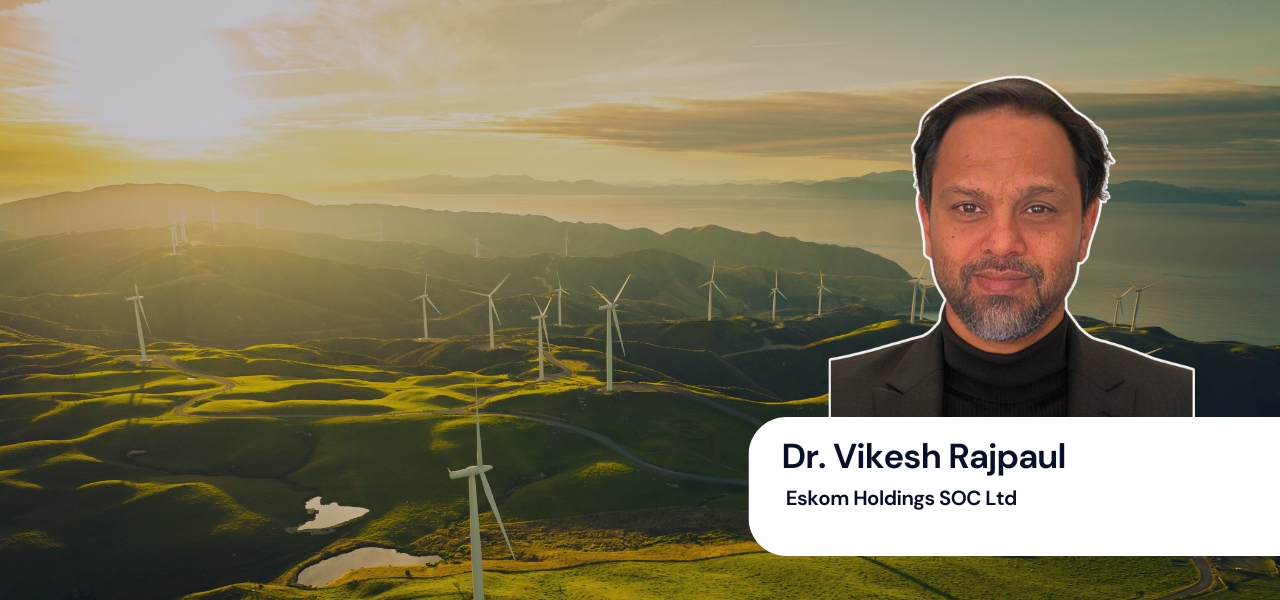
To understand what Indian coal-fired power plant owners can learn from the South African experience, we interviewed Dr. Vikesh Rajpaul, General Manager, Just Transitions at Eskom Holdings SOC Limited. With over three decades of experience at Eskom—the largest supplier of electricity in South Africa—Dr. Rajpaul has worked across a wide range of functions, including renewables and research.
Listen to the episode with full transcript here in English
[Podcast intro]
Welcome to Season 6 of the India Energy Hour podcast. This podcast explores the most pressing hurdles and promising opportunities of India’s energy transition through an in-depth discussion on policies, financial markets, social movements, and science. Your hosts for this episode are Shreya Jay, Delhi-based energy and climate journalist, and Dr. Sandeep Pai, energy transition researcher and author. The show is produced by 101 Reporters, a pan-India network of grassroots reporters that produces original stories from rural India. If you like our podcast, please rate us on Spotify, Apple Podcasts, or the platform where you listen to our podcast. Your support will help us reach a larger audience.
The repurposing of coal power plants is an underexplored challenge as many countries, including India, strive to achieve net-zero targets. Some countries in the Global South, such as South Africa, have more experience with coal power plant repurposing than India.
To understand what Indian coal-fired power plant owners can learn from the South African experience, we interviewed Dr. Vikesh Rajpaul, General Manager, Just Transitions at Eskom Holdings SOC Limited. With over three decades of experience at Eskom—the largest supplier of electricity in South Africa—Dr. Rajpaul has worked across a wide range of functions, including renewables and research.
[Podcast interview]
Shreya Jai: Hello and welcome to the India Energy Hour, Dr. Rajpaul. We are delighted to have you join us here on this very important recording on such an important topic, which I think is very new in the whole energy ecosystem. Because at least in my own record of covering the coal sector and also I think in the history of coal, this is the first time across countries and economies that we are discussing repurposing of coal power plants. So an extremely interesting topic, which I myself want to learn a lot. So thanks again for joining us here and looking forward to talk more, to learn more during this particular episode.
Dr. Vikesh Rajpaul: Thank you and thank you for the invite. It’s a pleasure to be here and I’m also looking forward to the engagement.
Sandeep Pai: Yeah, so why don’t I start by asking you a personal question, Vikesh. You and I have known each other for a few years, but I just want to understand like where are you from? What is your background? How did you get into Eskom? and how did you from, I know you have, you were working in the renewable space and then, and then you got into the just energy transition and repurposing space within Eskom. So what, what has been your journey?
Dr. Vikesh Rajpaul: Yeah, Sandeep, it’s been a long journey. I’ve been in Eskom for 32 years now. I started as an engineering training and typical EIT programs. We move around the organization. So my first stunt in Eskom was in our maintenance section where we worked on steam turbine repairs as such. And I got interested in the power generation part of the business. And when an opportunity came for a promotion and a move to a power station, I grabbed it. I saw it as a good opportunity to understand better coal-fired power stations because I’ve been working in it. At that point, I had been working in it for a few years. And yeah, so I took it as an opportunity. I immersed myself in the power station environment and it gave me a lot of good insights. Firstly, regarding community living and being away from the big bright lights of Johannesburg, as an example. And equally important, it gave me firsthand exposure of the impact of our operations on things like air quality and local environment. And you wouldn’t see those things when you work or live in a big city. You just take these things for granted. But living in those communities, because I’ve moved around across power stations as well, gave me a very good insight into, as I’ve indicated, power station operations, the challenges of communities, working with organized labor and understanding the impact on respiratory problems. As an example, my son had a lot of breathing-related challenges when he was growing up in that environment. And when we moved out, almost immediately, those challenges or those difficulties had sort of fixed themselves. So it is a reality, right, in terms of air quality impact of station operations. Climate change is a reality as well. And working in that environment gives you a good indication as to, firstly, as I’ve indicated, the life at a power station, but also the insights so that my work now, in terms of repurposing of these power stations, it fits in very nicely into the experiences that are gained at that stage. And very often we talk about connecting the dots, and you can only connect dots looking backwards. You cannot connect dots looking forward. This is Steve Jobs, by the way. And, yeah, so at that time, you’re in that environment and you don’t see the bigger picture. But it’s only as you move on and progress in life and progress with your own journey as such that you realize that you were put there for a specific purpose and a specific reason as such. And so I moved out of the power station environment in around 2007. Moved to ESCOM Research, Research, Testing and Development, that is. Looking at research, but also specifically focusing on power stations, providing consultancy services, power station operations, maintenance, as well as research to improve the efficiency and improve the operations of coal-fired power stations. And I was fortunate in 2010, I was given an opportunity within the organization to lead what was the largest renewables project at the time. Again, in the Southern Hemisphere, this was the 100-megawatt concentrating solar power plant that we had intended building in Uppington in South Africa. So I served as project director, program manager on that initiative. It gave me a good exposure and understanding of renewables, not just CSP technology, but also wind, solar PV and small-scale hydros, together with energy storage systems. So that exposure from 2010 until now, sorry, well, until around 2022, when I joined the JET office, it positioned me very nicely to have the balance of understanding from a renewables perspective, from a research perspective, as well as a deep understanding of power station operations. So it all blended into a unique individual that I am, that can address new technologies, understands the impact of repurposing, or the impact of station shutdown and the benefits of repurposing. And then from an academic perspective, I think that many engineers, we don’t have a good understanding of the finance and the business aspect of life as such. And when I did my MBA in 2000 to 2003, it was an eye-opener from a business perspective. And it helped me again in positioning the arguments, positioning, providing strategic guidance and leadership. And it groomed you, it grooms someone in terms of leadership. And then the PhD that I did was with the University of Pretoria, the Gordon Institute of Business Studies. And it focused on fake news around climate change. Because in my work in developing renewables for ESCOM, I encountered a number of instances where fake news was being used as a tool to change the narrative around climate change. And we find very often fake news being used in many contexts to change the narrative. And I was quite intrigued by that. And I decided to do a study on that. And given that, positioned me very well for this role as general manager in the Just Energy Transition Office. Thank you.
Shreya Jai: That’s quite an extensive career across the whole energy supply chain, a very interesting you know you have had experienced not only just on the coal side but renewables and i think a lot of leaning there but i want to specifically now want to get into what repurposing of a coal power plant is , its sounds fancy you know it would mean as simple as repurposing a coal power plant but as i have understood it is a very complicated procedure and especially for a country and economy like south africa as where there is so much dependency on the coal system so lets start with the basic procedure basic steps that involved in a coal power plant repurposing that you can explain to our audience.
Dr. Vikesh Rajpaul: Sure, first isn’t a standard definition as such of repurposing, everybody seems to have their own interpretation and internally we have adopted the concept of repurposing and repowering and even they isn’t standard terminology as such, so from repowering perspective we are as an organisation technology at rustic, so while we are busy looking at the opportunities for renewables we incorporated into our coal stations, we opened to other technologies provided they are low in a thing because we are cognizant of the impact of our operations on the climate, on greenhouse gases, on overall climate change, and as I’ve indicated earlier, from an air quality perspective. So we’re very conscious of the impact of our operations, and we repurpose, well, we’re supposed to repower to introduce low-emitting technologies into these areas. So our strategy is to decouple station operations from what we call repurposing and repowering. And what that means is that independent of station operations, irrespective of when those stations eventually do shut down, we will introduce opportunities to reduce our emissions by introducing clean energy solutions, low-emitting solutions, as well as opportunities to repurpose. Now, this gets back to the question that you’ve asked. From a repurposing perspective, we view that as being opportunities to diversify the economy around the power stations. So South Africa has a… I’m not sure how unique it is, but it is relatively unique in the sense that we have the vast majority of our coal-fired power stations in one province, and we have the vast majority of 70% of the coal mines in the same province. And we actually built our coal-fired power stations at the coal mines to reduce the cost of transportation. And this was historic. We had sufficient coal to feed into these power stations. But… And also, the average age of our power stations is in excess of 42 years. So I know that your paper spoke about 30 years to 50 years, but in average, it is around, well, just slightly in excess of 42 years. So you see, these plants are typically designed for a 50-year life. Actually, it was extended to 50 years. It was designed for 40. So many of them are reaching end of life. And while we… And I’ve mentioned this already. While we are cognizant of the impact of our operations on the climate, we need to manage the system as such from an energy perspective. We need to ensure that we have security of supply. And to do that, we cannot shut down our coal-fired power stations without having sufficient replacement capacity in whatever form it is, whether it is nuclear, conventional, whether it is small modular reactors, or even gas is part of our ambitions and part of the plans. So as indicated, we are technology agnostic. But from a least cost perspective, because when we develop projects, we always look at the cost, but we look at balancing or finding that balance in the three elements of what we call the energy trilemma. And I’m sure you are familiar with the energy trilemma that looks at balancing energy security with energy sustainability, and energy affordability. And finding that balance is not that simple. Especially when you have a community in a country that has largely been dependent on the coal value chain and coal has been the backbone of the economy as well. But in introducing new clean energy solutions, we find that renewables in the form of solar PV, coupled with energy storage systems, as well as wind, provide the least cost. So it addresses that aspect of affordability. It addresses the aspect of sustainability, but it brings into question the concept of security. Because security of supply has two components. One is balancing demand and supply, and the second is providing quality of supply. And quality of supply comes in various forms, including inertia, frequency response, voltage support, etc. So inverter-based technologies, especially as you increase your renewables penetration, does present challenges to the system operator that we need to fully understand before we can speak about massive rampdown of our coal stations. So to emphasize, for the third time, we are conscious of the impact of our operations on the climate, but we are also trying to manage the energy trilemma and manage better the security of supply component. So from a repurposing perspective, we look at, sorry, from a repowering perspective, when you look at renewables, especially from a local to the power station, perspective, we find that the jobs that you create from a renewables perspective is not sufficient to offset the jobs that you lose from a coal-fired power station. So from a country perspective, we have ambition for large-scale renewables. From a country perspective, there will be a net positive impact on jobs, specifically around the operations and maintenance, as well as the construction and installation, given the capacity of renewables that has been identified in the Integrated Resource Plan 2025. It’s a country plan as such regarding the energy direction and trajectory. So we don’t create sufficient jobs to offset the jobs that we lose. I mentioned that we have the bulk of our coal-fired power stations in one province called Mpumalanga, the best solar and wind resources in the country are in other provinces, the Northern Cape from a solar perspective, the Western and Eastern Cape from a wind perspective. But having said that, Mpumalanga still has better solar resource than many areas of Europe that drive quite aggressively renewables. So we do plan to build large-scale renewables at our power stations. One of the challenges that we have is given the concentration of coal mines and coal-fired power stations, and we know that when coal is formed, it is typically or originally formed in swamps and wetlands. And that’s what actually, I mean, it’s living trees, algae, moss, etc. That is, as they die, it compresses and it forms coal after many, many, many years, right? That’s well known. The challenge that we have is the wetlands that we have in and around our coal-fired power stations. We benefited from the access to coal, but it presents a challenge in the capacity of repowering, and the capacity of renewables that we could install in and around the power station. And therefore, we are open to other technologies, provided there are low-emitting combustion bed, a fluidized bed combustion, as an example. I mentioned small modular reactors, many other technologies. That brings me to the question that you’ve asked. Repurposing is critical to address the ills of shutting down a coal-fired power station. And like any asset, it has a defined life. So while we are not pushing for the premature shutdown of any station, there will come a time where we do have to shut it down. And when we do, we need to understand the impact on those communities that have been established in and around our facilities, right? And we have to, from a moral perspective, from an ethical perspective, not leave these communities in the lurch. They’ve been established for our benefit over a number of years, right? Over decades, in fact. We can’t just shut down and leave the power station and leave the community as it is and just walk away. We’ve done that in the past, right? Many, many years ago, we shut down coal-fired power stations. We did not, as a country, in fact, as a world, many, many countries shut down coal-fired power stations and shut down other large industries and walked away without recognizing the impact on those communities. You create ghost towns. You have a significant impact on those communities. So what we’ve done, and getting back to the question you asked regarding the steps associated with power plant repurposing, the first thing is it’s critical to engage those communities to help them understand that the reason that the power plant would eventually come or produce zero megawatts, it’s not driven by the global north, as very often is the perception. It’s not driven by us complying with funders like the World Bank, as an example, their requirements. It is purely because of the age of the asset, of the cost of operating the asset, and the impact of our operations as well does play a role in those discussions, but you need to engage those communities. And we also conducted, and it’s critical as a starting point, to conduct what’s called socio-economic impact assessment. And what those socio-economic impact assessments do is understand the opportunities that’s present in those communities, in that area or in the region, the impact of station shutdown on the communities’ impact assessment. So we’ve conducted that, and what we find is there are five capitals, as such, around which power stations and communities are impacted when you shut down a coal-fired power station. And the first is the financial and economic capital. Now this looks at household wealth, it looks at economic development and growth, it looks at unemployment in that area, that increases. So you have a significant and a detrimental impact on the financial and economic capital. There’s also an impact on the built capital, right, from a built environment, from the value of property, it drops when the largest key economic driver as such in that area is no longer functioning. There’s an immediate drop in economic value, immediate people tend to move out, a drop in property value, a drop in personal wealth. There’s also human capital, which is the third aspect, where you find, first, an exodus of skills and you find that community health deteriorates. And then you’ve got what’s called social and cultural capital, where you find the household’s sense of place is lost. You find family ties are broken where the traditional breadwinner of the house now needs to go elsewhere to seek employment. It creates destruction in the family environment. And so while there’s a positive impact from a nature or a natural capital in terms of air quality, in terms of better utilization of water and other resources, the impact and the cumulative impact of this in me, it implies the standard of living declines, the quality of life drops, and the state of those communities becomes dilapidated as such and becomes unstable. I’ll pause there and hand back to you.
Shreya Jai: Sure. Yes. There’s so many aspects to coal power plant repurposing that you shared. Some of them I didn’t even know and we’ll definitely explore the socioeconomic assessment a bit more because that is something that I related very much so sitting here in India. And a lot of aspects that you talked about do mirror what we are seeing here in the Indian coal system. There is a section of energy economists and policy planners who are trying to put in the language of repurposing into India’s future energy planning. Something that, you know, Sandeep, you have explored in your recent paper which looks at South Africa, India and the United States about how a systems level repurposing of coal assets can happen. What are the lessons drawn from these three very, very different economies? I should not talk more about it. But, you know, listening to Dr. Rajpal, what are your thoughts on this? And, you know, what were your key insights especially with regards to South African market? And then if you can talk a little bit about what lessons India can draw in or rather what you thought or studied when you were observing the Indian market?
Sandeep Pai: Yeah, no, thanks, Shreya. So just in that paper we looked at coal mines, coal fired power plants, rail networks and port terminals. So the whole coal value chain and repurposing aspects. So just coming back to the coal fired power plants. So I’ll just kind of start with the US and then come to India and then explain what my observation of South Africa’s experience has been and what lessons can India learn. So in the US there is no policy of repurposing. It is left to the individual asset owners and they have to navigate, they have to be interested to do any kind of repurposing. And so the result has been that many power stations have simply shut down or have been converted into gas fired power station. The biggest issue here is the whole social component that Dr. Rajpaul was talking about that like there is no social assessment, there is no just energy transition planning or thinking. There may be one or two odd examples here and there but overall neither there is a policy direction, neither there is a strategic direction. So coal fired power plants are simply getting converted to gas fired power plants or shutting down. That’s kind of what’s happening in the US. In India, as you know, not many plants have actually shut down but government of India is unfortunately actually discouraging repurposing because for them if they are saying repurposing that means things have to shut down first. That’s the assumption and so unfortunately repurposing as a topic is actively discouraged within the Indian policy makers. There was a notification by Central Electricity Authority that said we should not talk about repurposing until 2030 which I think is a misconception because from my experience from South Africa I mean I think one of the big things that India and US and other countries can learn from ESCOM’s jet strategy and general repurposing strategy within South Africa is this idea that Dr. Rajpaul was talking about decoupling between you know repurposing and power station shutdown. I think the assumption is first shut down then repurpose. So I just want to you know take it back to Dr. Rajpaul and if you can talk a little bit about why it’s important to decouple power station shut down with repurposing and if you can give example from Komati and then your recent experience with the other power stations that you’re planning that would be great.
Dr. Vikesh Rajpaul: Yeah absolutely. Projects take a long time to develop even if you have a proper project lifecycle model even if you think you’ve got all of your ducks in a row projects inevitably find difficulties find challenges you’ve got regulatory approvals projects in general take a long time to develop. if you don’t start early and this is a key lesson that we’ve learned from Komati at Komati and we knew in house we knew that we needed to build solar PV we knew that we needed to build wind at Komati we knew that we needed to have replacement generating capacity at site before the last production unit was ramped down to zero right but because of similar issues that you’ve just mentioned now because of an uncertain policy environment because of an organization that was really uncertain about the direction of travel regarding renewables we simply didn’t do that right we didn’t do it and when the power station shut down that’s when everybody saw the impact of station shutdown on that community based around Komati power station what very often gets ignored is that and I mentioned this earlier our coal-fired power stations are built at the coal mines the mine feeding Komati power station shut down several years before the power station shut down there was no jet strategy or there was no energy transition or just transition strategy in place it simply shut down and a number of employees were left without work that had a direct impact as well when the power station shut down the brunt of that community dissatisfaction as such was born by Eskom we found that the community felt that Eskom had let them down it became an Eskom challenge the importance of decoupling station operations from repurposing and repowering is that you wean communities away from dependence on the core value chain and it takes time to do that it doesn’t happen overnight when we started engaging again this is based on the lesson learned from Komati we started engaging communities at other power stations when and I was personally involved in those engagements when we started talking to the community around crude play power station they did not want to hear about the power station shutting down it was not even a point of discussion it was you will not talk to us about station shutdown we went through and our position was not station shutdown right because as I mentioned we are not positioning premature shutdown of any of our power stations but this is the messaging that goes out you shut down Komati you’ve seen what happened there you will not shut down this power station it’s a process of social dialogue engaging the community helping them understand what climate change is about what air quality is about what the power station environment is about how it impacts them going through a process of engaging understanding that there is life beyond coal there are opportunities to diversify the economy so that you’re not fully dependent on a single source from a resource perspective for your household’s income so let’s work together to see how we can diversify the economy around the power station at crude play power station last week Wednesday we launched what is called the crude play climate smart horticulture center we’ve done that in partnership with the kingdom of the netherlands they’ve got exceptional capabilities in climate smart horticulture they are second in the world when it comes to export of fruits and vegetables that’s produced in the country second to the USA and the netherlands is one of the smallest countries in Europe we worked with them in partnership to establish a climate smart horticulture center at crude power station while the power plant remains operational independent of the power plant operations because we see the value of economic diversification the community now sees the value as well we are using the center to train and develop what we call agripreneurs agricultural entrepreneurs train them on climate smart agriculture become employers become well entrepreneurs right and after they’ve gone through the 12 month training program we envision creating thousands of jobs in the agricultural value chain not just in climate smart horticulture in various forms of agriculture in the agricultural value chain like pack houses like agricultural processing hubs logistics associated with transportation of the produce we’re also looking at a biogas facility to feed heat carbon dioxide fertilizer and electricity into the center right so it gives you an indication as to how we could diversify an economy while the power station operates this community after a few years would become totally independent that they would not be totally reliant on the coal on the power station as being the source of income that does not mean that we are not going to address the challenge of employees we still have a challenge that we need to look at what happens to the employees at this power station what happens to our contractors and we have plans in place that looks at various options regarding reskilling upskilling providing new opportunities as well and I’ve given you one example of economic diversification that’s decoupled from station operations at other power stations we’re exploring things and getting back to climate smart horticulture it’s not ESCOM’s core business we know nothing about agriculture right but in supporting the initiative it serves as a catalyst for future for further development in the area and we were happy to do that knowing that by co-creating this facility by making the land available by getting experts in to operate maintain the facility to provide the chaining that’s different from our core business we now get back to the concept of weaning communities away from the core value chain that is one example at Kumati we’re looking at many other initiatives we have a suite of initiatives that we are exploring at Kumati sadly we didn’t start those initiatives years ago because if we had started them in say 2018 2019 those would have been fully functional and operational by now so another example we know that a coal-fired power station has hundreds of tons of copper cables that’s required for power station operations right when you shut down the plant you now have access to copper in the form of these cables we are currently advanced with the development of a copper recycling facility at Kumati power station to take the copper from across the power stations nationwide to take the copper eventually when we do get the approvals to extract the copper from Kumati to recycle and in recycling you produce firstly pure copper rice well it’s recycled it’s copper what we call rice it’s fine copper grains you also extract the steel and you extract the insulation and each of those things can be beneficiated into other forms of economic opportunity as such so from a copper perspective you extract it from a coal-fired power station you recycle it and you produce as an example a copper mat an earthing mat that goes into a substation or that goes into a renewables plant or a bus bar that goes into a transformer that feeds into a renewables plant and it’s a circular economy that we are trying to stimulate by creating alternative forms of economic activity we will not operate a copper recycling plant it’s not our core business we will get people we will partner with people that can operate these plants it will become their business they would manage the financial sustainability of the initiative they would manage the day-to-day operations of the facility but from our perspective it is critical that whatever opportunity we introduce to the power station to the communities has to be sustainable you cannot have an initiative that create jobs for two years you have this thing running and then two years later the very people that you’ve trained are now unemployed again so it’s a lengthy process that we follow in developing the business cases to ensure that the initiative is sustainable that you can it becomes self-sustaining as such so you you fund the operations and maintenance from the sale of products as an example as opposed to constant grant funding or constant support from ESCOM so that’s the repurposing strategy sorry yeah
Shreya Jai: so so basically one sort of ecosystem is replacing the existing ecosystem you mentioned about copper these are clearly not the industry agriculture which you know ESCOM can run but then a new whole ecosystem is being developed out of repurposing and on this aspect I wanted I’m very curious to know about the financing aspects because not only there is a socio-economic angle which we explored then there’s this whole new angle which wherein you’re creating a whole industry out there which is replacing the existing industry in India at least we have seen that wherever a coal mine opens a whole cities get developed and you know a repurposing obviously brings in the imminent fears that you just mentioned that you know everything would be shut down but here you are offering a possibility where a brand new industrial socio-economic ecosystem gets created Sandeep your paper talks about the financing challenges that are there not just in South Africa but the other two subject nations that you have I’m sorry can you quickly touch upon what are these hurdles and then Dr. Rajpal I’d like you to come in and talk about South Africa specifically but Sandeep can I start with you first
Sandeep Pai: yeah I mean I think the the big challenge in terms of financing is that like in most places this has not been done I will go back to that question so there is a lot of misinformation about like how do you do repurposing and what are the different components that require financing etc and the specific examples are that let’s why only coal-fired power plants when you when you think about coal mines and the repurposing of coal mines you know every mine that has to be shut down in India or US and in other contexts has to have some kind of bonding which means that company has to set aside some money and when they shut down they have to do some progressive repurposing for mines and then when eventually they shut down they have to do the final mine closure but the challenge happens is often this source of money that the company has set aside in I’m talking about globally it’s not enough to do this kind of coal asset repurposing and thinking about external sources I mean there is a little bit of multilateral money in terms of sort of you know getting some pilot projects done but I think the biggest challenge that I see in this is like is there a business case that a company can show and using that business case not just as a demonstration project but using a business case for diversifying their own income resource I think once that happens I think coal repurposing will have a business case I mean of course we have to make it socially just but from a financing point of view I think there’s not clear global models of repurposing that actually will generate revenue for the company yet there may be some examples here and there but not at scale but this is a great question back to Vikesh you know in terms of are there financial models for the company the asset owner to you know do the right thing do just energy transition do repurposing before closure but at the same time make money is there a business yes
Dr. Vikesh Rajpaul: yes yes there is and it comes in the way in innovative thinking and if you believe that something is not your core business and you just turn it away as such you lose value and I’ll give you examples I’ll give you two examples we have as a country we need to develop rapidly our transmission infrastructure to allow for additional renewables to come online in those provinces that I mentioned earlier that has high wind and solar resource we need to build something like 14,000 kilometers of new transmission infrastructure by 2032 now that requires a significant amount of steel structures and steel components we have a project in place that we are taking forward in the organization that looks at steel lattice structure component manufacturing at Komati Power Station with Eskom transmission the National Transmission Company of South Africa and this is what we are positioning and we are trying to get that across to them they would benefit significantly and we have done the financial analysis the returns on investment significant from a payback from an NPV from an overall IRR perspective the payback is significant to the organization so while you may see it as an expense in having to set up a steel fabrication plant while you see it as not being our core business because our core business is electricity transmission generation and distribution there is a lot of value of making our infrastructure available provided it does not impact the operations of the running plant right and there’s a lot of infrastructure that we have at the power stations a lot of land that we have that we purchased throughout the years around the power station that we could utilize for something like this you manufacture those steel network structures supply and this is not ESCOM this is we act as a catalyst it’s more an incubation of a business as such you provide the offtake agreement to them that if they produce a certain tonnage of steel lettuce structures as an example you will be the offtake for the first certain whatever tonnage it is based on the business case you incubate the business but the returns on investment comes from organizational savings instead of you spending that money to external companies instead of you importing from I don’t want to say China or India but I’ll say it instead of you importing from China or India you manufacture those things locally you save from an overall cost perspective another example second example and this speaks to not looking at a coal-fired power station repurposing in isolation because very often we take a power station in isolation we view it as an island and we only look at what you can do at that station without realizing that the holding company has many of these assets many of these assets that will still continue to operate even beyond the operations or the shutdown of that specific plant that you are working on and it brings me to the example personal protective equipment we use that across all our power stations whether it is coveralls or we call it overalls whether it is helmets or glasses or safety boots all of those things we have a requirement within the organization and it’s an immense amount of money that we spend on an annual basis for PPE we have done the business case it’s a positive business case if we were to manufacture PPE at Komati power station and supply to Eskom even if you started Eskom generation across the power stations excluding transmission and distribution it’s a massive company we employ something like 44,000 people right it’s a huge organization the savings comes from or the benefits should I say comes from the saving to the organization so while we provide an offtake agreement for a certain and obviously it has to meet quality and the safety requirements for PPE right but your savings come from you procuring from this entity and you procure at a much lower rate than you would from the external market as such so you self-supporting you fund the initiatives through your savings and it’s not a question of diversifying your activities or your portfolio we remain it will always be or maybe always is a very difficult term to use right but for the foreseeable future we will be an electricity possibly an energy company but transmitting distributing and generating not necessarily in that order but generating and distributing and transmitting electrons or electricity but you see there’s value in these other initiatives that we could support that has benefit to ESCOM
Shreya Jai: right thanks for explaining that and it does offer a very fresh new perspective both of you actually we are short of time we are almost out of time but I will squeeze in the last question and just very quickly I wanted to understand you know what has been the hardest part of aligning your technical plans with the real just outcomes you talked about the socio-economic challenges and you know the ecosystem that it is creating and everything but what was some of those few things that shocked your planning very much that you had to you know go back and go back to the drawing board and change your plans altogether
Dr. Vikesh Rajpaul: there were a number of things and we used Komati as a flagship project but to understand the intricacies of an energy transition so the Komati experience was invaluable in giving us the lessons learnt as such and getting back to the question what we found was the importance of sequencing the importance of starting early which is what we’ve done at the other power stations the importance of social dialogue funding is also a key component what we found was that for Komati as an example we had only secured the funding from the World Bank approximately eight months after the last production unit was shut down and that is far too late does not give you enough time to develop and to build the projects that you intend building so while we had plans in place we were slow in securing the funding and it’s critical that the funding is secured the correct type of funding as well not high commercial rates but concessional funding and to a certain extent grant funding that allows you to do these initiatives that’s not part of your core business a reduced cost of capital helps with the positive business case in many of these other initiatives that I’ve spoken about because it helps you get these initiatives that you wouldn’t ordinarily support it helps you get them across the line so equally important the value of upskilling reskilling of communities and staff and workers in general to participate in the new value chain whether it is a renewables value chain whether it is re-industrialization or agricultural or ecotourism which is also something that we are exploring the importance of training up front and reskilling and upskilling is critical so we have learned a number of lessons it goes back to the socio-economic impact studies that we had conducted it goes back to taking those lessons learned and implementing across the power stations and yeah thank you
Shreya Jai: great thank you so much this was a very informative episode for me, thank you so much for sharing details you know in as much detail exhaustive details as you could and it was very heartening for me to you know get so so many detailed insights from you so thank you so much for speaking with us
Sandeep Pai: thank you for my side as well.
[Podcast outro]
Thank you for listening to The India Energy Hour! Subscribe to this channel to never miss an update. To drop us a feedback, visit our website or write to us at [email protected]
We are on Twitter. You can follow @tieh_podcast and get in touch with 2 hosts @shreya_jai and @sandeeppaii
[end]
Listen to the episode with full transcript here in Hindi
[पॉडकास्ट का परिचय]
India Energy Hour पॉडकास्ट के सीज़न 6 में आपका स्वागत है। यह पॉडकास्ट नीतियों, वित्तीय बाज़ारों, सामाजिक आंदोलनों और विज्ञान पर गहरी चर्चा के ज़रिए भारत के ऊर्जा बदलाव की सबसे बड़ी रुकावटों और शानदार मौकों को टटोलता है। इस एपिसोड के होस्ट हैं श्रेया जय, जो दिल्ली की ऊर्जा और जलवायु पत्रकार हैं, और डॉ. संदीप पाई, जो ऊर्जा बदलाव के रिसर्चर और लेखक हैं। इस शो को 101 Reporters ने प्रोड्यूस किया है, जो ज़मीनी स्तर के रिपोर्टरों का एक पूरे भारत में फैला नेटवर्क है और जो ग्रामीण भारत से असली कहानियाँ सामने लाता है। अगर आपको हमारा पॉडकास्ट पसंद आता है, तो कृपया हमें Spotify, Apple Podcasts, या जिस भी प्लेटफ़ॉर्म पर आप हमारा पॉडकास्ट सुनते हैं, वहाँ रेट करें। आपके सहयोग से हम ज़्यादा लोगों तक पहुँच पाएँगे।
कोयला बिजली संयंत्रों का पुनरुद्देश्यीकरण एक ऐसा विषय है जिस पर अभी ज़्यादा खोज नहीं हुई है, जबकि भारत सहित कई देश नेट-ज़ीरो लक्ष्य हासिल करने की कोशिश कर रहे हैं। ग्लोबल साउथ के कुछ देशों, जैसे दक्षिण अफ्रीका, को कोयला बिजली संयंत्रों के पुनरुद्देश्यीकरण का भारत की तुलना में ज़्यादा अनुभव है।
यह समझने के लिए कि भारत के कोयला-आधारित बिजली संयंत्रों के मालिक दक्षिण अफ्रीका के अनुभव से क्या सीख सकते हैं, हमने Eskom Holdings SOC Limited में ‘Just Transitions’ के जनरल मैनेजर, डॉ. विकेश राजपाल का इंटरव्यू लिया। Eskom जो दक्षिण अफ्रीका में बिजली का सबसे बड़ा सप्लायर है| में तीन दशकों से ज़्यादा के अनुभव के साथ, डॉ. राजपाल ने कई तरह के कामों में काम किया है, जिनमें रिन्यूएबल एनर्जी और रिसर्च शामिल हैं।
[पॉडकास्ट इंटरव्यू]
श्रेया जय: नमस्कार और ‘इंडिया एनर्जी आवर’ में आपका स्वागत है, डॉ. राजपाल। हमें बहुत खुशी है कि आप इस बहुत ही महत्वपूर्ण रिकॉर्डिंग में, इतने अहम विषय पर चर्चा करने के लिए हमारे साथ जुड़े हैं। मुझे लगता है कि पूरे एनर्जी इकोसिस्टम में यह विषय बिल्कुल नया है। क्योंकि, कम से कम कोयला क्षेत्र को कवर करने के मेरे अपने अनुभव में, और मुझे लगता है कि कोयले के इतिहास में भी, यह पहली बार है जब हम अलग-अलग देशों और अर्थव्यवस्थाओं में कोयला बिजली संयंत्रों के ‘रीपर्पसिंग’ (पुनरुद्देश्यीकरण) पर चर्चा कर रहे हैं। तो यह एक बेहद दिलचस्प विषय है, जिसके बारे में मैं खुद भी बहुत कुछ सीखना चाहती हूँ। इसलिए, हमारे साथ जुड़ने के लिए एक बार फिर धन्यवाद; मैं इस खास एपिसोड के दौरान आपसे और बातचीत करने और और भी बहुत कुछ सीखने के लिए उत्सुक हूँ।
डॉ. विकेश राजपाल: धन्यवाद, और मुझे आमंत्रित करने के लिए भी आपका शुक्रिया। यहाँ आकर मुझे बहुत अच्छा लग रहा है, और मैं भी इस चर्चा में शामिल होने के लिए उत्सुक हूँ।
संदीप पाई: हाँ, तो विकेश, क्यों न मैं आपसे एक निजी सवाल पूछकर शुरुआत करूँ? आप और मैं एक-दूसरे को कुछ सालों से जानते हैं, लेकिन मैं बस यह समझना चाहता हूँ कि आप कहाँ से हैं? आपकी पृष्ठभूमि (बैकग्राउंड) क्या है? आप Eskom में कैसे आए? और आप वहाँ तक कैसे पहुँचे? मुझे पता है कि आप पहले रिन्यूएबल एनर्जी (नवीकरणीय ऊर्जा) के क्षेत्र में काम कर रहे थे, और फिर आप Eskom के भीतर ही ‘जस्ट एनर्जी ट्रांज़िशन’ (न्यायसंगत ऊर्जा संक्रमण) और ‘रीपर्पसिंग’ वाले क्षेत्र में आ गए। तो, आपकी अब तक की यात्रा कैसी रही है?
डॉ. विकेश राजपाल: हाँ, संदीप, यह एक लंबा सफ़र रहा है। मैं पिछले 32 सालों से Eskom में हूँ। मैंने एक इंजीनियरिंग ट्रेनी के तौर पर शुरुआत की थी, और फिर आम EIT प्रोग्राम्स में काम किया। हम ऑर्गनाइज़ेशन के अलग-अलग हिस्सों में घूमते रहते हैं। तो Eskom में मेरा पहला काम हमारे मेंटेनेंस सेक्शन में था, जहाँ हमने स्टीम टर्बाइन की मरम्मत जैसे कामों पर काम किया। और मुझे बिज़नेस के पावर जेनरेशन वाले हिस्से में दिलचस्पी हो गई। और जब प्रमोशन का और किसी पावर स्टेशन में जाने का मौका मिला, तो मैंने उसे लपक लिया। मैंने इसे कोयले से चलने वाले पावर स्टेशनों को बेहतर ढंग से समझने का एक अच्छा मौका माना, क्योंकि मैं उनमें काम कर रहा था। उस समय तक, मैं उनमें कुछ सालों से काम कर रहा था। और हाँ, तो मैंने इसे एक मौके के तौर पर लिया। मैं पावर स्टेशन के माहौल में पूरी तरह से घुल-मिल गया, और इससे मुझे बहुत सारी अच्छी बातें पता चलीं। सबसे पहले, कम्युनिटी में रहने के बारे में, और उदाहरण के तौर पर, जोहान्सबर्ग की बड़ी-बड़ी रोशनियों से दूर रहने के बारे में। और उतना ही ज़रूरी, इससे मुझे अपने कामों के हवा की क्वालिटी और आस-पास के माहौल जैसी चीज़ों पर पड़ने वाले असर को सीधे तौर पर देखने का मौका मिला। और जब आप किसी बड़े शहर में काम करते हैं या रहते हैं, तो आपको ये चीज़ें दिखाई नहीं देतीं। आप बस इन चीज़ों को आम बात मान लेते हैं। लेकिन उन कम्युनिटीज़ में रहने से क्योंकि मैं अलग-अलग पावर स्टेशनों में भी घूमता रहा हूँ मुझे, जैसा कि मैंने बताया, पावर स्टेशन के कामों, कम्युनिटीज़ की मुश्किलों, संगठित मज़दूरों के साथ काम करने और साँस की बीमारियों पर पड़ने वाले असर को समझने की बहुत अच्छी जानकारी मिली। उदाहरण के तौर पर, जब मेरा बेटा उस माहौल में बड़ा हो रहा था, तो उसे साँस लेने से जुड़ी कई दिक्कतें होती थीं। और जब हम वहाँ से चले गए, तो लगभग तुरंत ही, वे दिक्कतें या मुश्किलें अपने आप ठीक हो गईं। तो यह एक सच्चाई है, है ना? पावर स्टेशन के कामों से हवा की क्वालिटी पर पड़ने वाले असर के मामले में। क्लाइमेट चेंज भी एक सच्चाई है। और उस माहौल में काम करने से आपको इस बात का अच्छा अंदाज़ा हो जाता है कि, सबसे पहले जैसा कि मैंने बताया पावर स्टेशन में ज़िंदगी कैसी होती है; और साथ ही ऐसी जानकारी भी मिलती है जिससे मेरा मौजूदा काम इन पावर स्टेशनों को नए सिरे से इस्तेमाल करने के मामले में उस समय मिले अनुभवों के साथ बहुत अच्छी तरह से मेल खाता है। और हम अक्सर ‘बिंदुओं को जोड़ने’ की बात करते हैं, और आप बिंदुओं को तभी जोड़ सकते हैं जब आप पीछे मुड़कर देखते हैं। आप आगे की ओर देखते हुए बिंदुओं को नहीं जोड़ सकते। वैसे, यह स्टीव जॉब्स का कहना है। और, हाँ, तो उस समय, आप उस माहौल में होते हैं और आपको पूरी तस्वीर नज़र नहीं आती। लेकिन जैसे-जैसे आप ज़िंदगी में आगे बढ़ते हैं और अपनी यात्रा में प्रगति करते हैं, तभी आपको एहसास होता है कि आपको वहाँ किसी खास मकसद और खास वजह से रखा गया था। और इसलिए मैं 2007 के आस-पास पावर स्टेशन के माहौल से बाहर निकल आया। मैं ESCOM Research, यानी Research, Testing और Development विभाग में चला गया। वहाँ मैं रिसर्च पर तो ध्यान दे ही रहा था, साथ ही खास तौर पर पावर स्टेशनों पर भी फोकस कर रहा था—कंसल्टेंसी सेवाएँ देना, पावर स्टेशन का संचालन और रखरखाव देखना, और साथ ही कोयले से चलने वाले पावर स्टेशनों की कार्यक्षमता और संचालन को बेहतर बनाने के लिए रिसर्च करना। और मैं 2010 में भाग्यशाली रहा कि मुझे संगठन के भीतर ही एक ऐसा अवसर मिला, जिसमें मुझे उस समय के सबसे बड़े रिन्यूएबल प्रोजेक्ट का नेतृत्व करने की ज़िम्मेदारी दी गई। फिर से बता दूँ कि दक्षिणी गोलार्ध में, यह 100-मेगावाट का ‘कंसंट्रेटिंग सोलर पावर प्लांट’ था, जिसे हमने दक्षिण अफ्रीका के अपिंगटन में बनाने की योजना बनाई थी। तो मैंने उस पहल में प्रोजेक्ट डायरेक्टर और प्रोग्राम मैनेजर के तौर पर काम किया। इससे मुझे रिन्यूएबल ऊर्जा के क्षेत्र में अच्छा अनुभव और समझ मिली न सिर्फ़ CSP टेक्नोलॉजी की, बल्कि पवन ऊर्जा, सोलर PV और छोटे पैमाने के हाइड्रो-प्रोजेक्ट्स की भी, साथ ही ऊर्जा भंडारण प्रणालियों की भी। तो 2010 से लेकर अब तक माफ़ कीजिए, असल में 2022 के आस-पास तक, जब मैंने JET कार्यालय जॉइन किया—मुझे जो अनुभव मिला, उसने मुझे एक ऐसी स्थिति में ला खड़ा किया जहाँ मेरे पास रिन्यूएबल ऊर्जा और रिसर्च, दोनों ही दृष्टिकोणों की संतुलित समझ थी, और साथ ही पावर स्टेशन के संचालन की भी गहरी समझ थी। तो यह सब मिलकर एक ऐसे अनोखे इंसान का निर्माण हुआ, जो आज मैं हूँ जो नई टेक्नोलॉजी को समझ सकता है, किसी स्टेशन को नए सिरे से इस्तेमाल करने के असर को समझता है, या स्टेशन को बंद करने के असर और उसे नए सिरे से इस्तेमाल करने के फ़ायदों को भी समझता है। और फिर, अकादमिक दृष्टिकोण से, मुझे लगता है कि हममें से कई इंजीनियरों को ज़िंदगी के वित्तीय और व्यावसायिक पहलुओं की अच्छी समझ नहीं होती। और जब मैंने 2000 से 2003 के बीच अपना MBA किया, तो व्यावसायिक दृष्टिकोण से वह मेरे लिए आँखें खोलने वाला अनुभव था। और इसने मुझे अपनी दलीलों को सही ढंग से रखने, अपनी स्थिति को मज़बूत करने, रणनीतिक मार्गदर्शन देने और नेतृत्व करने में फिर से मदद की। और इसने मुझे तराशा यह किसी भी व्यक्ति को नेतृत्व के मामले में तराशता है। और फिर, मैंने जो PhD की, वह प्रिटोरिया विश्वविद्यालय के ‘गॉर्डन इंस्टीट्यूट ऑफ़ बिज़नेस स्टडीज़’ से की। और इसका मुख्य फ़ोकस जलवायु परिवर्तन से जुड़ी फ़ेक न्यूज़ पर था। क्योंकि ESCOM के लिए रिन्यूएबल एनर्जी डेवलप करने के अपने काम के दौरान, मुझे कई ऐसे मामले देखने को मिले जहाँ जलवायु परिवर्तन के बारे में लोगों की सोच बदलने के लिए फ़ेक न्यूज़ का इस्तेमाल एक हथियार के तौर पर किया जा रहा था। और हम अक्सर देखते हैं कि कई अलग-अलग मामलों में लोगों की सोच बदलने के लिए फ़ेक न्यूज़ का इस्तेमाल किया जाता है। और इस बात ने मुझे काफ़ी आकर्षित किया। इसलिए मैंने इस विषय पर एक स्टडी करने का फ़ैसला किया। और इसी वजह से, ‘जस्ट एनर्जी ट्रांज़िशन ऑफ़िस’ में जनरल मैनेजर की इस भूमिका के लिए मैं पूरी तरह से तैयार था। धन्यवाद।
श्रेया जय: ऊर्जा सप्लाई चेन के पूरे क्षेत्र में आपका करियर काफी लंबा और विस्तृत रहा है। यह बहुत दिलचस्प है, आप जानती हैं कि आपको न सिर्फ कोयले के क्षेत्र में, बल्कि रिन्यूएबल ऊर्जा के क्षेत्र में भी अनुभव मिला है – और मुझे लगता है कि आपका झुकाव इसी तरफ ज़्यादा है। लेकिन अब मैं खास तौर पर यह समझना चाहती हूँ कि ‘कोयला पावर प्लांट का रीपर्पसिंग’ (पुनरुद्देश्यीकरण) क्या होता है। सुनने में यह शब्द काफी फैंसी लगता है; ऐसा लग सकता है कि इसका मतलब बस कोयला पावर प्लांट को किसी दूसरे काम में लगाना है। लेकिन जैसा कि मैंने समझा है, यह एक बहुत ही जटिल प्रक्रिया है| खासकर दक्षिण अफ्रीका जैसे देश और अर्थव्यवस्था के लिए, जहाँ कोयला आधारित सिस्टम पर इतनी ज़्यादा निर्भरता है। तो चलिए, हम उन बुनियादी प्रक्रियाओं और कदमों से शुरुआत करते हैं जो कोयला पावर प्लांट की रीपर्पसिंग में शामिल होते हैं, और जिनके बारे में आप हमारे दर्शकों को समझा सकती हैं।
डॉ. विकेश राजपाल: ज़रूर। सबसे पहले तो, ‘रीपर्पसिंग’ की कोई एक तय या मानक परिभाषा नहीं है; ऐसा लगता है कि हर किसी की अपनी-अपनी व्याख्या है। हमने अपनी संस्था के भीतर ‘रीपर्पसिंग’ और ‘रीपावरिंग’ की अवधारणाओं को अपनाया है | हालाँकि, इन शब्दों के लिए भी कोई एक तय शब्दावली मौजूद नहीं है। तो, ‘रीपावरिंग’ के नज़रिए से देखें तो, एक संस्था के तौर पर हम टेक्नोलॉजी के मामले में काफी खुले विचारों वाले हैं। जहाँ एक तरफ हम अपने कोयला-आधारित स्टेशनों में रिन्यूएबल ऊर्जा (नवीकरणीय ऊर्जा) को शामिल करने के अवसरों की तलाश में जुटे हैं, वहीं हम दूसरी टेक्नोलॉजी को अपनाने के लिए भी तैयार हैं| बशर्ते उनसे होने वाला उत्सर्जन कम हो। ऐसा इसलिए, क्योंकि हम अपने कामकाज के पर्यावरण पर पड़ने वाले असर जैसे कि ग्रीनहाउस गैसों और समग्र जलवायु परिवर्तन के प्रति पूरी तरह से सचेत हैं। और जैसा कि मैंने पहले भी ज़िक्र किया था, हम वायु की गुणवत्ता के नज़रिए से भी इस बात का पूरा ध्यान रखते हैं। इसलिए, हम अपने कामकाज के प्रभावों को लेकर बहुत ज़्यादा जागरूक हैं। रीपर्पसिंग के तहत, हम इन क्षेत्रों में कम उत्सर्जन वाली टेक्नोलॉजी को लाने के लिए ‘रीपावरिंग’ का सहारा लेते हैं। हमारी रणनीति यह है कि हम स्टेशन के सामान्य कामकाज को, ‘रीपर्पसिंग’ और ‘रीपावरिंग’ की प्रक्रिया से अलग करके देखें। इसका मतलब यह है कि स्टेशन के सामान्य कामकाज से स्वतंत्र होकर और इस बात की परवाह किए बिना कि वे स्टेशन आखिरकार कब बंद होंगे हम स्वच्छ ऊर्जा और कम उत्सर्जन वाले समाधानों को अपनाकर अपने उत्सर्जन को कम करने के अवसर पैदा करेंगे। साथ ही, हम रीपर्पसिंग के अवसरों पर भी काम करेंगे। अब, यह बात उसी सवाल पर वापस आती है जो आपने पूछा था। रीपर्पसिंग के नज़रिए से देखें तो, हम इसे पावर स्टेशनों के आस-पास की अर्थव्यवस्था में विविधता लाने के एक अवसर के रूप में देखते हैं। तो दक्षिण अफ्रीका की स्थिति कुछ ऐसी है… मुझे पक्का नहीं पता कि यह कितनी अनोखी है, लेकिन यह इस मायने में काफ़ी अनोखी है कि हमारे ज़्यादातर कोयला-आधारित बिजली घर एक ही प्रांत में हैं, और हमारे 70% से ज़्यादा कोयला खदानें भी उसी प्रांत में हैं। और हमने असल में अपने कोयला-आधारित बिजली घर कोयला खदानों के पास ही बनाए थे, ताकि ट्रांसपोर्ट का खर्च कम हो सके। और यह एक ऐतिहासिक कदम था। हमारे पास इन बिजली घरों को चलाने के लिए काफ़ी कोयला मौजूद था। लेकिन… और साथ ही, हमारे बिजली घरों की औसत उम्र 42 साल से ज़्यादा हो चुकी है। तो मुझे पता है कि आपके पेपर में 30 से 50 साल की बात की गई थी, लेकिन औसत देखें तो यह लगभग 42 साल से थोड़ी ही ज़्यादा है। तो आप देख सकते हैं कि ये प्लांट आम तौर पर 50 साल की ज़िंदगी के लिए डिज़ाइन किए जाते हैं। असल में, इनकी समय-सीमा बढ़ाकर 50 साल की गई थी; इन्हें तो 40 साल के लिए ही डिज़ाइन किया गया था। इसलिए, इनमें से कई प्लांट अब अपनी ज़िंदगी के आखिरी पड़ाव पर पहुँच चुके हैं। और जहाँ एक तरफ़… जैसा कि मैं पहले भी बता चुका हूँ… जहाँ एक तरफ़ हम अपने कामकाज से पर्यावरण पर पड़ने वाले असर के प्रति पूरी तरह से जागरूक हैं, वहीं हमें ऊर्जा के नज़रिए से इस पूरे सिस्टम को सही ढंग से चलाना भी ज़रूरी है। हमें यह पक्का करना होगा कि बिजली की सप्लाई में कोई रुकावट न आए। और ऐसा करने के लिए, हम अपने कोयला-आधारित बिजली घरों को तब तक बंद नहीं कर सकते, जब तक हमारे पास उनकी जगह लेने के लिए काफ़ी बिजली पैदा करने की क्षमता मौजूद न हो—चाहे वह किसी भी रूप में हो: न्यूक्लियर, पारंपरिक, छोटे मॉड्यूलर रिएक्टर, या फिर गैस ये सभी हमारी योजनाओं और लक्ष्यों का हिस्सा हैं। जैसा कि मैंने बताया, हम किसी एक खास टेक्नोलॉजी तक ही सीमित नहीं हैं। लेकिन अगर सबसे कम खर्च के नज़रिए से देखें—क्योंकि जब हम कोई प्रोजेक्ट शुरू करते हैं, तो हम हमेशा उसके खर्च पर ध्यान देते हैं तो हम उन तीन चीज़ों के बीच संतुलन बिठाने की कोशिश करते हैं, जिन्हें हम ‘एनर्जी ट्राइलेमा’ (ऊर्जा की तीन चुनौतियाँ) कहते हैं। और मुझे पूरा यकीन है कि आप ‘एनर्जी ट्राइleमा’ से भली-भांति परिचित होंगे; इसमें ऊर्जा सुरक्षा, ऊर्जा की निरंतरता (सस्टेनेबिलिटी) और ऊर्जा की किफ़ायत (अफ़ोर्डेबिलिटी) के बीच संतुलन बिठाने पर ज़ोर दिया जाता है। और इन तीनों के बीच सही संतुलन बिठाना कोई आसान काम नहीं है। खासकर तब, जब आप ऐसे देश या समाज में रह रहे हों, जो बड़े पैमाने पर कोयले से जुड़ी पूरी व्यवस्था (वैल्यू चेन) पर ही निर्भर रहा हो, और जहाँ कोयला ही अर्थव्यवस्था की रीढ़ रहा हो। लेकिन जब हम ऊर्जा के नए और साफ़-सुथरे विकल्पों को अपनाते हैं, तो हमें पता चलता है कि सौर ऊर्जा जिसे ऊर्जा भंडारण प्रणालियों का साथ मिल जाए और पवन ऊर्जा, ये सभी सबसे कम खर्च वाले विकल्प साबित होते हैं। इस तरह, ये सभी विकल्प ‘किफ़ायत’ से जुड़ी उस अहम ज़रूरत को भी पूरा करते हैं। यह सस्टेनेबिलिटी (स्थिरता) के पहलू पर तो ध्यान देता है, लेकिन यह सुरक्षा की अवधारणा पर सवाल खड़े करता है। क्योंकि सप्लाई की सुरक्षा के दो हिस्से होते हैं। पहला है मांग और सप्लाई के बीच संतुलन बनाना, और दूसरा है सप्लाई की गुणवत्ता सुनिश्चित करना। और सप्लाई की गुणवत्ता कई रूपों में सामने आती है, जिसमें इनर्शिया, फ़्रीक्वेंसी रिस्पॉन्स, वोल्टेज सपोर्ट वगैरह शामिल हैं। इसलिए, इन्वर्टर-आधारित टेक्नोलॉजी, खासकर जब आप रिन्यूएबल एनर्जी का इस्तेमाल बढ़ाते हैं, तो सिस्टम ऑपरेटर के सामने कुछ चुनौतियाँ खड़ी करती हैं; इन चुनौतियों को हमें अपने कोयला-आधारित पावर स्टेशनों को बड़े पैमाने पर बंद करने की बात करने से पहले पूरी तरह से समझना होगा। इसलिए, तीसरी बार इस बात पर ज़ोर देते हुए हम यह कहना चाहेंगे कि हम अपने कामकाज के जलवायु पर पड़ने वाले असर के प्रति पूरी तरह से सचेत हैं। लेकिन हम एनर्जी ट्राइलेमा को मैनेज करने और सप्लाई की सुरक्षा वाले हिस्से को बेहतर ढंग से मैनेज करने की भी कोशिश कर रहे हैं। तो रीपर्पसिंग के नज़रिए से, सॉरी, रीपावरिंग के नज़रिए से, जब आप रिन्यूएबल्स को देखते हैं| खासकर किसी पावर स्टेशन के आस-पास के लोकल नज़रिए से तो हम पाते हैं कि रिन्यूएबल्स से जो नौकरियाँ पैदा होती हैं, वे कोयले से चलने वाले पावर स्टेशन से खत्म होने वाली नौकरियों की भरपाई के लिए काफी नहीं होतीं। इसलिए, देश के नज़रिए से, हमारा बड़े पैमाने पर रिन्यूएबल्स को अपनाने का लक्ष्य है। देश के नज़रिए से, नौकरियों पर कुल मिलाकर सकारात्मक असर पड़ेगा—खासकर ऑपरेशन और रखरखाव, साथ ही निर्माण और इंस्टॉलेशन के क्षेत्र में क्योंकि इंटीग्रेटेड रिसोर्स प्लान 2025 में रिन्यूएबल्स की जितनी क्षमता की पहचान की गई है, उसे देखते हुए ऐसा ही लगता है। एनर्जी की दिशा और गति के मामले में यह अपने आप में एक राष्ट्रीय योजना है। तो हम खत्म होने वाली नौकरियों की भरपाई के लिए पर्याप्त नौकरियाँ पैदा नहीं कर पाते। मैंने बताया था कि हमारे ज़्यादातर कोयले से चलने वाले पावर स्टेशन म्पुमलंगा नाम के एक ही प्रांत में हैं, जबकि देश में सोलर और हवा के सबसे अच्छे संसाधन दूसरे प्रांतों में हैं| सोलर के लिए नॉर्दर्न केप, और हवा के लिए वेस्टर्न और ईस्टर्न केप। लेकिन इसके बावजूद, म्पुमलंगा में सोलर के संसाधन यूरोप के कई ऐसे इलाकों से बेहतर हैं, जहाँ रिन्यूएबल्स को बहुत तेज़ी से बढ़ावा दिया जा रहा है। इसलिए, हम अपने पावर स्टेशनों पर बड़े पैमाने पर रिन्यूएबल्स लगाने की योजना बना रहे हैं। हमारे सामने एक चुनौती यह है कि कोयला खदानें और कोयले से चलने वाले पावर स्टेशन एक ही जगह पर बहुत ज़्यादा केंद्रित हैं; और हम जानते हैं कि जब कोयला बनता है, तो वह आमतौर पर या मूल रूप से दलदलों और वेटलैंड्स (गीली ज़मीनों) में बनता है। और असल में, मेरा मतलब है कि इसमें जीवित पेड़, शैवाल, काई वगैरह शामिल होते हैं। यानी, जब ये मर जाते हैं, तो ये दब जाते हैं और कई-कई सालों बाद कोयले का रूप ले लेते हैं, है ना? यह बात तो सभी जानते हैं। हमारे सामने चुनौती यह है कि हमारे कोयले से चलने वाले पावर स्टेशनों के आस-पास वेटलैंड्स मौजूद हैं। हमें कोयले की आसानी से उपलब्धता का फ़ायदा तो मिला, लेकिन रीपावरिंग की क्षमता के मामले में और पावर स्टेशन के आस-पास हम रिन्यूएबल्स की जितनी क्षमता स्थापित कर सकते हैं, उस मामले में यह एक चुनौती बनकर सामने आता है। और इसलिए, हम दूसरी तकनीकों को अपनाने के लिए भी तैयार हैं| बशर्ते उनमें उत्सर्जन कम होता हो; उदाहरण के लिए, लो-एमिटिंग कम्बशन बेड या फ़्लूइडाइज़्ड बेड कम्बशन। मैंने छोटे मॉड्यूलर रिएक्टरों और कई दूसरी तकनीकों का भी ज़िक्र किया था। इससे मैं उस सवाल पर आता हूँ जो आपने पूछा था। कोयले से चलने वाले पावर स्टेशन को बंद करने से होने वाली समस्याओं को सुलझाने के लिए उसका दोबारा इस्तेमाल करना बहुत ज़रूरी है। और किसी भी दूसरी चीज़ की तरह, इसकी भी एक तय उम्र होती है। इसलिए, भले ही हम किसी भी स्टेशन को समय से पहले बंद करने पर ज़ोर नहीं दे रहे हैं, लेकिन एक समय ऐसा ज़रूर आएगा जब हमें उसे बंद करना ही पड़ेगा। और जब हम ऐसा करेंगे, तो हमें उन समुदायों पर पड़ने वाले असर को समझना होगा जो हमारी सुविधाओं के आस-पास बसे हुए हैं, है ना? और नैतिक और मानवीय नज़रिए से, हमें इन समुदायों को बीच मझधार में नहीं छोड़ना चाहिए। ये समुदाय कई सालों से, बल्कि सच कहूँ तो दशकों से, हमारे फ़ायदे के लिए ही यहाँ बसे हुए हैं। हम बस पावर स्टेशन को बंद करके, समुदाय को उसकी हालत पर छोड़कर, वहाँ से चले नहीं जा सकते। हमने पहले ऐसा किया है, है ना? कई साल पहले, हमने कोयले से चलने वाले पावर स्टेशन बंद किए थे। एक देश के तौर पर, और सच कहूँ तो पूरी दुनिया में, कई देशों ने कोयले से चलने वाले पावर स्टेशन और दूसरी बड़ी इंडस्ट्रीज़ बंद कर दीं, और उन समुदायों पर पड़ने वाले असर को समझे बिना ही वहाँ से चले गए। इससे ‘घोस्ट टाउन’ (वीरान शहर) बन जाते हैं। उन समुदायों पर इसका बहुत गहरा असर पड़ता है। तो हमने जो किया है| और आपके उस सवाल पर वापस आते हुए कि पावर प्लांट के दोबारा इस्तेमाल से जुड़े क्या-क्या कदम उठाए गए हैं| सबसे पहली बात यह है कि उन समुदायों से जुड़ना बहुत ज़रूरी है, ताकि उन्हें यह समझाया जा सके कि पावर प्लांट के बंद होने या उसकी बिजली उत्पादन क्षमता के शून्य हो जाने की वजह ‘ग्लोबल नॉर्थ’ (विकसित देश) का दबाव नहीं है, जैसा कि अक्सर लोग मान लेते हैं। इसकी वजह यह भी नहीं है कि हम वर्ल्ड बैंक जैसे फ़ंड देने वालों की शर्तों को पूरा कर रहे हैं। इसकी एकमात्र वजह है उस मशीन की उम्र, उसे चलाने का खर्च, और हमारे कामकाज का उस पर पड़ने वाला असर ये सभी बातें इस फ़ैसले में अहम भूमिका निभाती हैं| लेकिन इसके लिए आपको उन समुदायों से जुड़ना होगा। और हमने एक और काम किया है| जो कि शुरुआत करने के लिए बहुत ज़रूरी है| जिसे ‘सामाजिक-आर्थिक असर का आकलन’ कहते हैं। इस आकलन का मकसद उन समुदायों, उस इलाके या उस क्षेत्र में मौजूद अवसरों को समझना होता है, साथ ही यह भी समझना होता है कि स्टेशन के बंद होने का उन समुदायों पर क्या असर पड़ेगा। तो हमने यह अध्ययन किया है, और हमें पता चला है कि मोटे तौर पर पाँच तरह की ‘पूंजी’ हैं, जिनके आस-पास के पावर स्टेशन और समुदाय तब प्रभावित होते हैं, जब आप किसी कोयला-आधारित पावर स्टेशन को बंद करते हैं। और इनमें सबसे पहली है| वित्तीय और आर्थिक पूंजी। अब, इसके अंतर्गत घरों की संपत्ति, आर्थिक विकास और वृद्धि, और उस क्षेत्र में बढ़ती हुई बेरोज़गारी जैसी चीज़ों को देखा जाता है। इस तरह, वित्तीय और आर्थिक पूंजी पर एक बहुत ही गहरा और नुकसानदायक असर पड़ता है। बनी-बनाई पूंजी पर भी असर पड़ता है, है ना? बने-बनाए माहौल से, प्रॉपर्टी की कीमत से जब उस इलाके का सबसे बड़ा आर्थिक इंजन ही काम करना बंद कर देता है, तो कीमत गिर जाती है। आर्थिक कीमत में तुरंत गिरावट आती है; लोग फौरन वहां से चले जाते हैं; प्रॉपर्टी की कीमत गिरती है, और निजी दौलत में भी कमी आती है। फिर मानवीय पूंजी भी है| जो तीसरा पहलू है| जहां आप देखते हैं कि सबसे पहले तो हुनरमंद लोग वहां से चले जाते हैं, और फिर समुदाय की सेहत भी बिगड़ने लगती है। और फिर आती है सामाजिक और सांस्कृतिक पूंजी जहां आप देखते हैं कि घर-परिवार का अपनापन या जगह से जुड़ाव खत्म हो जाता है। आप देखते हैं कि पारिवारिक रिश्ते टूट जाते हैं, क्योंकि घर का पारंपरिक कमाने वाला अब रोज़गार की तलाश में कहीं और जाने को मजबूर हो जाता है। इससे पारिवारिक माहौल में उथल पुथल मच जाती है। तो, जहां एक तरफ प्रकृति या प्राकृतिक पूंजी जैसे कि हवा की गुणवत्ता, या पानी और दूसरे संसाधनों के बेहतर इस्तेमाल के मामले में सकारात्मक असर पड़ता है, वहीं दूसरी तरफ इसका कुल मिलाकर जो असर होता है, उसका मतलब है कि लोगों का रहन-सहन का स्तर गिर जाता है, जीवन की गुणवत्ता कम हो जाती है, और उन समुदायों की हालत खस्ता और अस्थिर हो जाती है। मैं यहीं रुकूंगा और अब बात आपको सौंपता हूं।
श्रेया जय: ज़रूर। हां। कोयला बिजली संयंत्रों के दोबारा इस्तेमाल के इतने सारे पहलू हैं जिनके बारे में आपने बताया। इनमें से कुछ के बारे में तो मुझे पता भी नहीं था। हम निश्चित रूप से सामाजिक-आर्थिक आकलन के बारे में थोड़ा और विस्तार से बात करेंगे, क्योंकि भारत में बैठे हुए मैं इस बात से बहुत ज़्यादा जुड़ाव महसूस करती हूं। और आपने जिन कई पहलुओं का ज़िक्र किया, वे काफी हद तक वैसी ही स्थिति को दर्शाते हैं जैसी हम यहां भारत के कोयला क्षेत्र में देख रहे हैं। ऊर्जा अर्थशास्त्रियों और नीति-नियोजकों का एक ऐसा वर्ग है जो भारत की भविष्य की ऊर्जा योजनाओं में ‘दोबारा इस्तेमाल’ की अवधारणा को शामिल करने की कोशिश कर रहा है। संदीप, यह एक ऐसा विषय है जिसे आपने अपने हालिया शोध-पत्र में विस्तार से खंगाला है। इस शोध-पत्र में आपने दक्षिण अफ्रीका, भारत और संयुक्त राज्य अमेरिका के संदर्भ में यह देखा है कि कोयला संपत्तियों का एक पूरे तंत्र के स्तर पर दोबारा इस्तेमाल कैसे किया जा सकता है। इन तीन बिल्कुल अलग-अलग अर्थव्यवस्थाओं से हमने क्या सबक सीखे हैं? मुझे इस बारे में ज़्यादा बात नहीं करनी चाहिए। लेकिन, डॉ. राजपाल की बातें सुनने के बाद, इस विषय पर आपके क्या विचार हैं? और, विशेष रूप से दक्षिण अफ्रीकी बाज़ार के संदर्भ में, आपकी मुख्य अंतर्दृष्टियां क्या रहीं? और फिर, क्या आप थोड़ा इस बारे में बता सकते हैं कि भारत इससे क्या सीख ले सकता है| या फिर, जब आप भारतीय बाज़ार को देख रहे थे, तब आपने क्या सोचा या क्या अध्ययन किया?
संदीप पाई: हाँ, धन्यवाद, श्रेया। तो, उस पेपर में हमने कोयला खदानों, कोयले से चलने वाले पावर प्लांट, रेल नेटवर्क और पोर्ट टर्मिनल पर गौर किया। यानी, पूरी कोयला वैल्यू चेन और उसके दोबारा इस्तेमाल से जुड़े पहलुओं पर। तो, वापस कोयले से चलने वाले पावर प्लांट की बात पर आते हैं। मैं शुरुआत अमेरिका से करूँगा, फिर भारत पर आऊँगा, और फिर समझाऊँगा कि दक्षिण अफ्रीका के अनुभव को लेकर मेरी क्या राय रही है और भारत उससे क्या सीख ले सकता है। अमेरिका में दोबारा इस्तेमाल को लेकर कोई नीति नहीं है। यह पूरी तरह से अलग-अलग एसेट मालिकों पर छोड़ दिया गया है; उन्हें खुद ही रास्ता निकालना होता है, और अगर वे किसी भी तरह का दोबारा इस्तेमाल करना चाहते हैं, तो उन्हें खुद ही इसमें दिलचस्पी दिखानी पड़ती है। और इसका नतीजा यह हुआ है कि कई पावर स्टेशन या तो पूरी तरह से बंद हो गए हैं, या फिर उन्हें गैस से चलने वाले पावर स्टेशन में बदल दिया गया है। यहाँ सबसे बड़ी समस्या वह सामाजिक पहलू है, जिसके बारे में डॉ. राजपाल बात कर रहे थे| कि वहाँ कोई सामाजिक आकलन नहीं होता, और न ही ‘न्यायसंगत ऊर्जा बदलाव’ को लेकर कोई योजना या सोच मौजूद है। इक्का-दुक्का उदाहरण कहीं-कहीं मिल सकते हैं, लेकिन कुल मिलाकर, न तो कोई नीतिगत दिशा है और न ही कोई रणनीतिक दिशा। इसलिए, कोयले से चलने वाले पावर प्लांट या तो सीधे-सीधे गैस से चलने वाले प्लांट में बदले जा रहे हैं, या फिर बंद हो रहे हैं। अमेरिका में मोटे तौर पर यही हो रहा है। भारत की बात करें, तो जैसा कि आप जानती हैं, यहाँ ज़्यादातर प्लांट अभी तक बंद नहीं हुए हैं; लेकिन दुर्भाग्य से, भारत सरकार दोबारा इस्तेमाल को बढ़ावा देने के बजाय, उसे हतोत्साहित कर रही है। ऐसा इसलिए, क्योंकि उनके हिसाब से, अगर दोबारा इस्तेमाल की बात हो रही है, तो इसका मतलब है कि पहले प्लांट को बंद करना पड़ेगा। उनकी सोच यही है; और इसी वजह से, दुर्भाग्यवश, भारतीय नीति-निर्माताओं के बीच ‘दोबारा इस्तेमाल’ का विषय पूरी तरह से उपेक्षित है। केंद्रीय विद्युत प्राधिकरण की ओर से एक अधिसूचना जारी की गई थी, जिसमें कहा गया था कि हमें 2030 तक दोबारा इस्तेमाल के बारे में कोई बात नहीं करनी चाहिए। मुझे लगता है कि यह एक गलतफ़हमी है। दक्षिण अफ्रीका के अपने अनुभव के आधार पर, मुझे लगता है कि भारत, अमेरिका और अन्य देश ESCOM की ‘JET रणनीति’ (न्यायसंगत ऊर्जा बदलाव रणनीति) और दक्षिण अफ्रीका में अपनाई जा रही दोबारा इस्तेमाल की सामान्य रणनीति से एक बहुत बड़ी सीख ले सकते हैं। वह सीख यह है| जैसा कि डॉ. राजपाल भी बता रहे थे| कि ‘दोबारा इस्तेमाल’ और ‘पावर स्टेशन को बंद करने’ के बीच कोई सीधा संबंध नहीं होना चाहिए। मुझे लगता है कि अभी यह मान लिया जाता है कि पहले प्लांट बंद होगा, और उसके बाद ही उसका दोबारा इस्तेमाल किया जाएगा। तो मैं बस डॉ. राजपाल से इस बारे में फिर से बात करना चाहूँगा अगर आप थोड़ा-सा यह बता सकें कि पावर स्टेशन को बंद करने और उसे किसी दूसरे काम के लिए इस्तेमाल करने को अलग-अलग रखना क्यों ज़रूरी है, और अगर आप कोमाटी का कोई उदाहरण दे सकें, साथ ही उन दूसरे पावर स्टेशनों के बारे में अपने हाल के अनुभव भी बता सकें जिनके लिए आप योजना बना रहे हैं, तो यह बहुत अच्छा होगा।
डॉ. विकेश राजपाल: जी, बिल्कुल। प्रोजेक्ट्स को डेवलप होने में काफी समय लगता है| भले ही आपके पास एक सही प्रोजेक्ट लाइफसाइकिल मॉडल हो, या आपको लगता हो कि आपकी सारी तैयारियाँ पूरी हैं; फिर भी प्रोजेक्ट्स में मुश्किलें और चुनौतियाँ आ ही जाती हैं। आपको रेगुलेटरी अप्रूवल्स भी लेने होते हैं, इसलिए आम तौर पर प्रोजेक्ट्स को पूरा होने में काफी समय लगता है। अगर आप जल्दी शुरुआत नहीं करते हैं| और यह एक अहम सबक है जो हमने कोमाटी में सीखा है| तो हमें अंदरूनी तौर पर पता था कि हमें कोमाटी में सोलर PV और विंड एनर्जी प्लांट लगाने की ज़रूरत है। हमें पता था कि आखिरी प्रोडक्शन यूनिट के पूरी तरह बंद होने से पहले ही हमें साइट पर बिजली बनाने की नई क्षमता तैयार करनी होगी। लेकिन, उन्हीं दिक्कतों की वजह से जिनका ज़िक्र आपने अभी किया जैसे कि पॉलिसी को लेकर अनिश्चित माहौल, और एक ऐसा संगठन जो रिन्यूएबल एनर्जी की दिशा को लेकर खुद ही असमंजस में था | हम ऐसा कर ही नहीं पाए। हमने ऐसा नहीं किया, और जब पावर स्टेशन बंद हुआ, तब जाकर सबको कोमाटी पावर स्टेशन के आस-पास रहने वाले समुदाय पर इसके बंद होने का असर दिखा। अक्सर जिस बात को नज़रअंदाज़ कर दिया जाता है, वह यह है – और मैंने पहले भी इसका ज़िक्र किया था | कि हमारे कोयले से चलने वाले पावर स्टेशन, कोयले की खदानों के पास ही बनाए जाते हैं। कोमाटी पावर स्टेशन को कोयला सप्लाई करने वाली खदान, पावर स्टेशन के बंद होने से कई साल पहले ही बंद हो गई थी। उस समय न तो कोई ‘जस्ट ट्रांज़िशन’ (न्यायसंगत बदलाव) की रणनीति थी, न ही ऊर्जा बदलाव की कोई योजना। वह खदान बस यूं ही बंद हो गई, और कई कर्मचारी बेरोज़गार हो गए। इसका सीधा असर भी पड़ा। जब पावर स्टेशन बंद हुआ, तो समुदाय की नाराज़गी और असंतोष का सबसे ज़्यादा सामना Eskom को ही करना पड़ा। हमने पाया कि समुदाय को लगा कि Eskom ने उन्हें निराश किया है। यह Eskom के लिए एक बड़ी चुनौती बन गई। पावर स्टेशन के रोज़मर्रा के कामकाज को, उसके नए इस्तेमाल और दोबारा चालू करने की योजनाओं से अलग रखने का फ़ायदा यह है कि आप समुदाय को कोयले पर आधारित मुख्य वैल्यू चेन (आर्थिक व्यवस्था) से धीरे-धीरे दूर कर पाते हैं। ऐसा करने में समय लगता है; यह रातों-रात नहीं हो जाता। जब हमने दोबारा बातचीत शुरू की – और यह कोमाटी से सीखे गए सबक पर आधारित था – तो हमने दूसरे पावर स्टेशनों के आस-पास रहने वाले समुदायों से भी बातचीत शुरू की। मैं खुद भी इन बातचीत में शामिल था। जब हमने ‘क्रूड प्ले’ पावर स्टेशन के आस-पास के समुदाय से बात करना शुरू किया, तो वे पावर स्टेशन के बंद होने के बारे में सुनना ही नहीं चाहते थे। यह तो चर्चा का विषय भी नहीं था। उनका साफ़ कहना था, “आप हमसे पावर स्टेशन बंद होने के बारे में कोई बात नहीं करेंगे।” हमने अपनी बात रखी, और हमारा भी यही रुख था कि स्टेशन बंद नहीं होगा। जैसा कि मैंने पहले बताया, हम अपने किसी भी पावर स्टेशन को समय से पहले बंद करने की योजना नहीं बना रहे हैं। लेकिन, लोगों तक जो संदेश पहुँचता है, वह कुछ और ही होता है: “आपने कोमाटी बंद कर दिया, और देखा ही कि वहाँ क्या हुआ। अब आप इस पावर स्टेशन को बंद नहीं करेंगे।” यह एक सामाजिक संवाद की प्रक्रिया है – जिसमें समुदाय से जुड़ना, उन्हें यह समझने में मदद करना कि जलवायु परिवर्तन क्या है, हवा की गुणवत्ता क्या है, पावर स्टेशन का पर्यावरण कैसा है, और इन सबका उन पर क्या असर पड़ता है| ये सब शामिल हैं। इस बात को समझने और स्वीकार करने की प्रक्रिया कि कोयले के अलावा भी जीवन है; अर्थव्यवस्था में विविधता लाने के अवसर मौजूद हैं, ताकि आप अपने परिवार की आय के लिए, संसाधनों के नज़रिए से, पूरी तरह से किसी एक ही स्रोत पर निर्भर न रहें। तो आइए, हम सब मिलकर यह देखें कि हम पावर स्टेशन के आस-पास की अर्थव्यवस्था में किस तरह विविधता ला सकते हैं। पिछले हफ़्ते बुधवार को, क्रूड प्ले पावर स्टेशन पर हमने ‘क्रूड प्ले क्लाइमेट स्मार्ट बागवानी केंद्र’ की शुरुआत की। हमने यह काम नीदरलैंड्स साम्राज्य के साथ साझेदारी में किया है। जलवायु-अनुकूल बागवानी के क्षेत्र में उनकी क्षमताएँ असाधारण हैं। अपने देश में उत्पादित फलों और सब्जियों के निर्यात के मामले में वे दुनिया में दूसरे स्थान पर हैं| अमेरिका के बाद दूसरे नंबर पर और नीदरलैंड्स यूरोप के सबसे छोटे देशों में से एक है। हमने उनके साथ साझेदारी में क्रूड प्ले पावर स्टेशन पर एक जलवायु-अनुकूल बागवानी केंद्र स्थापित किया है। यह केंद्र पावर प्लांट के संचालन से पूरी तरह स्वतंत्र रूप से काम करेगा, भले ही पावर प्लांट चालू रहे; ऐसा इसलिए है क्योंकि हम आर्थिक विविधता के महत्व को समझते हैं, और अब समुदाय भी इस महत्व को समझने लगा है। हम इस केंद्र का उपयोग उन लोगों को प्रशिक्षित करने और तैयार करने के लिए कर रहे हैं जिन्हें हम ‘एग्रीप्रेन्योर्स’ (कृषि-उद्यमी) कहते हैं। हम उन्हें जलवायु अनुकूल कृषि के बारे में प्रशिक्षित करते हैं, ताकि वे रोज़गार देने वाले बनें सही मायने में सफल उद्यमी बनें। और जब वे 12 महीने का प्रशिक्षण कार्यक्रम पूरा कर लेंगे, तो हमारी योजना है कि हम कृषि मूल्य श्रृंखला में हज़ारों रोज़गार के अवसर पैदा करें। ये अवसर केवल जलवायु अनुकूल बागवानी तक ही सीमित नहीं होंगे, बल्कि कृषि मूल्य श्रृंखला के विभिन्न रूपों में उपलब्ध होंगे जैसे कि ‘पैक हाउस’, कृषि प्रसंस्करण केंद्र , और कृषि उत्पादों के परिवहन से जुड़ी लॉजिस्टिक्स सेवाएँ। हम एक ‘बायोगैस सुविधा’ स्थापित करने पर भी विचार कर रहे हैं, जो इस केंद्र को गर्मी, कार्बन डाइऑक्साइड, खाद और बिजली की आपूर्ति कर सके। तो, यह आपको इस बात का संकेत देता है कि हम पावर स्टेशन के चालू रहते हुए भी अर्थव्यवस्था में किस तरह विविधता ला सकते हैं। कुछ वर्षों के बाद, यह समुदाय पूरी तरह से आत्मनिर्भर हो जाएगा; वे अपनी आय के स्रोत के रूप में केवल कोयले या पावर स्टेशन पर ही पूरी तरह से निर्भर नहीं रहेंगे। इसका मतलब यह बिल्कुल नहीं है कि हम कर्मचारियों से जुड़ी चुनौतियों का समाधान नहीं करेंगे। हमारे सामने अभी भी एक चुनौती है कि हमें यह देखना होगा कि इस पावर स्टेशन पर काम करने वाले कर्मचारियों का क्या होगा, हमारे कॉन्ट्रैक्टरों का क्या होगा। और हमारे पास ऐसी योजनाएँ हैं जो री-स्किलिंग (नए कौशल सिखाने), अप-स्किलिंग (कौशल बढ़ाने) और नए अवसर प्रदान करने जैसे विभिन्न विकल्पों पर विचार करती हैं। मैंने आपको आर्थिक विविधीकरण का एक उदाहरण दिया है, जो स्टेशन के संचालन से अलग है। अन्य पावर स्टेशनों पर भी हम नई चीज़ें तलाश रहे हैं, और ‘क्लाइमेट-स्मार्ट बागवानी’ की ओर लौट रहे हैं। यह ESCOM का मुख्य व्यवसाय नहीं है; हम कृषि के बारे में कुछ नहीं जानते, है ना? लेकिन इस पहल का समर्थन करके, हम इस क्षेत्र में भविष्य के और अधिक विकास के लिए एक उत्प्रेरक का काम कर रहे हैं। और हमें ऐसा करके खुशी हुई, यह जानते हुए कि इस सुविधा को मिलकर बनाने से, ज़मीन उपलब्ध कराने से, और इस सुविधा को चलाने व उसका रखरखाव करने के लिए विशेषज्ञों को लाने से जो हमारे मुख्य व्यवसाय से अलग है| हम अब समुदायों को मुख्य मूल्य श्रृंखला से धीरे-धीरे अलग करने की अवधारणा की ओर लौट रहे हैं। यह कुमाटी का एक उदाहरण है; हम वहाँ कई अन्य पहलों पर भी विचार कर रहे हैं। हमारे पास पहलों का एक पूरा समूह है, जिन पर हम कुमाटी में काम कर रहे हैं। दुख की बात है कि हमने ये पहलें कई साल पहले शुरू नहीं कीं; क्योंकि अगर हमने इन्हें 2018 या 2019 में शुरू किया होता, तो वे अब तक पूरी तरह से चालू और काम करने लायक हो चुकी होतीं। तो एक और उदाहरण देखें: हम जानते हैं कि एक कोयला-आधारित पावर स्टेशन में सैकड़ों टन तांबे के केबल होते हैं, जिनकी ज़रूरत पावर स्टेशन के संचालन के लिए होती है, है ना? जब आप प्लांट को बंद करते हैं, तो अब आपके पास इन केबलों के रूप में तांबा उपलब्ध होता है। हम इस समय कुमाटी पावर स्टेशन पर एक तांबा री-साइक्लिंग सुविधा विकसित करने के काम में काफी आगे बढ़ चुके हैं। इसका मकसद पूरे देश के विभिन्न पावर स्टेशनों से तांबा इकट्ठा करना है, और अंततः जब हमें कुमाटी से भी तांबा निकालने की मंज़ूरी मिल जाएगी तो उसे भी री-साइकिल करना है। और री-साइक्लिंग की प्रक्रिया में, सबसे पहले शुद्ध ‘कॉपर राइस’ (तांबे के बारीक दाने) तैयार होता है| यह री-साइकिल किया हुआ तांबा ही होता है, जिसे हम ‘राइस’ कहते हैं। इसके अलावा, आप स्टील और इंसुलेशन (कवर) को भी अलग कर लेते हैं। और इन सभी चीज़ों को आर्थिक अवसरों के अन्य रूपों में बदला जा सकता है। तो, तांबे के नज़रिए से देखें तो: आप इसे कोयला-आधारित पावर स्टेशन से निकालते हैं, इसे री-साइकिल करते हैं, और उदाहरण के तौर पर, आप एक ‘कॉपर मैट’ (तांबे की चटाई) या ‘अर्थिंग मैट’ बनाते हैं| जो किसी सब-स्टेशन या नवीकरणीय ऊर्जा प्लांट में इस्तेमाल होती है| या फिर आप एक ‘बस बार’ बनाते हैं, जो किसी ट्रांसफ़ॉर्मर में लगती है और फिर नवीकरणीय ऊर्जा प्लांट को बिजली पहुँचाती है। यह एक ‘चक्रीय अर्थव्यवस्था’ है, जिसे हम आर्थिक गतिविधियों के वैकल्पिक रूप बनाकर बढ़ावा देने की कोशिश कर रहे हैं। हम खुद तांबे का संचालन नहीं करेंगे… रीसाइक्लिंग प्लांट हमारा मुख्य बिज़नेस नहीं है। हम ऐसे लोगों को साथ लेंगे, ऐसे लोगों के साथ पार्टनरशिप करेंगे जो इन प्लांट को चला सकें। यह उनका बिज़नेस बन जाएगा। वे इस पहल की आर्थिक स्थिरता को संभालेंगे; वे इस सुविधा के रोज़मर्रा के कामों को संभालेंगे। लेकिन हमारे नज़रिए से, यह बहुत ज़रूरी है कि हम पावर स्टेशन या समुदायों के लिए जो भी मौका लाएँ, वह टिकाऊ होना चाहिए। आप ऐसी कोई पहल नहीं कर सकते जो सिर्फ़ दो साल के लिए नौकरियाँ पैदा करे आप इसे दो साल तक चलाते हैं, और फिर दो साल बाद, जिन लोगों को आपने ट्रेनिंग दी थी, वे फिर से बेरोज़गार हो जाते हैं। इसलिए, हम बिज़नेस केस बनाने में एक लंबी प्रक्रिया अपनाते हैं ताकि यह पक्का हो सके कि यह पहल टिकाऊ है| कि यह अपने आप चलने वाली बन जाए। यानी, उदाहरण के लिए, आप लगातार ग्रांट फंडिंग या ESCOM से लगातार मदद लेने के बजाय, उत्पादों की बिक्री से ही इसके संचालन और रखरखाव का खर्च निकालते हैं। तो, यह है हमारी ‘रीपर्पज़िंग’ (पुनरुद्देश्यीकरण) की रणनीति। माफ़ करना, हाँ।
श्रेया जय: तो, मूल रूप से, एक तरह का इकोसिस्टम मौजूदा इकोसिस्टम की जगह ले रहा है। आपने ताँबे के बारे में बताया ये साफ़ तौर पर ऐसे उद्योग या खेती के काम नहीं हैं जिन्हें ESCOM चला सकता है। लेकिन, ‘रीपर्पज़िंग’ के ज़रिए एक बिल्कुल नया इकोसिस्टम तैयार किया जा रहा है। इस पहलू पर, मैं इसके ‘फाइनेंसिंग’ (वित्तपोषण) से जुड़े पहलुओं के बारे में जानने के लिए बहुत उत्सुक हूँ। क्योंकि, न सिर्फ़ इसका एक सामाजिक आर्थिक पहलू है जिस पर हमने चर्चा की, बल्कि इसका एक बिल्कुल नया पहलू भी है| जिसमें आप एक पूरा नया उद्योग खड़ा कर रहे हैं जो मौजूदा उद्योग की जगह ले रहा है। कम से कम भारत में तो हमने यही देखा है कि जहाँ भी कोई कोयला खदान खुलती है, वहाँ पूरे के पूरे शहर बस जाते हैं। और आप जानते ही हैं कि ‘रीपर्पज़िंग’ से अक्सर वे ही डर पैदा होते हैं जिनका ज़िक्र आपने अभी किया था | कि सब कुछ बंद हो जाएगा। लेकिन यहाँ आप एक ऐसी संभावना पेश कर रहे हैं जहाँ एक बिल्कुल नया औद्योगिक और सामाजिक आर्थिक इकोसिस्टम तैयार हो रहा है। संदीप, आपके पेपर में उन वित्तीय चुनौतियों के बारे में बात की गई है जो न सिर्फ़ दक्षिण अफ्रीका में हैं, बल्कि उन दो अन्य देशों में भी हैं जिन पर आपने अध्ययन किया है। माफ़ करना, क्या आप संक्षेप में बता सकते हैं कि ये रुकावटें क्या हैं? और फिर, डॉ. राजपाल, मैं चाहूँगी कि आप आगे आएँ और विशेष रूप से दक्षिण अफ्रीका के संदर्भ में बात करें। लेकिन संदीप, क्या मैं सबसे पहले आपसे ही शुरुआत कर सकती हूँ?
संदीप पाई: हाँ, मेरा मतलब है कि वित्तपोषण के संदर्भ में सबसे बड़ी चुनौती यह है कि अधिकांश स्थानों पर ऐसा नहीं किया गया है। मैं उस प्रश्न पर वापस आऊंगा, इसलिए इस बारे में बहुत सारी गलत जानकारी है कि पुनर्उपयोग कैसे किया जाता है और वित्तपोषण की आवश्यकता वाले विभिन्न घटक क्या हैं, आदि। विशिष्ट उदाहरण यह है कि आइए केवल कोयला-आधारित बिजली संयंत्रों के बारे में ही क्यों सोचें? जब आप कोयला खदानों और कोयला खदानों के पुनर्उपयोग के बारे में सोचते हैं, तो आप जानते हैं कि भारत या अमेरिका और अन्य संदर्भों में बंद होने वाली प्रत्येक खदान के लिए किसी न किसी प्रकार का बॉन्डिंग होना आवश्यक है, जिसका अर्थ है कि कंपनी को कुछ धन अलग रखना होगा और जब वे बंद होते हैं तो उन्हें खदानों के लिए कुछ प्रगतिशील पुनर्उपयोग करना होता है और फिर जब वे अंततः बंद हो जाते हैं तो उन्हें अंतिम खदान बंद करनी होती है। लेकिन चुनौती यह है कि अक्सर कंपनी द्वारा अलग रखा गया धन का स्रोत (मैं वैश्विक स्तर पर बात कर रहा हूं) इस प्रकार के कोयला परिसंपत्ति पुनर्उपयोग के लिए पर्याप्त नहीं होता है। बाहरी स्रोतों के बारे में सोचते हुए, मेरा मतलब है कि कुछ पायलट परियोजनाओं को पूरा करने के संदर्भ में थोड़ा बहुपक्षीय धन उपलब्ध है, लेकिन मुझे लगता है कि इसमें सबसे बड़ी चुनौती यह है कि… एक ऐसा व्यावसायिक मामला है जिसे कोई कंपनी दिखा सकती है और उस व्यावसायिक मामले का उपयोग न केवल एक प्रदर्शन परियोजना के रूप में, बल्कि अपने स्वयं के आय स्रोत में विविधता लाने के लिए भी कर सकती है। मेरा मानना है कि एक बार ऐसा हो जाने पर, कोयले के पुनर्उपयोग का एक व्यावसायिक मामला बन जाएगा। मेरा मतलब है, बेशक हमें इसे सामाजिक रूप से न्यायसंगत बनाना होगा, लेकिन वित्तपोषण के दृष्टिकोण से, मुझे लगता है कि पुनर्उपयोग के कोई स्पष्ट वैश्विक मॉडल नहीं हैं जो वास्तव में कंपनी के लिए राजस्व उत्पन्न कर सकें। कुछ उदाहरण इधर-उधर हो सकते हैं, लेकिन बड़े पैमाने पर नहीं। लेकिन यह एक बहुत अच्छा प्रश्न है। वापस विकेश से, आप जानते हैं, क्या कंपनी, परिसंपत्ति स्वामी के लिए वित्तीय मॉडल हैं, ताकि वे सही काम करें, ऊर्जा परिवर्तन को न्यायसंगत बनाएं, बंद होने से पहले पुनर्उपयोग करें, लेकिन साथ ही साथ मुनाफा भी कमाएं? क्या इसमें कोई व्यवसायिक संभावना है? हाँ।
डॉ. विकेश राजपाल: हाँ, बिल्कुल है। और यह नवोन्मेषी सोच में बाधा डालता है। यदि आप मानते हैं कि कोई चीज़ आपका मुख्य व्यवसाय नहीं है और आप उसे सीधे तौर पर अस्वीकार कर देते हैं, तो आप मूल्य खो देते हैं। मैं आपको उदाहरण देता हूँ। मैं आपको दो उदाहरण देता हूँ। एक देश के रूप में, हमें उन प्रांतों में अतिरिक्त नवीकरणीय ऊर्जा स्रोतों को ऑनलाइन लाने के लिए अपने पारेषण बुनियादी ढांचे को तेजी से विकसित करने की आवश्यकता है जिनका मैंने उल्लेख किया है। इससे पहले कि हमारे पास हवा और सौर ऊर्जा के बहुत ज़्यादा संसाधन हैं; हमें 2032 तक लगभग 14,000 किलोमीटर का नया ट्रांसमिशन इंफ्रास्ट्रक्चर बनाना होगा। इसके लिए बड़ी मात्रा में स्टील के ढांचे और स्टील के पुर्ज़ों की ज़रूरत होगी। हमारी संस्था में एक प्रोजेक्ट चल रहा है जिसे हम आगे बढ़ा रहे हैं। इस प्रोजेक्ट में, कोमाटी पावर स्टेशन पर एस्कॉम ट्रांसमिशन (जो दक्षिण अफ्रीका की राष्ट्रीय ट्रांसमिशन कंपनी है) के साथ मिलकर स्टील लैटिस स्ट्रक्चर के पुर्ज़े बनाने पर काम किया जा रहा है। हम इसी चीज़ को आगे बढ़ा रहे हैं और उन्हें यह बात समझाने की कोशिश कर रहे हैं कि इससे उन्हें बहुत फ़ायदा होगा। हमने इसका फ़ाइनेंशियल एनालिसिस भी किया है; निवेश पर मिलने वाला रिटर्न (ROI) बहुत अच्छा है| चाहे वह पेबैक पीरियड, NPV, या कुल IRR के नज़रिए से देखा जाए। संस्था के लिए यह पेबैक बहुत फ़ायदेमंद है। हो सकता है कि आपको स्टील फ़ैब्रिकेशन प्लांट लगाने में कुछ खर्च दिखे, या आपको लगे कि यह हमारा मुख्य काम नहीं है (क्योंकि हमारा मुख्य काम बिजली का ट्रांसमिशन, उत्पादन और वितरण है), लेकिन अगर हम अपने इंफ्रास्ट्रक्चर का इस्तेमाल इस काम के लिए करें बशर्ते इससे हमारे चालू प्लांट के कामकाज पर कोई असर न पड़े तो इसका बहुत ज़्यादा फ़ायदा होगा। हमारे पावर स्टेशनों पर बहुत सारा इंफ्रास्ट्रक्चर और ज़मीन मौजूद है, जिसे हमने पिछले कई सालों में पावर स्टेशन के आस-पास खरीदा है। हम इस ज़मीन और इंफ्रास्ट्रक्चर का इस्तेमाल इस तरह के कामों के लिए कर सकते हैं| जैसे कि स्टील के ढांचे बनाना और उनकी सप्लाई करना। यह काम सीधे तौर पर एस्कॉम नहीं करेगा, बल्कि हम इसमें एक ‘उत्प्रेरक’ की भूमिका निभाएंगे। यह एक तरह से किसी नए बिज़नेस को शुरू करने और उसे आगे बढ़ाने जैसा है। आप उन्हें एक ‘ऑफ़टेक एग्रीमेंट’ (खरीदने का समझौता) देते हैं। उदाहरण के लिए, अगर वे स्टील लैटिस स्ट्रक्चर का एक तय वज़न बनाते हैं, तो आप बिज़नेस केस के आधार पर, उस तय वज़न तक के माल को खरीदने की गारंटी देते हैं। इस तरह आप उस बिज़नेस को शुरू करने में मदद करते हैं, लेकिन निवेश पर मिलने वाला रिटर्न आपको किसी बाहरी कंपनी को पैसे देने के बजाय, या बाहर से माल मंगाने के बजाय (मैं किसी देश का नाम नहीं लेना चाहता, लेकिन फिर भी कहूंगा जैसे चीन या भारत से माल मंगाने के बजाय), अपनी ही संस्था की बचत से मिलता है। जब आप ये चीज़ें स्थानीय स्तर पर बनाते हैं, तो कुल लागत के नज़रिए से आपकी काफ़ी बचत होती है। एक और उदाहरण यह दूसरा उदाहरण इस बात पर ज़ोर देता है कि हमें किसी कोयला-आधारित पावर स्टेशन के ‘पुनरुद्देश्यीकरण’ को अकेले या अलग-थलग करके नहीं देखना चाहिए। अक्सर हम किसी पावर स्टेशन को अकेले ही देखते हैं| उसे एक ‘द्वीप’ की तरह मानते हैं| और सिर्फ़ यही सोचते हैं कि उस स्टेशन पर हम क्या-क्या कर सकते हैं। ऐसा करते समय हम यह भूल जाते हैं कि हमारी ‘होल्डिंग कंपनी’ के पास ऐसे कई और एसेट्स (संपत्तियाँ) मौजूद हैं। ये एसेट्स उस खास प्लांट के बंद हो जाने या उसका काम रुक जाने के बाद भी लगातार काम करते रहेंगे। इसी बात से मुझे ‘पर्सनल प्रोटेक्टिव इक्विपमेंट’ (PPE) का उदाहरण याद आता है| हम इन इक्विपमेंट्स का इस्तेमाल अपनी पूरी संस्था में हर जगह करते हैं। हमारे सभी पावर स्टेशनों में चाहे उन्हें ‘कवरऑल्स’ कहा जाए या ‘ओवरऑल्स’। चाहे हेलमेट हों, चश्मे हों, या सेफ्टी बूट इन सभी चीज़ों की हमारी संस्था में ज़रूरत होती है। हम हर साल PPE (पर्सनल प्रोटेक्टिव इक्विपमेंट) पर बहुत बड़ी रकम खर्च करते हैं। हमने इसका ‘बिज़नेस केस’ (व्यावसायिक औचित्य) तैयार किया है, और यह एक सकारात्मक बिज़नेस केस है| यानी अगर हम कोमाटी पावर स्टेशन पर ही PPE का उत्पादन करें और उसे Eskom को सप्लाई करें, तो यह फ़ायदेमंद होगा। अगर हम सिर्फ़ Eskom के बिजली उत्पादन वाले हिस्से (ट्रांसमिशन और डिस्ट्रीब्यूशन को छोड़कर) की ही बात करें, तो भी यह एक बहुत बड़ी कंपनी है; हमारे यहाँ लगभग 44,000 लोग काम करते हैं। यह एक विशाल संस्था है। इसमें होने वाली बचत या मैं कहूँ कि इसके फ़ायदे संस्था के लिए होने वाली बचत से ही आते हैं। इसलिए, जहाँ हम एक निश्चित मात्रा में PPE खरीदने का समझौता करते हैं| और ज़ाहिर है, उस PPE को गुणवत्ता और सुरक्षा के सभी मानकों को पूरा करना होता है| वहीं आपकी बचत इस बात से होती है कि आप ये चीज़ें किसी बाहरी बाज़ार से खरीदने के बजाय इसी संस्था से खरीदते हैं, और वह भी बाहरी बाज़ार की तुलना में काफ़ी कम दरों पर। इस तरह, आप आत्मनिर्भर बन जाते हैं; आप अपनी ही बचत से इन पहलों के लिए फ़ंड जुटाते हैं। यह अपनी गतिविधियों या अपने ‘पोर्टफ़ोलियो’ में विविधता लाने का मामला नहीं है। हम हमेशा एक बिजली कंपनी बने रहेंगे शायद एक ‘ऊर्जा कंपनी’ भी जो बिजली का उत्पादन, वितरण और ट्रांसमिशन करती है (ज़रूरी नहीं कि इसी क्रम में हो)। लेकिन आप देख सकते हैं कि इन अन्य पहलों में भी काफ़ी संभावनाएँ हैं, जिन्हें हम समर्थन दे सकते हैं और जिनसे Eskom को फ़ायदा पहुँच सकता है।
Shreya Jai: ठीक है, यह समझाने के लिए धन्यवाद। यह सचमुच एक बहुत ही ताज़ा और नया दृष्टिकोण प्रस्तुत करता है| आप दोनों की ही बातें। असल में, हमारे पास समय की कमी है; हमारा समय लगभग समाप्त हो चुका है। लेकिन मैं बीच में ही एक आखिरी सवाल पूछना चाहूँगी। मैं बहुत संक्षेप में यह समझना चाहती हूँ कि आपकी तकनीकी योजनाओं को ज़मीनी हकीकत और वास्तविक परिणामों के साथ जोड़ने में आपको सबसे ज़्यादा मुश्किल किस चीज़ में आई? आपने सामाजिक-आर्थिक चुनौतियों और इससे बनने वाले ‘इकोसिस्टम’ (पारिस्थितिकी तंत्र) वगैरह के बारे में बात की। लेकिन ऐसी कौन-सी कुछ चीज़ें थीं, जिन्होंने आपकी योजना को बुरी तरह प्रभावित किया जिनकी वजह से आपको पीछे हटना पड़ा, अपनी योजनाओं पर फिर से विचार करना पड़ा, और अपनी पूरी योजना को ही बदलना पड़ा?
Dr. Vikesh Rajpaul: ऐसी कई चीज़ें थीं। हमने कोमाटी को एक ‘फ़्लैगशिप प्रोजेक्ट’ (प्रमुख परियोजना) के तौर पर इस्तेमाल किया, ताकि हम ‘ऊर्जा संक्रमण’ की बारीकियों को समझ सकें। इस लिहाज़ से, कोमाटी का अनुभव हमारे लिए अमूल्य रहा; इससे हमें कई महत्वपूर्ण सबक सीखने को मिले। अब अगर आपके सवाल पर वापस आएँ, तो हमने यह पाया कि कार्यों का सही क्रम तय करना और किसी भी काम की शुरुआत जल्दी करना कितना महत्वपूर्ण है| और ठीक यही हमने यहाँ किया भी है… दूसरे पावर स्टेशनों में, सामाजिक बातचीत के लिए फंडिंग का महत्व भी एक अहम हिस्सा है। हमने पाया कि, उदाहरण के लिए, कोमाटी के मामले में, हमें वर्ल्ड बैंक से फंडिंग तब मिली जब आखिरी प्रोडक्शन यूनिट बंद हुए लगभग आठ महीने बीत चुके थे। यह बहुत ज़्यादा देर थी; इससे आपको उन प्रोजेक्ट्स को बनाने और डेवलप करने के लिए काफ़ी समय नहीं मिल पाता जिन्हें आप बनाना चाहते हैं। इसलिए, भले ही हमारे पास प्लान तैयार थे, लेकिन फंडिंग हासिल करने में हमने देर कर दी। यह बहुत ज़रूरी है कि सही तरह की फंडिंग हासिल की जाए सिर्फ़ ऊँची कमर्शियल दरों वाली नहीं, बल्कि रियायती फंडिंग और कुछ हद तक ग्रांट फंडिंग भी, जिससे आप उन पहलों को पूरा कर सकें जो आपके मुख्य बिज़नेस का हिस्सा नहीं हैं। कम पूंजी लागत से उन कई दूसरी पहलों के लिए एक मज़बूत बिज़नेस केस बनाने में मदद मिलती है जिनके बारे में मैंने बात की है, क्योंकि यह आपको उन पहलों को पूरा करने में मदद करती है जिन्हें आप आम तौर पर शायद सपोर्ट न करते। इसी तरह, समुदायों, स्टाफ़ और आम तौर पर कर्मचारियों की अपस्किलिंग और रीस्किलिंग का भी उतना ही महत्व है, ताकि वे नई वैल्यू चेन में हिस्सा ले सकें चाहे वह रिन्यूएबल एनर्जी की वैल्यू चेन हो, फिर से औद्योगीकरण हो, कृषि हो, या इको-टूरिज़्म हो (जिस पर हम अभी काम कर रहे हैं)। शुरुआत में ही ट्रेनिंग देना, और रीस्किलिंग व अपस्किलिंग करना बहुत ज़रूरी है। इसलिए, हमने कई सबक सीखे हैं। ये सबक उन सामाजिक-आर्थिक असर के अध्ययनों से जुड़े हैं जो हमने किए थे; ये उन सीखे हुए सबकों को दूसरे पावर स्टेशनों में भी लागू करने से जुड़े हैं। हाँ, धन्यवाद।
श्रेया जय: बहुत बढ़िया, आपका बहुत-बहुत धन्यवाद। यह मेरे लिए बहुत जानकारी भरा एपिसोड था। इतनी ज़्यादा और पूरी जानकारी शेयर करने के लिए आपका बहुत-बहुत धन्यवाद। मुझे आपसे इतनी सारी विस्तृत जानकारियाँ और इनसाइट्स पाकर बहुत अच्छा लगा। इसलिए, हमसे बात करने के लिए आपका बहुत-बहुत धन्यवाद।
संदीप पाई: मेरी तरफ़ से भी आपका धन्यवाद।
[पॉडकास्ट आउट्रो]
‘The India Energy Hour’ सुनने के लिए आपका धन्यवाद! कोई भी अपडेट मिस न करने के लिए इस चैनल को सब्सक्राइब करें। हमें अपना फ़ीडबैक देने के लिए हमारी वेबसाइट पर जाएँ या हमें [email protected] पर लिखें।
हम Twitter पर भी हैं। आप @tieh_podcast को फ़ॉलो कर सकते हैं और हमारे दोनों होस्ट्स @shreya_jai और @sandeeppaii से संपर्क कर सकते हैं।
[समाप्त]
Guests
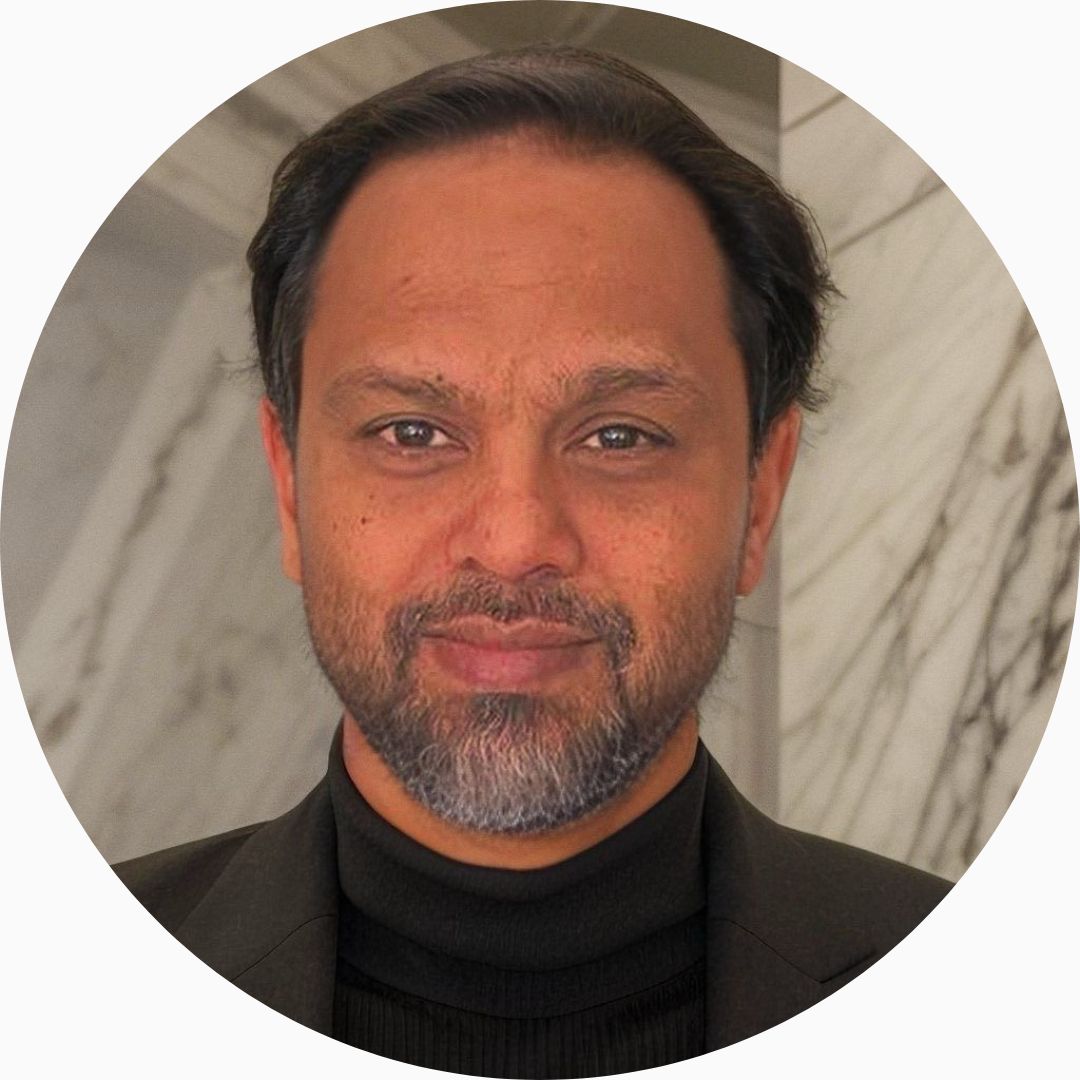
Dr. Vikesh Rajpaul
GuestGeneral Manager, Just Energy Transition at Eskom Holdings SOC Ltd.
Hosts