
India increasingly faces a peculiar paradox: surplus electricity during the afternoon, when solar generation is at its peak, and shortages during the evening, when demand rises and solar generation falls. Bridging this gap will require much more than adding renewable energy capacity. It requires rethinking how India generates, stores and delivers electricity.
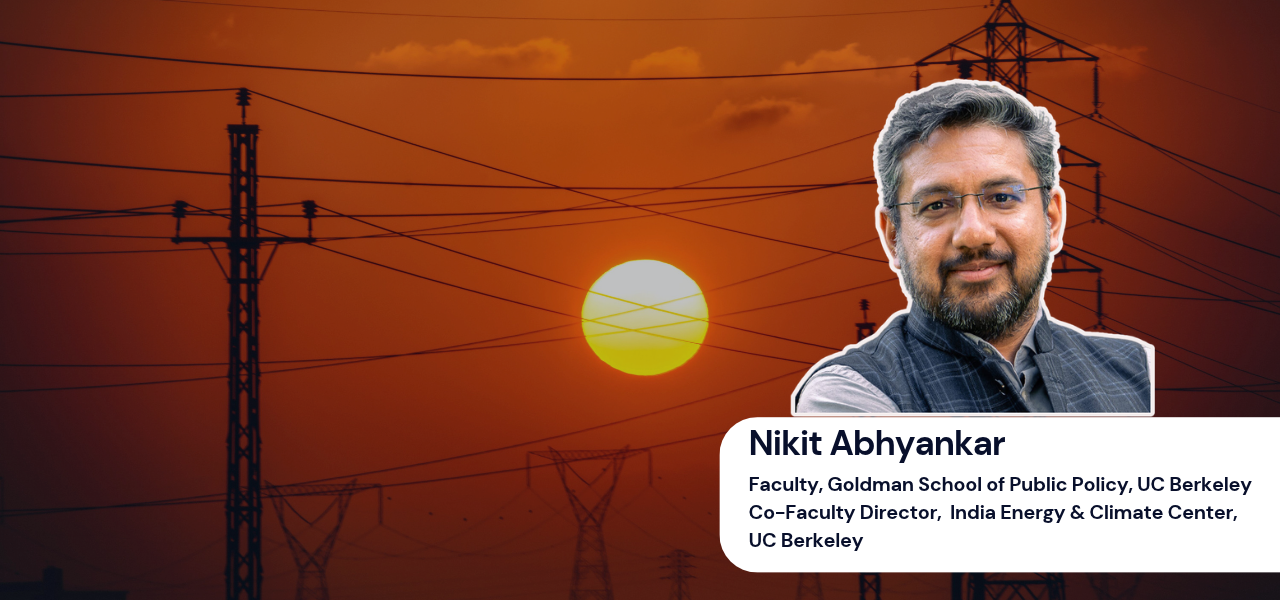
To discuss these shifts and their implications we’re joined by Dr. Nikit Abhyankar, Faculty at the Goldman School of Public Policy, University of California, Berkeley. He is also the co-faculty director at the India Energy and Climate Center at UC Berkeley, where his work focuses on energy systems, electricity markets, clean energy transitions and energy policy.
The discussion explores how renewable energy growth is reshaping India’s electricity grid and why storage and demand flexibility are becoming increasingly important. It also examines the economics of thermal mimic auctions and whether India’s clean energy innovations could offer lessons for other emerging economies.
Listen to the episode with full transcript here in English
[Podcast intro]
Welcome to The India Energy Hour, where we explore the biggest questions shaping energy transitions, climate action, and sustainable development in India and beyond.
Your hosts for this episode are Shreya Jai, a Delhi-based energy writer, and Dr. Sandeep Pai, an energy transition researcher and author
This podcast is created by 101Reporters, a pan-India network of grassroots reporters, and produced by the World Energy and Development Society (WEDS), a research and knowledge platform working on energy transitions and sustainable development.
If you enjoy The India Energy Hour, please like, subscribe, and follow us on YouTube, and rate us on Spotify, Apple Podcasts, Amazon Music, or wherever you listen to podcasts.
India increasingly faces a peculiar paradox: surplus electricity during the afternoon, when solar generation is at its peak, and shortages during the evening, when demand rises and solar generation falls. Bridging this gap will require much more than adding renewable energy capacity. It requires rethinking how India generates, stores and delivers electricity.
To discuss these shifts and their implications we’re joined by Dr. Nikit Abhyankar, Faculty at the Goldman School of Public Policy, University of California, Berkeley, and Scientist at Lawrence Berkeley National Laboratory. He is also the co-faculty director at the India Energy and Climate Center at UC Berkeley, where his work focuses on energy systems, electricity markets, clean energy transitions and energy policy.
The discussion explores how renewable energy growth is reshaping India’s electricity grid and why storage and demand flexibility are becoming increasingly important. It also examines the economics of thermal mimic auctions and whether India’s clean energy innovations could offer lessons for other emerging economies.
[Podcast interview]
[Podcast outro]
Thank you for listening to The India Energy Hour! Subscribe to this channel to never miss an update. To drop us a feedback, visit our website or write to us at [email protected]
We are on Twitter. You can follow @tieh_podcast and get in touch with the two hosts @shreya_jai and @sandeeppai
Thank you for tuning in. Join us again for our next episode.
[end]
Listen to the episode with full transcript here in Hindi
Guests
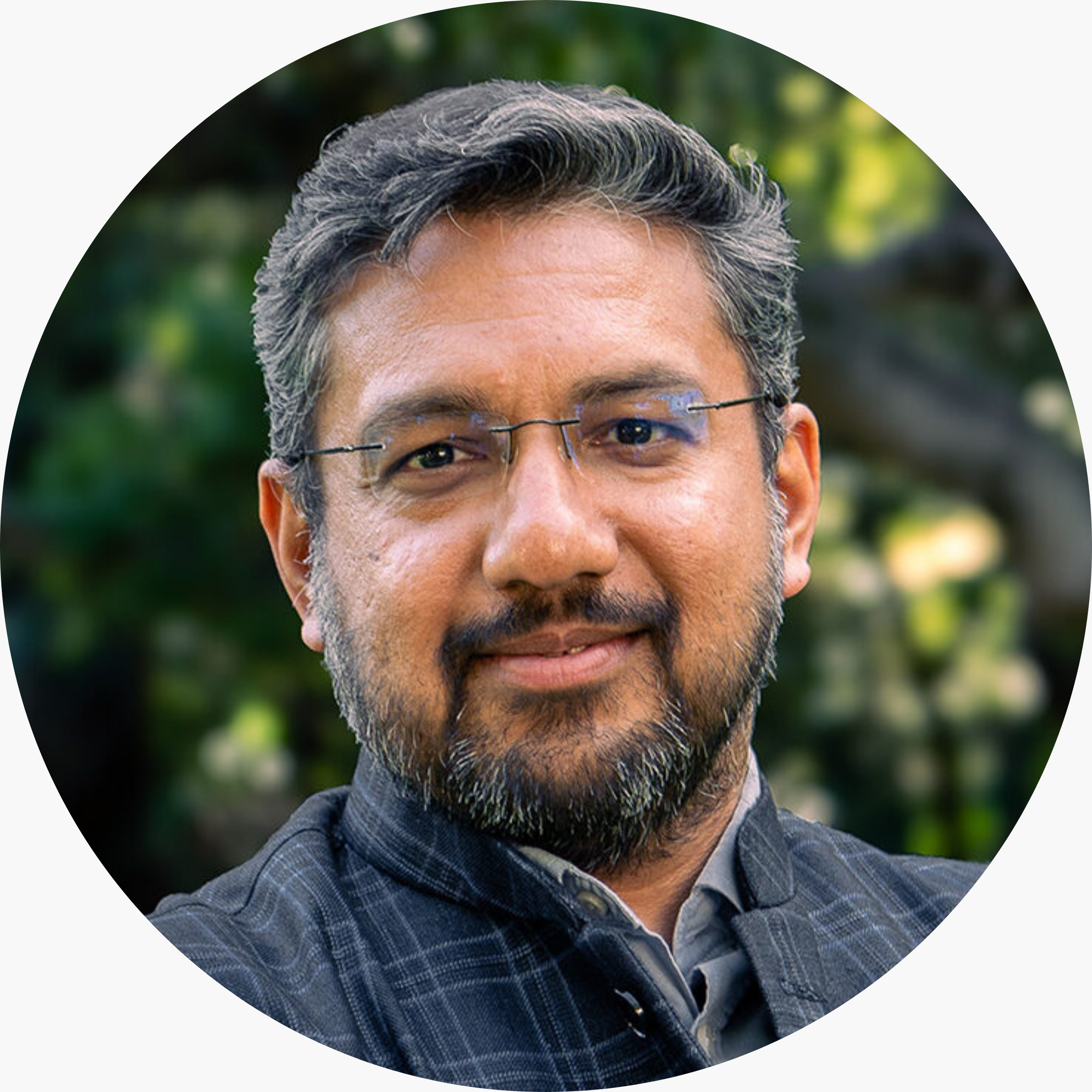
Nikit Abhyankar
GuestFaculty, Goldman School of Public Policy, UC Berkeley Co-faculty director, India Energy and Climate Center, UC Berkeley
Hosts