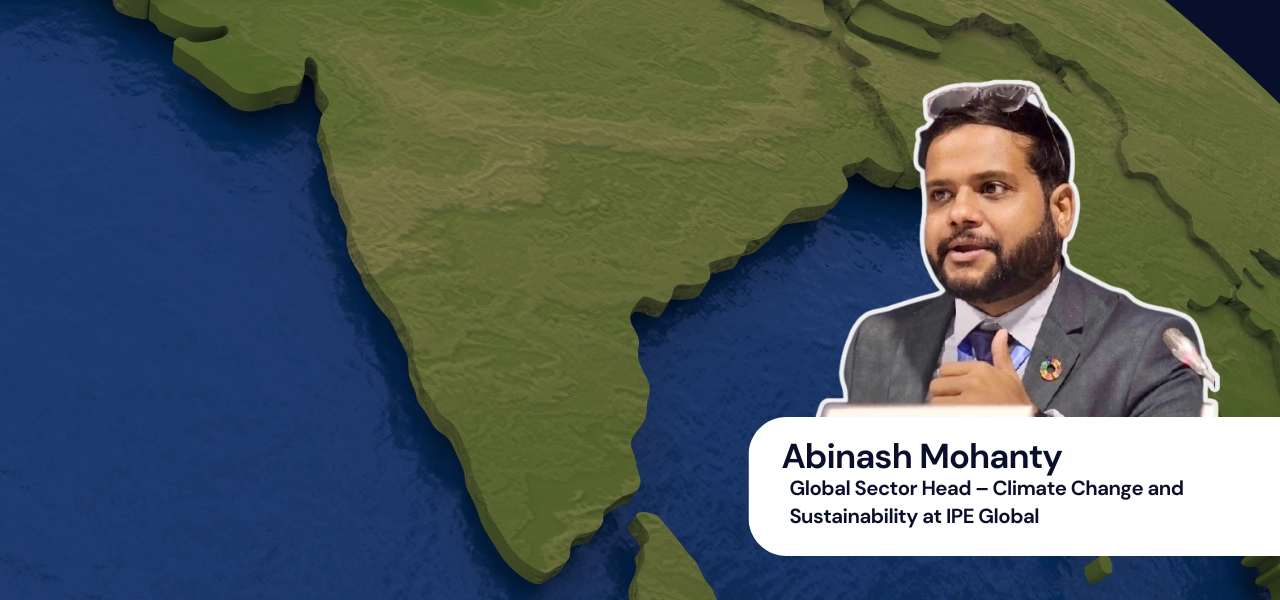

As climate risks intensify across India, state governments are emerging as critical drivers of climate action, adaptation, and energy transition. In this episode of The India Energy Hour, we explore how states can plan, finance, and implement climate action on the ground. While several state-specific models are in the works, New Delhi–based IPE Global recently unveiled a one-stop Climate Readiness Index for states. This index, which relies on tech-based tools and modelling, aims to provide authoritative guidance to states for building their climate action plans.
In this episode, we speak with Abinash Mohanty, Global Sector Head – Climate Change and Sustainability at IPE Global, to understand why such an index is needed, which states face the most urgent risks, and how sub-national plans shape India’s net-zero pathway. Mohanty has nearly two decades of experience working across government, development finance, and policy research.
Listen to the episode with full transcript here in English
[Podcast intro]
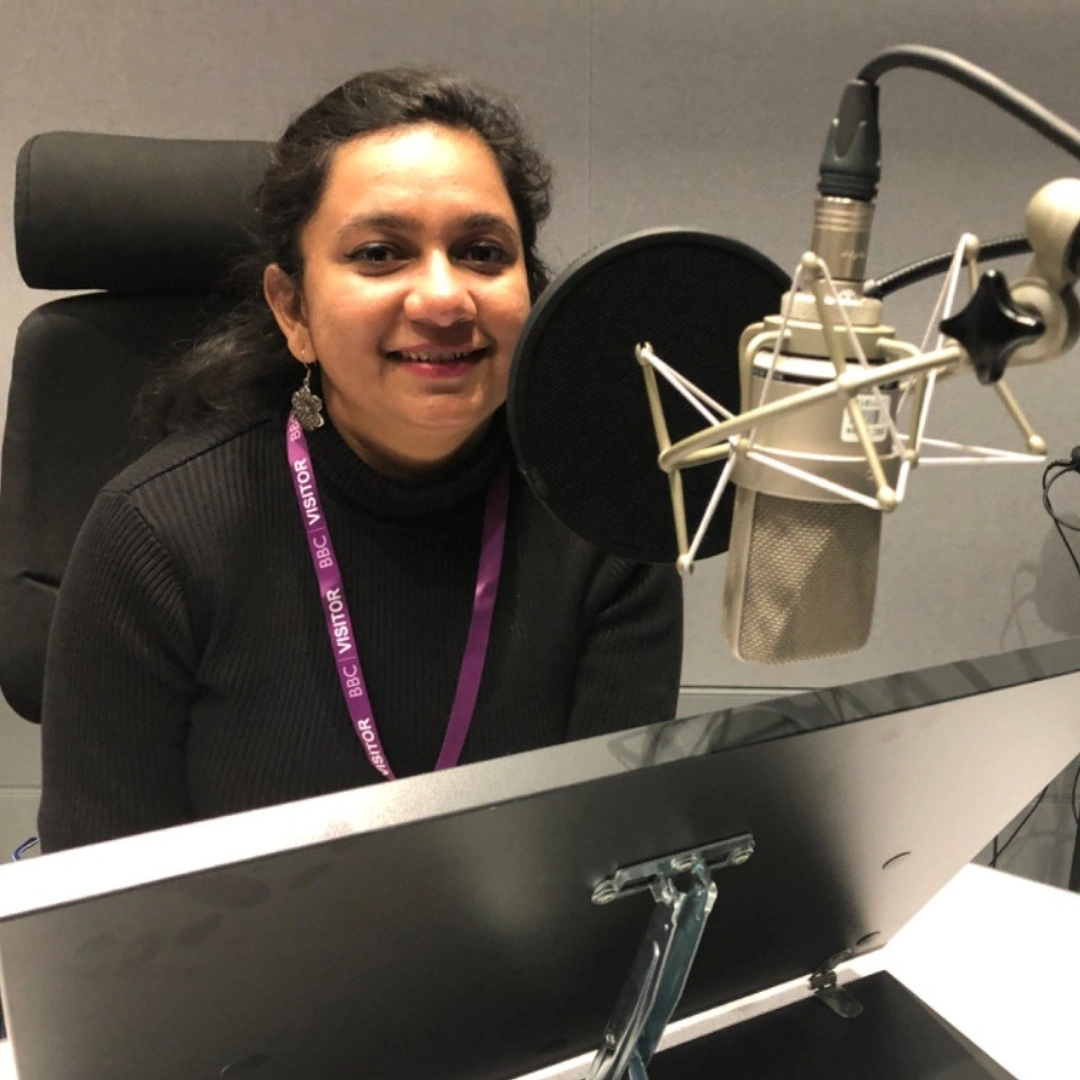
Welcome to the season five of the India Energy Hour podcast. This podcast explores the most pressing hurdles and promising opportunities of India energy transition through an in depth discussion on policies, financial markets, social movements and science. Your hosts for this episode are Shreya Jai, Delhi based energy and climate journalist and Dr. Sandeep Pai, energy transition researcher and author. The show is produced by 101 reporters, a pan India network of grassroots reporters that produces original stories from rural India. If you like our podcast, please rate us on Spotify, Apple Podcasts or the platform where you listen to our podcast. Your support will help us reach a larger audience.
As climate risks intensify across India, state governments are emerging as critical drivers of climate action, adaptation, and energy transition. In this episode of The India Energy Hour, we explore how states can plan, finance, and implement climate action on the ground. While several state-specific models are in the works, New Delhi–based IPE Global recently unveiled a one-stop Climate Readiness Index for states. This index, which relies on tech-based tools and modelling, aims to provide authoritative guidance to states for building their climate action plans.
In this episode, we speak with Abinash Mohanty, Global Sector Head – Climate Change and Sustainability at IPE Global, to understand why such an index is needed, which states face the most urgent risks, and how sub-national plans shape India’s net-zero pathway. Mohanty has nearly two decades of experience working across government, development finance, and policy research.
[Podcast interview]
Shreya Jai: Hello and welcome to the India Energy Hour, Abhanash. Thank you so much for joining us here today. We have been talking for a long now, reading your reports for several years, looking at some fantastic work that you are doing in this phase of energy transition, and also now climate action. Your role is very varied at IPE Global. So, very glad that you could join us here today and talk about some of the fantastic work that you are doing.
Abinash Mohanty: Thank you, Shreya. And yes, The India Energy Hour is a podcast that I have been referring to for a quite long time now. So, glad to be here. Thank you.
Shreya Jai: Very happy to know that. And thank you so much. It is guests like you who make this podcast what it is. So, thanks again for joining us here. And let’s just begin, delve into the conversation. We have a very interesting conversation lined up. We’ll be talking about some very interesting tool that you have designed here at IPE Global along with your colleagues. But before we do that, I want our audience to know a bit about yourself. You know, where are you from? What did you study? And, you know, did you choose to enter into the space of climate and energy or did it happen accidentally? Just tell us about your professional journey, please.
Abinash Mohanty: Awesome. Well, that’s going to take an hour and an episode of India Energy Hour if I start speaking about my thirst with climate action, especially with India and its energy, especially India and its climate actions. I’m a trend engineer. I am. I hail from Odisha, especially, and from Bhubaneshwar. My other trend engineer, I have been working in this space. As any engineer works in, they never know until they finish up their engineering what they have to do in their life. Right. So by the time I completed my engineering, I got the opportunity to kind of work through my professional journey on the affordable housing policy of India. I was one of the advisors with the Ministry of Housing, Urban Development and Poverty Elevation. And that’s where my taste with the environment and climate change came in. Because affordable housing was a very new thing that was picking up. This is almost 18-20 years back, 17-18 years back when all of these work started. And for two years, there was an affordable housing pilot scheme that had to be implemented because everyone was talking affordable housing as a charity that has to be done. It’s not a profit making. And we were the class who were advocating that we need to have a profitable model. Then only the tier two, tier three cities can actually come in in terms of affordable housing and the kind of horizontal and vertical growth. Urban sprawling is happening. We need to have that. And that’s where the case study come in. There was a loan which was approved by the National Housing Bank. And unfortunately, that loan couldn’t be dispersed because National Housing Bank never had a chairman. And then the political game changed. But by the time this whole journey went out, I was like, and we were advocating for clean green technologies within the National Affordable Housing Policy in that time. And that this pushed me to have some sort of an official degree around environment, ecology, climate change, so on and so forth. That’s where I started my thesis and my journey. And I went for a master’s, master’s in research in ecology and environment studies. It was a very fancy master’s degree because, master’s in research degree, because it went across to have each semester in different countries. And that gave me a toteside view of how climate change and environment is more about that. And accidentally, I started doing climate modeling because I wanted to learn modeling. And by the time I started learning about climate modeling, there was less which was been spoken about attributional sciences. So I got into the attributional sciences, my new passion. I picked it up. That’s where the story began in terms of understanding if there is a climate change happening, how is going to impact you, Shreya, me, my parents, my communities, my country, my states, my district, my villages, so on and so forth. And that’s where the sectoral came in. And now our thesis at IP Global, so professional story I have been panning across. I have been part of many institutions being created in India. And that’s where I came back to India and have been working around this space. So that’s how the journey has been. I won’t say it has been an easy journey. But yes, this journey has been a very, very sporadic, has been very thrillful. And more importantly, the journey where India is shaping the global narrative. Glad that we are able to contribute and make all of us the Global South’s voice.
Shreya Jai: Well, that’s great to know. And somehow your journey has been in sync with some of the stuff that is happening at the national level in the areas that you function. And your areas are pretty varied. So, you know, at IP Global currently, what exactly are some of the themes that you’re currently working on, which you think are of utmost importance or should be talked about more in this whole space?
Abinash Mohanty: At IP Global, we are working across 13 countries. We have got offices across them, 27-year-old organization. And within that 27-year-old organization, climate change sustainability is one of the very younger practices, I would say. It’s like I keep having fun about it. It’s the start of story in a 27-year-old organization. That’s where I started establishing this global practice on climate change and sustainability. We are working in a layman’s term. We are working on three major thematic issues. One is on climate risk and adaptation, where we are trying to understand how the attributional climate risk can actually shape the narrative for becoming climate proofing into the, or bringing climate proof agenda into the mainstream. Whether it is climate proofing of lives, whether it is climate proofing of livelihood, economy-based infrastructure, so on, so forth. That’s one part. And as part of that, we, I mean, a lot of work has been done in terms of publishing good reports in my past assignments. But my idea was, if we are publishing these reports, where does it end into? Is there any action coming in? And that question kind of made me very disturbed. And my journey started in IP in terms of shaping these reports into tools. And those tools which are people-centric, tools which are decision-maker-centric, tools that can tell the story more importantly by themselves. You don’t need experts. You don’t need climate journalists. You don’t need climate communicators to tell you what is the narrative. Because that’s where the this between climate science and the public policy need to be bridged. That bridging was the core mantra in terms of establishing. So I started in terms of conceptualizing climate risk observatory as one of the first of its kind tool. And while at IPE Global and with my colleagues, we had the capacity to model all of them. But if you want to really visualize them into a hyper-granular level, you need a lot of data and information. And if I start churning those data and information, probably you need a lot of money in terms of doing that. And second, you need a lot of time. And that’s where we partnered with ESRI. ESRI has been the global leader in geospatial technologies. And we used a partnership. And great to have that partnership because web demodeling, the assessment, and everything come down from us. They have been great partners on board to tell that story more in form of maps, in terms of visualization. And that’s where the user cases came in. Now, once this tool was developed, what do we do with this tool? We need to test them. So we tried testing it by developing the first of its kind, or rather the first multi-hazard risk catalyst in the city of Mumbai. And that multi-hazard risk catalyst is now getting integrated into the command and control center of BMC. Because Mumbai is the financial capital. Nobody can deny what all climate risks are kind of hanging around Mumbai. And what implications is it going to be? And that’s where the whole concept of hyper-granular climate vulnerability and risk assessment translating into action from a disaster response. And more importantly, from a kind of real action at the community level is going to happen started with that. Now, everybody asked us that question. Okay, Mumbai had a lot of data because of the financial capital. But does your tool work in a place where you don’t have a lot of data? That’s where we scaled this work into Ghana, where you literally don’t have data and information. And you have to rely on satellite images, proxy data as information, a lot of hyper-granular modeling in terms of combining models together to make that story in developing the urban risk observatory in Ghana. And then the question came in, if this is working for all of these hazards, is it going to be more hazard centric? And that’s where Patna model heat action plan, Nagaland for departmental disaster management plans, so on, so forth are the line of work that we have been doing. And then comes the second part about the famous, infamous low carbon pathways. A lot has been spoken about low carbon pathways. A lot of modeling has happened to navigate that India has to become net zero by 2070. But the real action for net zero begins at states and further at those districts and cities. Now, how do you bring those high fund up modeling into state and decision making on the net zero? That’s where we said this cannot be a climate question. This has to be a public policy question. That’s where we broke the low carbon pathway or India’s net zero running into three pillars, system, technology and finance. And that gave kind of birth to climate readiness index. And the hypothesis is very plain and simple. If India has to become net zero by 2070, then it’s stopped and emitting states need to be systemically ready, financially ready, sorry, technologically ready and hence financially ready. All of these states need not need to be systemically ready or rather they are not. Then you just focus on systems, getting the house into order. Then some of these states like Gujarat, Andhra Pradesh, some of these states who are very good with their policies and action plans, they might not have the right technology to be brought in or they might need some innovative finance. So that’s where the segregation made the whole journey of 2070 being calibrated into a state agenda. And, yeah, that’s how the tool that we launched on Climate Readiness Index is actually part of the larger climate readiness of top 10 emitting states, more from a system, technology and finance point of view.
Shreya Jai: Thank you for the broad overview. And as you were mentioning that, you know, it’s better to set an example than someone tell you what to do. And I think tools such as these are very important when you want to tell a story, as you mentioned. And I believe that climate journalists and climate communicators, as you mentioned, can tell a better story, can provide better solutions with the help of such tools. On that note, let’s let’s start with the story of this Climate Readiness Index. If you were to tell me what is the story that CRI, the Climate Readiness Index, wants to tell for some of these India’s most polluting or most highly emitting states, then what would it be? And then let’s go into the solutions that it is trying to provide. But let’s just first understand, you know, you did tell us how what to its birth, but what are you trying to aim with it? And what kind of, you know, tools or, you know, power that you’re providing to the states with this particular index?
Abinash Mohanty: The story of climate action always has been pessimistic. So Climate Readiness Index is one of those bright poll stars, I would say, which says that one way of looking at these states is what you rightly said, polluting or emitting. But they are polluting or emitting because they have got a developmental trajectory attached to them, their growth narrative. And if states are thriving, because states need to thrive, if India has to thrive, India has to become that five trillion economy, it needs to address the trinity of jobs, growth and sustainability. All of those fancy taglines that we have been using within the domain needs to be done. Now, in order to do that, what’s more important is the states are trying to push their population, their sectors, primary, secondary and tertiary sectors to live frog. Now, if you are live frogging, there would be carbon emissions which should be happening. What you rightly said about the states that these are the top 10 emitting states. But CRI looks at the whole climate action and the low carbon transition more from a positive lens. And the positive narrative is the top 10 emitting states are also the biggest contributor to India’s growth story. Now, if the states are striving forward, leapfrogging in terms of creating the developmental agenda for the nation, that is where it is also becoming carbon intensive. Now, in order to not withheld the larger growth narrative, how these states can actually plan their primary, secondary and tertiary sectors to be largely decarbonized, number one. And once they are decarbonized, are they going to address the question of how many jobs are going to be created? Or rather, how many green jobs are going to be created? What is the growth narrative that has been filled in? And third and most important is, what is the sustainability quotient are we trying to address through some of these questions? That’s what CRI tells you, that while you are planning your developmental and growth trajectories, it is important to understand that states can also plan low carbon transitions, which is affordable, accessible and available. And when I say available, accessible and affordable, I mean it for all the three pillars of Climate Readiness Index, that is systems, systems, policies, are they available? Or schemes or action plans, are they available? If they are available, are they accessible for the larger decarbonization trajectories? And more importantly, is this policy an affordable one? Or are we relying on tons and debt money, which is going to come down from bilateral, multilateral banks or from various countries? Is it Atmanirvara in that real case? Now, second is, whatever are the technologies, because a lot has been debated and we are just in the closing times of COP30, which is very important to understand that India’s larger narrative in the last 10 years has been about making India Atmanirvara. Now, if India is Atmanirvara, we can’t rely on the technology which is coming down from the global north. That’s a global south story where India has to pave with its huge startup ecosystem to be addressing the larger decarbonizing issues in order to answer what is the right kind of technology. Now, third and most important is, if all of these pillars are to be looked in, do we have enough money? Is it only public money? Is it only private money? Or is it a blending of public, private plus philanthropic and the other kind of sources that are available in order to address this journey? Now, that’s where CRI tells you a powerful story of which states are systemically ready. And if some states are systemically ready, are they also technologically and financially ready? Or vice versa, or a combination of any one of them. So, it’s more about a combination that tells. And third is, in the climate domain, as we have discussed quite a lot of time, what do we bring onto the table and IP global and I am personally committed into the larger cause that all of these fancy models and outputs have been looking at a 2050-2100 scenario. What we really need to navigate is a 2-year, 5-year, 10-year timescale. Whether it is climate risk, whether it is the low-carbon transition, all of them need to be clubbed into that timeframe. Because at the end of the day, your government is made for 5 years. So, your tools, climate science, need to address to that 2-year, 5-year, 10-year timescale rather than taking it forward into a 50-year, 100-year timescale.
Shreya Jai: Very interesting to hear that climate science needs to be politically aligned as well. And you’ve just come from COP and we were talking about it, that how important it is that political mindset needs to align with climate science and actions and solutions that are on the ground. And I believe this index is trying to find that. Let me now talk a bit about actual infra-creation and what kind of projects would this index push. Financial viability is one thing. Technical prowess is another. The third, obviously, and most importantly would be, what kind of solutions would it actually provide or would suggest to states in India, which are very varied, each having their own different demands, each have their own different demography to cater with. And given the kind of aggressive economic growth that we are seeing in not just the traditional industrial states, but other states that are also coming on the fore. So what kind of plans or what kind of solutions does the index take into account when providing solutions on the infrastructure front?
Abinash Mohanty: It starts with energy. And it starts with energy infrastructure largely, because if India has to become net zero, and currently, as we speak, we are still dependent almost 50% around the power of capacity, which is non-fossil fuel. So fossil fuel dependency is still there, and nobody can deny it. Whatever we say, we still need fossil fuels to be there. Now, CRI tells you a powerful story in terms of if still 70, roughly around 70 to 74% of electricity is still being generated in India by fossil fuels, and roughly 30% is still being generated from the non-fossil fuel sources, then we need to step it up. And that’s where you, what we need is, can we make our solar energy the cheapest mode? We have traveled quite a long journey in terms of that, and our dependency on some of these foreign or neighboring or rather global, not technologies have been quite good. And there is a domestic push. That’s where the question comes down, that when there is a domestic push, PM Surya Ghar, Yojana, or some of these flagship initiatives are actually leading in terms of making non-fossil fuel energy A, available, B, accessible, and three, affordable. When I say affordable, I don’t mean by how much of affordability is going to come down for the energy from industry sector. Is it the domestic? Because India still relies on its domestic market. Now, there are famous trivial anecdotes. If you remember, when there are recessions coming down globally, India is always recession-proof because of its domestic market. And the same recession mantra actually goes down in terms of understanding that India’s energy trajectory need to be recession-proof, need to be independent, or Atmanirbhar in that way, where it becomes the cheapest mode. That’s point number one. Second is, what are the sectors are we looking at? We are sitting down in Delhi, coming from the lungs capital of the world, from the Amazon forest in Brazil, Belém, to Delhi, where your AQIs have been hitting all the, and breaking all the records, right? Then, comes down your sectors. Your sectors, like infrastructure building, housing sector, your transportation sector, all of these sectors, if they have to be decarbonized, you need affordable cheap flips happening. The day you have electric vehicles without subsidies, and yet they are affordable, that’s the day you have hit your Eureka moment in terms of the whole energy transition plan. Until then, if you are still dependent on some of the subsidies, incentives, then some way or the other, we are still having that push. So, there is a demand and supply mismatch. We are trying to create a demand, whereas, the supply isn’t there, or that demand is not naturally there. You need to make it free flow. And that’s where these are very important in terms of CRI to tell you that boss, and the second phase of CRI work is largely into these sectors. If the states have, whether they have become system, technology, and financially ready, then which are the primary, secondary, and tertiary sectors which are ready and to what extent they are ready. And that’s where the real game begins because you are going to bring in a lot of private sector to push in in terms of how much of climate tech can actually solve the India energy question, can solve the India energy poverty question, and third and more important is if the India energy question is completely aligned with the India’s development question, then we really need to make the energy sector Atmanirbhar.
Shreya Jai: Right. But this brings me to a very basic question, but I’ll pose that to you. You know, you explain how important subnational plants are in the whole scheme of things. But if you look at the history of subnational plants, be it across energy or heat action or air quality and variety of such issues, the needle has moved not much when states themselves have been active in this or have been told to be active. In a lot of sectors, especially energy, this country follows a federal structure and whatever growth is specifically in the clean energy segment has happened has, because of, you know, the plants and ambitions of the center which were, you know, imposed on states or states were asked to, you know, be part of it, etc. But there have been very few states and very, you know, few examples where states themselves have taken a lead in terms of drafting their own plans in terms of climate action and energy transition. So, do you think that this is how it should be or do you think that the time has come that states should be more proactive in their own plans?
Abinash Mohanty: Okay, let’s, before answering this question, I’ll take a step back. What has made the states not to do it? When, it’s not that the bureaucrats, the politicians sitting down at the subnational level don’t understand this. They very well understand. But is there a market viability question coming down onto it? And clearly, that market viability question is not there. Or rather, if I have to say, there are two ways of looking at it. First way of, we are still, there are states that we are talking about are still grappling with basic health infrastructure, education infrastructure or infrastructure health services, education services, so on, so forth, right? So, these existential questions have been still political mandate questions, which we are addressing, number one. Number two is, now state, how does a state functionary or a state functions, basically? They have got an elected government who has to deliver on some of the promises that have been made. If those promises, those developmental agendas have been in a different tangent, and the larger climate action has been in a different tangent, then both of them can’t combine together. Now, that’s where the problem has been. We have never tried looking at climate proofing our developmental tragedy, and that’s where we have missed the first. Second is, we have always thought of environment to be the villain or the big elephant in the room, because if they have to be environmentally sustainable, it comes with cost. And that cost will be either from some of your priority thematic budget heads. And that’s where the real problem comes in. The movement will start looking at if there is a temperature rise, hence there is an increase in vector bond business, hence there is an increase in your OPD and IPD cost of the health budget. That’s where the health sector, climate proofing of the health sector will start. Second is, now, let me also break this down. I have travelled across the length and breadth of India and some of the other Southeast Asian countries. I’ll draw two parallel analogies here. One is about Bihar. In Bihar state, if you travel more and more towards the interior parts where you don’t have sustained electricity, you will see even a chota kiriyane ki dukan or a grocery store to have a solar panel on top of it. That one bulb will be their existential light or electricity provider. Now, if you travel across Laos, if you travel across Cambodia, the same kind of parallels can be drawn where you see the only difference is in India, you find a lot of now the solar lanterns to be India-made. In Laos, Cambodia, you find their China-made. But, if you look at the cost of both of them as an alternative, you will still find both of them are almost at par. Rather, Indian solar lanterns are higher on cost than the Chinese. And that’s where the question comes in that if we do not have electricity. In India, we have cheap internets, but we don’t have cheap electricity still. and that’s where the question comes down that you need to address your developmental trajectories more from a climate lens rather than looking climate as a different sector. you really need to embed and blend climate actions into some of these larger developmental agendas and that will help us in terms of pushing it. And some of the states have begun doing it and have been doing very fast about this. Let me cite some of the examples from Orisha, my home state. Now, Orissa was the first state to update their state action plan on climate change, to have a state action plan on climate change financial budget. All of these shows the proactiveness in terms of where they are going forward in terms of mainstreaming climate action. And again, a lot of us within the climate domain, and you also started this discussion saying me that my work varies across adaptation, mitigation. It’s high time. We can’t be looking at adaptation from a different lens, mitigation from a different lens. Both of them need to go together. And that’s what is very, very important because again, the analogy from Orissa, they are most climate vulnerable, but they are the best disaster risk reduction or disaster management in terms of disaster management, they are the best. And in terms of climate action policies, they are also the best. Right? At least within the national framework of all of the mandates that are available now, Odissa has been doing that. Gujarat has been steering this conversation for a longer time. Andhra Pradesh has been steering this conversation for a longer time as well. Now comes question of Madhya Pradesh or Chhattisgarh, Jharkhand. These kind of states really are kind of taking very snail’s speed. Now there is a question about why they are taking a snail’s speed because all of these states have been fundamentally dependent on fossil fuel energy. Now this fossil fuel energy which is required for the developmental trajectory is required in terms of taking the conversation of the development trajectory. Can anyone deny that a state or a district or a village which do not have electricity can grow faster? No. Right? So energy security, energy from energy security to making energy really people-centric is the real developmental question. And if your energies are there, that also helps you building a lot of capabilities. I’ll cite another example from Bihar. In Bihar, if floods come down and you have got emergency operations going on in your hospitals, solars are going to come into your rescue. It’s not your grid lines coming down. Right? So that’s where your resilience index is also increasing if you have got a higher kind of renewable energy index or renewable energy adoption index, which is one of the sub-layer within the larger CRI, how much of adoptability, affordability is there within these states. So a real action comes down because all of us are pondering in terms of mainstreaming climate action. But climate action needs to be embedded, blended within the larger development. And these states which are doing it fastly are going faster. And that’s the number. And the states which are not doing it fastly are kind of need to, are kind of laggards in this whole conversation. And they need to step it up. And that’s the whole story. Probably by having this conversation with you, I could spark out two or three more research questions that our team should address now in terms of GDP, energy, resilience, and combining this whole framework. That’s the next thing we should start looking at.
Shreya Jai: Yes, definitely. And I’ll surely look forward to some of this work. And thank you for explaining this. It was definitely enlightening that you know how states need to come to fore. And we are seeing a lot of examples on how states are doing their own planning and they need to step up as you said. But thank you so much for talking with us on that. And let’s hope that a lot of your work goes into this sub-national approach because it is the need of the are. You know, states need investment. A state needs, you know, private money to come in. The states need better plans so that there is climate action so that they can plan for energy transition better. And these are not just minor states like Odisha, Chattisgarh. These are other states as well, UP, Bihar, everyone who is climate vulnerable at this point. Thank you so much for talking with us on this very important topic. And we look forward to what more you do on that area.
Abinash Mohanty: Thank you so much, Shreya. And looking forward to having more conversations about how the developmental trajectory coincides with the larger India energy question and more importantly, India’s resilience question. Resilient Atmanirbar India or Bharat is going to be an energy independent India as well. Or energy secure India.
Shreya Jai: Thank you. That’s a fantastic headline. But thank you again. Thank you so much and we’ll close the conversation.
[Podcast outro]
Thank you for listening to The India Energy Hour! Subscribe to this channel to never miss an update. To drop us a feedback, visit our website or write to us at [email protected]
We are on Twitter. You can follow @tieh_podcast and get in touch with 2 hosts @shreya_jai and @sandeeppaii
[end]
Listen to the episode with full transcript here in Hindi
अतिथि: अबिनाश मोहंती, आईपीई ग्लोबल में जलवायु परिवर्तन और सततता के लिए वैश्विक क्षेत्र प्रमुख
मेजबान:श्रेया जय
प्रोड्यूसर:101 रिपोर्टर्स, जो ग्रामीण भारत से मौलिक कहानियां तैयार करने वाला एक अखिल भारतीय नेटवर्क है।
पॉडकास्ट परिचय]
इंडिया एनर्जी आवर पॉडकास्ट के पांचवें सीजन में आपका स्वागत है। यह पॉडकास्ट नीतियों, वित्तीय बाजारों, सामाजिक आंदोलनों और विज्ञान पर गहन चर्चा के माध्यम से भारत में ऊर्जा परिवर्तन की सबसे बड़ी बाधाओं और आशाजनक अवसरों का पता लगाता है। इस एपिसोड के लिए आपके होस्ट दिल्ली स्थित ऊर्जा और जलवायु पत्रकार श्रेया जय और वाशिंगटन स्थित ऊर्जा परिवर्तन शोधकर्ता और लेखक डॉ. संदीप पाई हैं। इस शो को 101 रिपोर्टर्स द्वारा प्रोड्यूस किया गया है। जो ग्रामीण भारत से मौलिक कहानियां तैयार करने वाला एक अखिल भारतीय नेटवर्क है।अगर आपको हमारा पॉडकास्ट पसंद आया तो कृपया हमें Spotify, Apple Podcasts या उस प्लेटफार्म पर रेट करें जहाँ आप हमारा पॉडकास्ट सुनते हैं। आपका समर्थन हमें अधिक से अधिक दर्शकों तक पहुँचने में मदद करेगा।
भारत में जलवायु परिवर्तन के बढ़ते खतरों के बीच राज्य सरकारें जलवायु परिवर्तन से निपटने, अनुकूलन और ऊर्जा परिवर्तन में महत्वपूर्ण भूमिका निभा रही हैं। इंडिया एनर्जी आवर के इस एपिसोड में हम जानेंगे कि राज्य सरकार जमीनी स्तर पर जलवायु परिवर्तन से संबंधित कार्यों की योजना, वित्तपोषण और कार्यान्वयन कैसे कर सकती हैं। कई राज्य-विशिष्ट मॉडल विकसित किए जा रहे हैं। वहीं नई दिल्ली स्थित आईपीई ग्लोबल ने हाल ही में राज्यों के लिए एक व्यापक जलवायु तत्परता सूचकांक (क्लाइमेट रेडीनेस इंडेक्स) का अनावरण किया है। तकनीकी उपकरणों और मॉडल पर आधारित इस सूचकांक का उद्देश्य राज्यों को उनकी जलवायु कार्य योजनाओं के निर्माण के लिए आधिकारिक मार्गदर्शन प्रदान करना है।इस एपिसोड में हमने आईपीई ग्लोबल में जलवायु परिवर्तन और स्थिरता के वैश्विक क्षेत्र प्रमुख अबिनाश मोहंती से बात की है।जिससे यह समझ सकें कि ऐसे सूचकांक की आवश्यकता क्यों है। किन राज्यों को सबसे अधिक गंभीर जोखिमों का सामना करना पड़ रहा है। उप-राष्ट्रीय योजनाएं भारत के नेट-ज़ीरो लक्ष्य की राह को कैसे आकार देते हैं। मोहंती को सरकार विकास वित्त और नीति अनुसंधान के क्षेत्र में लगभग दो दशकों का अनुभव है।
[पॉडकास्ट साक्षात्कार]
श्रेया जय: नमस्कार अबिनाश जी और इंडिया एनर्जी आवर में आपका स्वागत है। आज हमारे साथ जुड़ने के लिए आपका बहुत-बहुत धन्यवाद। हम काफी समय से आपसे बात कर रहे हैं। कई वर्षों से आपकी रिपोर्ट पढ़ रहे हैं और ऊर्जा परिवर्तन के इस चरण में और साथ ही जलवायु परिवर्तन के क्षेत्र में आपके शानदार कार्यों को देख रहे हैं। आईपीई ग्लोबल में आपकी भूमिका बहुत विविध है। इसलिए हमें बहुत खुशी है कि आज आप हमारे साथ जुड़कर अपने कुछ बेहतरीन कार्यों के बारे में बात कर रहे हैं।
अबिनाश मोहंती: धन्यवाद श्रेया जी। हाँ इंडिया एनर्जी आवर एक पॉडकास्ट है जिसे मैं काफी समय से सुन रहा हूँ। इसलिए यहाँ आकर बहुत खुशी हुई।आपका धन्यवाद।
श्रेया जय: यह जानकर बहुत खुशी हुई। आपका बहुत-बहुत धन्यवाद। आप जैसे अतिथियों की वजह से ही यह पॉडकास्ट इतना खास है। तो हमारे साथ जुड़ने के लिए एक बार फिर धन्यवाद। चलिए शुरू करते हैं। बातचीत में गहराई से उतरते हैं। हमारे पास एक बहुत ही रोचक बातचीत है। हम IPE Global में आपके और आपके सहयोगियों द्वारा डिज़ाइन किए गए एक बहुत ही दिलचस्प टूल के बारे में बात करेंगे। लेकिन इससे पहले मैं चाहती हूं कि हमारे श्रोता आपके बारे में थोड़ा जान लें। आप कहां से हैं? आपने क्या पढ़ाई की है? और क्या आपने जलवायु और ऊर्जा के क्षेत्र में आने का चुनाव किया था या यह संयोगवश हुआ? कृपया हमें अपने पेशेवर सफर के बारे में बताएं।
अबिनाश मोहंती: अगर मैं जलवायु परिवर्तन, खासकर भारत और उसकी ऊर्जा और जलवायु परिवर्तन से जुड़ी गतिविधियों के प्रति अपनी रुचि के बारे में बात करना शुरू करूँ। तो इसमें एक घंटा और इंडिया एनर्जी आवर का एक एपिसोड लग जाएगा। मैं एक ट्रेंड इंजीनियर हूँ। मैं ओडिशा से हूँ, खासकर भुवनेश्वर से। मैं इस क्षेत्र में काम कर रहा हूँ। जैसा कि हर इंजीनियर को अपनी इंजीनियरिंग की पढ़ाई पूरी करने तक पता नहीं होता कि उन्हें आगे क्या करना है।तो जब मैंने अपनी इंजीनियरिंग पूरी की तब मुझे भारत की किफायती आवास नीति पर काम करने का मौका मिला। मैं आवास, शहरी विकास और गरीबी उन्मूलन मंत्रालय में सलाहकारों में से एक था। और यहीं से पर्यावरण और जलवायु परिवर्तन के प्रति मेरी रुचि जागी। क्योंकि किफायती आवास एक नया मुद्दा था जो जोर पकड़ रहा था। यह लगभग 18-20 साल पहले की बात है। 17-18 साल पहले जब यह सारा काम शुरू हुआ था। दो साल तक किफायती आवास की एक पायलट योजना लागू करनी पड़ी क्योंकि हर कोई किफायती आवास को एक दान के रूप में देख रहा था। जिसे करना ही है। यह कोई लाभ कमाने का ज़रिया नहीं है। और हम वो वर्ग थे जो इस बात की वकालत कर रहे थे कि हमें एक लाभदायक मॉडल की ज़रूरत है। तभी दूसरे और तीसरे दर्जे के शहर किफायती आवास और क्षैतिज एवं ऊर्ध्वाधर विकास के मामले में आगे आ सकते हैं। शहरी फैलाव हो रहा है। हमें इसकी ज़रूरत है। और यहीं से केस स्टडी की शुरुआत होती है। नेशनल हाउसिंग बैंक द्वारा एक ऋण स्वीकृत किया गया था। दुर्भाग्य से वह ऋण वितरित नहीं किया जा सका क्योंकि नेशनल हाउसिंग बैंक का कोई अध्यक्ष नहीं था। और फिर राजनीतिक खेल बदल गया। लेकिन जब तक यह पूरी कहानी सामने आई तब तक हम राष्ट्रीय किफायती आवास नीति के अंतर्गत स्वच्छ हरित प्रौद्योगिकियों की वकालत कर रहे थे। इसी ने मुझे पर्यावरण पारिस्थितिकी, जलवायु परिवर्तन आदि विषयों में एक औपचारिक डिग्री हासिल करने के लिए प्रेरित किया। यहीं से मेरी थीसिस और मेरी यात्रा शुरू हुई। मैंने पारिस्थितिकी और पर्यावरण अध्ययन में शोध में स्नातकोत्तर की उपाधि प्राप्त की। यह एक बहुत ही प्रतिष्ठित स्नातकोत्तर डिग्री थी क्योंकि शोध में स्नातकोत्तर होने के कारण प्रत्येक सेमेस्टर अलग-अलग देशों में आयोजित किया गया था। इससे मुझे जलवायु परिवर्तन और पर्यावरण के बारे में व्यापक जानकारी मिली। संयोगवश मैंने जलवायु मॉडलिंग शुरू कर दी क्योंकि मैं मॉडलिंग सीखना चाहती थी। और जब मैंने जलवायु मॉडलिंग सीखना शुरू किया। तब तक एट्रीब्यूशन साइंसेज के बारे में कम ही चर्चा होती थी। इसलिए एट्रीब्यूशनल साइंसेज मेरा नया जुनून बन गया। मैंने इसे अपना लिया। यहीं से यह समझने की कहानी शुरू हुई कि यदि जलवायु परिवर्तन हो रहा है। तो इसका आप पर श्रेया पर मुझ पर मेरे माता-पिता पर, मेरे समुदायों पर, मेरे देश पर, मेरे राज्यों पर, मेरे जिलों पर, मेरे गांवों पर आदि पर क्या प्रभाव पड़ेगा। यहीं से क्षेत्रीय पहलू सामने आया। अब आईपी ग्लोबल में हमारी थीसिस तो मेरा पेशेवर सफर कई क्षेत्रों में फैला हुआ है। मैं भारत में स्थापित हो रहे कई संस्थानों का हिस्सा रहा हूं। और यहीं से मैं भारत वापस आया और तब से इसी क्षेत्र में काम कर रहा हूँ। तो इस तरह से मेरा सफर रहा है। मैं यह नहीं कहूँगा कि यह आसान सफर रहा है। लेकिन हाँ, यह सफर बहुत ही उतार-चढ़ाव भरा और रोमांचकारी रहा है। और सबसे महत्वपूर्ण बात यह है कि यह वह सफर है जिसमें भारत वैश्विक परिदृश्य को आकार दे रहा है। मुझे खुशी है कि हम योगदान दे पा रहे हैं और हम सभी मिलकर ग्लोबल साउथ की आवाज़ बन पा रहे हैं।
श्रेया जय: यह जानकर बहुत अच्छा लगा। और किसी तरह आपकी यात्रा राष्ट्रीय स्तर पर आपके कार्यक्षेत्रों में हो रही कुछ घटनाओं से मेल खाती है। आपके कार्यक्षेत्र काफी विविध हैं। तो आईपी ग्लोबल में आप वर्तमान में किन विषयों पर काम कर रहे हैं। जो आपके अनुसार अत्यंत महत्वपूर्ण हैं या जिन पर इस पूरे क्षेत्र में और अधिक चर्चा होनी चाहिए?
अबिनाश मोहंती: आईपी ग्लोबल में हम 13 देशों में काम कर रहे हैं। हमारे इन देशों में कार्यालय हैं। यह 27 साल पुरानी संस्था है। इस 27 साल पुरानी संस्था में जलवायु परिवर्तन स्थिरता सबसे नए क्षेत्रों में से एक है। मैं कहूंगा मुझे इसमें हमेशा मजा आता है। यह 27 साल पुरानी संस्था की कहानी की शुरुआत है। यहीं से मैंने जलवायु परिवर्तन और स्थिरता पर इस वैश्विक कार्य को स्थापित करना शुरू किया। सरल शब्दों में कहें तो हम तीन प्रमुख विषयगत मुद्दों पर काम कर रहे हैं। पहला है जलवायु जोखिम और अनुकूलन जहां हम यह समझने की कोशिश कर रहे हैं कि किस प्रकार जलवायु जोखिम जलवायु-प्रूफिंग को मुख्यधारा में लाने के लिए आधार बन सकता है। चाहे वह जीवन की जलवायु-प्रूफिंग हो। आजीविका की जलवायु-प्रूफिंग हो अर्थव्यवस्था-आधारित बुनियादी ढांचे की जलवायु-प्रूफिंग हो इत्यादि। यह एक हिस्सा है। इसके अंतर्गत मैंने अपने पिछले कार्यों में अच्छी रिपोर्ट प्रकाशित करने के संदर्भ में बहुत काम किया है। लेकिन मेरा विचार था कि अगर हम ये रिपोर्ट प्रकाशित कर रहे हैं तो इसका अंत कहाँ होगा? क्या कोई कार्रवाई होगी? इस सवाल ने मुझे काफी परेशान कर दिया। और आईपी में मेरी यात्रा इन रिपोर्टों को उपयोगी उपकरणों में बदलने से शुरू हुई। ये उपकरण जन-केंद्रित हैं।निर्णय लेने वालों के लिए हैं और महत्वपूर्ण रूप से ये स्वयं ही कहानी बयां कर सकते हैं। आपको विशेषज्ञों की जरूरत नहीं है। आपको जलवायु पत्रकारों की जरूरत नहीं है। आपको जलवायु विचारों की जरूरत नहीं है जो आपको बताएं कि असलियत क्या है। क्योंकि जलवायु विज्ञान और सार्वजनिक नीति के बीच की खाई को पाटने की ज़रूरत है। इसलिए मैंने जलवायु जोखिम वेधशाला को अपनी तरह के पहले उपकरणों में से एक के रूप में विकसित करने से शुरुआत की। आईपीई ग्लोबल में और अपने सहयोगियों के साथ हमारे पास उन सभी को मॉडल करने की क्षमता थी। लेकिन अगर आप उन्हें वास्तव में अति-विस्तृत स्तर पर देखना चाहते हैं। तो आपको बहुत सारे डेटा और जानकारी की आवश्यकता होती है।अगर मैं उस डेटा और जानकारी को संसाधित करना शुरू कर दूं। तो शायद इसके लिए आपको बहुत अधिक धन की आवश्यकता होगी। दूसरा इसके लिए बहुत समय चाहिए। और यहीं पर हमने ESRI के साथ साझेदारी की। ESRI भू-स्थानिक प्रौद्योगिकियों में वैश्विक अग्रणी कंपनी रही है। हमने उनके साथ साझेदारी की। यह साझेदारी बहुत फायदेमंद साबित हुआ क्योंकि वेब मॉडलिंग, आकलन और बाकी सब कुछ हमारे द्वारा ही किया जाता है। मानचित्रों के रूप में, दृश्यीकरण के माध्यम से, इस कहानी को बेहतर ढंग से बताने में वे हमारे साथ एक बेहतरीन सहयोगी साबित हुए। और यहीं से उपयोगकर्ता मामलों की शुरुआत हुई। अब एक बार यह उपकरण विकसित हो जाने के बाद हम उसका क्या करें? हमें इसका परीक्षण करना होगा। इसलिए हमने मुंबई शहर में अपनी तरह का पहला या यूं कहें कि पहला बहु-खतरा जोखिम उत्प्रेरक विकसित करके इसका परीक्षण करने का प्रयास किया।अब इस बहु-खतरा जोखिम उत्प्रेरक को BMC के कमांड और कंट्रोल सेंटर में एकीकृत किया जा रहा है। क्योंकि मुंबई वित्तीय राजधानी है। कोई भी इस बात से इनकार नहीं कर सकता कि मुंबई के आसपास किस प्रकार के जलवायु जोखिम मंडरा रहे हैं। और इसके क्या परिणाम होंगे? यहीं से अति-बारीक जलवायु भेद्यता और जोखिम आकलन की पूरी अवधारणा आपदा प्रतिक्रिया से कार्रवाई में तब्दील होती है। और इससे भी महत्वपूर्ण बात यह है कि सामुदायिक स्तर पर वास्तविक कार्रवाई की शुरुआत यहीं से हुई। अब हर किसी ने हमसे यही सवाल पूछा। ठीक है मुंबई में वित्तीय पूंजी के कारण बहुत सारा डेटा था। लेकिन क्या आपका उपकरण ऐसी जगह काम करता है जहाँ डेटा की कमी हो? यहीं से हमने इस काम को घाना तक बढ़ाया जहाँ सचमुच डेटा और जानकारी का अभाव है। और आपको उपग्रह छवियों, प्रॉक्सी डेटा पर निर्भर रहना पड़ता है, जानकारी के रूप में, घाना में शहरी जोखिम वेधशाला विकसित करने के लिए मॉडल को मिलाकर हाइपर-ग्रेन्यूलर मॉडलिंग का उपयोग करना पड़ता है। फिर सवाल आया अगर यह सभी आपदाओं के लिए काम कर रहा है, तो क्या यह अधिक आपदा-केंद्रित होगा? यहीं से पटना मॉडल हीट एक्शन प्लान, नागालैंड के लिए विभागीय आपदा प्रबंधन योजनाएँ हैं। इत्यादि हमारे कार्य क्षेत्र में आते हैं। और फिर आता है दूसरा भाग, प्रसिद्ध, कुख्यात कम कार्बन मार्गों के बारे में। कम कार्बन मार्गों के बारे में बहुत कुछ कहा गया है। भारत को 2070 तक नेट ज़ीरो बनने के लक्ष्य को लेकर कई मॉडलिंग की गई हैं। लेकिन नेट ज़ीरो के लिए असली काम राज्यों और फिर जिलों व शहरों से शुरू होता है। अब सवाल यह है कि इन उच्च-स्तरीय मॉडलिंग को राज्य स्तर पर और नेट ज़ीरो से संबंधित निर्णय लेने की प्रक्रिया में कैसे शामिल किया जाए? यहीं पर हमने कहा कि यह जलवायु का प्रश्न नहीं हो सकता। यह एक सार्वजनिक नीति का प्रश्न होना चाहिए। यहीं से हमने भारत के नेट ज़ीरो लक्ष्य के लिए कम कार्बन उत्सर्जन के मार्ग को तीन स्तंभों में विभाजित किया: प्रणाली, प्रौद्योगिकी और वित्त। और इसी से जलवायु तत्परता सूचकांक का जन्म हुआ। और परिकल्पना बहुत ही सीधी और सरल है। यदि भारत को 2070 तक नेट ज़ीरो बनना है, तो उत्सर्जन रोकने के लिए उत्सर्जन करने वाले राज्यों को प्रणालीगत रूप से तैयार, वित्तीय रूप से तैयार, क्षमा करें, तकनीकी रूप से तैयार होना होगा। इन सभी राज्यों को प्रणालीगत रूप से तैयार होने की आवश्यकता नहीं है, या यूं कहें कि वे तैयार नहीं हैं। फिर आपको केवल प्रणालियों पर ध्यान केंद्रित करना होगा, व्यवस्था को ठीक करना होगा। फिर गुजरात, आंध्र प्रदेश जैसे कुछ राज्य, जिनकी नीतियां और कार्य योजनाएं काफी अच्छी हैं, उनके पास शायद सही तकनीक न हो या उन्हें कुछ नए तरह के वित्तपोषण की आवश्यकता हो। इसलिए, इस विभाजन ने 2070 की पूरी यात्रा को राज्य स्तरीय एजेंडा में ढालने में मदद की। और हां, जलवायु तत्परता सूचकांक पर हमने जो टूल लॉन्च किया है, वह वास्तव में शीर्ष 10 उत्सर्जक राज्यों की व्यापक जलवायु तत्परता का हिस्सा है, खासकर प्रणाली, प्रौद्योगिकी और वित्त के दृष्टिकोण से है।
श्रेया जय: विस्तृत जानकारी देने के लिए धन्यवाद। जैसा कि आपने बताया किसी और के निर्देश देने से बेहतर है कि आप खुद उदाहरण पेश करें। जैसा कि आपने बताया कहानी सुनाने के लिए ऐसे उपकरण बहुत महत्वपूर्ण हैं। मेरा मानना है कि जलवायु पत्रकार और जलवायु संचारक जैसा कि आपने बताया ऐसे उपकरणों की मदद से बेहतर कहानी सुना सकते हैं और बेहतर समाधान प्रदान कर सकते हैं। इसी बात को ध्यान में रखते हुए चलिए जलवायु तत्परता सूचकांक (CRI) की कहानी से शुरुआत करते हैं। अगर आप मुझे बताएं कि जलवायु तत्परता सूचकांक (CRI) भारत के कुछ सबसे अधिक प्रदूषण फैलाने वाले या सबसे अधिक उत्सर्जन करने वाले राज्यों के लिए क्या कहानी बताना चाहता है, तो वह क्या होगी? फिर आइए उन समाधानों पर बात करते हैं जो यह सूचकांक प्रदान करने का प्रयास कर रहा है। लेकिन पहले, आपने हमें इसकी उत्पत्ति के बारे में बताया, लेकिन इसके माध्यम से आपका लक्ष्य क्या है? और इस सूचकांक के माध्यम से आप राज्यों को किस प्रकार के उपकरण या शक्ति प्रदान कर रहे हैं?
अबिनाश मोहंती: जलवायु परिवर्तन से निपटने की कहानी हमेशा से ही निराशावादी रही है। जलवायु तत्परता सूचकांक उन आशाजनक सूचकांकों में से एक है।जो यह दर्शाता है कि इन राज्यों को देखने का एक तरीका, जैसा कि आपने सही कहा, प्रदूषण या उत्सर्जन करना है। लेकिन वे प्रदूषण या उत्सर्जन इसलिए कर रहे हैं क्योंकि उनके साथ एक विकास पथ जुड़ा हुआ है उनकी विकास गाथा है। और यदि राज्य समृद्ध हो रहे हैं क्योंकि राज्यों को समृद्ध होना आवश्यक है। यदि भारत को समृद्ध होना है।भारत को वह पांच ट्रिलियन अर्थव्यवस्था बनना है। तो उसे रोजगार, विकास और स्थिरता की त्रिमूर्ति को संबोधित करना होगा। इस क्षेत्र में हम जिन आकर्षक नारों का उपयोग करते आ रहे हैं। उन्हें पूरा करना होगा। अब ऐसा करने के लिए जो अधिक महत्वपूर्ण है वह यह है कि राज्य अपनी जनसंख्या अपने क्षेत्रों, प्राथमिक, द्वितीयक और तृतीयक क्षेत्रों को सक्रिय करने का प्रयास कर रहे हैं। अब यदि आप सक्रिय रूप से काम कर रहे हैं तो कार्बन उत्सर्जन होना स्वाभाविक है। राज्यों के बारे में आपने जो सही कहा कि ये शीर्ष 10 उत्सर्जक राज्य हैं। लेकिन CRI जलवायु परिवर्तन और कम कार्बन उत्सर्जन की दिशा में बदलाव को सकारात्मक दृष्टिकोण से देखता है। सकारात्मक पहलू यह है कि शीर्ष 10 उत्सर्जन करने वाले राज्य भारत की विकास गाथा में सबसे बड़ा योगदानकर्ता भी हैं। अब यदि ये राज्य राष्ट्र के विकास एजेंडा को तैयार करने में तेजी से प्रगति कर रहे हैं। तो यहीं से कार्बन उत्सर्जन भी बढ़ रहा है। अब व्यापक विकास गाथा को बाधित न करने के लिए ये राज्य अपने प्राथमिक द्वितीयक और तृतीयक क्षेत्रों को बड़े पैमाने पर कार्बन मुक्त कैसे बना सकते हैं? पहला सवाल यह है कि कार्बनमुक्त होने के बाद क्या वे इस प्रश्न का समाधान करेंगे कि कितने रोजगार सृजित होंगे? या यूं कहें कि कितने हरित रोजगार सृजित होंगे? इससे विकास की कौन सी कहानी सामने आएगी? तीसरा और सबसे महत्वपूर्ण सवाल यह है कि इन प्रश्नों के माध्यम से हम स्थिरता के किस पहलू को संबोधित करने का प्रयास कर रहे हैं? CRI आपको यह बताता है कि जब आप अपने विकास और वृद्धि की योजनाओं को बना रहे हों। तो यह समझना महत्वपूर्ण है कि राज्य कम कार्बन उत्सर्जन की दिशा में बदलाव की योजना भी बना सकते हैं, जो किफायती, सुलभ और उपलब्ध हो। और जब मैं उपलब्धता, सफलता और सामर्थ्य की बात करता हूँ। तो मेरा तात्पर्य जलवायु तत्परता सूचकांक के तीनों स्तंभों से है। अर्थात प्रणालियाँ नीतियाँ क्या वे उपलब्ध हैं? या योजनाएं या कार्य योजना क्या वे उपलब्ध हैं? यदि वे उपलब्ध हैं तो क्या वे व्यापक कार्बोनाइजेशन लक्ष्यों के लिए सुलभ हैं? इससे भी महत्वपूर्ण बात यह है कि क्या यह नीति वहनीय है? या हम भारी मात्रा में धन और ऋण पर निर्भर हैं। जो द्विपक्षीय बहुपक्षीय बैंकों या विभिन्न देशों से आएगा? क्या यह वास्तव में आत्मनिर्भरता है? अब दूसरा सवाल यह है कि प्रौद्योगिकी चाहे जो भी हो क्योंकि इस पर बहुत बहस हो चुकी है और हम COP30 के समापन के समय में हैं। यह समझना बहुत महत्वपूर्ण है कि पिछले 10 वर्षों में भारत का व्यापक दृष्टिकोण भारत को आत्मनिर्भर बनाना रहा है। अब यदि भारत आत्मनिर्भर है। तो हम वैश्विक उत्तर से आने वाली प्रौद्योगिकी पर निर्भर नहीं रह सकते। यह वैश्विक दक्षिण की कहानी है जहाँ भारत को अपने विशाल स्टार्टअप पारिस्थितिकी तंत्र के साथ आगे बढ़ना होगा ताकि व्यापक कार्बोनाइजेशन मुद्दों का समाधान किया जा सके और यह पता लगाया जा सके कि सही प्रकार की प्रौद्योगिकी क्या है। अब तीसरा और सबसे महत्वपूर्ण सवाल यह है कि अगर इन सभी पहलुओं पर गौर किया जाए। तो क्या हमारे पास पर्याप्त धन है? क्या यह सिर्फ सरकारी धन है? क्या यह सिर्फ निजी धन है? या फिर इस यात्रा को पूरा करने के लिए सार्वजनिक, निजी, परोपकारी और अन्य उपलब्ध स्रोतों का मिश्रण है? यहीं पर CRI आपको एक सशक्त कहानी बताता है कि कौन से राज्य व्यवस्थित रूप से तैयार हैं। और अगर कुछ राज्य व्यवस्थित रूप से तैयार हैं, तो क्या वे तकनीकी और वित्तीय रूप से भी तैयार हैं? या इसके विपरीत या इनमें से किसी एक का संयोजन? तो यह एक संयोजन के बारे में अधिक है जो बताता है। और तीसरा सवाल यह है कि जलवायु क्षेत्र में, जैसा कि हमने कई बार चर्चा की है, हम क्या योगदान दे सकते हैं और IP ग्लोबल और मैं व्यक्तिगत रूप से इस व्यापक उद्देश्य के प्रति प्रतिबद्ध हैं कि ये सभी आकर्षक मॉडल और परिणाम 2050-2100 के परिदृश्य को देख रहे हैं। हमें वास्तव में 2 साल, 5 साल, 10 साल की समय सीमा पर काम करने की आवश्यकता है। चाहे जलवायु जोखिम हो या कम कार्बन उत्सर्जन की ओर बदलाव इन सभी को एक ही समय सीमा में शामिल करना होगा। क्योंकि अंततः आपकी सरकार 5 साल के लिए ही बनी है। इसलिए आपके उपकरण और जलवायु विज्ञान को 2 साल, 5 साल या 10 साल की समयसीमा को ध्यान में रखकर काम करना चाहिए न कि इसे 50 साल या 100 साल की समय सीमा में ले जाना चाहिए।
श्रेया जय: यह सुनकर बहुत अच्छा लगा कि जलवायु विज्ञान को राजनीतिक दृष्टि से भी संरेखित करने की आवश्यकता है। आप अभी-अभी COP से आए हैं और हम इसी विषय पर बात कर रहे थे कि राजनीतिक सोच का जलवायु विज्ञान और जमीनी स्तर पर किए जा रहे कार्यों और समाधानों के साथ तालमेल बिठाना कितना महत्वपूर्ण है। मेरा मानना है कि यह सूचकांक इसी लक्ष्य को प्राप्त करने का प्रयास कर रहा है। अब मैं बुनियादी ढांचे के निर्माण और इस सूचकांक द्वारा प्रोत्साहित की जाने वाली परियोजनाओं के बारे में थोड़ी बात करना चाहूंगी। वित्तीय व्यवहार्यता एक पहलू है। तकनीकी क्षमता दूसरा। तीसरा और सबसे महत्वपूर्ण यह होगा कि यह सूचकांक भारत के विभिन्न राज्यों को किस प्रकार के समाधान प्रदान करेगा या सुझाएगा। जिनकी अपनी अलग-अलग ज़रूरतें हैं और जिनकी जनसांख्यिकी भी अलग-अलग है। साथ ही पारंपरिक औद्योगिक राज्यों में ही नहीं बल्कि अन्य उभरते राज्यों में भी हम जिस तरह की आक्रामक आर्थिक वृद्धि देख रहे हैं।उसे देखते हुए बुनियादी ढांचे के क्षेत्र में समाधान प्रदान करते समय यह सूचकांक किस प्रकार की योजनाओं या समाधानों को ध्यान में रखता है?
अबिनाश मोहंती: इसकी शुरुआत ऊर्जा से होती है।इसकी शुरुआत मुख्य रूप से ऊर्जा अवसंरचना से होती है। क्योंकि यदि भारत को नेट ज़ीरो बनाना है तो वर्तमान में हम अपनी लगभग 50% बिजली उत्पादन क्षमता के लिए गैर-जीवाश्म ईंधन पर निर्भर हैं। इसलिए जीवाश्म ईंधन पर निर्भरता अभी भी बनी हुई है और इसे कोई नकार नहीं सकता। हम कुछ भी कहें हमें जीवाश्म ईंधन की आवश्यकता बनी रहेगी। अब CRI एक सशक्त तथ्य प्रस्तुत करता है कि यदि भारत में अभी भी लगभग 70 से 74% बिजली जीवाश्म ईंधन से उत्पन्न हो रही है, और लगभग 30% गैर-जीवाश्म ईंधन स्रोतों से उत्पन्न हो रही है।तो हमें इसमें सुधार करने की आवश्यकता है। और यहीं पर हमें यह प्रश्न करना होगा कि क्या हम सौर ऊर्जा का सबसे सस्ता ऊर्जा स्रोत बना सकते हैं? हमने इस दिशा में काफी लंबा सफर तय किया है और कुछ विदेशी पड़ोसी या वैश्विक प्रौद्योगिकियों पर हमारी निर्भरता काफी हद तक कम हो गई है। और घरेलू स्तर पर भी प्रयास जारी है। यहीं पर सवाल उठता है कि जब घरेलू स्तर पर कोई पहल की जाती है। जैसे पीएम सूर्य घर योजना या ऐसी ही कोई अन्य प्रमुख पहल, तो क्या वे वास्तव में गैर-जीवाश्म ईंधन ऊर्जा को उपलब्ध कराने, सुलभ बनाने और किफायती बनाने में अग्रणी भूमिका निभा रही हैं? किफायती होने से मेरा मतलब यह नहीं है कि औद्योगिक क्षेत्र से मिलने वाली ऊर्जा की किफायती कितनी कम होगी। क्या यह घरेलू ऊर्जा की किफायती है? क्योंकि भारत अभी भी अपने घरेलू बाजार पर निर्भर है। अब, कुछ प्रसिद्ध उदाहरण हैं। अगर आपको याद हो, तो जब वैश्विक स्तर पर मंदी आती है, तो भारत अपने घरेलू बाजार के कारण हमेशा मंदी से अप्रभावित रहता है। और यही मंदी का मंत्र इस बात को समझने में भी लागू होता है कि भारत की ऊर्जा रणनीति को मंदी से अप्रभावित, आत्मनिर्भर या उस अर्थ में आत्मनिर्भर होना चाहिए, जहां यह सबसे सस्ता साधन बन जाए। यह पहला बिंदु है। दूसरा यह है कि हम किन क्षेत्रों पर ध्यान केंद्रित कर रहे हैं? हम दिल्ली में बैठे हैं, दुनिया की फेफड़ों की राजधानी कहे जाने वाले ब्राजील के अमेजन जंगल, बेलेम से दिल्ली आ रहे हैं। जहाँ आपके वायु गुणवत्ता सूचकांक (AQI) सभी रिकॉर्ड तोड़ रहे हैं। आपके क्षेत्र जैसे बुनियादी ढांचा निर्माण, आवास क्षेत्र, परिवहन क्षेत्र, इन सभी क्षेत्रों को अगर कार्बन मुक्त करना है। तो किफायती और सस्ते विकल्प उपलब्ध होने चाहिए। जिस दिन बिना सब्सिडी के इलेक्ट्रिक वाहन किफायती होंगे उस दिन ऊर्जा परिवर्तन योजना के संदर्भ में आपको सफलता मिलेगी। तब तक यदि आप अभी भी कुछ सब्सिडी प्रोत्साहनों पर निर्भर हैं तो किसी न किसी तरह से हमें इसका खामियाजा भुगतना पड़ेगा। इसलिए मांग और आपूर्ति में संतुलन है। हम मांग पैदा करने की कोशिश कर रहे हैं जबकि आपूर्ति नहीं है।वह मांग स्वाभाविक रूप से मौजूद नहीं है। आपको इसे निर्बाध प्रवाह बनाना होगा। यही कारण है कि कार्बन उत्सर्जन नियंत्रण (CRI) के संदर्भ में ये क्षेत्र बहुत महत्वपूर्ण हैं। और CRI कार्य का दूसरा चरण काफी हद तक इन्हीं क्षेत्रों पर केंद्रित है। यदि राज्य प्रणालीगत तकनीकी और वित्तीय रूप से तैयार हो चुके हैं।तो प्राथमिक द्वितीयक और तृतीयक क्षेत्र कौन से हैं और किस हद तक तैयार हैं? असली खेल यहीं से शुरू होता है।क्योंकि आपको निजी क्षेत्र को इसमें शामिल करना होगा ताकि यह पता लगाया जा सके कि जलवायु प्रौद्योगिकी वास्तव में भारत की ऊर्जा समस्या, ऊर्जा गरीबी की समस्या को कितना हल कर सकती है। तीसरा और अधिक महत्वपूर्ण प्रश्न यह है कि क्या भारत की ऊर्जा समस्या भारत के विकास प्रश्न के साथ पूरी तरह से जुड़ी हुई है।हमें वास्तव में ऊर्जा क्षेत्र को आत्मनिर्भर बनाने की आवश्यकता है।
श्रेया जय: ठीक है लेकिन इससे मेरा एक बहुत ही बुनियादी सवाल उठता है जो मैं आपसे पूछना चाहती हूँ। आप बताते हैं कि उप-राष्ट्रीय योजनाएं पूरे परिदृश्य में कितनी महत्वपूर्ण हैं। लेकिन अगर आप उप-राष्ट्रीय योजनाओं के इतिहास पर नज़र डालें, चाहे वह ऊर्जा हो, ऊष्मा नियंत्रण हो, वायु गुणवत्ता हो या इस तरह के कई मुद्दे हों तो राज्यों द्वारा सक्रिय होने या सक्रिय होने के लिए कहे जाने पर भी कोई खास प्रगति नहीं हुई है। कई क्षेत्रों में खासकर ऊर्जा क्षेत्र में यह देश संघीय संरचना का पालन करता है और स्वच्छ ऊर्जा क्षेत्र में जो भी विकास हुआ है।वह केंद्र की योजनाओं और महत्वाकांक्षाओं के कारण हुआ है। जो राज्यों पर थोपी गई थी या राज्यों को इसमें शामिल होने के लिए कहा गया था। लेकिन बहुत कम राज्य और बहुत कम उदाहरण हैं जहाँ राज्यों ने जलवायु परिवर्तन और ऊर्जा परिवर्तन के संदर्भ में अपनी योजना बनाने में नेतृत्व किया है। तो क्या आपको लगता है कि यह स्थिति होनी चाहिए या आपको लगता है कि अब समय आ गया है कि राज्य अपनी योजनाओं में अधिक सक्रिय भूमिका निभाई है।
अबिनाश मोहंती: ठीक है इस सवाल का जवाब देने से पहले मैं थोड़ा पीछे हटकर देखना चाहूंगा। राज्यों ने ऐसा क्यों नहीं किया? ऐसा नहीं है कि उप-राष्ट्रीय स्तर पर बैठे नौकरशाह और राजनेता इसे नहीं समझते। वे इसे अच्छी तरह समझते हैं। लेकिन क्या इसके पीछे बाज़ार की व्यवहार्यता का सवाल है? और स्पष्ट रूप से बाज़ार की व्यवहार्यता का सवाल तो नहीं है। या यूं कहें कि इसे देखने के दो तरीके हैं। पहला तरीका यह है कि जिन राज्यों की हम बात कर रहे हैं वे अभी भी बुनियादी स्वास्थ्य अवसंरचना, शिक्षा अवसंरचना या स्वास्थ्य सेवाओं, शिक्षा सेवाओं आदि से जूझ रहे हैं। तो ये अस्तित्व संबंधी प्रश्न अभी भी राजनीतिक जनादेश के प्रश्न हैं। जिनका हम समाधान कर रहे हैं पहला। दूसरा यह है कि राज्य एक राज्य का पदाधिकारी या राज्य कैसे कार्य करता है? उनके पास एक निर्वाचित सरकार है जिसे किए गए कुछ वादों को पूरा करना होता है। यदि वे वादे विकासात्मक एजेंडा अलग दिशा में रहे हैं। और व्यापक जलवायु कार्रवाई भी अलग दिशा में रही है। तो दोनों का संयोजन संभव नहीं है। समस्या यहीं से शुरू हुई है। हमने कभी भी अपनी विकासात्मक त्रासदी को जलवायु परिवर्तन से सुरक्षित करने के उपाय नहीं देखे और यहीं से हमारी पहली चूक हुई है। दूसरी बात यह है कि हमने हमारे पर्यावरण को खलनायक या सबसे बड़ी समस्या के रूप में देखा है। क्योंकि यदि पर्यावरण के अनुकूल होना है तो इसकी कीमत चुकानी पड़ेगी।यह कीमत आपके प्राथमिकता वाले विषयगत बजट मदों से आएगी। और यहीं से असली समस्या शुरू होती है। आंदोलन इस बात पर ध्यान देना शुरू करेगा कि क्या तापमान में वृद्धि हो रही है।जिसके परिणामस्वरूप वेक्टर बॉन्ड व्यवसाय में वृद्धि हो रही है। जिसके परिणामस्वरूप स्वास्थ्य बजट के ओपीडी और आईपीडी खर्च में वृद्धि हो रही है। यहीं से स्वास्थ्य क्षेत्र को जलवायु परिवर्तन से सुरक्षित करने की शुरुआत होगी। अब मैं इसे भी विस्तार से समझाता हूँ। मैंने भारत के कोने-कोने और दक्षिण-पूर्व एशियाई देशों के कुछ अन्य देशों की यात्रा की है। मैं यहाँ दो समानांतर उदाहरण दूंगा। एक बिहार के बारे में है। बिहार राज्य में यदि आप अंदरूनी इलाकों की ओर यात्रा करें जहाँ बिजली की आपूर्ति स्थायी नहीं है। तो आपको छोटी किराना दुकान या किराने की दुकान पर भी सोलर पैनल लगा हुआ दिखाई देगा। वह एक बल्ब ही उनके जीवन का प्रकाश या बिजली स्रोत होगा। अब यदि आप लाओस या कंबोडिया की यात्रा करें तो आपको इसी तरह की समानता दिखाई देगी। अंतर केवल इतना है कि भारत में अब आपको बहुत सारे सोलर लैंप भारतीय निर्मित मिलेंगे। लाओस और कंबोडिया में वे चीनी निर्मित हैं। लेकिन यदि आप दोनों की लागत की तुलना करें। तो आप पाएंगे कि दोनों लगभग बराबर हैं। बल्कि भारतीय सोलर लैंप चीनी लैंप से महंगे हैं। यहीं से सवाल उठता है कि अगर हमारे पास बिजली ही न हो तो क्या करें? भारत में हमारे पास सस्ता इंटरनेट है लेकिन बिजली अभी भी सस्ती नहीं है। यहां से सवाल उठता है कि हमें अपने विकास पथों को जलवायु के परिप्रेक्ष्य से देखना चाहिए न कि जलवायु को एक अलग क्षेत्र के रूप में। जलवायु संबंधी कार्यों को इन व्यापक विकासात्मक एजेंडों में एकीकृत और समाहित करने की वास्तव में आवश्यकता है और इससे हमें इसे आगे बढ़ाने में मदद मिलेगी। कुछ राज्यों ने ऐसा करना शुरू कर दिया है और इस दिशा में बहुत तेजी से काम कर रहे हैं। मैं अपने गृह राज्य ओडिशा के कुछ उदाहरण देना चाहूंगा। ओडिशा जलवायु परिवर्तन पर अपनी राज्य कार्य योजना को अद्यतन करने वाला पहला राज्य था।जिसने जलवायु परिवर्तन के लिए वित्तीय बजट तैयार किया। ये सभी बातें जलवायु कार्रवाई को मुख्यधारा में लाने की दिशा में उनकी सक्रियता को दर्शाती हैं। जलवायु क्षेत्र में हममें से बहुत से लोग और आपने भी यह चर्चा शुरू की थी कि मेरा काम अनुकूलन और शमन दोनों क्षेत्रों में फैला हुआ है। अब समय आ गया है कि हम अनुकूलन को अलग-अलग नजरियों से और शमन को अलग-अलग नजरियों से न देखें। दोनों को साथ-साथ चलना होगा। और यही बात बहुत महत्वपूर्ण है। क्योंकि ओडिशा के उदाहरण से ही स्पष्ट है कि वे जलवायु परिवर्तन के प्रति सबसे अधिक संवेदनशील हैं।लेकिन आपदा जोखिम न्यूनीकरण या आपदा प्रबंधन के मामले में वे सर्वश्रेष्ठ हैं। जलवायु कार्रवाई नीतियों के मामले में भी वे सर्वश्रेष्ठ हैं। कम से कम वर्तमान में उपलब्ध सभी राष्ट्रीय निर्देशों के दायरे में ओडिशा ऐसा कर रहा है। गुजरात लंबे समय से इस विषय पर अग्रणी भूमिका निभा रहा है। आंध्र प्रदेश भी लंबे समय से इस विषय पर अग्रणी भूमिका निभा रहा है। अब सवाल मध्य प्रदेश, छत्तीसगढ़ और झारखंड का उठता है। ये राज्य वास्तव में बहुत धीमी गति से आगे बढ़ रहे हैं। अब सवाल यह उठता है कि वे इतनी धीमी गति से क्यों आगे बढ़ रहे हैं।क्योंकि ये सभी राज्य मूल रूप से जीवाश्म ईंधन ऊर्जा पर निर्भर रहे हैं। विकास की राह के लिए आवश्यक यह जीवाश्म ईंधन ऊर्जा बहुत ज़रूरी है। क्या कोई इस बात से इनकार कर सकता है कि बिजली के बिना कोई राज्य, जिला या गांव तेजी से विकास कर सकता है? इसलिए ऊर्जा सुरक्षा ऊर्जा को जन-केंद्रित बनाना ही विकास का असली सवाल है। अगर आपके पास ऊर्जा स्रोत उपलब्ध हैं तो इससे कई क्षमताएं विकसित करने में भी मदद मिलती है। मैं बिहार का एक और उदाहरण देना चाहूंगा। बिहार में अगर बाढ़ आती है और आपके अस्पतालों में आपातकालीन ऑपरेशन चल रहे हों तो सौर ऊर्जा ही आपकी मदद करेगी। बिजली की लाइनें तो नहीं टूटेगी। इसलिए अगर आपको नवीकरणीय ऊर्जा सूचकांक या नवीकरणीय ऊर्जा अपनाने का सूचकांक (जो कि व्यापक जलवायु जोखिम सूचकांक का एक उप-स्तर है) उच्च है।तो आपका लचीलापन सूचकांक भी बढ़ रहा है। इससे पता चलता है कि इन राज्यों में नवीकरणीय ऊर्जा को अपनाने और वहनीयता का स्तर कितना है। इसलिए जलवायु कार्रवाई को मुख्यधारा में लाने के लिए ठोस कदम उठाने होंगे। क्योंकि हम सभी जलवायु परिवर्तन से निपटने के बारे में सोच रहे हैं। लेकिन जलवायु परिवर्तन से निपटने को व्यापक विकास में एकीकृत और समाहित करने की आवश्यकता है। और जो राज्य इसे तेजी से कर रहे हैं वे तेजी से आगे बढ़ रहे हैं। यही मुख्य बात है। और जो राज्य इसे तेजी से नहीं कर रहे हैं, वे इस पूरी चर्चा में पिछड़ रहे हैं। उन्हें इसमें तेजी लानी होगी। यह पूरी कहानी है। शायद आपसे इस बातचीत के माध्यम से मैं दो-तीन और शोध प्रश्न उठा सकता हूँ जिन पर हमारी टीम को अब जीडीपी, ऊर्जा, लचीलापन और इस पूरे ढांचे को मिलाकर काम करना चाहिए। अब हमें इसी पर ध्यान देना शुरू करना चाहिए।
श्रेया जय: जी हाँ बिल्कुल मैं निश्चित रूप से आपके इस काम का इंतज़ार करूँगी। और इसे समझाने के लिए धन्यवाद। यह वाकई ज्ञानवर्धक था कि आप जानते हैं कि राज्यों को आगे आने की ज़रूरत है।हम कई उदाहरण देख रहे हैं कि कैसे राज्य अपनी योजनाएँ बना रहे हैं और जैसा कि आपने कहा उन्हें आगे बढ़ने की ज़रूरत है। इस विषय पर हमसे बात करने के लिए आपका बहुत-बहुत धन्यवाद। और उम्मीद है कि आपका बहुत सारा काम इस उप-राष्ट्रीय दृष्टिकोण पर केंद्रित होगा क्योंकि यह इस क्षेत्र की ज़रूरत है। आप जानते हैं राज्यों को निवेश की ज़रूरत है। राज्यों को निजी निवेश की ज़रूरत है। राज्यों को बेहतर योजनाओं की ज़रूरत है ताकि जलवायु परिवर्तन पर कार्रवाई हो सके और वे ऊर्जा परिवर्तन की बेहतर योजना बना सकें। और ये सिर्फ़ ओडिशा, छत्तीसगढ़ जैसे छोटे राज्य नहीं हैं। ये अन्य राज्य भी हैं उत्तर प्रदेश, बिहार, हर वो राज्य जो इस समय जलवायु परिवर्तन के प्रति संवेदनशील है। इस बहुत ही महत्वपूर्ण विषय पर हमसे बात करने के लिए आपका बहुत-बहुत धन्यवाद। हम इस क्षेत्र में आपके और कार्यों का इंतज़ार करेंगे।
अबिनाश मोहंती: आपका बहुत-बहुत धन्यवाद श्रेया जी। भारत के ऊर्जा संबंधी व्यापक मुद्दे और उससे भी अधिक महत्वपूर्ण भारत की लचीलापन संबंधी चुनौतियों से विकास पथ किस प्रकार मेल खाता है। इस विषय पर और अधिक चर्चा करने के लिए उत्सुक हूं। भारत ऊर्जा के मामले में आत्मनिर्भर भारत बनने जा रहा है।
श्रेया जय: आपका बहुत बहुत धन्यवाद। यह एक शानदार शीर्षक है। आपका बहुत-बहुत धन्यवाद। अब हम बातचीत बातचीत को विराम देंगे।
Guests
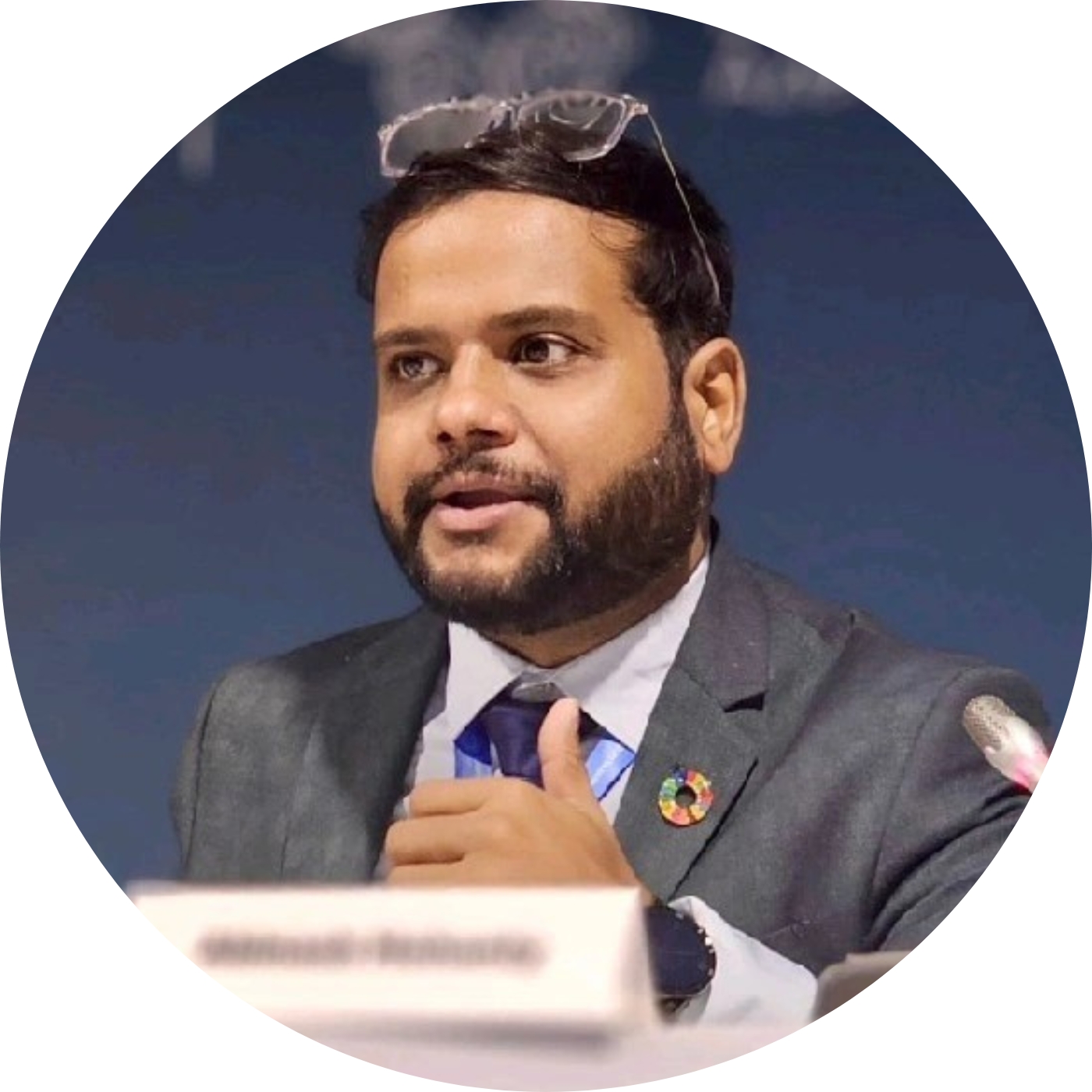
Abinash Mohanty
GuestGlobal Sector Head – Climate Change and Sustainability at IPE Global.
Hosts