
India is facing more frequent and intense heatwaves. The challenge is not just rising temperatures. Cities, infrastructure, and public systems must also adapt.
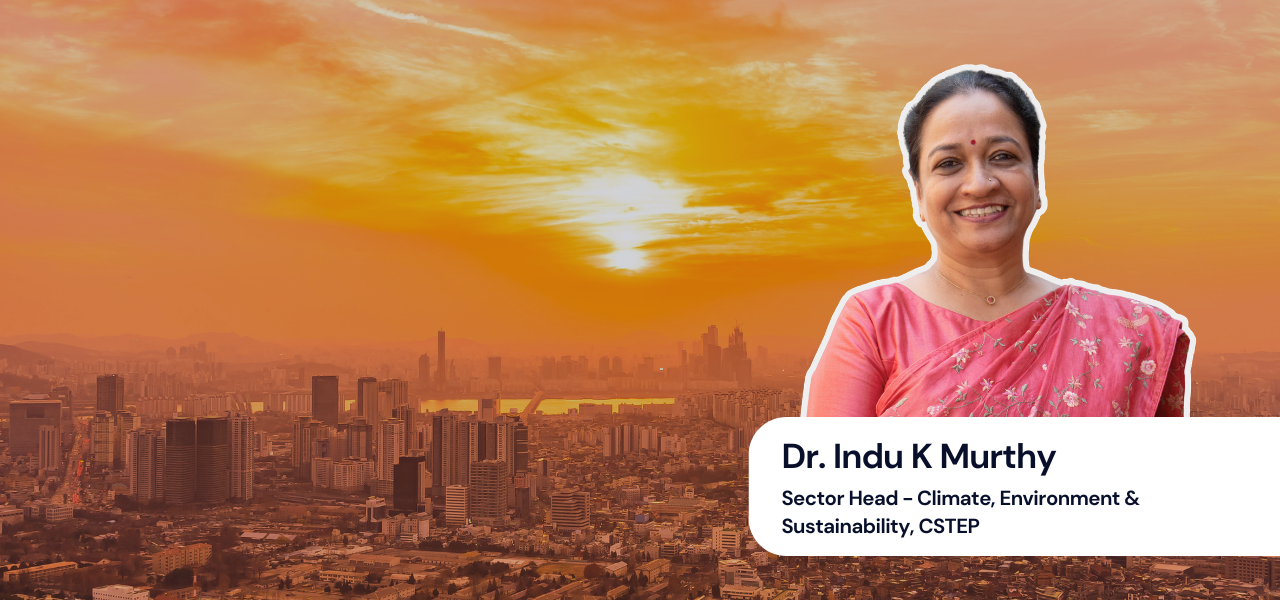
In the second part of the Heat Series, we hosted Dr. Indu K. Murthy, Sector Head – Climate, Environment & Sustainability at CSTEP.
She explains how extreme heat is reshaping urban life, straining energy systems, and exposing inequalities in access to cooling and resilient infrastructure. She also highlights the need for better urban planning, climate-responsive buildings, localized data, and stronger coordination across energy, water, and public health systems.
Listen to the episode with full transcript here in English
[Podcast intro]
Welcome to Season 6 of the India Energy Hour podcast. This podcast explores the most pressing hurdles and promising opportunities of India’s energy transition through an in-depth discussion on policies, financial markets, social movements, and science.
Your hosts for this episode are Shreya J, Delhi-based energy and climate journalist, and Dr. Sandeep Pai, energy transition researcher and author. The show is produced by 101 Reporters, a pan-India network of grassroots reporters that produces original stories from rural India. If you like our podcast, please rate us on Spotify, Apple Podcasts, or the platform where you listen to our podcast.
Your support will help us reach a larger audience,
India is facing more frequent and intense heat waves. The challenge is not just rising temperatures. Cities, infrastructure, and public systems must also adapt. In the second part of the heat series, we hosted Dr. Indu K. Murthy, Sector Head, Climate, Environment, and Sustainability at CSTEP.
She explained how extreme heat is reshaping urban life, straining energy systems, and exposing inequalities in access to cooling and resilient infrastructure. She also highlighted the need for better urban planning, climate-responsive buildings, localized data, and stronger coordination across energy, water, and public health systems.
[Podcast interview]
Sandeep Pai: So Dr. Murthy, welcome to the India Energy Hour. I am very excited to talk to you today and I’ve been following your work for a while. So it’s really a pleasure to have you on the podcast and just learn about your work and some really interesting topic that you cover in your work. So welcome to the podcast.
Indu K Murthy: Thank you. Thank you, Sandeep. Thanks for having me on the India Energy Hour. You did mention when we were chatting before we started actually this recording that you have a lot of PhDs who kind of follow the podcast. I’m also one of them.
So, I mean, it’s very interesting conversations that you cover. So it’s been wonderful. And I’ve also been kind of following the work that happens in this particular space. So it’s my pleasure to be here on this podcast.
Sandeep Pai: Amazing. Thank you. So, you know, just let’s just start by kind of understanding your story, your journey. Everybody has a very interesting journey. I love this. My favorite part of the podcast more than the topic itself. So let’s let’s kind of hear about, you know, where are you from? What did you study? How did you get into the get into the climate space and so on?
Indu K Murthy: Yeah. I mean, while, you know, a lot of the podcasts I’ve heard on your shows are very interesting journeys. I don’t personally think mine is super exciting. But yes, maybe somebody listening might find it quite exciting. So I grew up in a very small town in Tamil Nadu.
My father was with the state electricity board. So obviously, you know, and I was kind of growing up in substations, which is away from the main cities in small towns, etc. Although I do kind of primarily belong to Karnataka. So growing up years were in small towns where, you know, power cuts, heat were something that I kind of grew up with.
But although being in substations, I was in some ways, I had the luxury of not having too many power cuts because, you know, that’s where the supply goes from. So, you know, that was there. But I did kind of see these power shutdowns, etc. And of course, growing in hot Tamil Nadu, North Arcot district, heat was something, you know, that was like summers being very hot was quite common for me.
And then, of course, growing close to nature, you know, that’s kind of kept my interest going on that, which is why I ended up actually doing my graduation in botany. And so this was in Chennai, of course. And from there on, I went on to do my Master’s in Baroda, MS University Baroda, where I specialized in forestry and environment. At that point in time, I think that was the only university which was offering that kind of a specialization.
Other than one of these schools, private schools or private bodies that were offering something on forestry and environment based out of Delhi. So that kind of, you know, was super exciting for me to be, you know, being away from home and then again, working on a topic that’s close to my heart. So once I finished that, I actually came back to Bangalore because this being our home state and with, you know, my parents wanting to come back to the home state, with my father retiring and so on, I actually kind of walked into IISC one fine June afternoon to kind of see opportunities that could be there. It was a cold call, interestingly. But then I did walk into one of these labs in the Center for Ecological Sciences at the Indian Institute of Science. And there, you know, I went and met a professor who was working on aspects of forestry, Professor Ravindranath. I think there started my journey, truly speaking, in the area of climate, biodiversity, community forestry, and so on and so forth. My early days of work actually is quite interesting because I actually started looking at joint forest management and community forestry. For a lot of people, this might not be a very familiar topic today, but in the 90s, this was something everybody was talking about, everybody was discussing.
We had the luxury of actually running what is called as an ecological and economics research network. So the Indian Institute of Science and my lab particular group was actually the anchor institution. So the beauty of it was that this network had people from academia, from non-governmental organizations and other think tanks also. So basically all of them came together
The idea was to kind of understand what was being implemented. A, the formal structured joint forest management, which was supported by the government, and other was these community forestry initiatives where people and communities had come together for whatever their reasons. In some place, it was dearth of firewood for pyres that led them to start protecting forests. In some other place, it was lack of fodder for grazing. And then they came up with their own ways of managing these systems. So with a common framework, all these research groups were trying to understand across India what’s happening with these.
So, you know, that was my first kind of entry into understanding the social perspective of forestry. While I had studied forestry, I kind of was introduced into the very, very, very tangible and very strong link between people and forestry there.
That was very interesting. That happened for about three to five years or so. It was a very long project, two, three phases, where we were looking at the economics of joint forest management. We were also looking at the ecological impacts of the community forestry and joint forest management initiatives and so on and so forth.
So A, it gave me kind of, as I said, my understanding of the strong linkage between people and forestry kind of, I think the foundational thinking actually was seeded there. And then this entire gamut of different kinds of people working on various aspects of forestry was also something, you know, I was introduced to.
And then subsequently, that was the time when I think the whole world was kind of waking up and making a lot of hue and cry regarding climate change. And there were also these clean development mechanism rules, et cetera, that were being talked about. And it so happened that my professor was an IPCC author. And so he was kind of working very closely with a lot of these global scientists who are looking at these various aspects of climate change.
And one of the one of the early projects was actually looking at impact of climate change on and its implications on forest product flow. So, again, you know, it was an offshoot of what I was looking at and what I had studied, but more from a people perspective, from the lives and livelihood perspective that we were trying to work on. So that, again, led me into the into the villages and rural areas of Uttar Kannada district that’s the North Kannada district in Karnataka. This is basically in the Western Ghats so obviously very forest rich area and a lot of non-timber forest products which people kind of depend on largely for subsistence but in some cases they’re also marketed and it’s local economy out there, while there are also a lot of produce which are also kind of gathered by the forest departments and it kind of contributes to the state economy as well.
But that was a very interesting study and we trying to trace, you know, what were the changes, you know, over time? How has it changed? And also trying to understand the causality of these changes that have happened because of, you know, what is there? And people were also attributing it to one, of course, biodiversity loss. Development was something that people were talking about. But I thought people were also beginning to recognize some changes in, you know, rainfall patterns and so on and so forth, incidents of pests in some cases and things like that.
So in a way, I kind of, I went in to understand forest product flow, but I also kind of got an insight into the climate aspect or the climate variability aspect of the science aspect of what’s actually impacting these. And that kind of deepened my interest in this particular space. So then I think subsequently, all the projects that I were looking at while it started with forestry, I kind of broadened it to look at the state of environment.
Again, we were trying to look at state of environment and village ecosystems and trying to map them again with the people and trying to understand what is happening with the climate and how it’s impacting. So in a nutshell, I think a lot of these happened where it was at the conjunction of people and natural resources. So that was the main thinking that was embedded in a lot of the work that I did.
And then subsequently, of course, I also had the opportunity of developing a clean development mechanism forestry project for, you know, for Himachal Pradesh. And that also kind of gave me a lot of understanding with respect to the global thinking about carbon trading and so on and so forth. So it was very interesting, of course. And we did obviously develop a successful project. When I say successful, because it was registered and people have actually got some carbon money that flowed in as well over years. So various aspects of climate change was something that I kept doing.
Interestingly, I also worked on the climate mitigation, land-based mitigation aspects, where I was trying to look at how do you kind of utilize land for biodiversity conservation, but also try to see how do you enhance carbon sequestration as well.
So that was another aspect. And of course, the adaptation and resilience, of course, became the central component of a lot of the work that I was doing post a decade or more, which is what I’m focusing on largely here at CSTEP. So I spent about two decades at Indian Institute of Science. And then there was a point in time when I felt that a lot of academic work. But interestingly, the lab that I was associated in also was always kind of focusing on the intersection of society and whatever work we are doing, whether it’s biodiversity conservation or climate. So probably I think the seed was there. It was seeded there, this thinking. But then I think after two decades, I decided that I wanted to kind of move into another space where the policy and the societal angle became heavier than the academic and research angle. While research would happen, it should feed into something bigger, which is where I moved into CSTEP, the Center for Study of Science, Technology and Policy, which is a not-for-profit policy think tank.
And I moved in there and we started work on climate adaptation and resilience, trying to kind of first and foremost, see how climate is changing. You know, looking at district level changes in climate across all the districts of India and then coming up with a set of reports and using that information too, resilience buildings, etc. So those were the pieces of work which were foundational at C-STEP, which kind of helped us to build all the various pieces of work that we are doing today with respect to climate adaptation and resilience.
Sandeep Pai: Wow, what a long journey and association with climate. And I really appreciate that you’ve seen various aspects, not just kind of one topic. I’m excited to dive into the topic. There’s a lot to cover here.
Let’s just start by 101 of this. Why should we care about heat, especially in a country like India? I think there is an obvious answer, but let’s hear from you. How is it linked to future infrastructure or current infrastructure? Let’s just start with the problem statement and why it matters.
Indu K Murthy: While India is a tropical country and heat isn’t something new to the tropics, I think in much of India, we’ve all grown up with hot summers. But then what’s actually changing is the magnitude of heat that we are experiencing, which is when traditionally we are used to where you were used to 32 or 33 degrees centigrade, what you’re experiencing today is 34. I mean, I’m sitting in Bangalore this year
It’s extremely hot. And secondly, while typically you would associate heat with, you know, March, April, May, there are many parts of India which have started experiencing heat much earlier. So one is the timing of the onset of heat itself or the heat events is kind of changing. And secondly, the frequency with which these increased peaking or shooting of temperatures is happening, it’s becoming much more frequent, which is a huge cause of concern because A, our bodies, as well as the infrastructure that we’ve built to support our life and lifestyles, have been kind of built with what traditionally systems have experienced. So which is where I think seeing this rising heat and more frequent extreme temperature events is potentially why we are forced to fundamentally rethink how we should be designing or even retrofitting some of the things that we’ve done in many of the places, particularly the large cities where infrastructure have already been built. And also, I think one of the fundamental things is that urban infrastructure is meant to improve quality of life ultimately, right? So that is the intent behind this. But when you’re looking at a warming climate, this very infrastructure, which is supposed to support a good quality of life, is actually trapping more and more heat, which means it’s causing thermal discomfort.
More heat within built environment is not a great feeling. And secondly, all the concrete surfaces or buildings and roads are you know, they’re all absorbing heat during the day and typically they release it at night. But what’s happening today is that many of these cities with these large infrastructure, they’re not cooling down enough when people could be needed the most. So basically the difference between your night temperature and the day temperature is shrinking, which means to say the infrastructure is not cooling enough and so is the body of humans or other life which are kind of residing is not cooling enough. So this prolonged exposure basically is increasing risk and also reducing productivity. Obviously, more people are not able to sleep. The other is also about, you know, this infrastructure planning. Why we are thinking about refining it or evolving it is because it’s not just about buildings anymore, but it’s about building differently. A, it could be with the design because there are enough passive designs in place. I think the beauty of it is if you talk to architects and planners, they will tell us that India has had multiple building designs which are suited to different agro-climatic zones, different climates that are there, even within a country like India. But then in the name of development, what we’ve done is every city we go, whether it is rural or urban, we have the same housing structure, which potentially is concrete.
And these are not really suited. So obviously, we will need to kind of maybe go back to some of these traditional designs, which is basically promoting or allowing for airflow between these structures in very simple terms. Or maybe we need to think about protecting and restoring blue-green spaces, whether it is lakes in a city like Bangalore or urban forests that are being promoted across cities. And also, of course, use of reflective materials that could be potentially used.
Now, do we have some kind of mandate within the planning process? Then, yes, frameworks like there’s something called Econivas Samhita, which is the building codes for residential structures, which is actually nudging construction in this direction. But we also should recognize that design alone won’t solve the problem because access to cooling becomes important. Now, the question is how many people can afford the kind of structures that we are talking about, how many people can actually afford cooling as well. So I think that also becomes a very important aspect of looking at infrastructure in the context of heat itself.
Cities do need shaded public spaces. They need drinking water and cooling shelters as well. I think Chennai, for instance, is a classic case where it is expanding cooling shelters for gig workers. It’s been in the news off late and they’re kind of creating this in familiar places like community halls and clinics, which is a great step in the right direction.
And also, I think potentially, I think the problem is we always think about solutions as new structures that need to be created, new assets that need to be created. But I think what we should also think about is how do we make use of existing assets? For instance, you have these Indira canteens. These could potentially double as cooling spaces. They open and they’re supporting, they serve food during certain hours, but then they can double as cooling spaces. So this kind of reuse would make solutions maybe more scalable. And it’s also faster in the way we look at solutioning. The other thing that’s often missed in this conversation on heat solutions is the equity dimensions, which I kind of alluded to earlier on as well. Not everyone can access air conditioning or even a well-ventilated housing. So there are a lot of informal settlements in particular, which are becoming extreme heat traps. In fact, a few years back, I remember writing an article, you know, while we are happily putting up ACs, basically, you’re just keeping the heat out. People residing around are actually facing the brunt of that heat, which is kind of increasing also because of these multiple ACs that we put up, which is where I think interventions like probably cool roofs, better ventilation, shaded streets in low-income neighbourhoods become very, very critical.
They have the potential to deliver some of the highest impact per rupee that could be spent on these kind of solutions. The other aspect which I’m sure you’re very familiar with is the energy planning space. You know, while typically, you know, as temperature rise, we know that the demand for cooling spikes, it does put an enormous strain on the power systems. Now, without upgrades, this could lead to outages. Right when cooling is most needed, can we really kind of get there? That’s the question we need to be thinking about. And so, which is where I think a lot of the research is pointing very clearly towards need for smarter grids, more distributed renewable energy and better demand forecasting so that we can stay resilient. Over and above all of this is the public health angle, which often gets ignored. So that needs to be embedded into infrastructure planning because while we do have heat action plans, I think they need to go beyond advisories. They need to include hospital preparedness, skilling of these health workers to actually recognize signs of heat stress, which my interaction with public health professionals very clearly indicates that that’s not really the case. People don’t have that kind of training. And heat surveillance systems, targeted outreach for vulnerable groups and outdoor workers, elderly children, and so on and so forth becomes very, very important.
So urgency is very clear, rising temperature and then humidity are intensifying heat stress. And also, I think this is straining power systems and energy systems, yes, but also the transport systems. I think in 2025, we really saw how disruptive this could be when the heat waves happened, which it affected everything from daily work to essential services. So ultimately, I think building heat resilience, it’s not a standalone project. It’s all about embedding it in everyday urban systems, which will make cities much cooler and safer and more equitable so that we are better prepared for a much hotter future.
Sandeep Pai: Right. Great. You touched upon the issue and also explained some of the potential solutions. But I just want to take one step back. Can we now attribute heating clearly to climate science? Where is the attribution science?
And if we can, what is the projection for the future? Is India going to become hotter and hotter? Or what is the trajectory? What is the science behind it? And after this, we’ll come to policy and what’s happening in the policy space.
Indu K Murthy: Right. The science with respect to warming is extremely clear. You know, all the models and all the science that we work with, one of the things that’s quite robust is temperature, understanding of temperature and its projections. While rainfall is quite tricky, even today, while models have evolved a lot, but temperature and attribution to it, so with every degree rise, every, whatever, the CO2 rise, increase in the concentration of carbon dioxide, there are studies which very clearly indicate how much is the increase in temperature. So the attribution and the science behind temperature increase and it being related to climate change is extremely clear and there is hardly any uncertainty.
While there could be questions on how much of the warming is going to be there because while we talk about global projections, it’s an average at the end of the day. You downscale it into regional projections. Again, it’s an average that we are talking about. You downscale it still further into Indian context. We’re still talking about an average, but at the same time, what is very clear is the direction of change, which is a warmer future. A warmer future is something that we are definitely experiencing and we are walking into. Now, the question is how warm is it going to get?
Projections very clearly say even in India, the warming is going to be quite large. It could be anywhere between one degree or 1.5 degree to up to three or three and a half degrees, irrespective of whichever region you’re looking at. Our own studies have also, climate projections also indicate this very clearly that there is going to be warming. And the number of, you know, extreme heat days are also projected to increase across India for most of India, if not for every single place in India, every single district in India. For most of India, it’s likely to increase. The added challenge is while climate is just one element, I think land use change and then loss of biodiversity or green cover and then urban infrastructure is also kind of exacerbating this problem. So while we might look at just temperature, you know, we also need to kind of look at very localized changes that are happening, which are leading to these what we call as heat islands and so on and so forth, which we kind of, you know, keep talking about, we keep reading about and so obviously, it is the reality that we have to live with.
Sandeep Pai: Right. No, thanks. That gives a really good foundation from the scientific perspective. So now let’s talk about policy. And in India, I think while we can talk national policies, which provide nice frameworks, but the action is all in states. So, you know, and you do a lot of work with different state governments and state agencies.
So, I’m curious to understand how are states responding to the heating challenge and what are the approaches to handling it? And I’m sure some states have done more than others. And if you can kind of provide some trends on what’s going on in the states. Yeah.
Indu K Murthy: Right. Yes, you’re right. But I think the fundamental thing that’s driving this is I think in 2016, the National Disaster Management Authority basically set the groundwork for managing heatwaves through national guidelines, which led to the spread of what we hear as heat action plans across the country. Now, a well-known example is the Ahmedabad Heat Action Plan. That was one of the earliest plans that happened, and it showed how early warnings, coordination between agencies, community outreach can actually reduce health-related risks. Now, today, I think over 200 or 250 cities and districts across 23 and odd heat-prone states have operational plans in place. And in many regions, like you rightly said, particularly in states like Rajasthan, Gujarat, and Central India, it’s interesting. We spoke about it earlier also. People have long adapted to heat. And, you know, they are avoiding outdoor work during peak hours. For instance, in Odisha, they’ve shifted the work and school timings away from the hottest parts of the day. And it’s mandated in a state like Odisha.
But heat is becoming much more intense and widespread, maybe these traditional coping strategies may not be just enough, especially for workers who can’t avoid exposure, which is where the equity angle kind of kicks in. But what is, of course, promising is that some of the very promising responses to heat are local. There are city and district level plans more and more that are kind of coming in and they are moving beyond emergency response to prevention.
Cool roofs is one such example. So is more green cover, better access to water that these cities are, you know, these district plans are talking about and trying to create as well. And we also have the non-state actors who are stepping in here. So it’s not just the government. For example, so we work with the SEWA Foundation, which is the Self-Employed Women’s Association. And Vimo SEWA, they’ve developed a climate insurance. It’s a parametric insurance that they’ve developed tailored for informal workers to help protect their livelihoods from heat stress. So there are a lot of these innovative things. One is the government itself doing it, but then you also have these non-state actors who are also trying to do this. But however, in all this work, there’s still a gap, which is the data and heat risk mapping that needs to be in place.
Many of these city heat action plans actually rely on citywide temperature data. But heat exposure can vary dramatically within neighborhoods because of the way the neighborhoods are. Without the hyperlocal data, like for example, ward level heat mapping or real time monitoring, that’s very important. It’s hard to target interventions where they are needed the most, especially in informal settlements.
Now, within Bangalore, we have the City Climate Action Plan, which you also have a cell with a special commissioner who is housed there. So there is a lot of discussion and all the different think tanks and organizations working in Bangalore are kind of co-ordinately working to kind of look at that. So within CSTEP, building an energy is one aspect that we are kind of leading. And we are looking at it from a heat perspective. So we have one ward that we are working with where we’ve tried to kind of use all the data that could be brought in at that hyperlocal level
And then try to kind of inform planning process and even budgets that could be allocated for these aspects. Now, this needs to happen across India, which is the only way we could look at possibly trying to actually come up with implementable action-oriented plans rather than plans per se, which is on paper. And of course, accountability and implementation needs more focus here.Like I said, there are lots of plans, but execution is quite uneven across states, districts, as well as cities. The problem here is lack of clear budgets, defined responsibilities. Basically, the institutional mechanisms are quite confusing. And obviously, regular evaluation is completely missing in these places. And a lot of this is, you know, while
The responsibility is housed with one agency. I think a lot of the line departments need to start working together, whether it is the water resources, whether it is energy planning, whether it is the climate cells that could be there in these different places. I think all of them need to kind of come together and work in a coordinated fashion so that it actually translates into on-ground action. So which is why, you know, the real challenge now to me isn’t planning for heat. It’s more about implementing, targeting and scaling what we already know works. Before we think about new innovative solutions, potentially, you know, that needs to be there. And this is really important because tackling heat requires all hands on the deck. And across governments, communities and institutions. And that’s because, you know, it’s not an occasional crisis anymore. It’s growing and it’s becoming an everyday challenge.
Sandeep Pai: Right, right. You touched upon something that I was actually curious about, which is kind of budgets. I mean, to implement some of these projects or even implement some of the pathways of the plans, you need money. And this is not just a heat. Generally, adaptation lacks finance. So are you seeing in your work any innovative models to make some of these projects bankable? For mitigation, at least in the renewable energy space, people now say you can actually make money. So investors and others can come in. But in the adaptation, specifically on the heat space, are there ways for large financial institutions to make money or are we going to be perpetually dependent on state budgets and state capacity? Is there a business case? That’s kind of my question.
Indu K Murthy: Right. I think to begin with, I think let’s look at the money available within the government itself. You know, I think one of the fundamental things is, you know, heat is not recognized as a disaster across all the states. While there are certain states which have gone ahead and kind of declared it as a disaster, but I think it needs to kind of actually become fundamental. That becomes really important because it will be able to kind of unlock a lot of funds that are there with the states to begin with.
You know, right now, heat is underfunded compared to cyclones and floods. We all know that. And if it’s included, states can use funds like the State Disaster Response Fund. So that is the first step for both cooling and heat mitigation. Things like, you know, shelters, water access, urban cooling, all of this could be done using that. And we’re already seeing that, you know, heat waves do trigger massive power outages. It is costing industries billions and hitting vulnerable communities the hardest. I do not know of any examples where, you know, industries could kind of also kind of take that on. Could CSR play a role in this? I don’t really have an answer because it’s also impacting them and their operations. Is there a way for them to kind of divert some of the money in the planning process itself, at least pick up certain regions where they could potentially work with to kind of recognize heat as a disaster and actually kind of support some of the work or solutioning that could potentially be done. The other thing is also unlocking insurance coverage. I think this is something, I think parametric insurance around heat is something where there is quite some experimentation going on and people are trying to kind of see how potentially these financial products could inform and, you know, work well in this particular space. But other than that, I think people are kind of investing in some places where in localized sensors, temperature sensors, and then tying it to kind of a data dashboard and then see how they can potentially produce financially viable products. I personally don’t have much idea about if there is something really groundbreaking that’s happened up till now, but I’m hoping that something would happen so that it kind of doesn’t rely completely on state solutions and state funding ultimately.
Sandeep Pai: Great. So now I want to ask something about energy policy and cooling. So, you know, cooling demand is rising. And you touched a little bit about this, but maybe we could double-click a little bit on that. How can heat considerations be more meaningfully integrated as part of energy policy and energy planning? Especially now, you know, we also need to tame the emissions. So there’s the dual challenge. So how can this be…
Indu K Murthy: Yes. So interestingly, you know, in my team, we recently did, not very recently, I think late last year. So, you know, we did a convening where we were looking at the entire lifecycle of buildings, where we had people from these different spaces coming together, you know, right from people working with alternate materials to people working, you know, in the policy space to, you know, large builders to, you know, a whole bunch of people coming together. And everybody was talking about there are enough solutions in this space, but what’s really not working well is one, they’re not able to scale it primarily because of the cost. That seems to be a problem. The other aspect people are also talking about is some of these materials are very locally available. Now, how do you kind of, if you kind of look at it, as a solution for buildings, it might work. But if you look at the transportation and emissions, you brought in the mitigation angle, right? So obviously, if it’s available somewhere which is very far, it might be available in abundance. But then if you end up transporting it several thousands of kilometres, you’re adding to the emissions. So I think one needs to start looking at systems as a whole.
To the question on how can heat considerations be more meaningful and how could they be integrated into energy policy, I think one of the fundamental answers which, I mean, this is nothing new, everybody talks about it, is better design buildings. So I think passive design strategies which ensure ventilation, reduce the heat gain, and also kind of, you know cool roofs, etc. , you know, like the building codes that I spoke about, you know, where, you know, they do have aspects of this, but I think what’s kind of lacking is it’s an implementation challenge. So I think we really need to kind of see how all construction can follow these best practices. Is there a way to mandate some of this? Is there a way to kind of make it, you know, beneficial? I think cost is a factor, but I think people are quite, you know, it’s a very, the focus or, you know, when you’re looking at it, we are very short term in our visions. We just look at today, okay, what’s going to cost me?
So I think there need to be more and more, there is enough work, but I think we need to be able to find better ways of positioning and putting out stuff which talks about the medium term gains of switching to some of these. And one of the other thing that is also kind of a roadblock to this happening is also the fact that all of us are pretty hesitant to try with anything new. Unless somebody has actually used it, you don’t want to be the first person. Now, which is where I think, you know, it really becomes important to kind of try and see if public buildings, if public construction can start incorporating some of these. If that becomes the norm, then obviously then the residential sector kind of slowly kind of kicks in. While a lot of the public infrastructure are still kind of doing the traditional constructions, there is a need to kind of start thinking about thermal comfort when you’re constructing these buildings.
So, you know, in some work related to what I’m talking about, so again, within my team, we, based on some work we did for Karnataka, you know, on all sectors, you know, we created something called Namma Safari, which is low carbon development pathways for Karnataka. And of course, buildings is one of the sectors. So what we’ve done is with the Rajiv Gandhi RGHCL and Karnik, which is the district level construction that happens. So we’ve kind of partnered with them and some other organizations which work in the building space to try and see if the construction, for example, the Maiwan technology that’s being used largely, is it really suited for a place like Bangalore? That’s a question. I mean, it’s blindly being put out. So that’s an assessment that we are trying to do with another partnering with another organization. And we’re also trying to work with the district level authorities. That’s the Karnik, where we are also trying to see how do we influence the building infrastructure there, you know, to kind of see how do we make it low carbon, but at the same time, ensure that the thermal comfort is something that’s integrated into that. And of course, ultimately, you know, that kind of looks at you’re not increasing the emissions. You are trying to be low carbon at the same time. You’re also looking at the comfort aspect, which becomes essential and which becomes extremely important in a warming world.
Sandeep Pai: Right, right. Yeah, now let’s talk about the future. We talked a lot about the past and what’s happening and the science, the policy of it. What are some institutional or policy shifts that India needs to take, whether it’s the national level or state level or even very local level, that will help improve India’s preparedness for extreme heat. Based on your work, what are some top shifts that need to happen?
Indu K Murthy: Just to reiterate what I said, recognizing it as a disaster across India becomes the first step, which will unlock some of the funding that we spoke about early on. The other important aspect is I think to kind of look at hyper-local ways of solutioning, a very accurate, very robust vulnerability mapping and targeted support for those most at risk becomes very important. To kind of aid some of this, we have an ongoing project in my team where we are creating something called the National Heat Risk Dashboard.
Now, it is for all the districts of India. And what we’re also trying to do is we’re not working only with air-based parameters, which is typically the kind of temperatures that we talk about. We’re also looking at surface-based indices that we are wanting to do. And we are combining these. So one is trying to look at thermal comfort of humans. The other is about infrastructure itself. How much is the system heating? What do you need to do? And combining the two to understand what’s really happening. So what this is helping us to kind of understand is the causality factors, whether it is land use change, whether it is loss of green cover, whether it is unchecked development that’s actually causing it, which can kind of help inform some of the use cases that could potentially be there. Now, while this is essentially a visualization dashboard, what we are also envisaging in this work is that we are also going to be working with specific cities and trying to downscale this work using, again, hyperlocal sensors, working with other partners who are embedded within the system and also train the cities to see how do they monitor and integrate it into their planning process. These are two levels of work that we are trying to do.
The other thing which can also aid and which is very important when you’re planning for heat is that the blue-green spaces that you could leverage. So on this aspect for Bangalore City, we are doing some extremely granular work where, you know, we’re looking at, you know, one kilometre by one kilometre and mapping all the blue-green spaces. We also kind of backing it with, you know, surveys that we are doing across Bangalore to understand and also map all the different assets which include the biodiversity as well. So what we are combining is a climate hazard mapping at a very granular scale, a vulnerability mapping where you’re trying to understand who is housed where and what are they surrounded by. So which is what would determine what the kind of solutioning potentially could be. And then coming up with a set of solutions and also trying to see, you know, not just put solutions, but also come up with some kind of a cost benefit analysis, which potentially will inform people that if you need to do this in this particular space, this is what it’s going to cost you.
And the way we are looking at it is, one, trying to kind of work with state agencies or city planners, but also kind of work with, say, maybe apartment complexes. I mean, some of these housing societies have very large, you know, apartment unions or whatever they call. And they are taking a lot of decisions. They are influencing a lot of work that’s happening in their wards. So we are trying to kind of see, you know, how do we kind of use this hyperlocal data to inform planning so I think data is the missing piece in a lot of the things you know it’s easy to say that people need to do hyperlocal planning but then who’s going to provide the data right so I think so that’s where you know uh we are uh providing we are trying to kind of come up with those kind of information which could inform planning secondly I think While cities or states or districts develop these heat action plans, they need to be institutionalized at the local level. They are often ad hoc in many of these district plans, right? So ward level planning, clear accountability, locally defined temperature thresholds.
Now, we are all sitting with IMDs, you know, for planes, there is a certain threshold, for hills, there is a certain threshold. But what is becoming more and more evident is that it’s not just the air temperature, the humidity has a large role to play as well. So can we think about heat indices which combine this? This is basically, you know, in our phones, what we see it feels like, right? So it’s a combination of the temperature and the humidity, which is what is the feel-like temperature, which is very important when you’re thinking about comfort. So I think we need to think of better indices that reflect these local realities and on-ground conditions. And in addition, I think two more shifts could make a big difference. One is integrating heat into everyday urban governance. Today, it’s still seasonal. Come March there is a flurry of activity around heat. There’s a lot of thinking that’s happening. Cities and districts are thinking about what kind of planning needs to happen, how do they spend on certain activities to kind of ensure what needs to be done. So I think embedding it into the land use planning, infrastructure decisions, and not just thinking of it as a seasonal issue becomes one other very important aspect of trying to make a difference as we move forward into a much hotter spaces. The other is linking, like I said, heat planning with energy and water systems, you know, because rising temperatures directly drive demand and stress, both of these, both energy as well as water systems. So I think ultimately what would make the difference is we need to move from scattered short term responses to, you know, systemic well-funded and localized plans and implementation actionable solutions which are built into cities or which are built into how cities are planned and managed on a day-to-day basis. I think that’s the only way we will be able to kind of make India and the cities across India more prepared for extreme heat.
Sandeep Pai: Amazing. Thank you so much. This was such a lovely conversation. I really appreciate your time and I learned a lot. I was expecting that and it was great. So thank you. Thank you for your time.
Indu K Murthy: Thank you. Thank you, Sandeep. I enjoy talking about heat primarily because, like I said, right in the beginning, I grew up in a hot environment. But what I’m seeing is a much hotter environment. And we all acclimatize to cooler environments. But then suddenly, I feel that this is not something that I signed up for. When you move into a city like that, you know, you already you think, you know, this is fantastic all year round, great temperature. But it is what it is. We are facing that. And I think we really need to make a difference and we really need to kind of see what we can do with that. Thanks for having me on your podcast and really nice speaking to you about this.
Sandeep Pai: Yeah, same here. Thank you
[Podcast outro]
Thank you for listening to The India Energy Hour! Subscribe to this channel to never miss an update. To drop us a feedback, visit our website or write to us at [email protected]
We are on Twitter. You can follow @tieh_podcast and get in touch with 2 hosts @shreya_jai and @sandeeppaii
[end]
Listen to the episode with full transcript here in Hindi
[पॉडकास्ट परिचय]
इंडिया एनर्जी आवर पॉडकास्ट के सीज़न 6 में आपका स्वागत है। यह पॉडकास्ट पॉलिसी, फाइनेंशियल मार्केट, सोशल मूवमेंट और साइंस पर गहरी चर्चा के ज़रिए भारत के एनर्जी ट्रांज़िशन की सबसे बड़ी मुश्किलों और अच्छे मौकों को दिखाता है।
इस एपिसोड के होस्ट हैं दिल्ली की एनर्जी और क्लाइमेट जर्नलिस्ट श्रेया जे. और एनर्जी ट्रांज़िशन रिसर्चर और लेखक डॉ. संदीप पई। यह शो 101 रिपोर्टर्स ने प्रोड्यूस किया है, जो पूरे भारत में ज़मीनी स्तर के रिपोर्टरों का एक नेटवर्क है जो ग्रामीण भारत से ओरिजिनल स्टोरीज़ बनाता है। अगर आपको हमारा पॉडकास्ट पसंद है, तो प्लीज़ हमें Spotify, Apple Podcasts, या उस प्लेटफ़ॉर्म पर रेट करें जहाँ आप हमारा पॉडकास्ट सुनते हैं।
आपका सपोर्ट हमें ज़्यादा लोगों तक पहुंचने में मदद करेगा,
भारत में गर्मी की लहरें ज़्यादा बार और तेज़ आ रही हैं। चुनौती सिर्फ़ बढ़ता तापमान नहीं है। शहरों, इंफ्रास्ट्रक्चर और पब्लिक सिस्टम को भी इसके हिसाब से ढलना होगा। गर्मी की सीरीज़ के दूसरे भाग में, हमने CSTEP में क्लाइमेट, एनवायरनमेंट और सस्टेनेबिलिटी की सेक्टर हेड डॉ. इंदु के. मूर्ति को होस्ट किया।
उन्होंने बताया कि कैसे बहुत ज़्यादा गर्मी शहरी ज़िंदगी को बदल रही है, एनर्जी सिस्टम पर दबाव डाल रही है, और कूलिंग और मज़बूत इंफ्रास्ट्रक्चर तक पहुंच में असमानता को सामने ला रही है। उन्होंने बेहतर अर्बन प्लानिंग, क्लाइमेट के हिसाब से बिल्डिंग, लोकल डेटा, और एनर्जी, पानी और पब्लिक हेल्थ सिस्टम में मज़बूत तालमेल की ज़रूरत पर भी ज़ोर दिया।
[अंत]
[पॉडकास्ट साक्षात्कार]
संदीप पई : तो डॉ. मूर्ति, इंडिया एनर्जी आवर में आपका स्वागत है। मैं आज आपसे बात करके बहुत उत्साहित हूँ और मैं कुछ समय से आपके काम को फ़ॉलो कर रहा हूँ। इसलिए पॉडकास्ट पर आपका होना और आपके काम और आपके काम में शामिल कुछ बहुत ही दिलचस्प टॉपिक के बारे में जानना वाकई बहुत खुशी की बात है। तो पॉडकास्ट में आपका स्वागत है।
इंदु के मूर्ति: थैंक यू। थैंक यू, संदीप। इंडिया एनर्जी आवर में मुझे बुलाने के लिए थैंक्स। जब हम असल में यह रिकॉर्डिंग शुरू करने से पहले चैट कर रहे थे, तो आपने बताया था कि आपके पास बहुत सारे PhDs हैं जो पॉडकास्ट को फॉलो करते हैं। मैं भी उनमें से एक हूं।
तो, मेरा मतलब है, आप जो बातचीत कवर करते हैं, वह बहुत दिलचस्प होती है। तो यह बहुत बढ़िया रहा है। और मैं भी इस खास जगह पर होने वाले काम को फॉलो कर रहा हूँ। इसलिए इस पॉडकास्ट पर यहाँ होना मेरे लिए खुशी की बात है।
संदीप पई: बहुत बढ़िया। धन्यवाद। तो, चलिए, आपकी कहानी, आपके सफ़र को समझने से शुरू करते हैं। हर किसी का सफ़र बहुत दिलचस्प होता है। मुझे यह बहुत पसंद है। पॉडकास्ट का यह हिस्सा मुझे टॉपिक से भी ज़्यादा पसंद है । तो चलिए , सुनते हैं, आप कहाँ से हैं? आपने क्या पढ़ाई की? आप क्लाइमेट स्पेस में कैसे आए वगैरह?
इंदु के मूर्ति : हाँ। मेरा मतलब है, वैसे तो, आप जानते हैं, आपके शो में मैंने जो भी पॉडकास्ट सुने हैं, वे बहुत दिलचस्प सफ़र हैं। मुझे पर्सनली नहीं लगता कि मेरा सफ़र बहुत एक्साइटिंग है। लेकिन हाँ, शायद सुनने वाले को यह काफी एक्साइटिंग लगे। तो मैं तमिलनाडु के एक बहुत छोटे से शहर में पली-बढ़ी हूँ।
मेरे पिता स्टेट इलेक्ट्रिसिटी बोर्ड में थे। तो ज़ाहिर है, आप जानते हैं, और मैं सबस्टेशन में बड़ा हुआ, जो मेन शहरों से दूर छोटे कस्बों वगैरह में होता है। हालांकि मैं ज़्यादातर कर्नाटक से हूँ। तो बड़े होने के साल छोटे कस्बों में बीते, जहाँ, आप जानते हैं, पावर कट, गर्मी कुछ ऐसी चीज़ें थीं जिनके साथ मैं बड़ा हुआ।
लेकिन सबस्टेशन में होने के बावजूद, कुछ मायनों में, मेरे पास ज़्यादा पावर कट न होने की सुविधा थी क्योंकि, आप जानते हैं, सप्लाई वहीं से होती है। तो, आप जानते हैं, ऐसा था। लेकिन मैंने ये पावर शटडाउन वगैरह देखे। और हाँ, गर्म तमिलनाडु, नॉर्थ अर्काट ज़िले में पले-बढ़े, गर्मी कुछ ऐसी थी, आप जानते हैं, कि गर्मियों में बहुत ज़्यादा गर्मी पड़ना मेरे लिए काफी आम बात थी।
और फिर, ज़ाहिर है, नेचर के करीब आने से, आप जानते हैं, मेरा इंटरेस्ट उसमें बना रहा, इसीलिए मैंने बॉटनी में ग्रेजुएशन किया। और यह चेन्नई में था, ज़ाहिर है। और वहाँ से, मैंने बड़ौदा, MS यूनिवर्सिटी बड़ौदा में मास्टर्स किया, जहाँ मैंने फॉरेस्ट्री और एनवायरनमेंट में स्पेशलाइज़ेशन किया। उस समय, मुझे लगता है कि वही अकेली यूनिवर्सिटी थी जो इस तरह का स्पेशलाइज़ेशन दे रही थी।
इनमें से किसी एक स्कूल, प्राइवेट स्कूल या प्राइवेट बॉडी के अलावा जो दिल्ली में फॉरेस्ट्री और एनवायरनमेंट पर कुछ ऑफर कर रहे थे। तो, आप जानते हैं, मेरे लिए यह बहुत एक्साइटिंग था, आप जानते हैं, घर से दूर रहना और फिर से, एक ऐसे टॉपिक पर काम करना जो मेरे दिल के करीब है। तो एक बार जब मैंने वह खत्म कर लिया, तो मैं असल में बैंगलोर वापस आ गया क्योंकि यह हमारा होम स्टेट था और, आप जानते हैं, मेरे माता-पिता होम स्टेट वापस आना चाहते थे, मेरे पापा के रिटायर होने और इसी तरह, मैं असल में जून की एक दोपहर IISC गया था, यह देखने के लिए कि वहाँ क्या मौके हो सकते हैं। दिलचस्प बात यह है कि यह एक कोल्ड कॉल था। लेकिन फिर मैं इंडियन इंस्टीट्यूट ऑफ़ साइंस के सेंटर फ़ॉर इकोलॉजिकल साइंसेज़ की एक लैब में गया। और वहाँ, आप जानते हैं, मैं एक प्रोफ़ेसर से मिला जो फ़ॉरेस्ट्री के पहलुओं पर काम कर रहे थे, प्रोफ़ेसर रवींद्रनाथ। मुझे लगता है कि सच कहूँ तो, क्लाइमेट, बायोडायवर्सिटी, कम्युनिटी फ़ॉरेस्ट्री, वगैरह-वगैरह के एरिया में मेरी यात्रा वहीं से शुरू हुई। मेरे काम के शुरुआती दिन असल में काफ़ी दिलचस्प हैं क्योंकि मैंने असल में जॉइंट फ़ॉरेस्ट मैनेजमेंट और कम्युनिटी फ़ॉरेस्ट्री को देखना शुरू किया था। बहुत से लोगों के लिए, यह आज शायद बहुत जाना-पहचाना टॉपिक न हो, लेकिन 90 के दशक में, यह कुछ ऐसा था जिसके बारे में हर कोई बात कर रहा था, हर कोई चर्चा कर रहा था।
हमारे पास असल में एक इकोलॉजिकल और इकोनॉमिक्स रिसर्च नेटवर्क चलाने की लग्ज़री थी। तो इंडियन इंस्टीट्यूट ऑफ़ साइंस और मेरा लैब वाला ग्रुप असल में एंकर इंस्टीट्यूशन था। तो इसकी अच्छी बात यह थी कि इस नेटवर्क में एकेडेमिया, नॉन-गवर्नमेंटल ऑर्गनाइज़ेशन और दूसरे थिंक टैंक के लोग भी थे। तो बेसिकली वे सभी एक साथ आए।
आइडिया यह समझने का था कि क्या लागू किया जा रहा है। एक, फॉर्मल स्ट्रक्चर्ड जॉइंट फॉरेस्ट मैनेजमेंट, जिसे सरकार का सपोर्ट था, और दूसरा ये कम्युनिटी फॉरेस्ट्री इनिशिएटिव थे जहाँ लोग और कम्युनिटी एक साथ आए थे। उनके जो भी कारण रहे हों। कुछ जगहों पर, चिताओं के लिए जलाने की लकड़ी की कमी की वजह से उन्होंने जंगलों को बचाना शुरू किया। दूसरी जगहों पर, चरने के लिए चारे की कमी की वजह से। और फिर उन्होंने इन सिस्टम को मैनेज करने के अपने तरीके निकाले। तो एक कॉमन फ्रेमवर्क के साथ, ये सभी रिसर्च ग्रुप पूरे भारत में यह समझने की कोशिश कर रहे थे कि इनके साथ क्या हो रहा है।
तो, आप जानते हैं, फॉरेस्ट्री के सामाजिक नज़रिए को समझने में यह मेरी पहली एंट्री थी। जब मैंने फॉरेस्ट्री की पढ़ाई की थी, तो मुझे वहां के लोगों और फॉरेस्ट्री के बीच बहुत, बहुत, बहुत ठोस और बहुत मज़बूत लिंक के बारे में पता चला।
यह बहुत दिलचस्प था। यह लगभग तीन से पांच साल तक चला। यह एक बहुत लंबा प्रोजेक्ट था, दो, तीन फेज़, जहाँ हम जॉइंट फॉरेस्ट मैनेजमेंट की इकोनॉमिक्स को देख रहे थे। हम कम्युनिटी फॉरेस्ट्री और जॉइंट फॉरेस्ट मैनेजमेंट इनिशिएटिव्स वगैरह के इकोलॉजिकल असर को भी देख रहे थे।
तो ए, जैसा कि मैंने कहा, इससे मुझे लोगों और फॉरेस्ट्री के बीच मज़बूत लिंकेज की समझ मिली, मुझे लगता है कि असल में बेसिक सोच वहीं से शुरू हुई थी। और फिर फॉरेस्ट्री के अलग-अलग पहलुओं पर काम करने वाले अलग-अलग तरह के लोगों की यह पूरी रेंज भी कुछ ऐसी थी, जिससे मेरा परिचय हुआ।
और फिर बाद में, मुझे लगता है कि यही वह समय था जब पूरी दुनिया जाग रही थी और क्लाइमेट चेंज को लेकर बहुत शोर मचा रही थी। और ये क्लीन डेवलपमेंट मैकेनिज्म नियम वगैरह भी थे, जिनके बारे में बात हो रही थी। और ऐसा हुआ कि मेरे प्रोफेसर IPCC के लेखक थे। और इसलिए वह इन ग्लोबल साइंटिस्ट्स के साथ बहुत करीब से काम कर रहे थे जो क्लाइमेट चेंज के इन अलग-अलग पहलुओं को देख रहे थे।
और शुरुआती प्रोजेक्ट्स में से एक असल में क्लाइमेट चेंज के असर और फॉरेस्ट प्रोडक्ट फ्लो पर इसके असर को देख रहा था। तो, फिर से, आप जानते हैं, यह उसी का एक हिस्सा था जिसे मैं देख रहा था और जिसकी मैंने स्टडी की थी, लेकिन ज़्यादातर लोगों के नज़रिए से, ज़िंदगी और रोज़ी-रोटी के नज़रिए से जिस पर हम काम करने की कोशिश कर रहे थे। तो, इसने मुझे फिर से कर्नाटक के उत्तर कन्नड़ ज़िले के गाँवों और ग्रामीण इलाकों में पहुँचाया। यह असल में वेस्टर्न घाट में है, इसलिए ज़ाहिर है कि यह बहुत जंगल वाला इलाका है और बहुत सारे नॉन-टिम्बर फॉरेस्ट प्रोडक्ट हैं जिन पर लोग गुज़ारे के लिए ज़्यादातर निर्भर रहते हैं, लेकिन कुछ मामलों में उनकी मार्केटिंग भी की जाती है और यह वहाँ की लोकल इकॉनमी है, जबकि बहुत सारे प्रोड्यूस भी हैं जिन्हें फॉरेस्ट डिपार्टमेंट इकट्ठा करते हैं और यह राज्य की इकॉनमी में भी योगदान देता है।
लेकिन वह एक बहुत ही दिलचस्प स्टडी थी और हम यह पता लगाने की कोशिश कर रहे थे कि समय के साथ क्या बदलाव हुए? यह कैसे बदला है? और यह भी समझने की कोशिश कर रहे थे कि इन बदलावों की वजह क्या है, आप जानते हैं, वहाँ क्या है? और लोग इसे बायोडायवर्सिटी लॉस के लिए भी ज़िम्मेदार ठहरा रहे थे। डेवलपमेंट एक ऐसी चीज़ थी जिसके बारे में लोग बात कर रहे थे। लेकिन मुझे लगा कि लोग बारिश के पैटर्न वगैरह में कुछ बदलावों को भी पहचानने लगे थे, कुछ मामलों में पेस्ट्स की घटनाएँ और ऐसी ही चीज़ें।
तो एक तरह से, मैं फ़ॉरेस्ट प्रोडक्ट के फ़्लो को समझने गया, लेकिन मुझे क्लाइमेट पहलू या साइंस पहलू के क्लाइमेट वेरिएबिलिटी पहलू के बारे में भी थोड़ी जानकारी मिली कि असल में इन पर क्या असर पड़ रहा है। और इससे इस खास स्पेस में मेरी दिलचस्पी और गहरी हो गई। तो फिर मुझे लगता है कि बाद में, जब मैं फ़ॉरेस्ट्री से शुरू हुआ तो जिन सभी प्रोजेक्ट्स को देख रहा था, मैंने उन्हें एनवायरनमेंट की स्थिति को देखने के लिए बड़ा किया।
फिर से, हम एनवायरनमेंट और गांव के इकोसिस्टम की हालत को देखने की कोशिश कर रहे थे और लोगों के साथ उन्हें फिर से मैप करने की कोशिश कर रहे थे और यह समझने की कोशिश कर रहे थे कि क्लाइमेट के साथ क्या हो रहा है और इसका क्या असर पड़ रहा है। तो शॉर्ट में, मुझे लगता है कि इनमें से बहुत कुछ लोगों और नेचुरल रिसोर्स के मेल से हुआ। तो यही मेन सोच थी जो मेरे बहुत सारे काम में शामिल थी।
और फिर बाद में, बेशक, मुझे हिमाचल प्रदेश के लिए एक क्लीन डेवलपमेंट मैकेनिज्म फॉरेस्ट्री प्रोजेक्ट डेवलप करने का मौका भी मिला। और इससे मुझे इस बारे में काफी समझ भी मिली। कार्बन ट्रेडिंग वगैरह के बारे में ग्लोबल सोच। तो यह बहुत दिलचस्प था, बेशक। और हमने ज़ाहिर तौर पर एक सफल प्रोजेक्ट बनाया। जब मैं सफल कहता हूँ, तो इसका मतलब है कि यह रजिस्टर्ड था और लोगों को असल में कुछ कार्बन मनी भी मिली जो सालों से आ रही थी। तो क्लाइमेट चेंज के अलग-अलग पहलू कुछ ऐसे थे जो मैं करता रहा।
दिलचस्प बात यह है कि मैंने क्लाइमेट मिटिगेशन, लैंड-बेस्ड मिटिगेशन पहलुओं पर भी काम किया, जहाँ मैं यह देखने की कोशिश कर रहा था कि आप बायोडायवर्सिटी कंज़र्वेशन के लिए ज़मीन का इस्तेमाल कैसे करते हैं, लेकिन यह भी देखने की कोशिश कर रहा था कि आप कार्बन सीक्वेस्ट्रेशन को कैसे बढ़ाते हैं।
तो यह एक और पहलू था। और हाँ, अडैप्टेशन और रेज़िलिएंस, हाँ, मेरे बहुत सारे काम का मुख्य हिस्सा बन गया जो मैं एक दशक या उससे ज़्यादा समय से कर रहा था, जिस पर मैं यहाँ CSTEP में ज़्यादातर फोकस कर रहा हूँ। तो मैंने इंडियन इंस्टीट्यूट ऑफ़ साइंस में लगभग दो दशक बिताए। और फिर एक समय ऐसा आया जब मुझे लगा कि बहुत सारा एकेडमिक काम। लेकिन दिलचस्प बात यह है कि जिस लैब से मैं जुड़ा था, वह भी हमेशा समाज और हम जो भी काम कर रहे हैं, चाहे वह बायोडायवर्सिटी कंज़र्वेशन हो या क्लाइमेट, इन दोनों के मेल पर फोकस करती थी। तो शायद मुझे लगता है कि बीज वहीं था। यह सोच वहीं बोई गई थी। लेकिन फिर मुझे लगता है कि दो दशक बाद, मैंने तय किया कि मैं एक तरह से दूसरी जगह जाना चाहता हूँ जहाँ पॉलिसी और समाज का एंगल एकेडमिक और रिसर्च एंगल से ज़्यादा भारी हो गया। रिसर्च तो होगी ही, लेकिन इससे कुछ बड़ा होना चाहिए, और यहीं पर मैं CSTEP, यानी सेंटर फॉर स्टडी ऑफ साइंस, टेक्नोलॉजी एंड पॉलिसी में चला गया, जो एक नॉट-फॉर-प्रॉफिट पॉलिसी थिंक टैंक है।
और मैं वहां गया और हमने क्लाइमेट अडैप्टेशन और रेजिलिएंस पर काम शुरू किया, सबसे पहले यह देखने की कोशिश की कि क्लाइमेट कैसे बदल रहा है। आप जानते हैं, भारत के सभी जिलों में क्लाइमेट में डिस्ट्रिक्ट लेवल पर होने वाले बदलावों को देखना और फिर रिपोर्ट्स का एक सेट बनाना और उस जानकारी का भी इस्तेमाल करना, रेजिलिएंस बिल्डिंग्स, वगैरह। तो ये वो काम थे जो C-STEP में बेसिक थे, जिससे हमें क्लाइमेट अडैप्टेशन और रेजिलिएंस के संबंध में आज हम जो भी अलग-अलग काम कर रहे हैं, उन्हें बनाने में मदद मिली।
संदीप: वाह, क्लाइमेट के साथ कितना लंबा सफ़र और जुड़ाव रहा है। और मैं सच में इस बात की तारीफ़ करता हूँ कि आपने सिर्फ़ एक टॉपिक ही नहीं, बल्कि इसके अलग-अलग पहलू देखे हैं। मैं इस टॉपिक पर बात करने के लिए उत्साहित हूँ। यहाँ कवर करने के लिए बहुत कुछ है।
चलिए, इसकी 101वीं बात से शुरू करते हैं। हमें गर्मी की परवाह क्यों करनी चाहिए, खासकर भारत जैसे देश में? मुझे लगता है कि इसका एक सीधा जवाब है, लेकिन चलिए आपसे सुनते हैं। यह भविष्य के इंफ्रास्ट्रक्चर या मौजूदा इंफ्रास्ट्रक्चर से कैसे जुड़ा है? चलिए, प्रॉब्लम स्टेटमेंट से शुरू करते हैं और यह क्यों मायने रखता है।
इंदु के मूर्ति: वैसे तो भारत एक ट्रॉपिकल देश है और ट्रॉपिकल इलाकों में गर्मी कोई नई बात नहीं है, लेकिन मुझे लगता है कि भारत के ज़्यादातर हिस्सों में हम सब गर्म गर्मियों के साथ बड़े हुए हैं। लेकिन असल में जो चीज़ बदल रही है, वह है गर्मी का वह लेवल जो हम महसूस कर रहे हैं, जो तब है जब हम आम तौर पर 32 या 33 डिग्री सेंटीग्रेड के आदी थे, आज आप जो महसूस कर रहे हैं वह 34 है। मेरा मतलब है, मैं इस साल बैंगलोर में बैठा हूँ।
बहुत ज़्यादा गर्मी है। और दूसरी बात, आमतौर पर आप गर्मी को मार्च, अप्रैल, मई से जोड़ते हैं, लेकिन भारत के कई हिस्सों में गर्मी बहुत पहले ही पड़ने लगी है। तो एक तो गर्मी शुरू होने का समय या गर्मी की घटनाएँ बदल रही हैं। और दूसरी बात, जिस तेज़ी से तापमान में बढ़ोतरी या तेज़ी से बढ़ोतरी हो रही है, वह बहुत ज़्यादा हो रही है, जो चिंता की एक बड़ी वजह है क्योंकि A, हमारा शरीर, और साथ ही वह इंफ्रास्ट्रक्चर जो हमने अपनी ज़िंदगी और लाइफस्टाइल को सपोर्ट करने के लिए बनाया है, वह एक तरह से उसी चीज़ से बना है जो पारंपरिक तौर पर सिस्टम ने अनुभव की है। इसलिए मुझे लगता है कि यही वजह है कि यह बढ़ती गर्मी और ज़्यादा बार होने वाले बहुत ज़्यादा तापमान वाले इवेंट्स हो रहे हैं। हमें यह सोचने पर मजबूर होना पड़ रहा है कि हमें उन चीज़ों को कैसे डिज़ाइन करना चाहिए या उनमें बदलाव करना चाहिए जो हमने कई जगहों पर की हैं, खासकर बड़े शहरों में जहाँ पहले से ही इंफ्रास्ट्रक्चर बन चुका है। और साथ ही, मुझे लगता है कि सबसे ज़रूरी चीज़ों में से एक है शहरी इंफ्रास्ट्रक्चर आखिर में इसका मकसद जीवन की क्वालिटी को बेहतर बनाना है, है ना? तो इसके पीछे यही मकसद है। लेकिन जब आप गर्म होते क्लाइमेट को देखते हैं, तो यही इंफ्रास्ट्रक्चर, जिसे जीवन की अच्छी क्वालिटी को सपोर्ट करना चाहिए, असल में ज़्यादा से ज़्यादा गर्मी को ट्रैप कर रहा है, जिसका मतलब है कि यह थर्मल परेशानी पैदा कर रहा है।
बने हुए माहौल में ज़्यादा गर्मी अच्छी नहीं लगती। और दूसरी बात, सभी कंक्रीट की सतहें या इमारतें और सड़कें, आप जानते हैं, वे सभी दिन में गर्मी सोखती हैं और आमतौर पर रात में इसे छोड़ती हैं। लेकिन आज जो हो रहा है वह यह है कि इनमें से कई शहर, जिनमें इतना बड़ा इंफ्रास्ट्रक्चर है, वे तब ठीक से ठंडे नहीं हो रहे हैं जब लोगों की सबसे ज़्यादा ज़रूरत हो सकती है। तो असल में आपके रात के टेम्परेचर और दिन के टेम्परेचर के बीच का अंतर कम हो रहा है, जिसका मतलब है कि इंफ्रास्ट्रक्चर ठीक से ठंडा नहीं हो रहा है और इसी तरह इंसानों या दूसरे जीवों का शरीर जो वहाँ रह रहे हैं, वे भी ठीक से ठंडे नहीं हो रहे हैं। तो यह लंबे समय तक एक्सपोज़र असल में रिस्क बढ़ा रहा है और प्रोडक्टिविटी भी कम कर रहा है। ज़ाहिर है, ज़्यादा लोग सो नहीं पा रहे हैं। दूसरा भी, आप जानते हैं, इस इंफ्रास्ट्रक्चर प्लानिंग के बारे में है। हम इसे बेहतर बनाने या इसे बेहतर बनाने के बारे में क्यों सोच रहे हैं, क्योंकि यह अब यह सिर्फ़ बिल्डिंग्स के बारे में नहीं है, बल्कि यह अलग तरह से बनाने के बारे में है। A, यह डिज़ाइन के साथ हो सकता है क्योंकि पहले से ही काफ़ी पैसिव डिज़ाइन मौजूद हैं। मुझे लगता है कि इसकी खूबसूरती यह है कि अगर आप आर्किटेक्ट्स और प्लानर्स से बात करें, तो वे हमें बताएंगे कि भारत में कई बिल्डिंग डिज़ाइन रहे हैं जो अलग-अलग एग्रो -क्लाइमैटिक ज़ोन, अलग-अलग क्लाइमेट के लिए सही हैं, यहाँ तक कि भारत जैसे देश में भी। लेकिन फिर डेवलपमेंट के नाम पर, हमने जो किया है वह यह है कि हम जिस भी शहर में जाते हैं, चाहे वह ग्रामीण हो या शहरी, हमारे पास एक ही हाउसिंग स्ट्रक्चर होता है, जो शायद कंक्रीट का होता है।
और ये सच में सही नहीं हैं। तो ज़ाहिर है, हमें शायद इन पारंपरिक डिज़ाइनों में से कुछ पर वापस जाना होगा, जो असल में बहुत आसान शब्दों में इन स्ट्रक्चर के बीच एयरफ़्लो को बढ़ावा देना या उसकी इजाज़त देना है। या शायद हमें ब्लू-ग्रीन जगहों को बचाने और उन्हें ठीक करने के बारे में सोचना होगा, चाहे वह बैंगलोर जैसे शहर की झीलें हों या शहरी जंगल जिन्हें शहरों में बढ़ावा दिया जा रहा है। और हाँ, रिफ़्लेक्टिव मटीरियल का इस्तेमाल भी करना होगा जिनका इस्तेमाल हो सकता है।
अब, क्या प्लानिंग प्रोसेस में हमारे पास कोई मैंडेट है? तो, हाँ, इकोनिवास संहिता नाम की कोई चीज़ है, जो रेजिडेंशियल स्ट्रक्चर के लिए बिल्डिंग कोड है, जो असल में कंस्ट्रक्शन को इस दिशा में बढ़ावा दे रहा है। लेकिन हमें यह भी समझना चाहिए कि सिर्फ़ डिज़ाइन से प्रॉब्लम सॉल्व नहीं होगी क्योंकि कूलिंग तक पहुँच ज़रूरी हो जाती है। अब, सवाल यह है कि कितने लोग ऐसे स्ट्रक्चर खरीद सकते हैं जो हम इस बारे में बात कर रहे हैं कि असल में कितने लोग कूलिंग का खर्च उठा सकते हैं। इसलिए मुझे लगता है कि गर्मी के मामले में इंफ्रास्ट्रक्चर को देखने का यह भी एक बहुत ज़रूरी पहलू बन जाता है।
शहरों को छायादार पब्लिक जगहों की ज़रूरत होती है। उन्हें पीने के पानी और कूलिंग शेल्टर की भी ज़रूरत होती है। मुझे लगता है कि चेन्नई, उदाहरण के लिए, एक क्लासिक मामला है जहाँ यह गिग वर्कर्स के लिए कूलिंग शेल्टर बढ़ा रहा है। यह हाल ही में खबरों में रहा है और वे इसे कम्युनिटी हॉल और क्लीनिक जैसी जानी-पहचानी जगहों पर बना रहे हैं, जो सही दिशा में एक बड़ा कदम है।
और साथ ही, मुझे लगता है कि पोटेंशियली, मुझे लगता है कि प्रॉब्लम यह है कि हम हमेशा सॉल्यूशन को ऐसे नए स्ट्रक्चर के तौर पर सोचते हैं जिन्हें बनाने की ज़रूरत है, नए एसेट्स जिन्हें बनाने की ज़रूरत है। लेकिन मुझे लगता है कि हमें यह भी सोचना चाहिए कि हम मौजूदा एसेट्स का इस्तेमाल कैसे करें? उदाहरण के लिए, आपके पास ये इंदिरा कैंटीन हैं। ये पोटेंशियली कूलिंग स्पेस के तौर पर भी काम आ सकती हैं। वे खुलती हैं और सपोर्ट करती हैं, वे कुछ घंटों के दौरान खाना सर्व करती हैं, लेकिन फिर वे कूलिंग स्पेस के तौर पर भी काम कर सकती हैं। तो इस तरह का रीयूज़ सॉल्यूशन को शायद ज़्यादा स्केलेबल बना देगा। और यह सॉल्यूशनिंग को देखने के हमारे नज़रिए में भी तेज़ है। हीट सॉल्यूशन पर इस बातचीत में एक और चीज़ जो अक्सर छूट जाती है, वह है इक्विटी डाइमेंशन, जिसका मैंने पहले भी ज़िक्र किया था। हर किसी के पास एयर कंडीशनिंग या अच्छी तरह हवादार घर भी नहीं हो सकता। इसलिए खास तौर पर बहुत सारी इनफॉर्मल बस्तियाँ हैं, जो बहुत ज़्यादा हीट ट्रैप बन रही हैं। असल में, कुछ साल पहले, मुझे याद है मैंने एक आर्टिकल लिखा था, आप जानते हैं, जब हम खुशी-खुशी AC लगा रहे होते हैं, तो असल में, आप बस गर्मी को बाहर रख रहे होते हैं। आस-पास रहने वाले लोग असल में उस गर्मी का सबसे ज़्यादा सामना कर रहे हैं, जो हमारे लगाए गए कई AC की वजह से भी बढ़ रही है, और यहीं पर मुझे लगता है कि कम इनकम वाले इलाकों में शायद ठंडी छतें, बेहतर वेंटिलेशन, छायादार सड़कें जैसे काम बहुत, बहुत ज़रूरी हो जाते हैं।
इनमें इस तरह के सॉल्यूशन पर खर्च किए जा सकने वाले हर रुपये पर सबसे ज़्यादा असर डालने की क्षमता है। दूसरी बात जिसके बारे में मुझे यकीन है कि आप अच्छी तरह जानते होंगे, वह है एनर्जी प्लानिंग का क्षेत्र। आप जानते हैं, आमतौर पर, जैसे-जैसे तापमान बढ़ता है, हम जानते हैं कि कूलिंग की मांग बढ़ जाती है, इससे पावर सिस्टम पर बहुत ज़्यादा दबाव पड़ता है। अब, अपग्रेड के बिना, इससे आउटेज हो सकते हैं। ठीक जब कूलिंग की सबसे ज़्यादा ज़रूरत होती है, क्या हम सच में वहाँ पहुँच सकते हैं? यही वह सवाल है जिसके बारे में हमें सोचना चाहिए। और इसलिए, मुझे लगता है कि यहीं पर बहुत कुछ होता है। रिसर्च साफ़ तौर पर स्मार्ट ग्रिड, ज़्यादा डिस्ट्रिब्यूटेड रिन्यूएबल एनर्जी और बेहतर डिमांड फोरकास्टिंग की ज़रूरत की ओर इशारा कर रही है ताकि हम मज़बूत बने रह सकें। इन सबसे ऊपर पब्लिक हेल्थ का एंगल है, जिसे अक्सर नज़रअंदाज़ कर दिया जाता है। इसलिए इसे इंफ्रास्ट्रक्चर प्लानिंग में शामिल करने की ज़रूरत है क्योंकि हमारे पास हीट एक्शन प्लान तो हैं, लेकिन मुझे लगता है कि उन्हें एडवाइज़री से आगे जाने की ज़रूरत है। उनमें हॉस्पिटल की तैयारी को भी शामिल करने की ज़रूरत है, इन हेल्थ वर्कर्स को हीट स्ट्रेस के संकेतों को पहचानने के लिए स्किल देना, जो पब्लिक हेल्थ प्रोफेशनल्स के साथ मेरी बातचीत से साफ़ पता चलता है कि असल में ऐसा नहीं है। लोगों के पास उस तरह की ट्रेनिंग नहीं है। और हीट सर्विलांस सिस्टम, कमज़ोर ग्रुप्स और बाहर काम करने वालों, बुज़ुर्ग बच्चों, वगैरह के लिए टारगेटेड आउटरीच बहुत, बहुत ज़रूरी हो जाता है।
इसलिए अर्जेंसी बहुत साफ़ है, बढ़ता टेम्परेचर और फिर ह्यूमिडिटी हीट स्ट्रेस को बढ़ा रहे हैं। और साथ ही, मुझे लगता है कि यह पावर सिस्टम और एनर्जी सिस्टम पर दबाव डाल रहा है, हाँ, लेकिन ट्रांसपोर्ट सिस्टम पर भी। मुझे लगता है कि 2025 में, हमने सच में देखा कि जब हीट वेव्स आएंगी तो यह कितना डिसरप्टिव हो सकता है, जिसने रोज़ाना के काम से लेकर ज़रूरी सर्विसेज़ तक सब पर असर डाला। तो आखिर में, मुझे लगता है कि हीट रेजिलिएंस बनाना , यह कोई अकेला प्रोजेक्ट नहीं है। यह सब इसे रोज़ाना के शहरी सिस्टम में शामिल करने के बारे में है, जो शहरों को बहुत ठंडा, सुरक्षित और ज़्यादा इक्विटेबल बनाएगा ताकि हम बहुत ज़्यादा गर्म भविष्य के लिए बेहतर तरीके से तैयार रहें।
संदीप पई: सही। बहुत बढ़िया। आपने मुद्दे पर बात की और कुछ संभावित समाधान भी बताए। लेकिन मैं बस एक कदम पीछे हटना चाहता हूँ। क्या अब हम साफ तौर पर हीटिंग के लिए क्लाइमेट साइंस को ज़िम्मेदार ठहरा सकते हैं? एट्रिब्यूशन साइंस कहाँ है?
और अगर हम ऐसा कर सकते हैं, तो भविष्य के लिए क्या अनुमान है? क्या भारत और ज़्यादा गर्म होता जाएगा? या इसका रास्ता क्या है? इसके पीछे का साइंस क्या है? और इसके बाद, हम पॉलिसी और पॉलिसी स्पेस में क्या हो रहा है, इस पर बात करेंगे।
इंदु के. मूर्ति: सही है। वार्मिंग के बारे में साइंस बहुत साफ़ है। आप जानते हैं, हम जितने भी मॉडल और साइंस के साथ काम करते हैं, उनमें से एक चीज़ जो काफ़ी मज़बूत है, वह है टेम्परेचर, टेम्परेचर की समझ और उसके अनुमान। बारिश का मामला काफ़ी मुश्किल है, आज भी, जबकि मॉडल बहुत बदल गए हैं, लेकिन टेम्परेचर और उससे जुड़ी वजहें, तो हर डिग्री बढ़ोतरी के साथ, हर, जो भी हो, CO2 का बढ़ना, कार्बन डाइऑक्साइड के कंसंट्रेशन में बढ़ोतरी, ऐसी स्टडीज़ हैं जो बहुत साफ़ बताती हैं कि टेम्परेचर में कितनी बढ़ोतरी हुई है। तो टेम्परेचर बढ़ने और इसके क्लाइमेट चेंज से जुड़े होने के पीछे का कारण और साइंस बहुत साफ़ है और इसमें शायद ही कोई शक हो।
हालांकि, इस पर सवाल हो सकते हैं कि गर्मी कितनी बढ़ेगी, क्योंकि जब हम ग्लोबल प्रोजेक्शन की बात करते हैं, तो आखिर में यह एक एवरेज होता है। आप इसे रीजनल प्रोजेक्शन में छोटा करते हैं। फिर से, हम एक एवरेज की बात कर रहे हैं। आप इसे इंडियन कॉन्टेक्स्ट में और भी छोटा करते हैं। हम अभी भी एवरेज की बात कर रहे हैं, लेकिन साथ ही, जो बात बहुत साफ़ है वह है बदलाव की दिशा, जो है एक गर्म भविष्य। एक गर्म भविष्य कुछ ऐसा है जिसे हम निश्चित रूप से अनुभव कर रहे हैं और हम उसकी ओर बढ़ रहे हैं। अब, सवाल यह है कि यह कितना गर्म होने वाला है?
प्रोजेक्शन बहुत साफ तौर पर कहते हैं कि भारत में भी, गर्मी काफी ज़्यादा होने वाली है। यह एक डिग्री या 1.5 डिग्री से लेकर तीन या साढ़े तीन डिग्री तक कहीं भी हो सकती है, चाहे आप किसी भी इलाके को देख रहे हों। हमारी अपनी स्टडीज़ में भी, क्लाइमेट प्रोजेक्शन भी यह बहुत साफ तौर पर बताते हैं कि गर्मी बढ़ने वाली है। और, आप जानते हैं, भारत के ज़्यादातर हिस्सों में, अगर भारत की हर जगह, भारत के हर एक ज़िले में नहीं तो, बहुत ज़्यादा गर्मी वाले दिनों की संख्या भी बढ़ने का अनुमान है। भारत के ज़्यादातर हिस्सों में, इसके बढ़ने की संभावना है। एक और चुनौती यह है कि जबकि क्लाइमेट सिर्फ़ एक एलिमेंट है, मुझे लगता है कि लैंड यूज़ में बदलाव और फिर बायोडायवर्सिटी या ग्रीन कवर का नुकसान और फिर अर्बन इंफ्रास्ट्रक्चर भी इस समस्या को और बढ़ा रहा है। इसलिए जब हम सिर्फ़ टेम्परेचर को देख सकते हैं, तो हमें उन बहुत लोकल बदलावों को भी देखना होगा जो हो रहे हैं, जिनसे ये चीज़ें बन रही हैं जिन्हें हम हीट आइलैंड वगैरह कहते हैं, जिनके बारे में हम, आप जानते हैं, बात करते रहते हैं, हम पढ़ते रहते हैं और तो ज़ाहिर है, यह वो सच्चाई है जिसके साथ हमें जीना होगा।
संदीप पई : ठीक है। नहीं, धन्यवाद। यह साइंटिफिक नज़रिए से एक बहुत अच्छी नींव देता है। तो अब पॉलिसी के बारे में बात करते हैं। और भारत में, मुझे लगता है कि हम नेशनल पॉलिसी के बारे में बात कर सकते हैं, जो अच्छे फ्रेमवर्क देते हैं, लेकिन एक्शन सारा राज्यों में होता है। तो, आप जानते हैं, और आप अलग-अलग राज्य सरकारों और राज्य एजेंसियों के साथ बहुत काम करते हैं।
इसलिए, मैं यह जानना चाहता हूँ कि राज्य हीटिंग की चुनौती पर कैसे रिस्पॉन्ड कर रहे हैं और इससे निपटने के क्या तरीके हैं? और मुझे यकीन है कि कुछ राज्यों ने दूसरों से ज़्यादा किया है। और अगर आप राज्यों में क्या हो रहा है, इस पर कुछ ट्रेंड्स बता सकें। हाँ।
इंदु के मूर्ति: सही। हाँ, आप सही कह रहे हैं। लेकिन मुझे लगता है कि इसकी असली वजह यह है कि 2016 में, नेशनल डिज़ास्टर मैनेजमेंट अथॉरिटी ने नेशनल गाइडलाइंस के ज़रिए हीटवेव को मैनेज करने के लिए बेसिकली ग्राउंडवर्क तैयार किया, जिससे पूरे देश में हीट एक्शन प्लान फैल गए। अब, इसका एक जाना-माना उदाहरण अहमदाबाद हीट एक्शन प्लान है। यह सबसे शुरुआती प्लान में से एक था, और इसने दिखाया कि कैसे शुरुआती चेतावनी, एजेंसियों के बीच कोऑर्डिनेशन, कम्युनिटी आउटरीच असल में हेल्थ से जुड़े रिस्क को कम कर सकते हैं। अब, आज, मुझे लगता है कि पूरे देश में 200 या 250 से ज़्यादा शहर और ज़िले हैं। गर्मी से परेशान 23 और उससे ज़्यादा राज्यों में ऑपरेशनल प्लान तैयार हैं। और कई इलाकों में, जैसा आपने सही कहा, खासकर राजस्थान, गुजरात और सेंट्रल इंडिया जैसे राज्यों में, यह दिलचस्प है। हमने इसके बारे में पहले भी बात की थी। लोगों ने बहुत पहले ही गर्मी को अपना लिया है। और, आप जानते हैं, वे पीक आवर्स में बाहर काम करने से बच रहे हैं। उदाहरण के लिए, ओडिशा में, उन्होंने काम और स्कूल का समय दिन के सबसे गर्म हिस्सों से हटा दिया है। और ओडिशा जैसे राज्य में यह ज़रूरी है।
लेकिन गर्मी बहुत ज़्यादा तेज़ और फैली हुई है, शायद ये पारंपरिक तरीके काफ़ी न हों, खासकर उन वर्कर्स के लिए जो एक्सपोज़र से बच नहीं सकते, और यहीं पर इक्विटी का एंगल काम आता है। लेकिन, जो बात अच्छी है, वह यह है कि गर्मी से निपटने के कुछ बहुत अच्छे तरीके लोकल हैं। शहर और ज़िला लेवल पर ज़्यादा से ज़्यादा प्लान आ रहे हैं और वे इमरजेंसी से आगे बढ़कर बचाव पर ध्यान दे रहे हैं।
कूल रूफ इसका एक उदाहरण है। साथ ही, ज़्यादा हरियाली, पानी तक बेहतर पहुंच, जिसके बारे में ये शहर बात कर रहे हैं, आप जानते हैं, ये डिस्ट्रिक्ट प्लान भी कोशिश कर रहे हैं। और हमारे पास नॉन-स्टेट एक्टर भी हैं जो यहां कदम रख रहे हैं। तो यह सिर्फ़ सरकार नहीं है। उदाहरण के लिए, हम SEWA फाउंडेशन के साथ काम करते हैं, जो सेल्फ-एम्प्लॉयड विमेंस एसोसिएशन है। और विमो SEWA, उन्होंने एक क्लाइमेट इंश्योरेंस बनाया है। यह एक पैरामीट्रिक इंश्योरेंस है जिसे उन्होंने खास तौर पर बनाया है। इनफॉर्मल वर्कर्स को गर्मी के तनाव से अपनी रोजी-रोटी बचाने में मदद करने के लिए। तो ऐसी बहुत सी नई चीजें हैं। एक तो सरकार खुद कर रही है, लेकिन फिर आपके पास ये नॉन-स्टेट एक्टर्स भी हैं जो ऐसा करने की कोशिश कर रहे हैं। लेकिन, इस सारे काम में, अभी भी एक कमी है, जो डेटा और हीट रिस्क मैपिंग है जिसकी ज़रूरत है।
इनमें से कई सिटी हीट एक्शन प्लान असल में पूरे शहर के टेम्परेचर डेटा पर निर्भर करते हैं। लेकिन आस-पड़ोस के इलाकों में गर्मी का असर बहुत अलग-अलग हो सकता है क्योंकि आस-पड़ोस कैसा है। हाइपरलोकल डेटा के बिना, जैसे, वार्ड लेवल हीट मैपिंग या रियल टाइम मॉनिटरिंग, यह बहुत ज़रूरी है। उन जगहों पर दखल देना मुश्किल है जहाँ उनकी सबसे ज़्यादा ज़रूरत है, खासकर इनफॉर्मल बस्तियों में।
अब, बैंगलोर में हमारे पास सिटी क्लाइमेट एक्शन प्लान है, जिसमें एक सेल भी है जिसमें एक स्पेशल कमिश्नर है जो वहीं रहता है। तो इस पर बहुत चर्चा होती है और बैंगलोर में काम करने वाले सभी अलग-अलग थिंक टैंक और ऑर्गनाइज़ेशन हैं। हम इस पर कोऑर्डिनेट करके काम कर रहे हैं। तो CSTEP के अंदर, एनर्जी बनाना एक ऐसा पहलू है जिस पर हम काम कर रहे हैं। और हम इसे हीट के नज़रिए से देख रहे हैं। तो हमारे पास एक वार्ड है जिस पर हम काम कर रहे हैं, जहाँ हमने उस हाइपरलोकल लेवल पर लाए जा सकने वाले सभी डेटा का इस्तेमाल करने की कोशिश की है।
और फिर प्लानिंग प्रोसेस और इन चीज़ों के लिए दिए जा सकने वाले बजट के बारे में भी बताने की कोशिश करें। अब, यह पूरे भारत में होना चाहिए, यही एकमात्र तरीका है जिससे हम असल में लागू करने लायक एक्शन-ओरिएंटेड प्लान बनाने की कोशिश कर सकते हैं, न कि सिर्फ़ कागज़ पर बने प्लान। और हाँ, यहाँ अकाउंटेबिलिटी और इम्प्लीमेंटेशन पर ज़्यादा ध्यान देने की ज़रूरत है । जैसा कि मैंने कहा, बहुत सारे प्लान हैं, लेकिन राज्यों, ज़िलों और शहरों में उनका एग्ज़िक्यूशन काफी अलग-अलग है। यहाँ समस्या साफ़ बजट, तय ज़िम्मेदारियों की कमी है। असल में, इंस्टीट्यूशनल सिस्टम काफी कन्फ्यूजिंग हैं। और ज़ाहिर है, इन जगहों पर रेगुलर इवैल्यूएशन पूरी तरह से गायब है। और इसमें से बहुत कुछ, आप जानते हैं, जबकि
ज़िम्मेदारी एक एजेंसी के पास है। मुझे लगता है कि बहुत सारे लाइन डिपार्टमेंट को एक साथ काम करना शुरू करना होगा, चाहे वह वॉटर रिसोर्स हो, चाहे एनर्जी प्लानिंग हो, चाहे क्लाइमेट सेल हों जो इन अलग-अलग जगहों पर हो सकते हैं। मुझे लगता है कि उन सभी को एक साथ आकर कोऑर्डिनेटेड तरीके से काम करने की ज़रूरत है ताकि यह असल में ऑन-ग्राउंड एक्शन में बदल सके। तो इसीलिए, आप जानते हैं, मेरे लिए असली चुनौती अब गर्मी के लिए प्लानिंग करना नहीं है। यह उन चीज़ों को लागू करने, टारगेट करने और बढ़ाने के बारे में है जिनके बारे में हम पहले से जानते हैं कि वे काम करती हैं। इससे पहले कि हम नए इनोवेटिव सॉल्यूशन के बारे में सोचें, शायद, आप जानते हैं, यह होना चाहिए। और यह सच में ज़रूरी है क्योंकि गर्मी से निपटने के लिए सभी का साथ चाहिए। और सरकारों, समुदायों और संस्थाओं में। और ऐसा इसलिए है, क्योंकि आप जानते हैं, यह अब कभी-कभार आने वाला संकट नहीं है। यह बढ़ रहा है और यह रोज़ की चुनौती बनता जा रहा है।
संदीप पई: सही, सही। आपने एक ऐसी बात कही जिसके बारे में मैं सच में जानना चाहता था, जो कि बजट के बारे में है। मेरा मतलब है, इनमें से कुछ प्रोजेक्ट्स को लागू करने के लिए या प्लान्स के कुछ रास्तों को लागू करने के लिए, आपको पैसे चाहिए। और यह सिर्फ़ एक हीट नहीं है। आम तौर पर, अडैप्टेशन में फाइनेंस की कमी होती है। तो क्या आप अपने काम में इनमें से कुछ प्रोजेक्ट्स को बैंकेबल बनाने के लिए कोई इनोवेटिव मॉडल देख रहे हैं? मिटिगेशन के लिए, कम से कम रिन्यूएबल एनर्जी स्पेस में, लोग अब कहते हैं कि आप असल में पैसा कमा सकते हैं। तो इन्वेस्टर्स और दूसरे लोग आ सकते हैं। लेकिन अडैप्टेशन में, खासकर हीट स्पेस में, क्या बड़े फाइनेंशियल इंस्टीट्यूशन्स के लिए पैसे कमाने के तरीके हैं या हम हमेशा स्टेट बजट और स्टेट कैपेसिटी पर डिपेंडेंट रहेंगे? क्या कोई बिज़नेस केस है? मेरा सवाल कुछ ऐसा ही है।
इंदु के मूर्ति: ठीक है। मुझे लगता है कि सबसे पहले, मुझे लगता है कि सरकार के पास मौजूद पैसे को देखते हैं। आप जानते हैं, मुझे लगता है कि सबसे ज़रूरी चीज़ों में से एक है, आप जानते हैं, सभी राज्यों में गर्मी को आपदा नहीं माना जाता है। हालांकि कुछ राज्यों ने इसे आपदा घोषित कर दिया है, लेकिन मुझे लगता है कि इसे असल में बुनियादी होना चाहिए। यह बहुत ज़रूरी हो जाता है क्योंकि इससे राज्यों के पास शुरू से ही मौजूद बहुत सारे फंड को अनलॉक करने में मदद मिलेगी।
आप जानते हैं, अभी, साइक्लोन और बाढ़ के मुकाबले गर्मी के लिए कम फंड है। हम सब यह जानते हैं। और अगर इसे शामिल किया जाता है, तो राज्य स्टेट डिज़ास्टर रिस्पॉन्स फंड जैसे फंड का इस्तेमाल कर सकते हैं। तो यह कूलिंग और गर्मी कम करने, दोनों के लिए पहला कदम है। शेल्टर, पानी की सुविधा, शहरी कूलिंग जैसी चीज़ें, यह सब इसका इस्तेमाल करके किया जा सकता है। और हम पहले से ही देख रहे हैं कि, आप जानते हैं, गर्मी की लहरों से बड़े पैमाने पर बिजली चली जाती है। इससे इंडस्ट्रीज़ को अरबों का नुकसान हो रहा है और सबसे ज़्यादा असर कमज़ोर समुदायों पर पड़ रहा है। मुझे ऐसे किसी उदाहरण के बारे में नहीं पता, आप जानते हैं, इंडस्ट्रीज़ भी इसे अपना सकती हैं। क्या CSR इसमें कोई रोल निभा सकता है? मेरे पास सच में कोई जवाब नहीं है क्योंकि यह उन पर और उनके ऑपरेशन्स पर भी असर डाल रहा है। क्या उनके पास प्लानिंग प्रोसेस में ही कुछ पैसे लगाने का कोई तरीका है, कम से कम कुछ ऐसे एरिया चुनें जहां वे पोटेंशियली काम कर सकें, गर्मी को एक डिज़ास्टर के तौर पर पहचान सकें और असल में कुछ कुछ ऐसे काम या सॉल्यूशन में मदद करें जो पोटेंशियली किए जा सकते हैं। दूसरी चीज़ इंश्योरेंस कवरेज को अनलॉक करना भी है। मुझे लगता है कि यह कुछ ऐसा है, मुझे लगता है कि हीट के आसपास पैरामीट्रिक इंश्योरेंस कुछ ऐसा है जहाँ काफी एक्सपेरिमेंट चल रहे हैं और लोग यह देखने की कोशिश कर रहे हैं कि ये फाइनेंशियल प्रोडक्ट्स पोटेंशियली कैसे जानकारी दे सकते हैं और, आप जानते हैं, इस खास स्पेस में अच्छा काम कर सकते हैं। लेकिन इसके अलावा, मुझे लगता है कि लोग कुछ ऐसी जगहों पर इन्वेस्ट कर रहे हैं जहाँ लोकल सेंसर, टेम्परेचर सेंसर में, और फिर इसे एक तरह के डेटा डैशबोर्ड से जोड़कर देखें कि वे कैसे फाइनेंशियली वायबल प्रोडक्ट बना सकते हैं। मुझे पर्सनली ज़्यादा आइडिया नहीं है कि क्या अब तक कुछ सच में ग्राउंडब्रेकिंग हुआ है, लेकिन मुझे उम्मीद है कि कुछ ऐसा होगा जिससे यह पूरी तरह से स्टेट सॉल्यूशन और स्टेट फंडिंग पर डिपेंड न रहे।
संदीप पई: बहुत बढ़िया। तो अब मैं एनर्जी पॉलिसी और कूलिंग के बारे में कुछ पूछना चाहता हूँ। तो, आप जानते हैं, कूलिंग की डिमांड बढ़ रही है। और आपने इस बारे में थोड़ा बताया, लेकिन शायद हम इस पर थोड़ा और बात कर सकते हैं। एनर्जी पॉलिसी और एनर्जी प्लानिंग के हिस्से के तौर पर गर्मी से जुड़ी बातों को और अच्छे से कैसे जोड़ा जा सकता है? खासकर अब, आप जानते हैं, हमें एमिशन को भी कंट्रोल करना है। तो यह दोहरी चुनौती है। तो यह कैसे हो सकता है…
इंदु के मूर्ति: हाँ। तो दिलचस्प बात यह है कि, आप जानते हैं, मेरी टीम में, हमने हाल ही में, बहुत हाल ही में नहीं, मुझे लगता है पिछले साल के आखिर में। तो, आप जानते हैं, हमने एक मीटिंग की जहाँ हम बिल्डिंग्स की पूरी लाइफसाइकल को देख रहे थे, जहाँ अलग-अलग जगहों से लोग एक साथ आए, आप जानते हैं, अल्टरनेट मटीरियल के साथ काम करने वाले लोगों से लेकर, पॉलिसी स्पेस में काम करने वाले लोगों से लेकर, आप जानते हैं, बड़े बिल्डर्स से लेकर, आप जानते हैं, बहुत सारे लोग एक साथ आए। और हर कोई इस बारे में बात कर रहा था कि इस स्पेस में काफी सॉल्यूशन हैं, लेकिन जो चीज़ असल में ठीक से काम नहीं कर रही है, वह यह है कि वे इसे मुख्य रूप से कॉस्ट की वजह से स्केल नहीं कर पा रहे हैं। यह एक प्रॉब्लम लगती है। दूसरी बात जिसके बारे में लोग बात कर रहे हैं, वह यह है कि इनमें से कुछ मटीरियल बहुत लोकल अवेलेबल हैं। अब, अगर आप इसे बिल्डिंग्स के लिए एक सॉल्यूशन के तौर पर देखें, तो यह कैसे काम कर सकता है। लेकिन अगर आप ट्रांसपोर्टेशन और एमिशन को देखें, तो आपने मिटिगेशन एंगल भी शामिल किया, है ना? तो ज़ाहिर है, अगर यह कहीं बहुत दूर अवेलेबल है, तो यह बहुत ज़्यादा अवेलेबल हो सकता है। लेकिन फिर अगर आप इसे कई हज़ार किलोमीटर तक ट्रांसपोर्ट करते हैं, तो आप एमिशन बढ़ा रहे हैं। इसलिए मुझे लगता है कि सिस्टम को पूरे सिस्टम के तौर पर देखना शुरू करना होगा।
इस सवाल पर कि गर्मी के बारे में सोचना और भी ज़्यादा मतलब वाला कैसे हो सकता है और उन्हें एनर्जी पॉलिसी में कैसे शामिल किया जा सकता है, मुझे लगता है कि इसका एक बुनियादी जवाब है, मेरा मतलब है, यह कोई नई बात नहीं है, हर कोई इसके बारे में बात करता है, बेहतर डिज़ाइन वाली इमारतें। तो मुझे लगता है कि पैसिव डिज़ाइन स्ट्रेटेजी जो वेंटिलेशन पक्का करती हैं, गर्मी कम करती हैं, और साथ ही, आप जानते हैं , ठंडी छतें, वगैरह, आप जानते हैं, जैसे बिल्डिंग कोड जिनके बारे में मैंने बात की थी, आप जानते हैं, उनमें इसके पहलू हैं, लेकिन मुझे लगता है कि जो कमी है वह यह है कि इसे लागू करने में चुनौती है। तो मुझे लगता है कि हमें सच में यह देखने की ज़रूरत है कि सभी कंस्ट्रक्शन इन बेस्ट प्रैक्टिस को कैसे फ़ॉलो कर सकते हैं। क्या इनमें से कुछ को ज़रूरी बनाने का कोई तरीका है? क्या इसे, आप जानते हैं, फ़ायदेमंद बनाने का कोई तरीका है? मुझे लगता है कि लागत एक फ़ैक्टर है, लेकिन मुझे लगता है कि लोग काफ़ी, आप जानते हैं, यह बहुत, फोकस है या, आप जानते हैं, जब आप इसे देख रहे हैं, तो हम अपने विज़न में बहुत शॉर्ट टर्म हैं। हम बस आज को देखते हैं, ठीक है, मुझे क्या खर्च करना पड़ेगा?
तो मुझे लगता है कि और ज़्यादा काम करने की ज़रूरत है, काफ़ी काम है, लेकिन मुझे लगता है कि हमें ऐसी चीज़ों को रखने और पेश करने के बेहतर तरीके खोजने होंगे जो इनमें से कुछ पर स्विच करने के मीडियम टर्म फ़ायदों के बारे में बात करती हों। और एक और चीज़ जो ऐसा होने में एक तरह की रुकावट है, वह यह भी है कि हम सभी कुछ भी नया करने में काफ़ी हिचकिचाते हैं। जब तक किसी ने असल में इसका इस्तेमाल न किया हो, आप पहले व्यक्ति नहीं बनना चाहेंगे। अब, जहाँ मुझे लगता है, आप जानते हैं, यह देखना बहुत ज़रूरी हो जाता है कि क्या पब्लिक बिल्डिंग्स, क्या पब्लिक कंस्ट्रक्शन इनमें से कुछ को शामिल करना शुरू कर सकते हैं। अगर यह नॉर्म बन जाता है, तो ज़ाहिर है कि रेजिडेंशियल सेक्टर धीरे-धीरे शुरू हो जाएगा। जबकि बहुत सारे पब्लिक इंफ्रास्ट्रक्चर अभी भी पारंपरिक कंस्ट्रक्शन कर रहे हैं, इन बिल्डिंग्स को बनाते समय थर्मल कम्फर्ट के बारे में सोचना शुरू करने की ज़रूरत है।
तो, आप जानते हैं, मैं जिस बारे में बात कर रहा हूँ, उससे जुड़े कुछ कामों में, तो फिर से, मेरी टीम में, हमने कर्नाटक के लिए जो कुछ काम किया, उसके आधार पर, आप जानते हैं, सभी सेक्टर्स में, आप जानते हैं, हमने नम्मा सफारी नाम की एक चीज़ बनाई, जो कर्नाटक के लिए लो कार्बन डेवलपमेंट पाथवे है। और हाँ, बिल्डिंग्स भी उनमें से एक सेक्टर है। तो हमने राजीव गांधी RGHCL और कार्णिक के साथ जो किया है, वह डिस्ट्रिक्ट लेवल का कंस्ट्रक्शन है जो होता है। तो हमने उनके और कुछ दूसरे ऑर्गनाइज़ेशन के साथ पार्टनरशिप की है जो बिल्डिंग स्पेस में काम करते हैं, यह देखने के लिए कि क्या कंस्ट्रक्शन, जैसे कि, मैवान टेक्नोलॉजी जो ज़्यादातर इस्तेमाल हो रही है, क्या वह सच में बैंगलोर जैसी जगह के लिए सही है? यह एक सवाल है। मेरा मतलब है, इसे बिना सोचे-समझे फैलाया जा रहा है। तो यह एक असेसमेंट है जो हम करने की कोशिश कर रहे हैं। एक और ऑर्गनाइज़ेशन के साथ पार्टनरशिप कर रहा है। और हम डिस्ट्रिक्ट लेवल अथॉरिटीज़ के साथ भी काम करने की कोशिश कर रहे हैं। वह कार्निक है, जहाँ हम यह भी देखने की कोशिश कर रहे हैं कि हम वहाँ बिल्डिंग इंफ्रास्ट्रक्चर पर कैसे असर डाल सकते हैं, आप जानते हैं, यह देखने के लिए कि हम इसे लो कार्बन कैसे बना सकते हैं, लेकिन साथ ही, यह पक्का करें कि थर्मल कम्फर्ट उसमें शामिल हो। और हाँ, आखिर में, आप जानते हैं, यह इस तरह से दिखता है आप एमिशन नहीं बढ़ा रहे हैं। साथ ही आप लो कार्बन होने की कोशिश कर रहे हैं। आप आराम के पहलू पर भी ध्यान दे रहे हैं, जो ज़रूरी हो जाता है और गर्म होती दुनिया में बहुत ज़रूरी हो जाता है।
संदीप पई: ठीक है, ठीक है। हाँ, अब भविष्य के बारे में बात करते हैं। हमने अतीत और जो हो रहा है और उसके विज्ञान, नीति के बारे में बहुत बात की। कुछ संस्थागत या नीतिगत बदलाव क्या हैं? भारत को जो कदम उठाने की ज़रूरत है, चाहे वह नेशनल लेवल पर हो, स्टेट लेवल पर हो या बहुत लोकल लेवल पर हो, उससे भारत को बहुत ज़्यादा गर्मी के लिए अपनी तैयारी को बेहतर बनाने में मदद मिलेगी। आपके काम के आधार पर, कुछ बड़े बदलाव क्या हैं जो होने चाहिए?
इंदु के मूर्ति: मैंने जो कहा, उसे दोहराना चाहती हूँ, इसे पूरे भारत में एक आपदा के तौर पर पहचानना पहला कदम है, जिससे कुछ फंडिंग मिलेगी जिसके बारे में हमने पहले बात की थी। दूसरी ज़रूरी बात यह है कि मुझे लगता है कि सॉल्यूशन के हाइपर-लोकल तरीकों को देखना चाहिए, एक बहुत सटीक, बहुत मज़बूत वल्नरेबिलिटी मैपिंग और सबसे ज़्यादा रिस्क वाले लोगों के लिए टारगेटेड सपोर्ट बहुत ज़रूरी हो जाता है। इसमें कुछ मदद करने के लिए, मेरी टीम में एक प्रोजेक्ट चल रहा है जहाँ हम नेशनल हीट रिस्क डैशबोर्ड नाम की कोई चीज़ बना रहे हैं।
अब, यह भारत के सभी ज़िलों के लिए है। और हम यह भी करने की कोशिश कर रहे हैं कि हम सिर्फ़ एयर-बेस्ड पैरामीटर्स के साथ काम नहीं कर रहे हैं, जो आम तौर पर उस तरह के टेम्परेचर होते हैं जिनके बारे में हम बात करते हैं। हम सरफेस-बेस्ड इंडेक्स पर भी ध्यान दे रहे हैं जो हम करना चाहते हैं। और हम इन्हें मिला रहे हैं। तो कोई यह देखने की कोशिश कर रहा है इंसानों का थर्मल आराम। दूसरा इंफ्रास्ट्रक्चर के बारे में है। सिस्टम कितना गर्म कर रहा है? आपको क्या करने की ज़रूरत है? और दोनों को मिलाकर यह समझना कि असल में क्या हो रहा है। तो यह हमें यह समझने में मदद कर रहा है कि कारण क्या हैं, चाहे वह लैंड यूज़ में बदलाव हो, चाहे वह ग्रीन कवर का नुकसान हो, चाहे वह अनकंट्रोल्ड डेवलपमेंट जो असल में इसकी वजह बन रहा है, जो कुछ ऐसे यूज़ केस के बारे में बताने में मदद कर सकता है जो शायद हो सकते हैं। अब, जबकि यह असल में एक विज़ुअलाइज़ेशन डैशबोर्ड है, हम इस काम में यह भी सोच रहे हैं कि हम खास शहरों के साथ भी काम करेंगे और हाइपरलोकल सेंसर का इस्तेमाल करके इस काम को छोटा करने की कोशिश करेंगे। दूसरे पार्टनर जो सिस्टम में शामिल हैं और शहरों को ट्रेनिंग भी देते हैं कि वे इसे कैसे मॉनिटर करें और अपनी प्लानिंग प्रोसेस में कैसे शामिल करें। ये दो लेवल का काम है जो हम करने की कोशिश कर रहे हैं।
दूसरी चीज़ जो मदद कर सकती है और जो गर्मी की प्लानिंग करते समय बहुत ज़रूरी है, वह है नीली-हरी जगहें जिनका आप फ़ायदा उठा सकते हैं। तो बैंगलोर शहर के लिए इस पहलू पर, हम बहुत बारीकी से काम कर रहे हैं, जहाँ, आप जानते हैं, हम एक- एक किलोमीटर को देख रहे हैं और सभी नीले-हरे इलाकों की मैपिंग कर रहे हैं। हम इसे समझने और मैप करने के लिए बैंगलोर में सर्वे भी कर रहे हैं। सभी अलग-अलग एसेट्स जिसमें बायोडायवर्सिटी भी शामिल है। तो हम जो मिला रहे हैं वह बहुत छोटे लेवल पर क्लाइमेट हैज़र्ड मैपिंग है, एक वल्नरेबिलिटी मैपिंग जिसमें आप यह समझने की कोशिश कर रहे हैं कि कौन कहाँ रहता है और वे किस चीज़ से घिरे हुए हैं। तो यही तय करेगा कि किस तरह का सॉल्यूशन हो सकता है। और फिर सॉल्यूशन का एक सेट लेकर आना और यह भी देखने की कोशिश करना, आप जानते हैं, सिर्फ़ सॉल्यूशन ही नहीं, बल्कि किसी तरह का कॉस्ट बेनिफिट एनालिसिस भी करना, जो शायद लोगों को बताएगा कि अगर आपको इस खास जगह पर ऐसा करने की ज़रूरत है, तो आपको इतना खर्च करना होगा।
और जिस तरह से हम इसे देख रहे हैं, एक तो, हम स्टेट एजेंसियों या सिटी प्लानर्स के साथ काम करने की कोशिश कर रहे हैं, लेकिन साथ ही, मान लीजिए, अपार्टमेंट कॉम्प्लेक्स के साथ भी काम कर रहे हैं। मेरा मतलब है, इनमें से कुछ हाउसिंग सोसाइटियों में बहुत बड़े, आप जानते हैं, अपार्टमेंट यूनियन या जो भी वे कहते हैं, हैं। और वे बहुत सारे फैसले ले रहे हैं। वे अपने वार्ड में हो रहे बहुत सारे कामों पर असर डाल रहे हैं। तो हम यह देखने की कोशिश कर रहे हैं, आप जानते हैं, कि हम कैसे करते हैं। प्लानिंग की जानकारी के लिए इस हाइपरलोकल डेटा का इस्तेमाल करें, इसलिए मुझे लगता है कि बहुत सी चीज़ों में डेटा गायब है, आप जानते हैं कि यह कहना आसान है कि लोगों को हाइपरलोकल प्लानिंग करने की ज़रूरत है, लेकिन फिर डेटा कौन देगा, है ना? तो मुझे लगता है कि यहीं पर हम जानकारी दे रहे हैं, हम उस तरह की जानकारी लाने की कोशिश कर रहे हैं जो प्लानिंग की जानकारी दे सके। दूसरी बात, मुझे लगता है कि जब शहर या राज्य या ज़िले ये हीट एक्शन प्लान बनाते हैं, तो उन्हें लोकल लेवल पर इंस्टीट्यूशनल बनाने की ज़रूरत होती है। वे अक्सर इनमें से कई ज़िला प्लान में एड हॉक होते हैं, है ना? तो वार्ड लेवल प्लानिंग, साफ़ जवाबदेही, लोकल लेवल पर तय टेम्परेचर थ्रेशहोल्ड।
अब, हम सब IMDs के साथ बैठे हैं, आप जानते हैं, प्लेन के लिए एक तय लिमिट होती है, पहाड़ियों के लिए एक तय लिमिट होती है। लेकिन जो बात ज़्यादा से ज़्यादा साफ़ होती जा रही है, वह यह है कि सिर्फ़ हवा का टेम्परेचर ही नहीं, ह्यूमिडिटी का भी बड़ा रोल होता है। तो क्या हम हीट इंडेक्स के बारे में सोच सकते हैं जो इसे मिलाते हैं? यह असल में, आप जानते हैं, हमारे फ़ोन में, जैसा हम देखते हैं वैसा ही महसूस होता है, है ना? तो यह इनका कॉम्बिनेशन है। टेम्परेचर और ह्यूमिडिटी, जो महसूस होने वाला टेम्परेचर है, जो आराम के बारे में सोचते समय बहुत ज़रूरी है। इसलिए मुझे लगता है कि हमें बेहतर इंडेक्स के बारे में सोचना होगा जो इन लोकल असलियत और ज़मीनी हालात को दिखाते हों। और इसके अलावा, मुझे लगता है कि दो और बदलाव बड़ा फ़र्क ला सकते हैं। एक है रोज़मर्रा के शहरी गवर्नेंस में गर्मी को शामिल करना। आज भी, यह सीज़नल है। मार्च आते ही गर्मी को लेकर हलचल मच जाती है। बहुत सोच-विचार हो रहा है। शहर और ज़िले सोच रहे हैं कि किस तरह की प्लानिंग की ज़रूरत है, वे कुछ खास एक्टिविटी पर कैसे खर्च करें ताकि यह पक्का हो सके कि क्या करने की ज़रूरत है। इसलिए मुझे लगता है इसे लैंड यूज़ प्लानिंग, इंफ्रास्ट्रक्चर के फैसलों में शामिल करना, और इसे सिर्फ़ एक सीज़नल मुद्दा न समझना, बदलाव लाने की कोशिश का एक और बहुत ज़रूरी पहलू बन जाता है, क्योंकि हम आगे बढ़ते हैं। बहुत ज़्यादा गर्म जगहें। दूसरा है, जैसा मैंने कहा, हीट प्लानिंग को एनर्जी और वॉटर सिस्टम से जोड़ना, आप जानते हैं, क्योंकि बढ़ता तापमान सीधे तौर पर डिमांड और स्ट्रेस दोनों को बढ़ाता है, एनर्जी और वॉटर सिस्टम दोनों को। इसलिए मुझे लगता है कि आखिर में जो फर्क पड़ेगा वह यह है कि हमें बिखरे हुए शॉर्ट टर्म रिस्पॉन्स से, आप जानते हैं, सिस्टेमैटिक रिस्पॉन्स की ओर बढ़ना होगा। अच्छी तरह से फंडेड और लोकल प्लान और लागू करने लायक एक्शनेबल सॉल्यूशन जो शहरों में बने हों या जो शहरों की रोज़ाना की प्लानिंग और मैनेजमेंट में शामिल हों। मुझे लगता है कि यही एकमात्र तरीका है जिससे हम भारत और पूरे भारत के शहरों को बहुत ज़्यादा गर्मी के लिए ज़्यादा तैयार कर पाएंगे।
संदीप पई: बहुत बढ़िया। आपका बहुत-बहुत धन्यवाद। यह बहुत प्यारी बातचीत थी। मैं आपके समय की सच में तारीफ़ करता हूँ और मैंने बहुत कुछ सीखा। मुझे इसकी उम्मीद थी और यह बहुत अच्छा था। इसलिए धन्यवाद। आपके समय के लिए धन्यवाद।
इंदु के मूर्ति: थैंक यू। थैंक यू, संदीप। मुझे गर्मी के बारे में बात करना ज़्यादा पसंद है क्योंकि, जैसा कि मैंने कहा, शुरू में, मैं एक गर्म माहौल में पली-बढ़ी। लेकिन जो मैं देख रही हूँ वह बहुत ज़्यादा गर्म माहौल है। और हम सब ठंडे माहौल में ढल जाते हैं। लेकिन फिर अचानक, मुझे लगता है कि यह ऐसी चीज़ नहीं है जिसके लिए मैंने साइन अप किया था। जब आप ऐसे शहर में जाते हैं, तो आप पहले से ही सोचते हैं, आप जानते हैं, यह पूरे साल शानदार रहता है, बढ़िया टेम्परेचर। लेकिन जो है सो है। हम इसका सामना कर रहे हैं। और मुझे लगता है कि हमें सच में कुछ अलग करने की ज़रूरत है और हमें सच में यह देखने की ज़रूरत है कि हम इसके साथ क्या कर सकते हैं। मुझे अपने पॉडकास्ट पर बुलाने के लिए थैंक यू और इस बारे में आपसे बात करके बहुत अच्छा लगा।
संदीप पई: हाँ, मेरा भी यही हाल है। धन्यवाद।
[अंत]
[पॉडकास्ट आउट्रो]
द इंडिया एनर्जी आवर सुनने के लिए धन्यवाद! इस चैनल को सब्सक्राइब करें ताकि कोई भी अपडेट मिस न हो। हमें फ़ीडबैक देने के लिए, हमारी वेबसाइट पर जाएँ या हमें [email protected] पर लिखें।
हम Twitter पर हैं। आप @tieh_podcast को फ़ॉलो कर सकते हैं और 2 होस्ट @shreya_jai और @sandeeppaii से संपर्क कर सकते हैं।
Guests
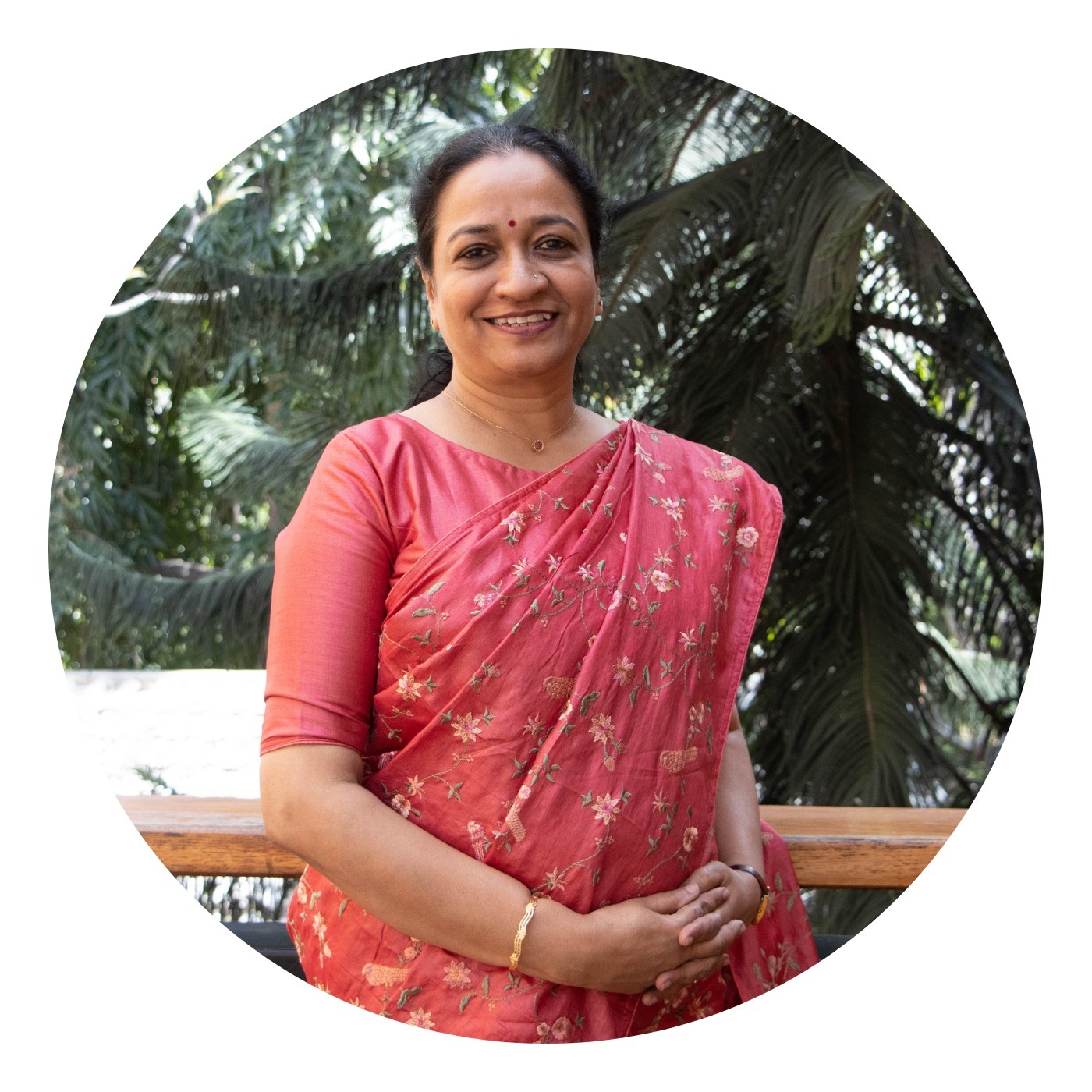
Dr. Indu K Murthy
GuestSector Head-Climate, Environment & Sustainability, CSTEP
Hosts