
India’s energy transition is entering a new phase. The challenge is no longer simply about adding more renewable energy capacity, but about making the power system flexible enough to absorb and use that energy effectively.
This also means rethinking the role of conventional sources, investing in storage, and understanding how states are shaping their transition through policies and distributed renewable energy.
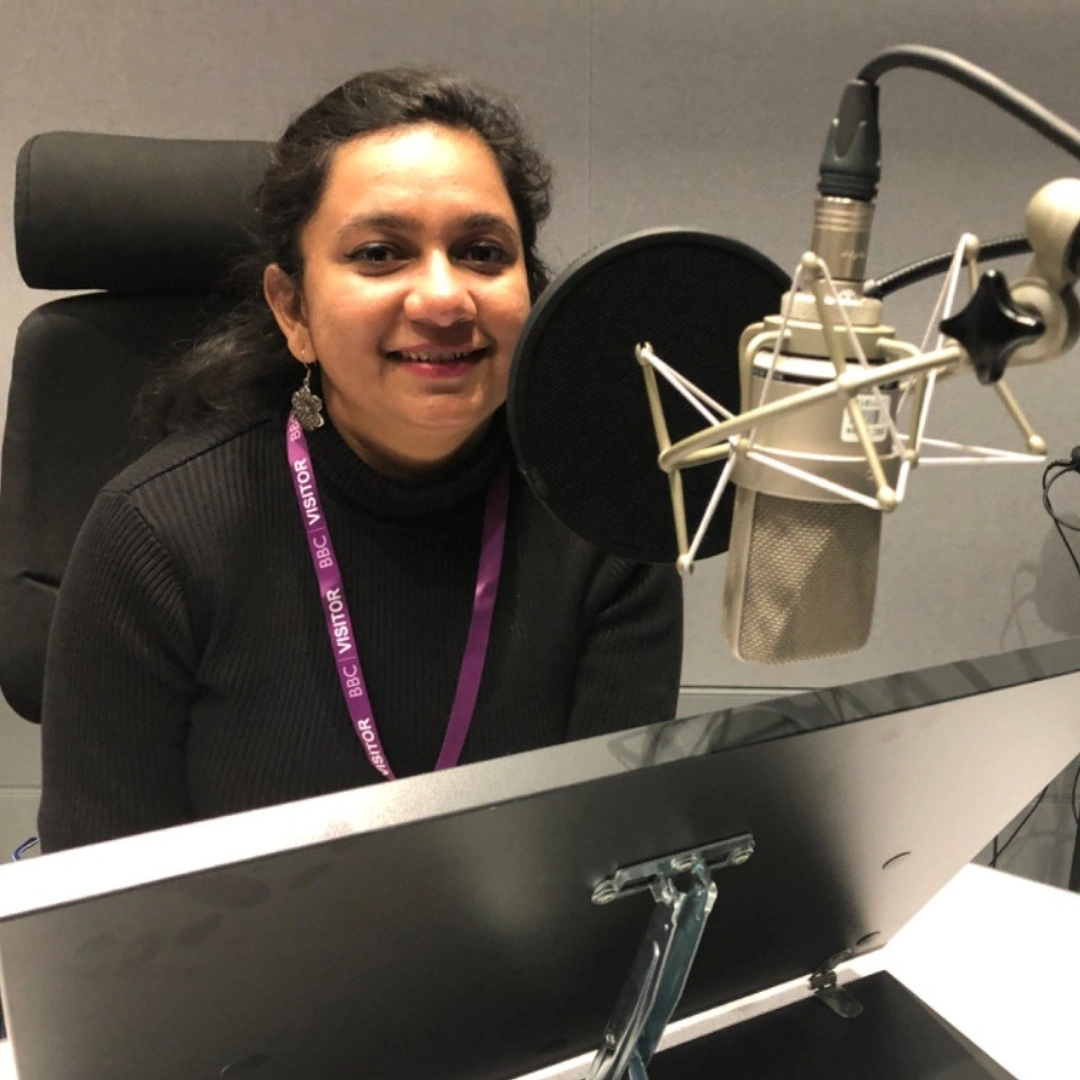
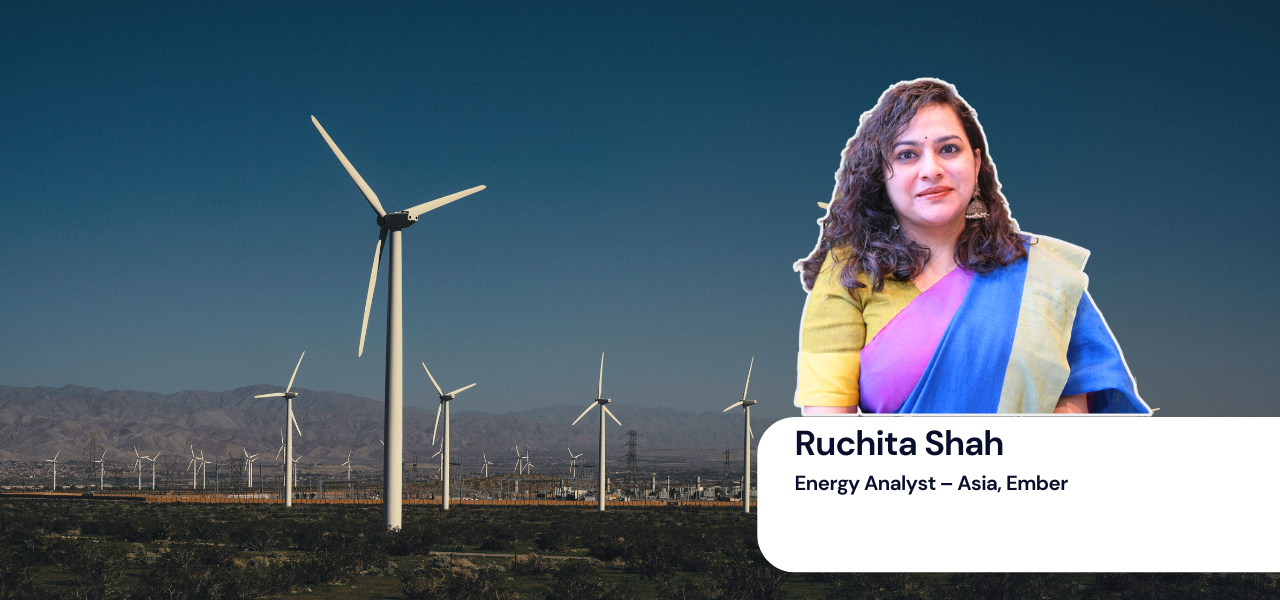
In this episode of The India Energy Hour, we speak with Ruchita Shah, Energy Analyst with Ember’s Asia team, where she focuses on accelerating the global electricity transition, particularly in Asia, with a focus on India. She delves into why flexibility is becoming central to India’s power system, and how rooftop solar and other distributed renewables are changing the way we plan for electricity.
Listen to the episode with full transcript here in English
[Podcast intro]
Welcome to The India Energy Hour, where we explore the biggest questions shaping energy transitions, climate action, and sustainable development in India and beyond.
Your hosts for this episode are Shreya Jai, energy writer and policy analyst, and Dr. Sandeep Pai, energy transition researcher and author.
The show is produced by 101 Reporters, a pan-India network of grassroots reporters that produces original stories from rural India.
If you enjoy listening to The India Energy Hour, please rate us on Spotify, Apple Podcasts, Amazon Music, or wherever you listen to podcasts.
India’s energy transition is entering a new phase. The challenge is no longer simply about adding more renewable energy capacity, but about making the power system flexible enough to absorb and use that energy effectively.
This also means rethinking the role of conventional sources, investing in storage, and understanding how states are shaping their transition through policies and distributed renewable energy.
In this episode of The India Energy Hour, we speak with Ruchita Shah, Energy Analyst with Ember’s Asia team, where she focuses on accelerating the global electricity transition, particularly in Asia, with a focus on India. She delves into why flexibility is becoming central to India’s power system, and how rooftop solar and other distributed renewables are changing the way we plan for electricity.
[Podcast interview]
Shreya Jai: Hello and welcome to the India Energy Hour, Richita. Very glad to have you with us. Your work has seen the length and breadth of the renewable energy sector in India. We have gone through your reports, which talk about energy transition in the States, which is a very, very important topic, something that we’ll also touch upon during our conversation here. So thank you so much for joining us on India Energy Hour.
Ruchita Shah: Thank you, Shreya. Thank you for having me. And this is a great platform. I have been listening to other podcasts and the kind of speakers that have come to this podcast and shared their experiences. Thank you so much for having me here.
Shreya Jai: Glad to know. It’s always, you know, motivating for us to also have a listener as our guest. So happy to know that you listen to this. And I’m sure this episode would be as enriching as the other ones. To start off, I would want our audience to know a little bit about yourself. You have worked across, you know, different segments of the supply chain, if I can say so. But I want to understand how and where did this journey actually start? What drew you to working into the energy sector? And then specifically renewable energy sector? And then move into further deeper into transitions?
Ruchita Shah: So I’ll start with, I grew up in a smaller township, which was around a paper mill. So very much fond of townships, townships sort of setups to grow up and work. And so for me, the automatic or the obvious choice of workplace was like PSUs, because that township was also around a PSU. And that was there in my mind since the time I was growing up. Then later part, I was in Indore, Madhya Pradesh, where I did my electrical engineering. And during engineering, the PSU list narrowed down two likes of NDPC and NHPC, because I took electrical as my engineering discipline.
But by the time I was completing my engineering, the transition story had started to evolve. And that’s where I think I owe this entire vision to work in renewable energy space to my father. He found Terry as a university, which was providing a master’s course for renewable energy engineering and management. And that’s how I came to Delhi and started studying at Terry. And that was a turning point, because at that point, around 2015, 175 gigawatt also was announced. So the journey was also started to take off. Before that, a lot had happened in terms of building the base. But from there, the journey picked up. And in the last five years, it has been really crazy. And after finishing my master’s, I joined Emergent Ventures India, which was a small consulting firm, worked on USAID-funded projects in that consulting firm.
One of my very favorite projects was a wind-solar hybrid. At that point, it was still a new concept. We were, I think, trying to convince solar developers that, OK, this also works if you put a wind turbine and a solar panel together. Now it’s a new normal. You see a lot of hybrid projects already in India. And so I think that remains a very, very favorite and very, a project that defines my journey that started there. And it saw what is happening on ground as well. So that is where my first stint at work happened. And eventually, I got a role at CEEW. And the team I was working with was at cusp of financing and energy transition. So it was a different exposure that what type of money is required, how developers get impacted, or how their decision-making depends on policies and a change in policy also, how it changes the confidence of a developer to put money or investor to put money. So around that time, like around 2017 or so, wind had seen some policy changes. And that also impacted the wind growth, which now is, it’s very convincingly coming back. And the wind capacity addition has increased.
And recently, it was more than, for a quarter, it was more than even solar capacity addition. A brief development for a brief period, but wind is picking up, picking back again. So policy changes and how their impact is happening on financing. So my role at CEEW was to keep the market developments at check, letting my team know what this development means for the renewable energy sector. So a lot of new things happened in those three and three and a half years when I was at CEEW. After that, I got this interesting opportunity to work in a global energy think tank, which is Ember, which is my current employer. How Ember stood different from CEEW for me was Ember is global. So I get to see, at least for Asia, how every other geography is doing. And I tend to always compare, okay, where India stands or how data availability is improved over the last 10, 15 years in terms of at least energy sector. Like you get to do a lot of analysis just because you have that data. Otherwise, for other countries which are still progressing in their energy sector, the data is still a challenge. You may not get that data that easily to even do any sort of analysis. So that’s where I am at the moment in my career journey. So it did not start with renewables at the core, but I think it was a redirection or it was even likes of NTPC redirected themselves to renewable energy. So, of course, it was a great decision that I was pushed into initially because I was not ready to come to Delhi, but I wouldn’t have it any other way.
Shreya Jai: Oh, no, that’s interesting. And I like how you said that, you know, how it has run in parallel with how the sector has moved. The priorities of the sector majors have moved and hence it is a natural move to do that. Absolutely. You’ve also been part of some of the signature reports at Ember and earlier with CEEW. One of your reports that is what sought after is the SET report, the state electricity transition. You recently also came out with a scope report as we were just talking about it on Delhi. So I just wanted to understand, you know, while a lot of people are looking at national level policies, why the focus on states, if you can quickly touch upon that?
Ruchita Shah: Oh, definitely. So at center level, you see India as a nation and you see a lot of capacity addition happening or a policy that is defining the capacity addition or defining the growth of the sector. But how these policies are being implemented or are supplemented by states. So, for example, there is Rajasthan, Gujarat, Maharashtra. They are different if you look at them from Odisha, West Bengal or any other eastern state. So when you decide to see a country from a national lens, you see it very superficially. You have to go deeper into a state to understand what is happening and what’s the state’s story. So different states have contributed differently. And I always say this, eastern part brought us here. And from here, how we take this forward might come from western side. And how they operate together. We cannot ignore one or the other. We have to continuously look at the eastern side as well while we are promoting the western side or celebrating the western side. So this is how, when you look at state level, it goes from how Odisha is doing in certain aspect to how Gujarat is doing. And there is no comparison because every state has its own challenges, has its own, for example, Odisha will have a lot of coal, a lot of coal dependency. Gujarat did not have it. They were already taking it from outside. But they quickly picked up when they saw the opportunity of doing a lot of solar. For that matter, offshore wind as well. So their inherent capabilities are becoming their outcome is because they have that capabilities.
So you cannot compare the states for sure. But you have to look at the states from and just to just to have a have a complete understanding, you have to give scores to them on certain level, not to compare them, but to see the progress. Because I was part of the third version of SET report, but there were two previous reports that already came out in public. So you will see the state’s position also moving. So it’s not that every time there are same three toppers, you have to acknowledge the states which are moving forward. So you’ll see a story coming out in Uttarakhand. You’ll see a story coming out in Uttar Pradesh. And that’s why we started with the scope study on Delhi. Delhi is the first one in the series. We would want to do more in-depth analysis of states as well and see what policies are driving their journey. Same goes for electric vehicles. Same goes for rooftop solar additions. Every state is different and they’re performing very differently in them. So I think looking at state is the only way forward to bring the states to forefront and use their capabilities. So it’s not necessary that the state who is a topper today may not have challenges. So you have to look beyond what they’re doing right and to what more is needed. For example, smart metering will probably not like the topper in smart metering may not be the state which is a topper in putting a lot of solar capacities. So there remains scope to improvement, even for the states which we celebrate as the best states in India at the moment for a clean energy transition.
Shreya Jai: Right. I think it is all about shifting perspectives and talking about the story from ground below because there are 28, 30 different transition stories happening across the country. I’ll now start towards the main topic of our discussion.
And we start with, again, a recent report of yours, which is ‘Beyond capacity and why India’s power system must get flexible’ . The conversation has started, whether it is late or early, that’s up to the jury. But, you know, the system needs to be flexible to harness the solar potential to the record amount of renewable energy that is coming in the system is now worth exploring. And in your report, you have argued that India’s challenge is no longer adding more capacity, but making the power system flexible enough to use it effectively. And we are seeing a lot of examples. During the summer, we have had news of curtailments. There are some shocking numbers that have come out, government numbers which are talking about curtailment because there is not enough transmission. The power sector developers are asking for compensation, saying that there are transmission delays or storage is costlier.
So let’s start with from the vantage point of policymakers. What does this shift to a flexible power system means for the policymakers and for the power sector as a whole?
Ruchita Shah: So I will start with my observation of the entire curtailment story. First thing first, there are two different types of curtailments. One happens when the system is at risk or the stability of entire power system at the national level is at the risk. So that was covered in my report. And then there is another type of curtailment that happens because the transmission network is not enough to take the power from a solar project or a wind project to bring it to consumers. So the very first one that I looked at in my report started because there were numbers that were coming out from grid controller of India. So it’s not like we looked into it because the grid operator was not cognizant of it. So they were already cognizant of it and they were at least producing or sharing the numbers in public domain, which is a very first step that you acknowledge that this is happening. It was not it was not undercover that the numbers were not being shared. And this is just started to be become very visible before 2025. The capacity of solar was not so much probably that the curtailment had happened. And even for that 2025 was a very extraordinarily different year. So the temperatures did not go to the levels we were expecting or to levels they went in 2024. So in a way, the demand was little lesser during the daytime, which led to visibility of curtailment. And when I say curtailment, curtailment of all sorts of renewable resources and all sorts of fossil resources happened. So it’s not just about solar curtailment. Curtailment is happening. It’s just that now it has come down to curtailment of solar as well.
So it starts with, for example, a coal power plant being asked to reduce their generation, a hydropower plant being asked to reduce its generation. Then it comes to probably a solar or a wind plant where they’re asked to reduce their generation. And this type of generation generally gets compensated. So for a developer, this is not a threat. But for transmission as a bottleneck, that type of curtailment is a threat even for the developer because their entire planning of how the money is going to flow in goes away. Like there is a delay in generation reaching the consumers. And so there is a delay in inflow of cash. So that is a different story altogether. But when we specifically talk about how system has to become flexible, the story of renewable energy resource being curtailed comes into play. Because what happens during the daytime is if your demand is, say, X, it has become little lesser and become Y. But you are continuously generating a lot. So during the daytime, whatever you are generating needs to meet the demand. But if demand is gone and it happens, the forecasting error happens. And if that has happened, but you need a coal power plant to run in the evening. So there comes the problem of you cannot shut down coal for the daytime and ask it to operate in the nighttime. So you have to keep your coal capacities at least to your minimum operational level. So there is a term called minimum technical limit, MTL, which is 55% for India at the moment, trying to reach 40% as well. But there are challenges and conversations and a lot of discussions around it. Maybe I’ll touch upon it later. But what happens is coal cannot go beyond certain limit because you need it in the evening. So ultimate problem is you need options for your nighttime or non-solar hours. So that is one thing that you have to continuously think about when you are putting a lot of solar. You have to continuously think about what we are putting for non-solar hours as well.
Another thing that happens is hydropower plant quietly does this flexible balancing act. So it’s easier for a hydropower plant to go down and go up. It is that we have a limited capacity of hydro and we cannot expect a hydropower plant to come up very quickly. It has its own challenges and, of course, the kind of problems it brings with itself. So I wouldn’t want to go into it, but it’s a separate conversation why there is a limit for hydro capacity to be built. So the entire curtailment conversation from my point of view is you have to build flexibility so that you have options to not curtail solar. But at the same time, because you’re dependent on thermal power plants and there is no shying away from that fact that we are still figuring out how to manage our non-solar hour demand. So we need more storage capacity. Of course, we need some demand side flexibility as well. But it’s a far-fetched, not far-fetched, but at least a little medium to long-term solution that the consumers start to absorb whenever more renewables come into the grid. So that is one solution which is not readily available. So the one we have right now is to put batteries to have pumped hydro storage capacities or to have the existing fleet of coal to become more flexible. And they are already doing their part. So we cannot say that coal is not operating flexibly. But there are challenges associated with them to operate flexibly. So I’ll stop here maybe. But yeah.
Shreya Jai: No, you’re absolutely right. The problem is not just the curtailment. It means that, you know, the system operators and system designers would have to reimagine the system, the power system as it was built in the last 75 years or even more than that. Because the system was built around coal or conventional sources to start with. But majorly, obviously, coal, the grid is built like that. It relies on coal. So the whole planning needs to be changed. And even if, you know, there can be flexible coal power plants, something that, you know, leading developers, including NTPC, are modelling. NTPC has said that they might go the minimum technical load can be 45 percent. They are also looking at a pilot where they’re saying MTL can be 25 percent. So all these experiments are happening. The national electricity policy, very interestingly, had a few lines which said that, you know, going forward, it didn’t say a time frame, but it did say that going forward, the system needs to plan around renewable energy and other sources should play a flexible role.
So when a guiding policy says that, what kind of signal does it give to the industry, to the sector?
Ruchita Shah: I think from last at least five years, the entire narrative is changing or at least becoming very renewable energy positive in terms of every other infrastructure needs to be reimagined or we are learning on the go. So even for a system operator or a government or anybody who is in the sector or any stakeholder, this is something that we are learning on the go. So every day and even for that matter, the policy that comes out is well thought policy in most cases. It’s not like it’s not being discussed and consulted, but even then it brings some or the other challenge with it. So we are learning on the go. But such signals at least give the confidence to the people who are putting their money in the sector, because at the end, it comes down to the investments that are going into the sector. So even when I talk about curtailment, it should not alarm us in a way that investments should not happen in this particular sector. It should alarm us to learn more, to learn to operate better. So every time something new happens, you have to optimize, re-optimize, the equilibrium changes. So it cannot remain the same as a system. But it brings us the opportunity to learn better, how to deal with it better. And I think from a policy standpoint, the turnaround time has shortened. Like the turnaround time or the policy reaction has become quicker in recent years. So if you see a challenge, you will automatically start seeing solutions coming up. And a lot of it goes to the think tanks that are operating and the journalists who are covering it. So the messaging is reaching to the government. And in some ways, at least at some level, they’re listening as well. So I think it’s a very positive signal that renewables are becoming central.
And I would just want to say this, this 55% or 40% or 25%, this MTL percentage might alarm a few coal power plants that we can’t because they are older, the technology is old. So it has to be a balanced approach. It cannot be the same for all coal power plants, that you have to do it. You have to understand how the coal power plant is built or in which year it was built. So a recently built power plant with the newer technology, a supercritical, this and that, they will have the ability to operate flexibly, far more flexibly than a project that was, say, commissioned in 1990s. And it is still operational. You cannot just shut it down because there is entire community. And that brings me back to the kind of setup I wanted to work in. A township or entire cities built around it. I have visited Korba in Chhattisgarh. And I saw like multiple coal power plants, multiple communities living around it, dependent on it. So you cannot just not operate them. So you have to find alternatives to at least utilize. And even there, the money has been invested and the infrastructure has been built. So you cannot abandon that. But you have to maybe reinvent the way it’s being used.
Shreya Jai: No, absolutely. And thank you for touching on that aspect, the just transition aspect of this whole debate on, you know, this tug of war that is happening with grid in the center. As we can imagine, one side there is coal and other side, obviously, are these renewable energy sources.
But that brings me to the question that is on everyone’s mind and kind of elephant in the room. What happens to the role of coal then? You know, it’s not you. Your report says that that, you know, it will not disappear overnight. It needs to become flexible. Absolutely. But then what happens to the new plants that are being planned by both public sector and private sector? And what happens to the current plants? You talked about that MTL. You said that MTL doesn’t matter where it is. The system needs to plan accordingly. But what do you envisage the role of coal to be?
Ruchita Shah: Definitely a supporting role. I don’t see it going away as it is. Because at the end of day, the major concern or main priority is to give electricity to people for their development and growth and give it at a price which is affordable as well. So that brings me to another aspect of it that do we want more coal should be a question that is being answered every six months. So it’s a very evolving situation. A very recent FDRE tender which came at 5.35 per unit, like INR 5.35 per unit. So that gives you a confidence level that, oh, firm and dispatchable. Something similar to what coal would have provided is now becoming affordable. So at the end of day, what is affordable is going to lead the market.
Affordability remains a concern, even for a discom that we cannot buy something which is at 8 rupees, 9 rupees if we have a coal which is cheaper. Because they have to cater to the consumer and not all consumers can afford it. So at the end of day, this conversation, how coal is evolving in terms of its role is a very frequent conversation. It will evolve. So at the end, the aim could be to minimize requirement of coal, new coal power plants. But one of the findings from another report that we did in China, like my colleague did in China, was if you want more flexibility, either you build storage or you might need to build more coal to provide that sort of flexibility. So after a point, the flexibility that was coming from coal may not remain available because you have exhausted that headroom.
So the change in its role is important, but how you’re going to use the new coal power plant is also important in what capacity you are envisaging your new power plants. Are you planning those power plants to provide you flexibility? Or are you okay to build more storage and get the flexibility from there? So what’s the purpose of it? How costly that purpose will be for the system? So systemic impact of that, you cannot just look at it as, for example, and that comes to my mind, like it’s just coming to my mind right now. If you build a coal power plant right away, you’ll build a society or community around it. So then again, how you will transition that after, say, 40 years. So it also is a question of how much you are ready to invest. Because at least in my opinion, every coal power plant, every giant coal power plant will bring a community together. A township will be built around it. So we are already not sure how we will deal with the existing ones, how we will manage to reskill them, give them livelihood. And all that problems are already in conversation. So how we will manage the newer ones. So that is also, and this is coming to me while I’m speaking with you. I never, I did not think about it more in detail. But that also is a question to be answered. But yeah, role of coal is a very day-to-day conversation, evolving conversation. It cannot be set in place that we need this much capacity or we have to remain fluid in our approach and in our planning.
Shreya Jai: No, agreed. And I think a lot of this planning would have to come from state level. You know, states like Jharkhand have a just transition task force that they have put up. And it’s taking big steps in that direction. But I think other states also need to do that. West Bengal has a new government coming in and that would be one good direction for it to take. Having said that, I’ll, you know, shift the gears a bit. We have done enough comparison of coal and RE. But there is this new emerging variable in the system that is now catching everyone by surprise by the sheer number. And that is decentralized renewable energy solutions led by two flagship schemes. Surya Ghar, which is rooftop solar. Kusum, which is agri-solar, solar solutions for the agriculture segment. And this in a way disrupts the grid. Now, we have seen some numbers where Surya Ghar was responsible for taking away close to 12, 10 to 12 gigawatt of demand in a day away from the grid. And that number will only increase given the policy push to these two schemes.
So, how do you see the role of DRE on demand supply planning and overall renewable energy sectors, you know, framework that is developing?
Ruchita Shah: I’ll start with some numbers to give the idea where we have reached in last two, two and a half years. I distinctly remember I used to work on a product that CEEW had called Market Handbook, which used to come every quarter. I remember, I remember riding eight gigawatt rooftop capacity. And now it has reached 30. And this is not so far in the past, around 2022, 2023. So, we are in just 2026. So, something has shifted. Something has changed. And one of the bigger changes, the domestic rooftop solar installation. And as urban population, we may not see it happening altogether around us because we live in like in apartments. But the tier two cities, which have bigger houses, a rooftop available, and people with money or people with the intention of decarbonizing or people with the intention of saving on electricity bill are utilizing this policy.
So, the PM Surya Ghar, Mufti Bidjali Yojana has done a fantastic role of pushing the residential rooftop solar in tier two cities in states beyond Gujarat. So, Gujarat has always been a leader in rooftop installation, rooftop solar installation. There is no denying in that. But Maharashtra has come very close to it. For Kerala, the capacity growth is significant in terms of rooftop installations. Uttar Pradesh has shown a lot of growth in last two and a half years. So, I was trying to draw parallels like total rooftop capacity addition and what has happened under PM Surya Ghar, Mufti Bidjali Yojana. And to my surprise, some of the states which have come forward have added a lot of capacity just under PM Surya Ghar, Mufti Bidjali Yojana. It’s not like they were already doing good. So, they were not doing as good as after they started pushing for the scheme. So, what has changed is domestic rooftop solar installation has started dominating the entire RTS installation.
For CNI consumer, it remains as a first step to decarbonize their electricity consumption. However, because net metering is not available or there is a cap on net metering, say 10 kilowatt*, or the financing becomes a challenge or a small or micro or small industry may not have a roof to put solar. So, there are challenges in CNI segment, but the ones who are giant and who have a roof and the money to spend have already exploited RTS as far as they could have. So, the smaller industries, micro industries, or the, for that matter, the apartments in urban areas for the likes of Delhi and Mumbai, how they are going to have more rooftop solar installations going forward remains to be seen. How the policy evolves to cater to these consumers as well, because there is a well-established confidence in RTS as well. So, that’s one aspect of how things have changed in DRE. But at the same time, as you also pointed out, a lot of, a big chunk of demand goes out during the daytime. So, and they all come back in the nighttime because at the moment, they do not have options for non-solar hours. So, the next and very obvious step that I envisage or I think a lot of conversation is going around it is to build storage in rooftop systems as well. To promote batteries for these 3 kilowatt, 2 kilowatt systems as well, or even larger batteries for larger systems. That gives a bit of comfort to the grid operator or the utility in the local network to manage the incoming and outgoing energy, as well as lets the consumer put a bigger solar plant and use its own electricity. And the tariff is not going to go down even for domestic consumers, although it is lesser for domestic consumers compared to CNI. But it is still increasing and it is going to go up only. There is no denying to it.
So, in a way, RTS works. It’s just that how it should not, now is the time to ensure that it doesn’t become a problem for the system, which is already strained with a lot of solar coming in already. So, solar, in a way, some amount of curtailment probably was happening because a lot of demand was withdrawn by rooftop consumers. We cannot say it for sure because rooftop systems are in the local network, but you see its impact propagating upwards. And ultimately, at the national level, the grid operator has to take measures to keep the system stable. So, I think not having storage built might eventually become a problem, may not be a problem right away. But I think having signals to say that hybrid systems, already I think PM Surya Ghar scheme says that hybrid systems are covered. But it’s just that the overall system cost still feels a bit costlier. But having explicit concession for people putting hybrid systems or making hybrid systems in a way like Kerala does it, or they have it at least in conversations that after 5 kilowatt, you have to have a battery inbuilt with your rooftop system. So, some signals of this sort will push the consumers to have a hybrid system. And that helps the consumer at the end of day. It’s not just the grid, but it helps the consumer as well and how it will evolve if the time of day tariff also comes in. So, that also remains to be seen that how a net metering, a time of day tariff, a system without a battery and a system with a battery will operate. Like, all these are together. But yeah, ultimately, DRE do not become a bottleneck. The very straightforward and immediate solution could be a hybrid system. Maybe incentives to put hybrid system.
Shreya Jai: No, great examples. And I am happy you touched upon the states. And as you were discussing earlier in our conversation, how among all these very different and variety of moving pieces, how big a role now states will play. The planning now needs to start from the states rather than it trickling down from the centre.
In the report that I had mentioned earlier, the Indian state electricity transition or the SET report, you have also tracked how states are progressing on different aspects of energy transition. Now that we are on the subject of decentralized RE, on which I might have another follow-up, but I first want to ask you which states have stood out to you in promoting distributed solar or off-grid renewable energy solutions and some of your observation which can be lessons for the other states.
Ruchita Shah: Definitely. As I mentioned, Gujarat has been a leader. I think around 7 gigawatt of total 30. Out of total 30, it takes away 7 itself. So there are 10 states which dominate the larger 30 gigawatt of installed capacity at the moment. One entry is Maharashtra, which is doing almost very close to Gujarat, like around 5 gigawatt or so. But apart from that, and as I mentioned, Uttar Pradesh emerged as one of the states doing better. But then Uttar Pradesh from its size probably has more potential to do rooftop solar. Or then there are states like Andhra Pradesh, which in a way are doing larger part under PM Surya Ghar, Muft Bijli, Yojna. Then there are states like Kerala, which also has done tremendously better because the size of the state is quite small. So for a smaller state, having capacity almost similar to likes of Uttar Pradesh. So the installed capacity of RTS in Uttar Pradesh and Kerala is almost similar. So you can imagine what Kerala has done so well versus any other state, despite its size. It also probably goes to the type of rooftop available in Kerala, the type of spending capacity people in Kerala have versus any other state. So I think there are more caveats to the capacity added. But then there are states like Gujarat, Maharashtra, Uttar Pradesh, Kerala, Tamil Nadu, Karnataka and Andhra Pradesh, who have done better and they capture like more than 80% of total 30 gigawatt that has been installed till now.
And from lessons point of view, I think Gujarat is a very good example. And it was, I think, budding ground for a lot of startups in rooftop solar installations as well. So that, I think, has defined a lot of how the approval process happened, how confident utilities are in letting rooftop solar getting installed, because they are one of the major stakeholders in letting the net meter install, getting the inspection done, how confident they are in the system that it will not trouble them, which I think has always been a concern that how, if a high paying consumer is going away, how I will manage my procurement that I have already done for these consumers. So a lot of that confidence, a lot of that good quality rooftop solar installers, because your system has to perform, then only you build the confidence. So if you see every monsoon, the system is not able to take the wind load, or the systems are not installed properly, they are not generating enough. So this kind of leads to building a confidence level. And I think Gujarat probably was one of those early states which built that entire supply chain of installers, good policy initiatives, good clearances. Because if I go back and look at my internship that I was looking for, one of them was in Gujarat at a rooftop solar installer. So that, and this is back in 2015, 2016. So even at that point, there were startups, or there were well-established rooftop solar installers, which were ready to provide the solutions. So I think there are multiple aspects for a sector to grow. And of course, the PM Surya Ghar Muft Bijli Yojna has attracted a lot of residential consumers, which, by the way, ask a lot of difficult questions. So to convince a residential consumer to put up a solar rooftop, and their questions could be, I will have the system on my roof for like next 25 years. What’s the guarantee that it will generate? And you’ll have a lot of very weird questions from them, and then you have to convince them. They want to put it, but at the same time, they have questions. And for an installer to convince them, to give them the confidence, I think, and not everybody understands it. So convincing everybody in the house. So it remains a challenge.
So I think it’s like a multi-level problem solving that’s happening in a particular state, which is seeing a lot. And then I did not touch upon the financing part of it. So a bank who is readily promoting that we will give you, say, loan for putting up a solar rooftop might work. Or I think this is CEEW’s work they did in Madhya Pradesh to have a cycle rickshaw or some set up roaming around to promote rooftop. It is something that you see for other aspect of life, but a promotional, and this probably is happening in tier two and tier three cities where people still look at a newspaper or such type of advertisements to have that trust in the product. So, I mean, it’s a, in a way, it’s a good initiative to promote RTS. But yeah, so this was in Madhya Pradesh, if I remember correctly.
Shreya Jai: Yeah, I think Madhya Pradesh in several cities, we are seeing that consumer themselves are coming forward. There was this interesting video story, a video documentary that was done by a indoor-based journalist for Sanchi, which is a solar city. And he went around and talked to people and people are genuinely interested and they understand how much panels are needed for how much square foot. It was very interesting hearing that conversation. But again, there were challenges that they talked about, financing being one, going to the bank, asking about the loan, not many knowing that there is a capital subsidy on it.
So, I agree, this needs aggressive campaigning. And glad you mentioned CEEW. I think they had some tie-up with OTT show for some sort of promotion for rooftop solar. It is interesting. I remember a neighbour in my hometown had gotten rooftop solar for a shop come house six years back. And it became a thing. People from, you know, everywhere were coming to just have a look at it. So, I think there is interest, but there needs to be aggressive campaigning and obviously awareness campaign, definitely. And I always say that if Ujwala, something, a fossil fuel can have that sort of campaign, why not Surya Ghar? It definitely should maybe copy that template. But that is one interesting aspect of it.
But there is another aspect and that is the discoms. Whether whatever the state government policies are, however good the scheme is, everything seems to just come to a problematic halt when it comes to discoms. And we are seeing some sort of resistance from discoms towards DRE. Then there are issues on net metering, software and infrastructure syncing has always been a problem. From your experiences, from your observation, is it easing out? And if it isn’t, what are the solutions that can be looked at?
Ruchita Shah: One thing that definitely is different in each state is discoms confidence, discoms comfort of managing this sort of demand. I think Kerala faced a lot of challenges in that front because a lot of consumers are residential consumers in Kerala. So, CNI is not that much. So, when you put a net meter for a residential consumer which doesn’t consume enough during the daytime, so they export that electricity to the grid. And now your local network or your planning goes for a toss. Because you planned for particular units to flow in the network. And now you are having extra electricity which is coming in from the consumer side, which you cannot predict, you cannot control. So, that remains a challenging situation to manage. And one, of course, one solution as Kerala has also put forward is to have batteries, battery energy storage with the system so that the export is at least not coming to you. It’s fine if the demand is going away. You know how much demand might go away on day-to-day basis. But if there is export of electricity which is unpredictable, you are sending two units, some other day you are sending three, and looking at for a large number of consumers, it will become a bigger problem. So, one is letting them store it and use it in the evening. So, in a way, you are using your solar units at the nighttime as well. But this also comes from, say, net metering happening in a state which does not have a good billing and collection efficiency. So, some states where the consumers pay the bill on time, get the accurate bill, eventually has smart meters as well, versus a state which has to deal with electricity theft or consumer not paying bills on time. So, there are challenges on that front already. And then you put them through this entire DRE system that they have to let people have net meters at their, and I’m very specifically talking about residential consumers at the moment because CNI, I think CNI has a different sort of problem for the DISCOM. But for DISCOM, knowing what is going to happen to them is more important. Like, predictability of the exported electricity coming to them is one thing. But definitely, DISCOMs, I have seen them evolving. I will not say that the resistance is same as when the policy first came. And it evolved. For example, earlier net metering was allowed for a bigger chunk of RTS as well. Now, it has been capped at 10 kilowatt*. So, that also becomes evolution of a policy itself. And I think eventually, even if net metering goes away, the system should be able to stand on its own. It should not be like it will only exist or survive if there is net metering. I agree it is right now required to build the momentum. But eventually, it might as well just become a net billing system where you consume a number of units. Like, it’s different from net metering in a way that the electricity consumed at a later day will be different.
So, right now, net metering lets you consume your daytime electricity in the nighttime at the same tariff. So, you don’t, like, ultimately, the bill tends to become or comes closer to zero or your band in which your electricity is being consumed shifts to a lower band. So, the tariff becomes lower. So, it gives benefit at the moment. But eventually, it might evolve to a net billing system or a gross metering system for that matter. And CNI already has a gross metering system. And I think that also makes them question if they want to go through gross metering or they want to put a battery. So, what is more beneficial for them? So, the evolution is anyway going to happen and incentives cannot live forever. They fade away. And I think now, with time, even the policies are taking that direction where there is a phase-out plan where incentives taper down. So, for example, ISTS charges were there for, like, it felt they will remain there forever. But it came a time when they are also being tapered down. So, the incentives cannot be there forever, but they are there to build the base. And that happened for utility-scale projects. A lot of ISTS-connected projects came in. A lot of capacity has been built for both wind and solar. So, I think incentives are important, but with an end date of sorts.
Shreya Jai: I agree on that aspect. And, yes, I think the DISCOMs need to evolve. And as our conversation has shown, I think the whole system is evolving and needs to evolve. It’s starting from a thermopower plant, its township around, from how coal is being made, how much coal produces, how much thermal power, how much thermopower is used, how the transition happens in that area to the last mile where the DISCOM has to handle. Roofed off coming on households, which is a scattered demand center. You can’t capture it.
So, I think the system is entering into a phase where it has to evolve. In a Robert Frost, words of Robert Frost, we are seeing two roads and we’ll see where each of the stakeholders take those roads. But, yeah, that brings us to the end of this very fascinating conversation. Thank you so much. We touched so many aspects and yet a lot is left. CNI is something that is another separate discussion and we’d love to have with you some other day, some other time. But thank you. Thank you yet again for being here and recording this with us.
Ruchita Shah: Thank you so much for having me here. And I think I also got a lot of ideas from here to work on my future reports. And I’m right now working on a report which discusses rooftop and residential segment as is. And that’s why I had numbers on my tips to share that, OK, I’m observing this pattern and this is what is evolving. So, it was really interesting talking with you and thank you for having me.
Shreya Jai: Thank you. And we look forward to reading that report.
* Correction: The net metering cap cited earlier as 10 kW should read 500 kW. The 10 kW cap was briefly applied under the Electricity (Rights of Consumers) Rules, 2020, and was subsequently revised to 500 kW.
[Podcast outro]
Thank you for listening to The India Energy Hour! Subscribe to this channel to never miss an update. To drop us a feedback, visit our website or write to us at [email protected]
We are on Twitter. You can follow @tieh_podcast and get in touch with 2 hosts @shreya_jai and @sandeeppai
Thank you for tuning in. Join us again for our next episode.
[end]
Listen to the episode with full transcript here in Hindi
पॉडकास्ट परिचय
इंडिया एनर्जी आवर में आपका स्वागत है, जहाँ हम भारत और उसके बाहर एनर्जी ट्रांज़िशन, क्लाइमेट एक्शन और सस्टेनेबल डेवलपमेंट को आकार देने वाले सबसे बड़े सवालों पर बात करेंगे। इस एपिसोड के लिए आपके होस्ट हैं श्रेया जय, एनर्जी राइटर और पॉलिसी एनालिस्ट, और डॉ. संदीप पई, एनर्जी ट्रांज़िशन रिसर्चर और लेखक। यह शो 101 रिपोर्टर्स ने बनाया है, जो ज़मीनी स्तर के रिपोर्टरों का एक पैन-इंडिया नेटवर्क है जो ग्रामीण भारत से ओरिजिनल कहानियाँ बनाता है।
अगर आपको इंडिया एनर्जी आवर सुनना पसंद है, तो कृपया हमें Spotify, Apple Podcasts, Amazon Music या जहाँ भी आप पॉडकास्ट सुनते हैं, वहाँ रेट करें।
भारत का एनर्जी ट्रांज़िशन एक नए फेज़ में जा रहा है। चुनौती अब सिर्फ़ और रिन्यूएबल एनर्जी कैपेसिटी जोड़ने की नहीं है, बल्कि पावर सिस्टम को इतना फ्लेक्सिबल बनाने की है कि वह उस एनर्जी को अच्छे से एब्ज़ॉर्ब और इस्तेमाल कर सके। इसका मतलब यह भी है कि पारंपरिक सोर्स की भूमिका पर फिर से सोचना होगा, स्टोरेज में इन्वेस्ट करना होगा और यह समझना होगा कि राज्य पॉलिसी और डिस्ट्रिब्यूटेड रिन्यूएबल एनर्जी के ज़रिए अपने ट्रांज़िशन को कैसे आकार दे रहे हैं।
इंडिया एनर्जी आवर के इस एपिसोड में, हम एम्बर की एशिया टीम की एनर्जी एनालिस्ट रिचिता शाह से बात करते हैं, जहाँ वह ग्लोबल इलेक्ट्रिसिटी ट्रांज़िशन को तेज़ करने पर फोकस करती हैं, खासकर एशिया में, जिसमें इंडिया पर फोकस है। वह इस बात पर डिटेल में बात करती हैं कि फ्लेक्सिबिलिटी इंडिया के पावर सिस्टम के लिए क्यों सेंट्रल होती जा रही है और रूफटॉप सोलर और दूसरे डिस्ट्रिब्यूटेड रिन्यूएबल्स कैसे इलेक्ट्रिसिटी के लिए हमारी प्लानिंग के तरीके को बदल रहे हैं।
श्रेया जय: नमस्ते और इंडिया एनर्जी आवर में आपका स्वागत है, रिचिता। आपको हमारे साथ पाकर बहुत खुशी हुई। आपके काम ने भारत में रिन्यूएबल एनर्जी सेक्टर की लंबाई और चौड़ाई देखी है। हमने आपकी रिपोर्ट्स देखी हैं, जो स्टेट्स में एनर्जी ट्रांज़िशन के बारे में बात करती हैं, जो एक बहुत ही ज़रूरी टॉपिक है, जिस पर हम यहां अपनी बातचीत के दौरान भी बात करेंगे। तो इंडिया एनर्जी आवर में हमारे साथ जुड़ने के लिए आपका बहुत-बहुत धन्यवाद।
रुचिता शाह: थैंक यू, श्रेया। मुझे बुलाने के लिए थैंक यू। और यह एक बढ़िया प्लेटफॉर्म है। मैं दूसरे पॉडकास्ट और इस पॉडकास्ट पर आने वाले स्पीकर्स को सुन रही थी और उन्होंने अपने एक्सपीरियंस शेयर किए। मुझे यहां बुलाने के लिए आपका बहुत-बहुत थैंक यू।
श्रेया जय: जानकर खुशी हुई। आप जानते हैं, हमारे लिए यह हमेशा मोटिवेटिंग होता है कि हमारे गेस्ट के तौर पर कोई सुनने वाला भी हो। यह जानकर बहुत खुशी हुई कि आप इसे सुन रहे हैं। और मुझे यकीन है कि यह एपिसोड भी दूसरे एपिसोड की तरह ही सीखने वाला होगा। शुरू करने के लिए, मैं चाहूंगी कि हमारी ऑडियंस आपके बारे में थोड़ा जान लें। आपने, आप जानते हैं, सप्लाई चेन के अलग-अलग सेगमेंट में काम किया है, अगर मैं ऐसा कह सकती हूं। लेकिन मैं यह समझना चाहती हूं कि यह सफ़र असल में कैसे और कहां से शुरू हुआ? आपको एनर्जी सेक्टर में काम करने के लिए क्या चीज़ खींच लाई? और फिर खास तौर पर रिन्यूएबल एनर्जी सेक्टर में? और फिर और गहराई में बदलावों में?
रुचिता शाह: तो मैं शुरू करती हूँ, मैं एक छोटे से टाउनशिप में पली-बढ़ी, जो एक पेपर मिल के आस-पास था। इसलिए मुझे टाउनशिप बहुत पसंद थे, टाउनशिप जैसे सेटअप जहाँ मैं बड़ी होकर काम कर सकूँ। और इसलिए मेरे लिए, काम करने की जगह का ऑटोमैटिक या साफ़ ऑप्शन PSUs था, क्योंकि वह टाउनशिप भी एक PSU के आस-पास था। और यह बात मेरे दिमाग में तब से थी जब मैं बड़ी हो रही थी। फिर बाद में, मैं इंदौर, मध्य प्रदेश में थी, जहाँ मैंने अपनी इलेक्ट्रिकल इंजीनियरिंग की। और इंजीनियरिंग के दौरान, PSU लिस्ट में NDPC और NHPC जैसे दो सब्जेक्ट कम हो गए, क्योंकि मैंने इलेक्ट्रिकल को अपने इंजीनियरिंग सब्जेक्ट के तौर पर लिया था।
लेकिन जब तक मैं अपनी इंजीनियरिंग पूरी कर रहा था, तब तक बदलाव की कहानी बदलनी शुरू हो गई थी। और यहीं पर मुझे लगता है कि रिन्यूएबल एनर्जी के क्षेत्र में काम करने का यह पूरा विज़न मेरे पिता का है। उन्हें टेरी नाम की एक यूनिवर्सिटी मिली, जो रिन्यूएबल एनर्जी इंजीनियरिंग और मैनेजमेंट के लिए मास्टर कोर्स करा रही थी। और इस तरह मैं दिल्ली आया और टेरी में पढ़ाई शुरू की। और वह एक टर्निंग पॉइंट था, क्योंकि उस समय, लगभग 2015 में, 175 गीगावाट की भी घोषणा हुई थी। तो सफ़र भी शुरू हो गया था। उससे पहले, बेस बनाने के मामले में बहुत कुछ हुआ था। लेकिन वहाँ से, सफ़र ने रफ़्तार पकड़ी। और पिछले पाँच सालों में, यह सच में बहुत क्रेज़ी रहा है। और अपनी मास्टर्स पूरी करने के बाद, मैं इमर्जेंट वेंचर्स इंडिया में शामिल हो गया, जो एक छोटी कंसल्टिंग फर्म थी, उस कंसल्टिंग फर्म में USAID-फंडेड प्रोजेक्ट्स पर काम किया।
मेरे सबसे पसंदीदा प्रोजेक्ट्स में से एक विंड-सोलर हाइब्रिड था। उस समय, यह अभी भी एक नया कॉन्सेप्ट था। मुझे लगता है, हम सोलर डेवलपर्स को यह समझाने की कोशिश कर रहे थे कि, ठीक है, यह तब भी काम करता है जब आप एक विंड टर्बाइन और एक सोलर पैनल एक साथ लगाते हैं। अब यह एक नया नॉर्मल है। आप भारत में पहले से ही बहुत सारे हाइब्रिड प्रोजेक्ट्स देखते हैं। और इसलिए मुझे लगता है कि यह एक बहुत, बहुत पसंदीदा और बहुत ही, एक ऐसा प्रोजेक्ट है जो मेरी यात्रा को परिभाषित करता है जो वहीं से शुरू हुई थी। और इसने यह भी देखा कि जमीन पर क्या हो रहा है। तो वहीं मेरा पहला काम हुआ। और आखिरकार, मुझे CEEW में एक रोल मिला। और जिस टीम के साथ मैं काम कर रहा था, वह फाइनेंसिंग और एनर्जी ट्रांज़िशन के कगार पर थी। तो यह एक अलग एक्सपोज़र था कि किस तरह के पैसे की ज़रूरत है, डेवलपर्स पर कैसे असर पड़ता है, या उनके फैसले लेने की क्षमता पॉलिसी और पॉलिसी में बदलाव पर कैसे निर्भर करती है, यह कैसे एक डेवलपर के पैसे लगाने या इन्वेस्टर के पैसे लगाने के कॉन्फिडेंस को बदलता है। तो उस समय के आसपास, जैसे 2017 के आसपास, विंड में कुछ पॉलिसी बदलाव हुए थे। और इससे विंड ग्रोथ पर भी असर पड़ा, जो अब, बहुत अच्छे से वापस आ रही है। और विंड कैपेसिटी में बढ़ोतरी हुई है।
और हाल ही में, यह एक क्वार्टर के लिए, सोलर कैपेसिटी एडिशन से भी ज़्यादा था। थोड़े समय के लिए एक छोटा सा डेवलपमेंट, लेकिन विंड एनर्जी बढ़ रही है, फिर से बढ़ रही है। तो पॉलिसी में बदलाव और फाइनेंसिंग पर उनका असर कैसे हो रहा है। तो CEEW में मेरा रोल मार्केट डेवलपमेंट को चेक पर रखना था, अपनी टीम को यह बताना कि इस डेवलपमेंट का रिन्यूएबल एनर्जी सेक्टर के लिए क्या मतलब है। तो उन साढ़े तीन सालों में जब मैं CEEW में था, बहुत सी नई चीजें हुईं। उसके बाद, मुझे एक ग्लोबल एनर्जी थिंक टैंक में काम करने का यह दिलचस्प मौका मिला, जो एम्बर है, जो मेरा अभी का एम्प्लॉयर है। एम्बर मेरे लिए CEEW से अलग इसलिए था क्योंकि एम्बर ग्लोबल है। तो मुझे देखने को मिलता है, कम से कम एशिया के लिए, कि हर दूसरी जगह कैसा कर रही है। और मैं हमेशा तुलना करता हूं, ठीक है, इंडिया कहां खड़ा है या पिछले 10, 15 सालों में कम से कम एनर्जी सेक्टर के मामले में डेटा अवेलेबिलिटी कैसे बेहतर हुई है। जैसे आपको बहुत सारा एनालिसिस करने को मिलता है क्योंकि आपके पास वह डेटा है। वरना, दूसरे देशों के लिए जो अभी भी अपने एनर्जी सेक्टर में प्रोग्रेस कर रहे हैं, डेटा अभी भी एक चैलेंज है। हो सकता है कि आपको किसी भी तरह का एनालिसिस करने के लिए भी वह डेटा आसानी से न मिले। तो मैं अभी अपने करियर के सफ़र में यहीं हूँ। तो यह कोर में रिन्यूएबल्स से शुरू नहीं हुआ था, लेकिन मुझे लगता है कि यह एक रीडायरेक्शन था या NTPC जैसों ने खुद को रिन्यूएबल एनर्जी की ओर रीडायरेक्ट किया। तो, बेशक, यह एक बहुत अच्छा फ़ैसला था जो मुझे शुरू में लेने के लिए मजबूर किया गया था क्योंकि मैं दिल्ली आने के लिए तैयार नहीं था, लेकिन मैं इसे किसी और तरह से नहीं चाहता था।
श्रेया जय: ओह, नहीं, यह दिलचस्प है। और मुझे अच्छा लगा कि आपने कहा कि, आप जानते हैं, यह सेक्टर के आगे बढ़ने के साथ-साथ कैसे चलता रहा है। सेक्टर के बड़े लोगों की प्राथमिकताएं बदल गई हैं और इसलिए ऐसा करना एक स्वाभाविक कदम है। बिल्कुल। आप एम्बर और पहले CEEW के साथ कुछ सिग्नेचर रिपोर्ट्स का भी हिस्सा रही हैं। आपकी एक रिपोर्ट जो बहुत ज़्यादा डिमांड में है, वह है SET रिपोर्ट, राज्यों में बिजली के बदलाव पर। आप हाल ही में एक स्कोप रिपोर्ट भी लेकर आई थीं, जब हम दिल्ली पर इसके बारे में बात कर रहे थे। तो मैं बस यह समझना चाहती थी, आप जानते हैं, जब बहुत से लोग नेशनल लेवल की पॉलिसीज़ देख रहे हैं, तो राज्यों पर फोकस क्यों है, अगर आप इस पर जल्दी से बात कर सकें?
रुचिता शाह: हाँ, बिल्कुल। तो सेंटर लेवल पर, आप इंडिया को एक देश के तौर पर देखते हैं और आप देखते हैं कि बहुत ज़्यादा कैपेसिटी एडिशन हो रहा है या कोई पॉलिसी जो कैपेसिटी एडिशन को डिफाइन कर रही है या सेक्टर की ग्रोथ को डिफाइन कर रही है। लेकिन इन पॉलिसी को कैसे लागू किया जा रहा है या राज्यों द्वारा उन्हें सप्लीमेंट किया जा रहा है। तो, उदाहरण के लिए, राजस्थान, गुजरात, महाराष्ट्र हैं। अगर आप उन्हें ओडिशा, पश्चिम बंगाल या किसी दूसरे पूर्वी राज्य से देखें तो वे अलग हैं। इसलिए जब आप किसी देश को नेशनल नज़रिए से देखने का फैसला करते हैं, तो आप इसे बहुत ऊपरी तौर पर देखते हैं। आपको यह समझने के लिए कि क्या हो रहा है और राज्य की कहानी क्या है, किसी राज्य में गहराई से जाना होगा। तो अलग-अलग राज्यों ने अलग-अलग तरह से योगदान दिया है। और मैं हमेशा यही कहती हूँ, पूर्वी हिस्सा हमें यहाँ लाया है। और यहाँ से, हम इसे कैसे आगे बढ़ाते हैं, यह पश्चिमी हिस्से से आ सकता है। और वे एक साथ कैसे काम करते हैं। हम एक या दूसरे को नज़रअंदाज़ नहीं कर सकते। हमें लगातार पूर्वी हिस्से को भी देखना होगा, जबकि हम पश्चिमी हिस्से को प्रमोट कर रहे हैं या पश्चिमी हिस्से का जश्न मना रहे हैं। तो इस तरह, जब आप राज्य लेवल पर देखते हैं, तो यह ओडिशा के कुछ पहलुओं से गुजरात के प्रदर्शन तक जाता है। और इसकी कोई तुलना नहीं है क्योंकि हर राज्य की अपनी चुनौतियाँ हैं, अपनी हैं, जैसे, ओडिशा के पास बहुत ज़्यादा कोयला होगा, कोयले पर बहुत ज़्यादा निर्भरता होगी। गुजरात के पास यह नहीं था। वे पहले से ही इसे बाहर से ले रहे थे। लेकिन जब उन्होंने बहुत ज़्यादा सोलर करने का मौका देखा तो उन्होंने तेज़ी से इसे अपना लिया। इस मामले में, ऑफशोर विंड भी। इसलिए उनकी अंदरूनी क्षमताएँ उनका नतीजा बन रही हैं क्योंकि उनके पास वह क्षमताएँ हैं।
तो आप पक्का राज्यों की तुलना नहीं कर सकते। लेकिन आपको राज्यों को देखना होगा और पूरी तरह समझने के लिए, आपको उन्हें एक खास लेवल पर स्कोर देने होंगे, उनकी तुलना करने के लिए नहीं, बल्कि प्रोग्रेस देखने के लिए। क्योंकि मैं SET रिपोर्ट के तीसरे वर्जन का हिस्सा था, लेकिन दो पिछली रिपोर्ट पहले ही पब्लिक में आ चुकी थीं। तो आप देखेंगे कि राज्य की स्थिति भी बदल रही है। तो ऐसा नहीं है कि हर बार वही तीन टॉपर हों, आपको उन राज्यों को मानना होगा जो आगे बढ़ रहे हैं। तो आप उत्तराखंड में एक कहानी सामने आते देखेंगे। आप उत्तर प्रदेश में एक कहानी सामने आते देखेंगे। और इसीलिए हमने दिल्ली पर स्कोप स्टडी से शुरुआत की। दिल्ली इस सीरीज़ में पहला है। हम राज्यों का और भी गहराई से एनालिसिस करना चाहेंगे और देखना चाहेंगे कि कौन सी पॉलिसी उनके सफ़र को आगे बढ़ा रही हैं। यही बात इलेक्ट्रिक गाड़ियों पर भी लागू होती है। यही बात रूफटॉप सोलर एडिशन पर भी लागू होती है। हर राज्य अलग है और वे उनमें बहुत अलग तरह से परफॉर्म कर रहे हैं। इसलिए मुझे लगता है कि राज्यों को सबसे आगे लाने और उनकी क्षमताओं का इस्तेमाल करने के लिए राज्य को देखना ही आगे बढ़ने का एकमात्र तरीका है। तो यह ज़रूरी नहीं है कि जो राज्य आज टॉपर है, उसके सामने चुनौतियाँ न हों। इसलिए आपको यह देखना होगा कि वे क्या सही कर रहे हैं और क्या ज़रूरी है। उदाहरण के लिए, स्मार्ट मीटरिंग में टॉपर होने वाला राज्य शायद ज़्यादा सोलर कैपेसिटी लगाने में टॉपर न हो। इसलिए सुधार की गुंजाइश बनी हुई है, उन राज्यों के लिए भी जिन्हें हम इस समय क्लीन एनर्जी ट्रांज़िशन के लिए भारत के सबसे अच्छे राज्य मानते हैं।
श्रेया जय : सही है। मुझे लगता है कि यह सब नज़रिया बदलने और ज़मीन से कहानी पर बात करने के बारे में है क्योंकि देश भर में 28, 30 अलग-अलग बदलाव की कहानियाँ हो रही हैं। अब मैं हमारी चर्चा के मुख्य विषय पर आऊँगी।
और हम फिर से आपकी एक हालिया रिपोर्ट से शुरू करते हैं, जो है ‘क्षमता से परे और भारत की बिजली व्यवस्था को लचीला क्यों होना चाहिए’। बातचीत शुरू हो गई है, चाहे देर से हो या जल्दी, यह जूरी पर निर्भर है। लेकिन, आप जानते हैं, सिस्टम में आने वाली अक्षय ऊर्जा की रिकॉर्ड मात्रा के लिए सौर क्षमता का दोहन करने के लिए सिस्टम को लचीला होना चाहिए, जो अब खोज करने लायक है। और आपकी रिपोर्ट में, आपने तर्क दिया है कि भारत की चुनौती अब और अधिक क्षमता जोड़ना नहीं है, बल्कि बिजली प्रणाली को पर्याप्त लचीला बनाना है ताकि इसका प्रभावी ढंग से उपयोग किया जा सके। और हम बहुत सारे उदाहरण देख रहे हैं। गर्मियों के दौरान, हमें कटौती की खबरें मिली हैं। कुछ चौंकाने वाले आंकड़े सामने आए हैं, सरकारी आंकड़े जो कटौती की बात कर रहे हैं क्योंकि पर्याप्त ट्रांसमिशन नहीं है
तो चलिए पॉलिसी बनाने वालों के नज़रिए से शुरू करते हैं। फ्लेक्सिबल पावर सिस्टम में इस बदलाव का पॉलिसी बनाने वालों और पूरे पावर सेक्टर के लिए क्या मतलब है?
रुचिता शाह: तो मैं पूरी कटौती की कहानी पर अपने ऑब्ज़र्वेशन से शुरू करूँगी। सबसे पहली बात, कटौती दो अलग-अलग तरह की होती है। एक तब होती है जब सिस्टम रिस्क में होता है या नेशनल लेवल पर पूरे पावर सिस्टम की स्टेबिलिटी रिस्क में होती है। तो यह मेरी रिपोर्ट में कवर किया गया था। और फिर एक और तरह की कटौती होती है जो तब होती है जब ट्रांसमिशन नेटवर्क सोलर प्रोजेक्ट या विंड प्रोजेक्ट से पावर लेकर कंज्यूमर्स तक पहुँचाने के लिए काफी नहीं होता है। तो सबसे पहले मैंने अपनी रिपोर्ट में जो देखा वह इसलिए शुरू हुआ क्योंकि इंडिया के ग्रिड कंट्रोलर से नंबर आ रहे थे। तो ऐसा नहीं है कि हमने इसे इसलिए देखा क्योंकि ग्रिड ऑपरेटर को इसकी जानकारी नहीं थी। तो वे पहले से ही इसके बारे में जानते थे और वे कम से कम नंबर पब्लिक डोमेन में दिखा रहे थे या शेयर कर रहे थे, जो कि पहला कदम है कि आप मानते हैं कि यह हो रहा है। यह कोई अंडरकवर नहीं था कि नंबर शेयर नहीं किए जा रहे थे। और यह 2025 से पहले ही बहुत ज़्यादा दिखने लगा है। सोलर की कैपेसिटी शायद इतनी ज़्यादा नहीं थी कि कटौती हुई हो। और उसके लिए भी 2025 बहुत ही अलग साल था। इसलिए टेम्परेचर उस लेवल तक नहीं गया जिसकी हम उम्मीद कर रहे थे या 2024 में जिस लेवल तक गया था। तो एक तरह से, दिन के समय डिमांड थोड़ी कम थी, जिससे कटौती दिखी। और जब मैं कटौती कहता हूं, तो सभी तरह के रिन्यूएबल रिसोर्स और सभी तरह के फॉसिल रिसोर्स में कटौती हुई। तो यह सिर्फ सोलर कटौती के बारे में नहीं है। कटौती हो रही है। बस अब यह सोलर कटौती तक आ गया है।
तो यह शुरू होता है, उदाहरण के लिए, एक कोल पावर प्लांट को अपना जेनरेशन कम करने के लिए कहा जाता है, एक हाइड्रोपावर प्लांट को अपना जेनरेशन कम करने के लिए कहा जाता है। फिर यह शायद एक सोलर या विंड प्लांट की बात आती है जहाँ उन्हें अपना जेनरेशन कम करने के लिए कहा जाता है। और इस तरह के जेनरेशन के लिए आम तौर पर मुआवज़ा मिलता है। तो एक डेवलपर के लिए, यह कोई खतरा नहीं है। लेकिन ट्रांसमिशन के लिए एक बॉटलनेक के तौर पर, उस तरह की कटौती डेवलपर के लिए भी एक खतरा है क्योंकि पैसा कैसे आएगा, इसकी उनकी पूरी प्लानिंग ही खत्म हो जाती है। जैसे कंज्यूमर्स तक जेनरेशन पहुँचने में देरी होती है। और इसलिए कैश के इनफ्लो में देरी होती है। तो यह पूरी तरह से एक अलग कहानी है। लेकिन जब हम खास तौर पर इस बारे में बात करते हैं कि सिस्टम को कैसे फ्लेक्सिबल बनना है, तो रिन्यूएबल एनर्जी रिसोर्स में कटौती की कहानी सामने आती है। क्योंकि दिन के समय क्या होता है कि अगर आपकी डिमांड, मान लीजिए, X है, तो यह थोड़ी कम हो गई है और Y हो गई है। लेकिन आप लगातार बहुत ज़्यादा जेनरेशन कर रहे हैं। तो दिन के समय, आप जो भी जेनरेशन कर रहे हैं, उसे डिमांड को पूरा करने की ज़रूरत है। लेकिन अगर डिमांड खत्म हो जाती है और ऐसा होता है, तो फोरकास्टिंग एरर होता है। और अगर ऐसा हुआ है, लेकिन आपको शाम को चलाने के लिए कोयले का पावर प्लांट चाहिए। तो दिक्कत यह आती है कि आप दिन के लिए कोयला बंद नहीं कर सकते और उसे रात में चलाने के लिए कह सकते हैं। इसलिए आपको अपनी कोयले की कैपेसिटी को कम से कम अपने मिनिमम ऑपरेशनल लेवल पर रखना होगा। तो एक टर्म है जिसे मिनिमम टेक्निकल लिमिट, MTL कहते हैं, जो अभी इंडिया के लिए 55% है, और इसे 40% तक पहुंचाने की कोशिश कर रहे हैं। लेकिन इसके आस-पास चैलेंज और बातचीत और बहुत सारी चर्चाएं हैं। शायद मैं इस पर बाद में बात करूंगा। लेकिन होता यह है कि कोयला एक तय लिमिट से आगे नहीं जा सकता क्योंकि आपको इसकी ज़रूरत शाम को होती है। तो आखिरी दिक्कत यह है कि आपको अपने रात के समय या नॉन-सोलर घंटों के लिए ऑप्शन चाहिए। तो यह एक ऐसी चीज़ है जिसके बारे में आपको लगातार सोचना होगा जब आप बहुत सारा सोलर लगा रहे हों। आपको लगातार यह भी सोचना होगा कि हम नॉन-सोलर घंटों के लिए क्या लगा रहे हैं।
एक और बात जो होती है, वह यह है कि हाइड्रोपावर प्लांट चुपचाप यह फ्लेक्सिबल बैलेंसिंग एक्ट करता है। इसलिए हाइड्रोपावर प्लांट के लिए नीचे जाना और ऊपर जाना आसान होता है। बात यह है कि हमारे पास हाइड्रो की लिमिटेड कैपेसिटी है और हम यह उम्मीद नहीं कर सकते कि हाइड्रोपावर प्लांट बहुत जल्दी बन जाएगा। इसके अपने चैलेंज हैं और, ज़ाहिर है, यह अपने साथ किस तरह की प्रॉब्लम लाता है। इसलिए मैं इस पर बात नहीं करना चाहूंगा, लेकिन यह एक अलग बातचीत है कि हाइड्रो कैपेसिटी बनाने की लिमिट क्यों है। इसलिए मेरे नज़रिए से पूरी कटौती की बातचीत यह है कि आपको फ्लेक्सिबिलिटी बनानी होगी ताकि आपके पास सोलर को कम न करने के ऑप्शन हों। लेकिन साथ ही, क्योंकि आप थर्मल पावर प्लांट पर डिपेंडेंट हैं और इस बात से कोई कतरा नहीं सकता कि हम अभी भी यह पता लगा रहे हैं कि अपनी नॉन-सोलर घंटे की डिमांड को कैसे मैनेज करें। इसलिए हमें और स्टोरेज कैपेसिटी की ज़रूरत है। बेशक, हमें कुछ डिमांड साइड फ्लेक्सिबिलिटी की भी ज़रूरत है। लेकिन यह एक दूर की कौड़ी है, दूर की कौड़ी नहीं, लेकिन कम से कम एक मीडियम से लॉन्ग-टर्म सॉल्यूशन है जिसे कंज्यूमर तब अपनाना शुरू कर देते हैं जब ग्रिड में और रिन्यूएबल एनर्जी आती है। तो यह एक ऐसा सॉल्यूशन है जो आसानी से अवेलेबल नहीं है। तो अभी हमारे पास जो सॉल्यूशन है, वह है बैटरी को पंप्ड हाइड्रो स्टोरेज कैपेसिटी में डालना या कोयले के मौजूदा फ्लीट को और फ्लेक्सिबल बनाना। और वे पहले से ही अपना काम कर रहे हैं। इसलिए हम यह नहीं कह सकते कि कोयला फ्लेक्सिबल तरीके से ऑपरेट नहीं कर रहा है। लेकिन फ्लेक्सिबल तरीके से ऑपरेट करने में उनके साथ चैलेंज जुड़े हैं। तो शायद मैं यहीं रुक जाऊं। लेकिन हां।
श्रेया जय: नहीं, आप बिल्कुल सही कह रही हैं। प्रॉब्लम सिर्फ़ कटौती नहीं है। इसका मतलब है कि, आप जानते हैं, सिस्टम ऑपरेटर और सिस्टम डिज़ाइनर को सिस्टम, पावर सिस्टम को फिर से सोचना होगा जैसा कि पिछले 75 सालों या उससे भी ज़्यादा समय में बनाया गया था। क्योंकि सिस्टम शुरू में कोयले या पारंपरिक सोर्स के आस-पास बनाया गया था। लेकिन ज़्यादातर, ज़ाहिर है, कोयला, ग्रिड उसी तरह बना है। यह कोयले पर निर्भर करता है। इसलिए पूरी प्लानिंग को बदलने की ज़रूरत है। और अगर, आप जानते हैं, फ्लेक्सिबल कोयला पावर प्लांट हो भी सकते हैं, तो कुछ ऐसा जो, आप जानते हैं, NTPC सहित बड़े डेवलपर्स मॉडलिंग कर रहे हैं। NTPC ने कहा है कि वे मिनिमम टेक्निकल लोड 45 परसेंट कर सकते हैं। वे एक पायलट पर भी विचार कर रहे हैं जहाँ वे कह रहे हैं कि MTL 25 परसेंट हो सकता है। तो ये सभी एक्सपेरिमेंट हो रहे हैं। नेशनल इलेक्ट्रिसिटी पॉलिसी में, बहुत दिलचस्प बात यह है कि, कुछ लाइनें थीं जिनमें कहा गया था कि, आप जानते हैं, आगे बढ़ते हुए, इसमें कोई टाइम फ्रेम नहीं बताया गया था, लेकिन यह कहा गया था कि आगे बढ़ते हुए, सिस्टम को रिन्यूएबल एनर्जी के हिसाब से प्लान बनाने की ज़रूरत है और दूसरे सोर्स को फ्लेक्सिबल रोल निभाना चाहिए।
तो जब कोई गाइडिंग पॉलिसी ऐसा कहती है, तो यह इंडस्ट्री को, सेक्टर को किस तरह का सिग्नल देती है?
रुचिता शाह: मुझे लगता है कि पिछले कम से कम पांच सालों से, पूरी कहानी बदल रही है या कम से कम रिन्यूएबल एनर्जी के मामले में बहुत पॉजिटिव हो रही है, हर दूसरे इंफ्रास्ट्रक्चर को फिर से सोचने की ज़रूरत है या हम चलते-फिरते सीख रहे हैं। तो एक सिस्टम ऑपरेटर या सरकार या इस सेक्टर में कोई भी या कोई भी स्टेकहोल्डर, यह कुछ ऐसा है जो हम चलते-फिरते सीख रहे हैं। तो हर दिन और उस मामले में भी, जो पॉलिसी सामने आती है, वह ज़्यादातर मामलों में अच्छी तरह से सोची-समझी पॉलिसी होती है। ऐसा नहीं है कि इस पर चर्चा और सलाह नहीं हो रही है, लेकिन फिर भी यह अपने साथ कोई न कोई चुनौती लेकर आती है। तो हम चलते-फिरते सीख रहे हैं। लेकिन ऐसे सिग्नल कम से कम उन लोगों को भरोसा देते हैं जो इस सेक्टर में अपना पैसा लगा रहे हैं, क्योंकि आखिर में, यह सेक्टर में होने वाले इन्वेस्टमेंट पर निर्भर करता है। इसलिए जब मैं कटौती की बात करती हूं, तो इससे हमें इस तरह से डरना नहीं चाहिए कि इस खास सेक्टर में इन्वेस्टमेंट नहीं होना चाहिए। इससे हमें और सीखने, बेहतर तरीके से काम करना सीखने के लिए डरना चाहिए। इसलिए हर बार जब कुछ नया होता है, तो आपको ऑप्टिमाइज़ करना होता है, री-ऑप्टिमाइज़ करना होता है, इक्विलिब्रियम बदल जाता है। तो यह एक सिस्टम के तौर पर वैसा ही नहीं रह सकता। लेकिन यह हमें बेहतर सीखने का मौका देता है, कि इससे बेहतर तरीके से कैसे निपटा जाए। और मुझे लगता है कि पॉलिसी के नज़रिए से, टर्नअराउंड टाइम कम हो गया है। जैसे हाल के सालों में टर्नअराउंड टाइम या पॉलिसी रिएक्शन तेज़ हो गया है। इसलिए अगर आपको कोई चुनौती दिखती है, तो आप अपने आप समाधान देखना शुरू कर देंगे। और इसका बहुत कुछ उन थिंक टैंक को जाता है जो काम कर रहे हैं और उन पत्रकारों को जो इसे कवर कर रहे हैं। तो मैसेज सरकार तक पहुँच रहा है। और कुछ मायनों में, कम से कम कुछ लेवल पर, वे सुन भी रहे हैं। इसलिए मुझे लगता है कि यह एक बहुत ही पॉज़िटिव सिग्नल है कि रिन्यूएबल्स सेंट्रल बन रहे हैं।
और मैं बस यह कहना चाहूंगा, यह 55% या 40% या 25%, यह MTL परसेंटेज कुछ कोल पावर प्लांट्स को डरा सकता है कि हम नहीं कर सकते क्योंकि वे पुराने हैं, टेक्नोलॉजी पुरानी है। इसलिए यह एक बैलेंस्ड अप्रोच होना चाहिए। यह सभी कोल पावर प्लांट्स के लिए एक जैसा नहीं हो सकता, कि आपको यह करना ही होगा। आपको यह समझना होगा कि कोल पावर प्लांट कैसे बनाया जाता है या किस साल बनाया गया था। तो हाल ही में बना एक पावर प्लांट जिसमें नई टेक्नोलॉजी हो, एक सुपरक्रिटिकल, यह और वह, उनके पास फ्लेक्सिबल तरीके से ऑपरेट करने की क्षमता होगी, उस प्रोजेक्ट की तुलना में कहीं ज़्यादा फ्लेक्सिबल तरीके से जो, मान लीजिए, 1990 के दशक में कमीशन किया गया था। और यह अभी भी ऑपरेशनल है। आप इसे सिर्फ़ इसलिए बंद नहीं कर सकते क्योंकि वहाँ पूरी कम्युनिटी है। और यह मुझे उस तरह के सेटअप पर वापस लाता है जिसमें मैं काम करना चाहता था। एक टाउनशिप या उसके आस-पास बने पूरे शहर। मैं छत्तीसगढ़ में कोरबा गया हूँ। और मैंने देखा कि कई कोल पावर प्लांट, उसके आस-पास रहने वाली कई कम्युनिटीज़, उस पर डिपेंडेंट हैं। तो आप उन्हें ऑपरेट नहीं कर सकते। इसलिए आपको कम से कम इस्तेमाल करने के लिए अल्टरनेटिव ढूंढने होंगे। और वहां भी, पैसा इन्वेस्ट किया गया है और इंफ्रास्ट्रक्चर बनाया गया है। तो आप उसे छोड़ नहीं सकते। लेकिन आपको शायद इसके इस्तेमाल के तरीके को फिर से बनाना होगा।
श्रेया जय: नहीं, बिल्कुल। और उस पहलू पर बात करने के लिए धन्यवाद, इस पूरी बहस का जस्ट ट्रांज़िशन पहलू, आप जानते हैं, यह खींचतान जो ग्रिड को सेंटर में रखकर हो रही है । जैसा कि हम सोच सकते हैं, एक तरफ कोयला है और दूसरी तरफ, ज़ाहिर है, ये रिन्यूएबल एनर्जी सोर्स हैं।
लेकिन इससे मैं उस सवाल पर आता हूँ जो सबके दिमाग में है और एक तरह से बड़ा सवाल है। तब कोयले की भूमिका का क्या होगा? आप जानते हैं, यह आप नहीं हैं। आपकी रिपोर्ट कहती है कि, आप जानते हैं, यह रातों-रात गायब नहीं होगा। इसे लचीला होने की ज़रूरत है। बिल्कुल। लेकिन फिर उन नए प्लांट्स का क्या होगा जिनकी प्लानिंग पब्लिक सेक्टर और प्राइवेट सेक्टर दोनों कर रहे हैं? और मौजूदा प्लांट्स का क्या होगा? आपने MTL के बारे में बात की। आपने कहा कि MTL कहीं भी हो, इससे कोई फ़र्क नहीं पड़ता। सिस्टम को उसी हिसाब से प्लान बनाने की ज़रूरत है। लेकिन आप कोयले की भूमिका के बारे में क्या सोचते हैं?
रुचिता शाह: पक्का एक सपोर्टिंग रोल। मुझे नहीं लगता कि यह ऐसे ही खत्म होगा। क्योंकि आखिर में, सबसे बड़ी चिंता या मेन प्रायोरिटी लोगों को उनके डेवलपमेंट और ग्रोथ के लिए बिजली देना है और वह भी ऐसी कीमत पर जो अफ़ोर्डेबल भी हो। तो यह मुझे इसके एक और पहलू पर लाता है कि क्या हमें और कोयला चाहिए, यह एक ऐसा सवाल होना चाहिए जिसका जवाब हर छह महीने में दिया जाता है। तो यह एक बहुत बदलती हुई सिचुएशन है। हाल ही में एक FDRE टेंडर आया जो 5.35 प्रति यूनिट पर आया, जैसे INR 5.35 प्रति यूनिट। तो इससे आपको एक कॉन्फिडेंस लेवल मिलता है कि, ओह, यह पक्का और डिस्पैचेबल है। कोयले से जो मिलता था, वैसी ही चीज़ अब अफ़ोर्डेबल हो रही है। तो आखिर में, जो अफ़ोर्डेबल है वही मार्केट को लीड करेगा।
अफ़ोर्डेबिलिटी एक चिंता का विषय बनी हुई है, डिस्कॉम के लिए भी कि हम 8 रुपये, 9 रुपये में कुछ नहीं खरीद सकते अगर हमारे पास कोयला है जो सस्ता है। क्योंकि उन्हें कंज्यूमर की ज़रूरतें पूरी करनी होती हैं और सभी कंज्यूमर इसे अफ़ोर्ड नहीं कर सकते। तो दिन के आखिर में, यह बातचीत कि कोयला अपनी भूमिका के मामले में कैसे बदल रहा है, यह बहुत बार-बार होने वाली बातचीत है। यह बदलेगा। तो आखिर में, मकसद कोयले की ज़रूरत को कम करना, नए कोयला पावर प्लांट बनाना हो सकता है। लेकिन चीन में हमारी एक और रिपोर्ट से एक नतीजा निकला, जैसा कि मेरे कलीग ने चीन में किया था, कि अगर आपको ज़्यादा फ़्लेक्सिबिलिटी चाहिए, तो या तो आप स्टोरेज बनाएँ या उस तरह की फ़्लेक्सिबिलिटी देने के लिए आपको और कोयला बनाना पड़ सकता है। तो एक पॉइंट के बाद, कोयले से जो फ़्लेक्सिबिलिटी आ रही थी, वह शायद उपलब्ध न रहे क्योंकि आपने वह हेडरूम खत्म कर दिया है।
तो इसके रोल में बदलाव ज़रूरी है, लेकिन आप नए कोल पावर प्लांट का इस्तेमाल कैसे करेंगे, यह भी ज़रूरी है कि आप अपने नए पावर प्लांट को किस तरह से सोच रहे हैं। क्या आप उन पावर प्लांट को आपको फ्लेक्सिबिलिटी देने के लिए प्लान कर रहे हैं? या आप और स्टोरेज बनाने और वहाँ से फ्लेक्सिबिलिटी पाने के लिए ठीक हैं? तो इसका मकसद क्या है? यह मकसद सिस्टम के लिए कितना महंगा होगा? तो इसका सिस्टमिक असर, आप इसे सिर्फ़ ऐसे नहीं देख सकते, जैसे, उदाहरण के लिए, और यह मेरे दिमाग में आता है, जैसे यह अभी मेरे दिमाग में आ रहा है। अगर आप तुरंत एक कोल पावर प्लांट बनाते हैं, तो आप उसके आस-पास एक सोसाइटी या कम्युनिटी बनाएंगे। तो फिर, आप इसे, मान लीजिए, 40 साल बाद कैसे बदलेंगे। तो यह भी एक सवाल है कि आप कितना इन्वेस्ट करने के लिए तैयार हैं। क्योंकि कम से कम मेरी राय में, हर कोल पावर प्लांट, हर बड़ा कोल पावर प्लांट एक कम्युनिटी को एक साथ लाएगा। उसके आस-पास एक टाउनशिप बनाई जाएगी। इसलिए हमें पहले से ही पक्का नहीं है कि हम मौजूदा लोगों से कैसे निपटेंगे, हम उन्हें कैसे रीस्किल करेंगे, उन्हें रोज़ी-रोटी देंगे। और ये सारी प्रॉब्लम पहले से ही बातचीत में हैं। तो हम नई प्रॉब्लम को कैसे मैनेज करेंगे। तो यह भी है, और जब मैं आपसे बात कर रहा हूँ तो यह मेरे दिमाग में आ रहा है। मैंने कभी, मैंने इसके बारे में ज़्यादा डिटेल में नहीं सोचा। लेकिन यह भी एक सवाल है जिसका जवाब मिलना है। लेकिन हाँ, कोयले का रोल एक रोज़ की बातचीत है, बदलती हुई बातचीत। यह तय नहीं किया जा सकता कि हमें इतनी कैपेसिटी चाहिए या हमें अपने अप्रोच और अपनी प्लानिंग में फ्लेक्सिबल रहना होगा।
श्रेया जय: नहीं, सहमत हूँ। और मुझे लगता है कि यह प्लानिंग काफ़ी हद तक राज्य लेवल से होनी चाहिए। आप जानते हैं, झारखंड जैसे राज्यों ने एक जस्ट ट्रांज़िशन टास्क फ़ोर्स बनाई है। और वह उस दिशा में बड़े कदम उठा रही है। लेकिन मुझे लगता है कि दूसरे राज्यों को भी ऐसा करने की ज़रूरत है। पश्चिम बंगाल में नई सरकार आ रही है और यह उसके लिए एक अच्छी दिशा होगी। ऐसा कहने के बाद, मैं, आप जानते हैं, थोड़ा गियर बदलूँगी। हमने कोयले और RE की काफ़ी तुलना की है। लेकिन सिस्टम में यह नया उभरता हुआ वेरिएबल है जो अब अपने नंबर से सभी को हैरान कर रहा है। और वह है दो फ़्लैगशिप स्कीमों के तहत डिसेंट्रलाइज़्ड रिन्यूएबल एनर्जी सॉल्यूशन। सूर्य घर, जो रूफ़टॉप सोलर है। कुसुम, जो एग्री -सोलर है, एग्रीकल्चर सेगमेंट के लिए सोलर सॉल्यूशन। और यह एक तरह से ग्रिड को डिसरप्ट करता है। अब, हमने कुछ नंबर देखे हैं जहाँ सूर्य घर एक दिन में ग्रिड से लगभग 12, 10 से 12 गीगावाट की डिमांड को हटाने के लिए ज़िम्मेदार था। और इन दोनों स्कीम को पॉलिसी से बढ़ावा मिलने पर यह संख्या और बढ़ेगी।
तो, आप डिमांड सप्लाई प्लानिंग और ओवरऑल रिन्यूएबल एनर्जी सेक्टर्स में DRE की भूमिका को कैसे देखते हैं, आप जानते हैं, जो फ्रेमवर्क बन रहा है?
रुचिता शाह: मैं कुछ नंबर्स से शुरू करूँगी ताकि आपको अंदाज़ा हो सके कि पिछले दो, ढाई साल में हम कहाँ पहुँचे हैं। मुझे अच्छी तरह याद है कि मैं CEEW के मार्केट हैंडबुक नाम के एक प्रोडक्ट पर काम करती थी, जो हर क्वार्टर में आता था। मुझे याद है, मुझे आठ गीगावॉट रूफटॉप कैपेसिटी पर सवारी करना याद है। और अब यह 30 तक पहुँच गया है। और यह बहुत पहले की बात नहीं है, लगभग 2022, 2023 के आसपास। तो, हम अभी सिर्फ़ 2026 में हैं। तो, कुछ बदल गया है। कुछ बदल गया है। और सबसे बड़े बदलावों में से एक है, घरेलू रूफटॉप सोलर इंस्टॉलेशन। और शहरी आबादी के तौर पर, हो सकता है कि हम इसे अपने आस-पास पूरी तरह से होते हुए न देखें क्योंकि हम अपार्टमेंट्स जैसे घरों में रहते हैं। लेकिन टियर टू शहर, जिनके पास बड़े घर हैं, रूफटॉप अवेलेबल है, और जिनके पास पैसे हैं या जो लोग डीकार्बोनाइज़िंग करने का इरादा रखते हैं या जो लोग बिजली बिल बचाने का इरादा रखते हैं, वे इस पॉलिसी का इस्तेमाल कर रहे हैं।
तो, PM सूर्य घर, मुफ़्ती बिडजली योजना ने गुजरात से आगे के राज्यों के टियर टू शहरों में रेजिडेंशियल रूफटॉप सोलर को आगे बढ़ाने में शानदार काम किया है। तो, गुजरात हमेशा रूफटॉप इंस्टॉलेशन, रूफटॉप सोलर इंस्टॉलेशन में लीडर रहा है। इसमें कोई शक नहीं है। लेकिन महाराष्ट्र इसके बहुत करीब आ गया है। केरल के लिए, रूफटॉप इंस्टॉलेशन के मामले में कैपेसिटी ग्रोथ काफी है। उत्तर प्रदेश ने पिछले ढाई साल में काफी ग्रोथ दिखाई है। तो, मैं टोटल रूफटॉप कैपेसिटी एडिशन और PM सूर्य घर, मुफ़्ती बिडजली योजना के तहत जो हुआ है, उसके बीच समानताएं दिखाने की कोशिश कर रहा था। और मुझे हैरानी हुई कि कुछ राज्य जो आगे आए हैं, उन्होंने PM सूर्य घर, मुफ़्ती बिडजली योजना के तहत ही काफी कैपेसिटी जोड़ी है। ऐसा नहीं है कि वे पहले से ही अच्छा कर रहे थे। इसलिए, वे स्कीम के लिए जोर देने के बाद उतना अच्छा नहीं कर रहे थे। तो, जो बदला है वह यह है कि डोमेस्टिक रूफटॉप सोलर इंस्टॉलेशन ने पूरे RTS इंस्टॉलेशन पर हावी होना शुरू कर दिया है।
CNI कंज्यूमर के लिए, यह उनकी बिजली की खपत को डीकार्बनाइज़ करने का पहला कदम है। हालाँकि, क्योंकि नेट मीटरिंग उपलब्ध नहीं है या नेट मीटरिंग पर कोई लिमिट है, मान लीजिए 10 किलोवाट*, या फाइनेंसिंग एक चुनौती बन जाती है या किसी छोटी या माइक्रो या छोटी इंडस्ट्री के पास सोलर लगाने के लिए छत नहीं हो सकती है। इसलिए, CNI सेगमेंट में चुनौतियाँ हैं, लेकिन जो बड़ी हैं और जिनके पास छत है और खर्च करने के लिए पैसा है, उन्होंने पहले ही RTS का जितना हो सका फायदा उठाया है। इसलिए, छोटी इंडस्ट्री, माइक्रो इंडस्ट्री, या, उस मामले में, दिल्ली और मुंबई जैसे शहरी इलाकों में अपार्टमेंट, आगे चलकर वे और ज़्यादा रूफटॉप सोलर इंस्टॉलेशन कैसे करेंगे, यह देखना बाकी है। इन कंज्यूमर को पूरा करने के लिए पॉलिसी कैसे विकसित होती है, क्योंकि RTS में भी एक अच्छी तरह से स्थापित विश्वास है। तो, यह एक पहलू है कि DRE में चीजें कैसे बदली हैं। लेकिन साथ ही, जैसा कि आपने भी बताया, दिन के समय बहुत सारी, बहुत बड़ी मांग चली जाती है। तो, और वे सब रात में वापस आते हैं क्योंकि अभी उनके पास नॉन-सोलर घंटों के लिए ऑप्शन नहीं हैं। तो, अगला और बहुत साफ़ कदम जो मैं सोचता हूँ या मुझे लगता है कि इसके बारे में बहुत बातचीत हो रही है, वह है रूफटॉप सिस्टम में भी स्टोरेज बनाना। इन 3 किलोवॉट, 2 किलोवॉट सिस्टम के लिए बैटरी को भी प्रमोट करना, या बड़े सिस्टम के लिए बड़ी बैटरी को भी। इससे ग्रिड ऑपरेटर या लोकल नेटवर्क में यूटिलिटी को आने वाली और जाने वाली एनर्जी को मैनेज करने में थोड़ी आसानी होती है, साथ ही कंज्यूमर को एक बड़ा सोलर प्लांट लगाने और अपनी बिजली इस्तेमाल करने में भी मदद मिलती है। और टैरिफ घरेलू कंज्यूमर के लिए भी कम नहीं होने वाला है, हालाँकि यह CNI की तुलना में घरेलू कंज्यूमर के लिए कम है। लेकिन यह अभी भी बढ़ रहा है और यह सिर्फ़ ऊपर ही जाएगा। इससे इनकार नहीं किया जा सकता।
तो, एक तरह से, RTS काम करता है। बस ऐसा नहीं होना चाहिए, अब यह पक्का करने का समय है कि यह सिस्टम के लिए कोई प्रॉब्लम न बने, जो पहले से ही बहुत ज़्यादा सोलर आने से तनाव में है। तो, सोलर, एक तरह से, शायद कुछ हद तक कटौती हो रही थी क्योंकि रूफटॉप कंज्यूमर्स ने बहुत ज़्यादा डिमांड वापस ले ली थी। हम यह पक्के तौर पर नहीं कह सकते क्योंकि रूफटॉप सिस्टम लोकल नेटवर्क में हैं, लेकिन आप इसका असर ऊपर की ओर बढ़ते हुए देख सकते हैं। और आखिर में, नेशनल लेवल पर, ग्रिड ऑपरेटर को सिस्टम को स्टेबल रखने के लिए कदम उठाने होंगे। तो, मुझे लगता है कि स्टोरेज न बनाना आखिर में एक प्रॉब्लम बन सकता है, हो सकता है कि अभी प्रॉब्लम न हो। लेकिन मुझे लगता है कि हाइब्रिड सिस्टम कहने के लिए सिग्नल हैं, मुझे लगता है कि PM सूर्य घर स्कीम पहले से ही कहती है कि हाइब्रिड सिस्टम कवर किए गए हैं। लेकिन बस इतना है कि ओवरऑल सिस्टम कॉस्ट अभी भी थोड़ी महंगी लगती है। लेकिन लोगों को हाइब्रिड सिस्टम लगाने या केरल की तरह हाइब्रिड सिस्टम बनाने के लिए साफ़ छूट होनी चाहिए, या कम से कम बातचीत में तो यह बात है कि 5 किलोवाट के बाद, आपके रूफटॉप सिस्टम में बैटरी इनबिल्ट होनी चाहिए। तो, इस तरह के कुछ सिग्नल कंज्यूमर्स को हाइब्रिड सिस्टम लेने के लिए मोटिवेट करेंगे। और इससे आखिर में कंज्यूमर को मदद मिलती है। यह सिर्फ़ ग्रिड के लिए नहीं है, बल्कि इससे कंज्यूमर को भी मदद मिलती है और अगर टाइम ऑफ़ डे टैरिफ़ भी आता है तो यह कैसे इवॉल्व होगा। तो, यह भी देखना बाकी है कि नेट मीटरिंग, टाइम ऑफ़ डे टैरिफ़, बिना बैटरी वाला सिस्टम और बैटरी वाला सिस्टम कैसे ऑपरेट होगा। जैसे, ये सब एक साथ हैं। लेकिन हाँ, आखिर में, DRE कोई बॉटलनेक नहीं बनता। बहुत सीधा और तुरंत सॉल्यूशन हाइब्रिड सिस्टम हो सकता है। शायद हाइब्रिड सिस्टम लगाने के लिए इंसेंटिव।
श्रेया जय : नहीं, बहुत अच्छे उदाहरण हैं। और मुझे खुशी है कि आपने राज्यों के बारे में बात की। और जैसा कि आप हमारी बातचीत में पहले बात कर रहे थे, इन सभी अलग-अलग और अलग-अलग तरह की चीज़ों के बीच, अब राज्य कितनी बड़ी भूमिका निभाएंगे। अब प्लानिंग राज्यों से शुरू होनी चाहिए, न कि केंद्र से नीचे आनी चाहिए।
जिस रिपोर्ट का मैंने पहले ज़िक्र किया था, इंडियन स्टेट इलेक्ट्रिसिटी ट्रांज़िशन या SET रिपोर्ट, उसमें आपने यह भी ट्रैक किया है कि एनर्जी ट्रांज़िशन के अलग-अलग पहलुओं पर राज्य कैसे आगे बढ़ रहे हैं। अब जब हम डीसेंट्रलाइज़्ड RE के टॉपिक पर हैं, जिस पर मेरा एक और फ़ॉलो-अप हो सकता है, लेकिन मैं सबसे पहले आपसे पूछना चाहता हूँ कि डिस्ट्रिब्यूटेड सोलर या ऑफ़-ग्रिड रिन्यूएबल एनर्जी सॉल्यूशन को बढ़ावा देने में कौन से राज्य आपके लिए सबसे अलग रहे हैं और आपके कुछ ऑब्ज़र्वेशन जो दूसरे राज्यों के लिए सबक हो सकते हैं।
रुचिता शाह: बिल्कुल। जैसा कि मैंने बताया, गुजरात लीडर रहा है। मुझे लगता है कि कुल 30 में से लगभग 7 गीगावाट। कुल 30 में से, यह खुद 7 ले लेता है। तो ऐसे 10 राज्य हैं जो इस समय 30 गीगावाट की बड़ी इंस्टॉल्ड कैपेसिटी पर हावी हैं। एक एंट्री महाराष्ट्र है, जो गुजरात के लगभग बहुत करीब कर रहा है, जैसे लगभग 5 गीगावाट या उससे कुछ ज़्यादा। लेकिन इसके अलावा, और जैसा कि मैंने बताया, उत्तर प्रदेश बेहतर करने वाले राज्यों में से एक के रूप में उभरा है। लेकिन फिर उत्तर प्रदेश अपने साइज़ के हिसाब से शायद रूफटॉप सोलर करने की ज़्यादा संभावना रखता है। या फिर आंध्र प्रदेश जैसे राज्य हैं, जो एक तरह से PM सूर्य घर, मुफ़्त बिजली, योजना के तहत बड़ा हिस्सा निभा रहे हैं। फिर केरल जैसे राज्य हैं, जिन्होंने भी बहुत बेहतर किया है क्योंकि राज्य का साइज़ काफी छोटा है। तो एक छोटे राज्य के लिए, कैपेसिटी लगभग उत्तर प्रदेश जैसी ही है। तो उत्तर प्रदेश और केरल में RTS की इंस्टॉल्ड कैपेसिटी लगभग एक जैसी है। तो आप सोच सकते हैं कि केरल ने अपने साइज़ के बावजूद किसी भी दूसरे राज्य के मुकाबले कितना अच्छा किया है। यह शायद केरल में उपलब्ध रूफटॉप के टाइप पर भी निर्भर करता है, केरल के लोगों की खर्च करने की कैपेसिटी किसी भी दूसरे राज्य के मुकाबले कैसी है। इसलिए मुझे लगता है कि बढ़ाई गई कैपेसिटी में और भी दिक्कतें हैं। लेकिन फिर गुजरात, महाराष्ट्र, उत्तर प्रदेश, केरल, तमिलनाडु, कर्नाटक और आंध्र प्रदेश जैसे राज्य हैं, जिन्होंने बेहतर किया है और उन्होंने अब तक लगाए गए कुल 30 गीगावाट का 80% से ज़्यादा हिस्सा कैप्चर कर लिया है।
और सबक के नज़रिए से, मुझे लगता है कि गुजरात एक बहुत अच्छा उदाहरण है। और मुझे लगता है कि यह रूफटॉप सोलर इंस्टॉलेशन में बहुत सारे स्टार्टअप्स के लिए भी एक नई ज़मीन थी। तो, मुझे लगता है, इससे यह पता चलता है कि अप्रूवल प्रोसेस कैसे हुआ, यूटिलिटीज़ रूफटॉप सोलर लगाने में कितनी कॉन्फिडेंट हैं, क्योंकि वे नेट मीटर लगाने, इंस्पेक्शन करवाने में बड़े स्टेकहोल्डर्स में से एक हैं, उन्हें सिस्टम पर कितना कॉन्फिडेंस है कि इससे उन्हें कोई परेशानी नहीं होगी, जो मुझे लगता है कि हमेशा एक चिंता का विषय रहा है कि अगर कोई ज़्यादा पेमेंट करने वाला कंज्यूमर चला जाता है, तो मैं अपनी प्रोक्योरमेंट को कैसे मैनेज करूँगा जो मैंने इन कंज्यूमर्स के लिए पहले ही कर ली है। तो बहुत सारा कॉन्फिडेंस, बहुत सारे अच्छी क्वालिटी वाले रूफटॉप सोलर इंस्टॉलर, क्योंकि आपके सिस्टम को परफॉर्म करना होता है, तभी आप कॉन्फिडेंस बनाते हैं। तो अगर आप हर मानसून में देखें, तो सिस्टम विंड लोड नहीं ले पाता है, या सिस्टम ठीक से इंस्टॉल नहीं होते हैं, वे काफी जेनरेट नहीं कर रहे हैं। तो इस तरह से कॉन्फिडेंस लेवल बनता है। और मुझे लगता है कि गुजरात शायद उन शुरुआती राज्यों में से एक था जिसने इंस्टॉलर की पूरी सप्लाई चेन बनाई, अच्छी पॉलिसी बनाई, अच्छी मंज़ूरी दी। क्योंकि अगर मैं अपनी इंटर्नशिप को देखूं जिसकी मुझे तलाश थी, तो उनमें से एक गुजरात में एक रूफटॉप सोलर इंस्टॉलर के यहां थी। तो वह, और यह 2015, 2016 की बात है। तो उस समय भी, स्टार्टअप थे, या जाने-माने रूफटॉप सोलर इंस्टॉलर थे, जो सॉल्यूशन देने के लिए तैयार थे। तो मुझे लगता है कि किसी सेक्टर के बढ़ने के लिए कई पहलू होते हैं। और बेशक, PM सूर्य घर मुफ्त बिजली योजना ने बहुत सारे रेजिडेंशियल कंज्यूमर को आकर्षित किया है, जो वैसे, बहुत मुश्किल सवाल पूछते हैं। तो एक रेजिडेंशियल कंज्यूमर को सोलर रूफटॉप लगाने के लिए मनाना, और उनके सवाल हो सकते हैं, मेरे पास अगले 25 सालों तक मेरी छत पर सिस्टम रहेगा। क्या गारंटी है कि यह जेनरेट करेगा? और आपको उनसे बहुत सारे अजीब सवाल मिलेंगे, और फिर आपको उन्हें मनाना होगा। वे इसे लगाना चाहते हैं, लेकिन साथ ही, उनके मन में सवाल भी होते हैं। और एक इंस्टॉलर के लिए उन्हें मनाना, उन्हें कॉन्फिडेंस देना, मुझे लगता है, और हर कोई इसे नहीं समझता। इसलिए घर में हर किसी को मनाना। इसलिए यह एक चैलेंज बना हुआ है।
तो मुझे लगता है कि यह एक मल्टी-लेवल प्रॉब्लम सॉल्विंग जैसा है जो एक खास राज्य में हो रहा है, जो बहुत दिख रहा है। और फिर मैंने इसके फाइनेंसिंग वाले हिस्से पर बात नहीं की। तो एक बैंक जो आसानी से प्रमोट कर रहा है कि हम आपको, मान लीजिए, सोलर रूफटॉप लगाने के लिए लोन देंगे, वह काम कर सकता है। या मुझे लगता है कि यह CEEW का काम है जो उन्होंने मध्य प्रदेश में रूफटॉप को प्रमोट करने के लिए साइकिल रिक्शा या कुछ और सेट अप घूमाने के लिए किया था। यह कुछ ऐसा है जो आप ज़िंदगी के दूसरे पहलू के लिए देखते हैं, लेकिन एक प्रमोशनल, और यह शायद टियर टू और टियर थ्री शहरों में हो रहा है जहाँ लोग अभी भी प्रोडक्ट पर भरोसा करने के लिए अखबार या इस तरह के एडवर्टाइजमेंट देखते हैं । तो, मेरा मतलब है, यह एक तरह से, RTS को प्रमोट करने की एक अच्छी पहल है। लेकिन हाँ, तो यह मध्य प्रदेश में था, अगर मुझे सही याद है।
श्रेया जय: हाँ, मुझे लगता है कि मध्य प्रदेश के कई शहरों में, हम देख रहे हैं कि कंज्यूमर खुद आगे आ रहे हैं। एक दिलचस्प वीडियो स्टोरी थी, एक वीडियो डॉक्यूमेंट्री जो एक इनडोर-बेस्ड जर्नलिस्ट ने सांची के लिए बनाई थी, जो एक सोलर सिटी है। और वह घूमे और लोगों से बात की और लोग सच में इंटरेस्टेड थे और वे समझते हैं कि कितने स्क्वायर फुट के लिए कितने पैनल की ज़रूरत है। वह बातचीत सुनना बहुत दिलचस्प था। लेकिन फिर, कुछ चैलेंज थे जिनके बारे में उन्होंने बात की, फाइनेंसिंग एक थी, बैंक जाना, लोन के बारे में पूछना, बहुत से लोगों को यह नहीं पता था कि इस पर कैपिटल सब्सिडी है।
तो, मैं सहमत हूँ, इसके लिए ज़ोरदार कैंपेनिंग की ज़रूरत है। और खुशी है कि आपने CEEW का ज़िक्र किया। मुझे लगता है कि रूफटॉप सोलर के किसी तरह के प्रमोशन के लिए उनका OTT शो के साथ कोई टाई-अप था। यह दिलचस्प है। मुझे याद है कि मेरे होमटाउन में एक पड़ोसी ने छह साल पहले एक दुकान या घर के लिए रूफटॉप सोलर लगवाया था। और यह एक चीज़ बन गई। आप जानते हैं, हर जगह से लोग इसे देखने आ रहे थे। तो, मुझे लगता है कि इसमें दिलचस्पी है, लेकिन ज़ोरदार कैंपेनिंग और ज़ाहिर है, जागरूकता कैंपेन की ज़रूरत है, निश्चित रूप से। और मैं हमेशा कहता हूँ कि अगर उज्ज्वला, एक फॉसिल फ्यूल, इस तरह का कैंपेन कर सकता है, तो सूर्य घर क्यों नहीं? इसे निश्चित रूप से शायद उस टेम्पलेट को कॉपी करना चाहिए। लेकिन यह इसका एक दिलचस्प पहलू है।
लेकिन एक और पहलू है और वह है डिस्कॉम। राज्य सरकार की पॉलिसी चाहे जो भी हों, स्कीम कितनी भी अच्छी हो, डिस्कॉम के मामले में सब कुछ एक प्रॉब्लम पर आकर रुक जाता है। और हम DRE के प्रति डिस्कॉम की तरफ से एक तरह का विरोध देख रहे हैं। फिर नेट मीटरिंग, सॉफ्टवेयर और इंफ्रास्ट्रक्चर सिंकिंग से जुड़े मुद्दे हैं, जो हमेशा से एक प्रॉब्लम रही है। आपके अनुभव से, आपके ऑब्ज़र्वेशन से, क्या यह आसान हो रहा है? और अगर नहीं, तो इसके क्या सॉल्यूशन देखे जा सकते हैं?
रुचिता शाह: एक चीज़ जो हर राज्य में निश्चित रूप से अलग है, वह है डिस्कॉम का कॉन्फिडेंस, इस तरह की डिमांड को मैनेज करने में डिस्कॉम का आराम। मुझे लगता है कि केरल को इस मामले में बहुत सारी चुनौतियों का सामना करना पड़ा क्योंकि केरल में बहुत सारे कंज्यूमर रेजिडेंशियल कंज्यूमर हैं। इसलिए, CNI उतना ज़्यादा नहीं है। इसलिए, जब आप किसी रेजिडेंशियल कंज्यूमर के लिए नेट मीटर लगाते हैं जो दिन में ज़्यादा बिजली इस्तेमाल नहीं करता है, तो वे उस बिजली को ग्रिड में एक्सपोर्ट कर देते हैं। और अब आपका लोकल नेटवर्क या आपकी प्लानिंग गड़बड़ा जाती है। क्योंकि आपने नेटवर्क में खास यूनिट्स के फ्लो के लिए प्लान किया था। और अब आपके पास एक्स्ट्रा बिजली आ रही है जो कंज्यूमर साइड से आ रही है, जिसका आप अंदाज़ा नहीं लगा सकते, आप कंट्रोल नहीं कर सकते। इसलिए, यह मैनेज करने के लिए एक मुश्किल स्थिति बनी हुई है। और एक, बेशक, एक सॉल्यूशन जैसा कि केरल ने भी आगे रखा है, वह है सिस्टम के साथ बैटरी, बैटरी एनर्जी स्टोरेज रखना ताकि एक्सपोर्ट कम से कम आपके पास न आए। अगर डिमांड कम हो रही है तो यह ठीक है। आप जानते हैं कि रोज़ाना कितनी डिमांड कम हो सकती है। लेकिन अगर बिजली का एक्सपोर्ट ऐसा है जिसका अंदाज़ा नहीं लगाया जा सकता, आप दो यूनिट भेज रहे हैं, किसी और दिन तीन भेज रहे हैं, और बड़ी संख्या में कंज्यूमर्स को देखते हुए, यह एक बड़ी समस्या बन जाएगी। तो, एक तो उन्हें इसे स्टोर करने और शाम को इस्तेमाल करने देना है। तो, एक तरह से, आप अपनी सोलर यूनिट्स रात में भी इस्तेमाल कर रहे हैं। लेकिन यह तब भी होता है, मान लीजिए, किसी राज्य में नेट मीटरिंग हो रही है, जहां बिलिंग और कलेक्शन की क्षमता अच्छी नहीं है। तो, कुछ राज्य जहां कंज्यूमर्स समय पर बिल देते हैं, उन्हें सही बिल मिलता है, आखिरकार वहां स्मार्ट मीटर भी लग जाते हैं, जबकि एक राज्य को बिजली चोरी या समय पर बिल न देने वाले कंज्यूमर्स से निपटना पड़ता है। तो, उस मोर्चे पर पहले से ही चुनौतियां हैं। और फिर आप उन्हें इस पूरे DRE सिस्टम से गुजारते हैं कि उन्हें लोगों को अपने यहां नेट मीटर लगाने देना होगा , और मैं इस समय खास तौर पर रेजिडेंशियल कंज्यूमर्स की बात कर रहा हूं क्योंकि CNI, मुझे लगता है कि CNI के पास DISCOM के लिए एक अलग तरह की समस्या है। लेकिन DISCOM के लिए, यह जानना ज़्यादा ज़रूरी है कि उनके साथ क्या होने वाला है। जैसे, एक्सपोर्ट की गई बिजली उनके पास आएगी, इसका अंदाज़ा लगाना एक बात है। लेकिन पक्का, DISCOMs, मैंने उन्हें बदलते देखा है। मैं यह नहीं कहूंगा कि विरोध वैसा ही है जैसा तब था जब पॉलिसी पहली बार आई थी। और यह बदल गई। उदाहरण के लिए, पहले RTS के एक बड़े हिस्से के लिए भी नेट मीटरिंग की इजाज़त थी। अब, इसे 10 किलोवाट* पर कैप कर दिया गया है। तो, यह भी एक पॉलिसी का ही विकास है। और मुझे लगता है कि आखिरकार, भले ही नेट मीटरिंग चली जाए, सिस्टम को अपने दम पर खड़ा होना चाहिए। ऐसा नहीं होना चाहिए कि यह सिर्फ़ नेट मीटरिंग होने पर ही रहेगा या बचेगा। मैं सहमत हूं कि अभी मोमेंटम बनाने के लिए इसकी ज़रूरत है। लेकिन आखिरकार, यह सिर्फ़ एक नेट बिलिंग सिस्टम बन सकता है जहां आप कुछ यूनिट्स खर्च करते हैं। जैसे, यह नेट मीटरिंग से इस तरह अलग है कि बाद में खर्च होने वाली बिजली अलग होगी।
तो, अभी, नेट मीटरिंग से आप दिन में बिजली उसी टैरिफ पर रात में भी इस्तेमाल कर सकते हैं। तो, ऐसा नहीं होता कि आखिर में बिल ज़ीरो हो जाए या उसके करीब आ जाए या आपका बैंड जिसमें आपकी बिजली इस्तेमाल हो रही है, वह निचले बैंड में चला जाए। तो, टैरिफ कम हो जाता है। तो, अभी तो यह फ़ायदा देता है। लेकिन आखिर में, यह नेट बिलिंग सिस्टम या उस मामले के लिए ग्रॉस मीटरिंग सिस्टम में बदल सकता है। और CNI के पास पहले से ही एक ग्रॉस मीटरिंग सिस्टम है। और मुझे लगता है कि इससे वे यह भी सवाल करते हैं कि क्या वे ग्रॉस मीटरिंग से गुज़रना चाहते हैं या बैटरी लगाना चाहते हैं। तो, उनके लिए ज़्यादा फ़ायदेमंद क्या है? तो, बदलाव तो वैसे भी होने वाला है और इंसेंटिव हमेशा नहीं रह सकते। वे खत्म हो जाते हैं। और मुझे लगता है कि अब, समय के साथ, पॉलिसी भी उस दिशा में जा रही हैं जहाँ एक फेज़-आउट प्लान है जहाँ इंसेंटिव कम हो रहे हैं। तो, उदाहरण के लिए, ISTS चार्ज थे, जैसे, ऐसा लगा कि वे हमेशा वहीं रहेंगे। लेकिन एक समय आया जब उन्हें भी कम किया जा रहा है। तो, इंसेंटिव हमेशा नहीं रह सकते, लेकिन वे बेस बनाने के लिए हैं। और ऐसा यूटिलिटी-स्केल प्रोजेक्ट्स के लिए हुआ। बहुत सारे ISTS-कनेक्टेड प्रोजेक्ट्स आए। विंड और सोलर दोनों के लिए बहुत कैपेसिटी बनाई गई है। इसलिए, मुझे लगता है कि इंसेंटिव ज़रूरी हैं, लेकिन एक तरह की एंड डेट के साथ।
श्रेया जय: मैं इस बात से सहमत हूँ। और, हाँ, मुझे लगता है कि DISCOMs को बदलने की ज़रूरत है। और जैसा कि हमारी बातचीत से पता चला है, मुझे लगता है कि पूरा सिस्टम बदल रहा है और इसे बदलने की ज़रूरत है। यह एक थर्मोपावर प्लांट से शुरू होता है, उसके आस-पास की टाउनशिप, कोयला कैसे बनता है, कितना कोयला पैदा होता है, कितनी थर्मल पावर, कितनी थर्मोपावर इस्तेमाल होती है, उस एरिया में बदलाव कैसे होता है, आखिरी माइल तक जहाँ DISCOM को संभालना होता है। घरों पर छतें आ रही हैं, जो एक बिखरा हुआ डिमांड सेंटर है । आप इसे कैप्चर नहीं कर सकते।
तो, मुझे लगता है कि सिस्टम एक ऐसे फेज़ में एंटर कर रहा है जहाँ इसे इवॉल्व होना है। रॉबर्ट फ्रॉस्ट के शब्दों में, हम दो रास्ते देख रहे हैं और हम देखेंगे कि हर स्टेकहोल्डर उन रास्तों पर कहाँ जाता है। लेकिन, हाँ, इसी के साथ हम इस बहुत ही दिलचस्प बातचीत के आखिर में पहुँचते हैं। आपका बहुत-बहुत धन्यवाद। हमने बहुत सारे एस्पेक्ट्स पर बात की और अभी भी बहुत कुछ बाकी है। CNI एक अलग डिस्कशन है और हम आपके साथ किसी और दिन, किसी और समय इस पर बात करना पसंद करेंगे। लेकिन धन्यवाद। यहाँ आने और इसे हमारे साथ रिकॉर्ड करने के लिए एक बार फिर धन्यवाद।
रुचिता शाह: मुझे यहां बुलाने के लिए आपका बहुत-बहुत धन्यवाद। और मुझे लगता है कि मुझे अपनी आने वाली रिपोर्ट्स पर काम करने के लिए यहां से बहुत सारे आइडिया भी मिले। और मैं अभी एक रिपोर्ट पर काम कर रही हूं जिसमें रूफटॉप और रेजिडेंशियल सेगमेंट पर चर्चा की गई है। और इसीलिए मेरे पास टिप्स पर नंबर्स थे जिन्हें मैं शेयर करना चाहती थी, ठीक है, मैं इस पैटर्न को देख रही हूं और यही बदल रहा है। तो, आपसे बात करना वाकई दिलचस्प था और मुझे बुलाने के लिए आपका धन्यवाद।
श्रेया जय: धन्यवाद। और हम उस रिपोर्ट को पढ़ने के लिए उत्सुक हैं।
* सुधार: पहले बताई गई नेट मीटरिंग कैप 10 kW की जगह 500 kW होनी चाहिए। 10 kW की कैप को कुछ समय के लिए इलेक्ट्रिसिटी (राइट्स ऑफ़ कंज्यूमर्स) रूल्स, 2020 के तहत लागू किया गया था, और बाद में इसे बदलकर 500 kW कर दिया गया।
पॉडकास्ट आउट्रो:
द इंडिया एनर्जी आवर सुनने के लिए धन्यवाद! इस चैनल को सब्सक्राइब करें ताकि कोई भी अपडेट मिस न हो। हमें फ़ीडबैक देने के लिए, हमारी वेबसाइट पर जाएँ या हमें [email protected] पर लिखें।
हम Twitter पर हैं। आप @tieh_podcast को फ़ॉलो कर सकते हैं और 2 होस्ट @shreya_jai और @sandeeppai से संपर्क कर सकते हैं।
सुनने के लिए धन्यवाद। हमारे अगले एपिसोड के लिए फिर से जुड़ें ।
Guests
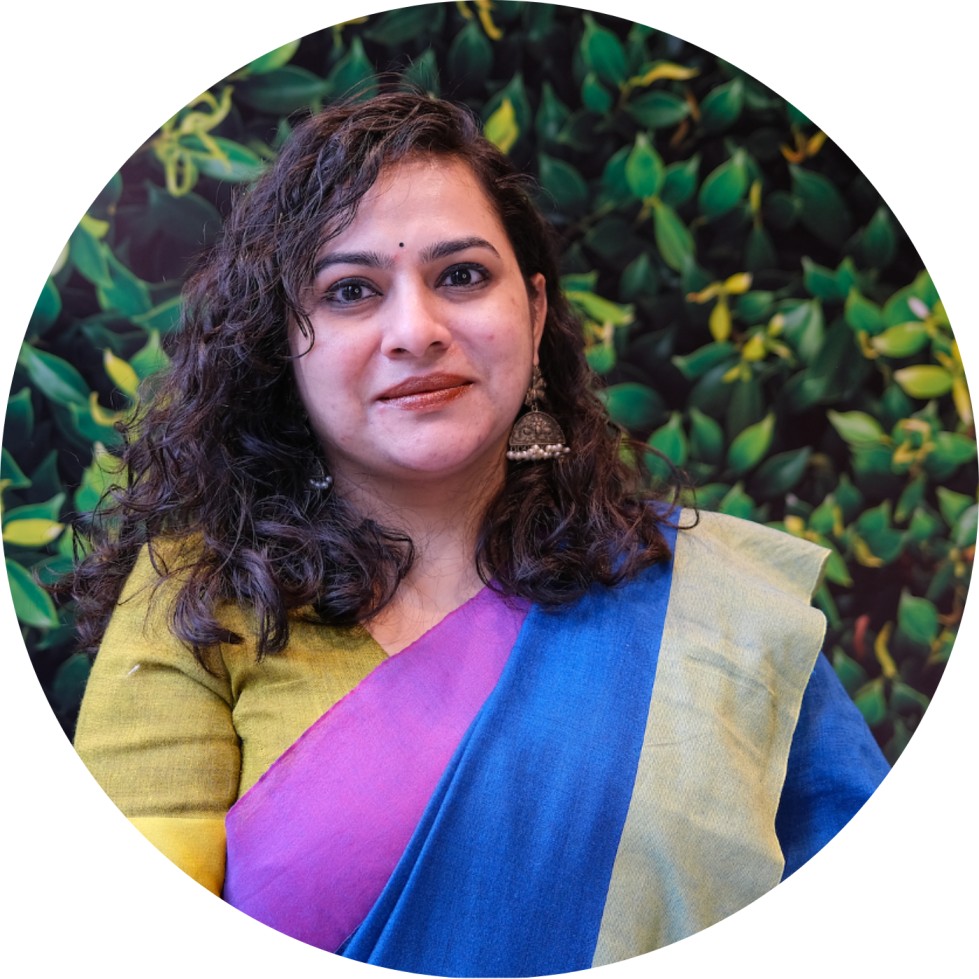
Ruchita Shah
GuestEnergy Analyst-Asia, Ember
Hosts