
What does it take to make a just transition actually work?
For a state like Jharkhand, this is not an abstract question. Coal is deeply woven into its economy, livelihoods and the identity of entire communities.
But as the energy system changes, what happens to the people, places and economies built around coal?
In 2022, the Government of Jharkhand constituted the Task Force on Sustainable Just Transition to help answer that question. Bringing together multiple government departments and stakeholders, the Task Force is working to assess the impacts of transition, identify new opportunities and develop policy pathways for a more sustainable and equitable future.
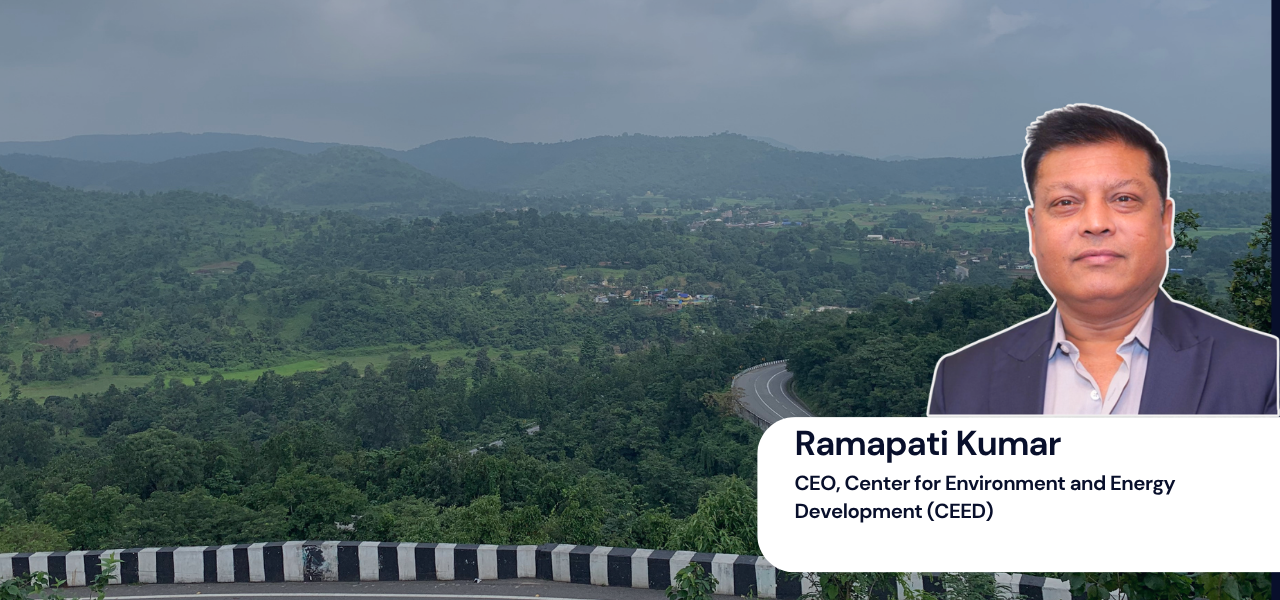
In this episode of India Energy Hour, we speak with Ramapati Kumar, CEO, Centre for Environment and Energy Development (CEED), about how the Task Force has evolved and what its future role could look like as Jharkhand’s just transition takes shape.
Listen to the episode with full transcript here in English
[Podcast intro]
Welcome to the India Energy Hour, where we explore the biggest questions shaping energy transitions, climate action and sustainable development in India and beyond.
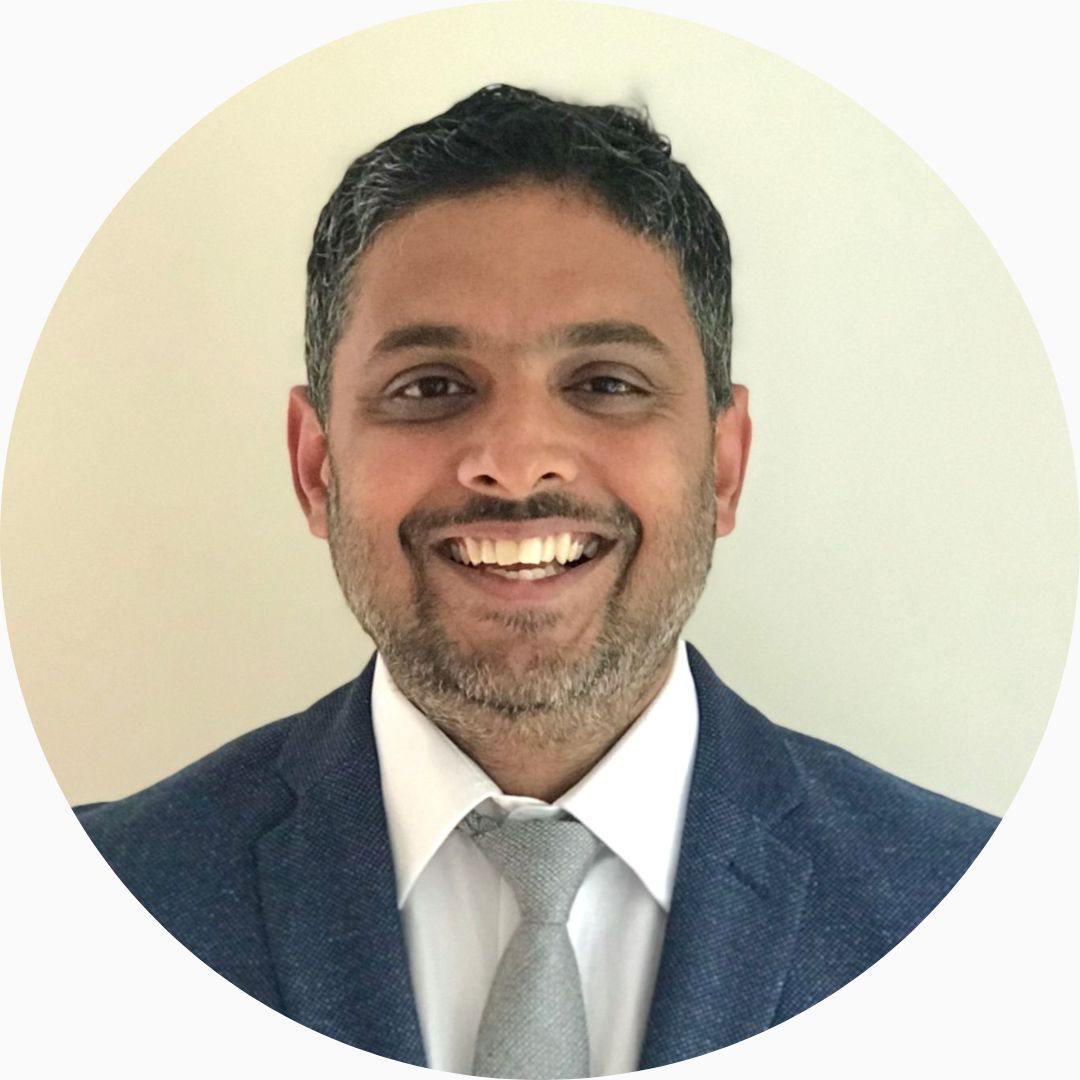
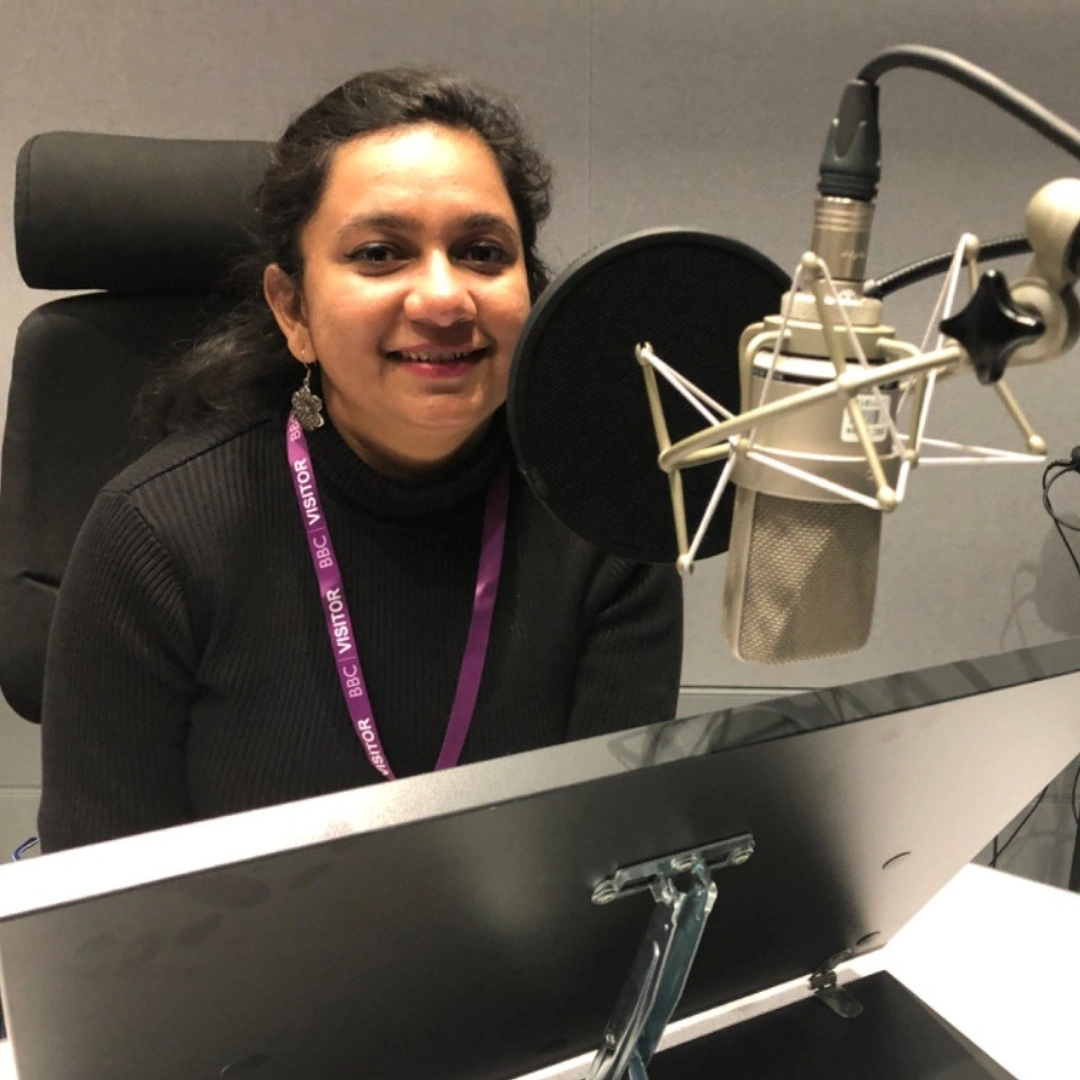
Your hosts for this episode are Shreya Jai, a Delhi-based energy writer and Dr. Sandeep Pai, an energy transition researcher and author.
This podcast is created by 101 Reporters, a pan-India network of grassroots supporters and produced by the World Energy and Development Society, a research and knowledge platform working on energy transitions and sustainable development.
If you enjoy the India Energy Hour, please like, subscribe and follow us on YouTube and rate us on Spotify, Apple Podcasts, Amazon Music or wherever you listen to podcasts.
What does it take to make a just transition actually work?
For a state like Jharkhand, this is not an abstract question. Coal is deeply woven into its economy, livelihoods and the identity of entire communities.
But as the energy system changes, what happens to the people, places and economies built around coal?
In 2022, the Government of Jharkhand constituted the Task Force on Sustainable Just Transition to help answer that question. Bringing together multiple government departments and stakeholders, the Task Force is working to assess the impacts of transition, identify new opportunities and develop policy pathways for a more sustainable and equitable future.
In this episode of India Energy Hour, we speak with Ramapati Kumar, CEO, Centre for Environment and Energy Development (CEED), about how the Task Force has evolved and what its future role could look like as Jharkhand’s just transition takes shape.
[Podcast interview]
Sandeep Pai: So Ramapati, welcome or Rama, as I call it. Welcome to the India Energy Hour podcast. We have been talking about having you on the podcast for a while. So it’s nice that you have agreed and I’m very delighted to have you on the podcast.
Ramapati Kumar: Thank you. Thanks a lot, Sandeep, for having me here on this India Energy Hour.
Sandeep Pai: Great. So as our tradition goes, before we get into the topic, which is very exciting about, you know, many years of Jharkand created this task force, which we’ll talk about in detail but you know, now it’s been a few years. So we thought it’s a good time to take stock of where things are at and how things are evolving and so on. But before we do that, we want to get into your story. So, you know, tell us about your journey, you know, where were you born? Where did you grow up? How did you form, you know, seed and got into climate and energy space? But basically, in a sense, tell us your story.
Ramapati Kumar: Yeah. Yeah. Thanks a lot, Sandeep. You know, like, you know, if I’m really honest, I would say that my journey into a climate work was not something, you know, like, made somewhere actually, you know, like, it was more like I’m walking towards it, you know, even before I had any language for climate change or anything that I have heard in my life. Of course, I grew up in a village where my grandfather was my source of inspiration and guidance. And if I would say that he was the natural environmentalist, I would say that even before anyone would have talked about this nomenclature called environmentalist and he had a perfect understanding about the environment. He did not read anything in the textbook or anything like that. He actually lived it, actually, you know, the way that he did his farming, his understanding about the land, the water, the tree, the overall nature. And that was my first classroom where I got all of those things from my grandfather. Then I moved to Patratu for my schooling. And for those who do not know, is the home of India as one of the largest thermal power plant. And and so I did my schooling in Patratu. And that really made me thinking the way that the economy and other things basically developed in around the township.
You know, the, thermal power plant itself was a basic backbone of the entire town in that particular region, not just the thermal power plant but but many coal mines that were there, you know, in Burkunda, Sayal, you know and my entire childhood actually spent going and talking to people in coal mines, going with my father during the Vishwakarma puja and visiting the plant and to see the, the different, you know, dynamics of the power plant, how the electricity is being produced.
So my entire journey was basically made in around the coal mines and thermal power plant when I was doing my schooling. And then something happened in that particular town, which really, you know, like stay with me for a very long, long period of time. And and what had happened that the power plant was not basically working at, at its optimum level. And then slowly the entire town, which was existing in around that power plant was basically started giving up. And then and even some of the coal mines, which were there in around were also not basically functioning or operational at highest level. And then what we could see that the, the very basic thing that people were missing in terms of like, you know, people started migrating, you know, people who had invested for their livelihood, they started looking for a new opportunity. And the town could not keep the pace with the whole changes, you know, right. We also, my father retired and we moved out from that particular place. But that gave me a kind of a learning that things will change, you know. But it’s all important that how are we going to basically talk to the people who are going to be more impacted of, of this particular change.
So these are some of the things that I witnessed at the very early stage of my life, you know and that was also more or less is the, is the backbone of, of the formation of the seed as well. Because when the Centre for Environment and Energy Development was also formed more or less on the instinct where, you know, we have to work with the people and we have to talk to people in order to develop a kind of a framework or any kind of thing that we do say like with the community and all. And I remember back then in 2012, when a few people working under the umbrella called Bihar Renewable Energy Development Support Network. We are campaigning for renewable energy in Bihar and we are suggesting how solar could be a game changer or a solution for a Bihar power crisis. At, at that point of time, many people actually, you know, even they mocked us for suggesting something like solar or, you know and and and then a few years down the line, a sitting chief minister was basically campaigning on back of it. Now, that particular learning from ridicule to the governance priority also made us to think that we need a kind of an institution which can work at the sub-national level and can connect and create the bridge between the people and the policymakers is something that was needed. And that was the basically a journey of Centre for Environment and Energy Development. And since its inception, we have been working as a system change organization and we have engaged on various issues related to climate and energy in the central and eastern part of India. So, so this is more or less small journey of like how she started. And and and of course, like personally for myself, seeing the, the first level learning with my grandfather and also witnessing the entire transition in Patratu and in Ramgarh district, that also basically had given me one learning that I’ll have to be in the social sector. So that was my personal conviction that I need to be in a social sector. Of course, my father wanted me to do something else and there’s always been a kind of a back and forth discussion. But finally, you know, I settled down in the social sector and and and right from day one, since 1996, after completing my professional education till now, I have been working in the sector almost like now 30 years that I have completed in, in the social sector. And and and each of my journey, wherever that I have worked, I always have believed in one thing that if you want a lasting change, if you want a kind of a solution where people are connected to that kind of a solution, we need a strong institution or governance system, which can support a kind of a change or a transition that is required. Because it’s a fact that people will always be living in a, with a transition and the policy maker will always be drafting a new way of policy or or some sort of a transition. People will always be moving. What I’m trying to say, people will always be moving from one side to the another. And then the whole policy thing, how that is being made is something that I have always seen that there has to be a connect between these two. And this is what is something that I had been doing ever since, whether with CEED or even before with other organization. This is something that I really love it and I enjoy it. And I don’t think that I’m going away from this sector. I’m going to be in this sector actually forever, actually, you know.
Shreya Jai: Some would say all roads led you to work for this just transition task force in Jharkand, as I could understand from your story. Apart from, you know, your, all your paths leading to Jharkand, it is also an important state to have this conversation on just transition, not just because of the task force but also because the kind of state that it is, it has a huge high dependence on coal and mineral based industries, you know. So I just wanted to understand what was the thinking behind creating a dedicated just transition task force in Jharkand.
Ramapati Kumar: So, Shreya, I’ll go back. I mean, before coming to the task force, I would like to basically share a few things. See, Jharkand is, is not a state where one can talk about climate change in the abstract. Right. This is a state where, you know, the coal is not just as an industry but it’s, it’s a, it’s everything to the people. It’s an identity. It’s a livelihood. It’s the reason the town exists actually in the Jharkand. As you rightly said, it also provides a one third of a state revenue, half of the GST that comes from the coal and allied industry. One fourth of coal reserves, huge reserve of critical minerals, which is very important for, for India energy transition goal as well.
So, you cannot expect, you know, you announce green transition and you expect actually a smooth landing in the state of Jharkand. Right. So, of course, there are a whole lot of challenges. So, the whole idea of task force, even before that, I mean, I’m talking mostly on the just transition as of now. Our journey on just transition had started in 2019 itself, from a lived reality of a situation, which we had witnessed in one of those villages, in and around Ramgarh district. And, what we had seen, like how the closed mines are impacting, the lives and the livelihood of the people. And, that was our first entry. And, we documented the entire situation over there. So, since 2019, till the time task force was formed in November 2022, for the good four years, seed and its teams were in the field. We are moving from one village to another. We are running thousands of household surveys, conducting hundreds of focus group discussions, trying to understand the reality on the ground and to understand how this can be improved. At that point of time, our understanding and our learning, was not from the just transition point of view. We are simply looking at, how a closed industry, can impact lives and livelihood and what government is going to do about it. Our understanding was, very simple. And, with this ask, we are running from one department to another, for the good four years. And, at that point of time, there were very few handful organizations, who had done, any sort of research or a study, to, to support our argument. And and Sandeep, was one of the person, at that point of time, I believe, sometime in 2020, if I remember correctly, there was some paper, which helped us, our understanding as well. And then, there were one or two other organizations, their research were also, were in the public domain.
What we did, we combined, the findings and the recommendation, of those research, with our ground evidence and we created, a kind of a demand and we went to the state government and asked for, their intervention. As I said, earlier also, for the, during the CEED formation, we are mocked actually, literally, we are mocked by, all the government officers, that, we are talking something, which cannot be done or government cannot consider. So, this is what, the whole thing, that was happening. And then, in, in 2022, early, 2022, I believe, I have had a discussion, with Sandeep also and and others as well, like how to take this forward, because, in Jharkhand, sometimes, it’s very difficult to, to get right kind of people, in terms of the skill, knowledge, I mean, you know, there is always a challenge, for a small state, like Jharkhand. We were actually, in a regular discussion, with people like Sandeep and others and at that point of time, you know, like, something was happening, in South Africa, that’s what, you know, like, we were actually told and then, I also did some study, like, how South Africa, is moving, it’s just transition work, so, with all of those learnings, we created, a small note and met the honorable, chief minister and the chief secretary and the other government, officers, from the state and asking their intervention, on the issue, so, after, you know, like, year and a half, of mocking us, not giving us a chance, finally, a state government, agreed, to form, a task force, in November 2022 and and, when this task force, was formed, to be very, frank, we were not, expecting, the way that, it came actually, our learning, was largely related, as I said, that how the coal industry is impacting, the lives and livelihood but when task force, was formed. I also thought, this is going to do, a basic assessment, like how, the, the closed mines, you know, like and how the mine closure, so, largely related to, to the coal industry, so, that’s what our, initial thinking and and we thought, like, it’s about, five or seven coal mines or something like that but when, this task force, was formed and then, we had another challenge, like, from where to start, because, the mandate say, that we need to do, an assessment, like how, the phase out of coal, say like, in future, will impact, the overall scenario and and then, later on, this whole, green hydrogen, then decarbonization, you know, mobility, lot of things were added and our life became, very complicated and the more, we are sitting with the community, the more, we are sitting with the district administration, the more, we are sitting with the different department and also talking, to the civil society organization, our, job was becoming, difficult and more complex, day by day, to be very frank, for the first four, five months, we could not understand, from where to move, because there is so much of, so much of you know, like, request to consider, all of those things and at that point of time, with the intervention, of chief secretary, it was decided, to create a vision or a roadmap, for a task force, otherwise, just transition, is a complex issue, everything can fit into that, so we need to define it, we need to create, a kind of a clear timeline and deliverables and based on those understanding, task force decided, to work on, eight thematic areas, with a clear deliverables, what they are going to deliver, in each thematic area, what would be the role, of each and every department.
So, then we got some direction for our work, on the task force and after that, we started moving, little bit smoothly and we got support, from the departments and from the district administration and also, from the, from the community, because this was, one of the, most important, aspect of task force, which many people, do not know, is that, until now, the task force, has conducted, more than, 45,000 plus, household survey, has conducted, more than, 60 plus, focus group discussion and various, other departmental, discussions, convening, workshop, capacity development, so, number of intervention, that has happened, in order to, to enhance, the understanding, on just transition in the state of Jharkhand.
Sandeep Pai: Yeah, no, no, I think, it’s quite comprehensive, so, in fact, you’ve addressed, one of the questions, I wanted to ask, so, let me just, ask you, like, if you have, can pinpoint, two or three, biggest challenges, that you have, faced, in your whole journey and like, how, that’s the first part, of the question, so, what, what have been, the main challenges, in, you know, navigating and managing, so many different stakeholders, with so many different, sort of, levels of, expectations, when you create, a task force like that and second is, you know, just transition, obviously, means, something else, for, depending on who you ask, so, how has your own meaning, of just transition, changed, over this journey?
Ramapati Kumar: Yeah, so, there are many challenges, I mean, of course, like but the few, few points, really stands out, in the entire process and and the first one, of course, is, is the, complex relationship, between the, three different, kind of a stakeholder, which, we are, basically, you know, like, facing on a, daily basis and and that is, basically, community, government and the civil society, organization, three different world, three different set of, like, kind of a stakeholder and each one of them, have, their own language, their own pace, their own priority, so and and and to managing, these things, is, was one of the, major, major challenges and still, we are, we are facing, you know, kind of challenges, to basically, prioritize the things, as per, these three set of, important stakeholders, which is very, very important, for the work. And, you know, every day, we have something new, coming up, even now, so, so, so, that is, one of the challenges, that we faced but we also set a process, to, to navigate and and how are we going, to basically, you know, create a platform, where we can get, more and more, feedback and listen to the, different kind of, stakeholder.
So and the second one, that I would say, was largely, which is very basic thing, that, that happens in, any kind of work, that the officers rotation, so, so like, if you do like, any kind of thing, in any kind of, in a government, this is a big challenge, that, you start with something, you develop relationship, you have a shared understanding and then the government officers, changes from, that department and he moves or she moves to the, to the other department, so that happened with us as well, like, you know, like, in the early days, like, you know, we had a kind of, a very frequent, government officers rotation but one very, unique thing, that happened with us, because the kind of, sensitization, workshop, that we had done, with all of these officers, it actually helped us, because officers, changed from one department, to another but they carried the learning or just transition, from one institution, to the other institution and that really helped us, to carry forward our work, our, our participation, in the department, monthly meeting, you know and to talk about, just transition, is really, help us mitigate, this particular challenge, you know, the third one, was largely, which, we had not, counted actually, that the two, major election, happened during, the lifespan, of the task force, you know, when the task force, was formed, in November, 2022, it took, a good six months, before we could start, moving actually and then, the state election and the central election, these two elections, happens and that’s very normal, when any, you know, like election happens, in any, any place, of course, the priority of the government and the governance, always changes, so we had to face, that particular challenge, as well, because the priority, for the department, is elsewhere and therefore, less support, was available, to the task force, during, those days.
And the fourth one, I would say that, I would say that, resourcing, was also one of the thing, that we had to face, quite a lot, because, the task force, I mean, initially, they got like, everything but then, the proper resourcing, could have been done, you know, in a much better way, even, now, like, we are the one, who are providing, all kind of support, to the task force, in, for all kind of work, whether, it’s research or whether, it’s a capacity development or any kind of, survey or any kind of a training, so all the work, that has been, supported by CEED, so resourcing, was another challenge, that we faced, right from beginning, in early days, we had some support, from some other organization but slowly, that were also missing, after a point, so, so yeah, these were the, three or four challenges, I mean, there are many but these are the, major four challenges, that I would say, what was your second, part of this?
Sandeep Pai: My second question, was like, how has your own or has, your own definition or understanding, of, just transition, as a concept, evolved, over, because it’s been, you know, I mean, of course, you have a historic, understanding but when formally, you started, engaging with this work, it’s been four, five years or more, so, has it changed and how has it changed?
Ramapati Kumar: Yeah, so yes, I mean, it has changed, quite a lot, because, you know, like, one thing to, read, say like, in a textbook and then to apply, those learning, into the, real situation, was a two different, thing actually, I still, personally, believe that, in the case of, Jharkhand, I would say that, you know, like the same thing, which, you know, like, you had written, Sandeep, was that, you know, the people, from Jharkhand, have really carried, the weight, of extraction, over a decade, you know and for me, my personal understanding, is very simple, I mean, the people, who have carried, the weight of extraction, over a decade, they should be, the first one, to benefit, what comes next, I mean, that’s my, simple, understanding, that I come from but while, working with the, with the department and the government, this whole thinking, basically, changes, because you have to, translate, this philosophy or this vision or this direction, into a program action, now, how do you, basically, to convert into, a program action, is something, that was a, a big learning for us, as I said, we never thought of, you know, going in, in different direction, transition, we, I never had thought of, like, you know, we will be, working on, so many, things, as far as, this whole, just transition, is concerned but when we started, working, what we realized, that, the first thing, that we had it, like, we do not have, any, so called, official, definition or a framework, of just transition, because most of, the framework and the, you know, definition, that we had it, from the private agency or from the, even or ILO, so everybody had, certain framework and at that point of time, we decided, to develop, its own framework, actually, for the state of Jharkhand and then we did it, that helped us, to create, some sort of a direction, what are we going, to look at it.
But what it did not change, which was, the four basic principle and the pillar, of the work, which is the, gender justice, equity and inclusivity, so these were, the four major principle, that we also follow, say like in work, then the question, was that, how do we apply, say like in action, so, so, for example, I will give you, one example, of a Chatra, when Chatra was, our first district, where we were, doing the economic, diversity plan, so, so then, we had a definition, we had this principle and then, our, my understanding, was that, we will go and we will see, which are the, mines, are supposed to be, closed down, of course and then we will see, like what is the impact, you know, like, in around, the mines, where people are basically, you know, living, so, when I had a, we had a very, this kind of thinking but then we, when we discussed, with the district administration and district administration, called for a meeting, where, all the ward counsellor, you know, Jila Panchayat, everybody was there and and a suggestion came that, we need to develop, a more, a broad and holistic, economic diversification plan and and to linking, with the DMFT, like how the, district mineral fund, can be utilized, in order to support, those kind of, economic diversification plan and plus, some other, fund that can be used, from the, district administration, you know, like, TTI or whatever, the provisions, so, when we started, basically doing, so we started, from, from the mining areas and all, where the mines are located, then, the opportunity, was not there, because opportunity, was somewhere else, say like, for example, like the farmers, who are engaged, in floriculture and and when, when we are doing, this survey, we got to know, that the Chatra, has a very good, floriculture potential, now, we thought like, whether the floriculture, can absorb, some of those, people, who might not, have a job or say like, livelihood, once the mines is not there, so how that can happen, so that cannot happen, near the, mining side, it can only happen, somewhere else and likewise, you know, other, other thing also came, say like, for suggestion, you know, on the renewable side, also that, you know, like, how do we create, a cluster of renewable, supporting the local industry, then the brick industry, how they are moving, towards the, the clean technology and all, so, all, of those things, that came and then suddenly, what we were thinking of, developing a plan, for a five square kilometer or ten square kilometre, radius of mines, it became, basically, a plan for a district and and and then, of course, the budget, also, like, you know, like, when you plan, it is, it is quite big, then, of course, then again, when we presented, the finding, then, it was, basically, again, it was told to us, that, you know, let’s focus on three or four blocks, where the findings are, so, we did it actually but more or less, the similar kind of exercise, that we had to face, in each and and every districts and and and this is where, the entire, thinking process, went for a toss and and and and then, we thought of, like, you know, how do you move, like, on that and again.
I remember and again, I would like to tell you, Sandeep, you are also part of that discussion, in early days, where we had developed, a template or a framework, for economic diversification, so, now, we followed that framework and that really helped us, put everything, say, like, into a kind of, you know, similar kind of economic diversification plan, for other districts, as well, of course, this local situation is different but we followed a kind of a template, a framework, uniform style of doing the resource, the data collection, the analysis, everything and that really helped us move faster and and I can say that, we already have finished, almost like, eight economic diversification plan, for Jharkhand, which is almost like, like, 50,000 crore, kind of an investment and different kind of things, that have been suggested, so, our role was largely, to suggest, a pathway of framework, which can help people, generate new livelihood, so, of course, only time will tell, like, how these programs are, going to be implemented, on the ground, similarly, on the districts, where the industries are there, like, hard to abate industry or other industry, reality there, is completely different or if you go to the agrarian districts, where there is no mining, the reality is different.
So, for example, in the agrarian districts, where, the task force, started, working on, like, how do you mobilize, new finance or additional finance, to meet the climate goal and the carbon sequestration or carbon credit program, came for a discussion and and and they suggested a district, which was not part of, any coal districts, you know, completely agrarian district, no mining history, no industry history but they wanted to do, a carbon sequestration program, in that district, so that, the state can mobilize, additional climate finance, for such kind of initiative, so, so, so, basically, what had happened, that, from coal mines, to the, to the industrial district, to the agrarian districts, in fact, we were there, everywhere actually, so that make, our job, more complex and more tough actually, yeah.
Shreya Jai: Yeah, thank you for sharing that, in detail, I wanted to ask you, during the course of this, work of this task force, you’ve talked about, all the, you know, the data and everything but beyond the data, was there any win, that made, that reassured you, that the path, that this task force has taken, is correct and if any setback, which made you to reassess, the work that you’re doing and how these two wins and setbacks, led you to, you know, if you know today, these wins and these setbacks, what would you do differently?
Ramapati kumar: So, well, I mean, some of the thing, that we realized, in the very beginning, because, the role of the task force, was largely, to make an assessment and suggest a roadmap and accordingly, policy and program. So, these were the, four things, that, the basic job of task force, when the first, government order had come, later on, many things got added and the, role became, more, broader and the issue becomes also, you know, like more broader. So, in that way, in, while working, on all of those, we also realized, that, just doing, an assessment, would not help. So, we also have to have, something going, on the ground. It was not, from any kind of, a, pressure or any kind of, a demand or a request, because, our ask was not, something to, implement or anything, because task force, does not have that mandate. But, we just thought to, do, something different, which will also, give us, a bit of a learning, which will help us, drafting, a better roadmap and suggesting, effective policy measures.
And, two, three things that, we did it actually, one was, doing a, techno-commercial study, for repurposing, the thermopower plant, with the renewable and 1800, million US dollar investment was suggested to the government in order to repurpose. So, this is something, a real good, case studies, that we did. Now, how and when that happens, that’s a different thing but task force, at least took one initiative, to suggest, how you can do that. The second thing, the one that, I was talking about, that we started working, with 10,000 farmers, the paddy, farmers, to introduce, AWD technology, you know, to develop, a carbon credit and all. So, this is the second thing and that was a real, life projects, that basically, you know, we are working, on that, right.
And, then also, some of the things, that were happening, in terms of the, mine closure, you know, diversification, so, for example, the coal India, regular interaction, with the coal India and being privy, to many such discussion, I can say, for sure, that, coal India, was like, very progressive, in order to, basically, take these things, forward. And, now, the one that you see, that, the Coal India Limited, is going to, work on the, mine closure, for 140 odd, mines, you know. So, I think, all of us, who have worked, on this particular issue, not just the task force but everybody, all people, actually and the organization, a fast track, this process and we all, should be very happy, to see, at least, these things, are going to happen. It means that, so much of money, is going to be, utilized and you know, to create, alternate livelihood. So, that is really, a good sign. The other thing, that also started, happening on the ground, is, the coal India, decision to, to invest in solar. So, I can say, very proudly, that, in, in, in, in Jharkhand, itself, the, the central coal fields, limited, they piloted a 5 megawatt, solar grid connected, solar project, on overburden. Now, I see, this is a game changer because, even if I don’t have, official data, as of now but what I know, from a different, sources, that, the central coal fields, limited, has got, 125, cubic, million cubic meter, of overburden or something like that. Now, can you imagine, like, if this particular project, becomes successful, it will change, the energy landscape, for the state of Jharkhand. It, it will also provide, the energy security, it will bring, lot of, local, livelihood, opportunity, for the people. So, these are some of the things, that is happening, now on the ground. So, the, so the just transition work and the and the work that, taken by task force, is just not only limited, to preparing the reports and and the framework. Some of the things, one can witness, on the ground as well. Of course, it’s a slow process and I personally believe, that, a topic like, just transition, does not happen, in one or two project cycle. It’s a long haul. So, we need to have, a lot of patience, before we see, changes on the ground and I’m pretty sure, it will, it, it, it will come.
The other thing, the other point, that you said that, if I have, remember that, if I have a chance, to, constitute the task force, differently, how would I do that, right? The, the very basic thing, that I said earlier, as a part of the challenge, is, that I would, resources, in a, in a much better way. You know, so that is definitely, if I would have a chance, to, to redo it, I will do, redo it in that way. And the second part, that and this all comes, with the learning, while working. You know, like, when we are working, we never thought, that a task force will come. Right? When task force came, we are very happy but now, I think that, if we have to, redo it, not just resourcing but also, to create, a permanent institution, right from day one. Maybe, using that, one can say, phase one is all about, assessment and phase two is about, implementation. But that particular work, would have done it, right in the beginning, is something that, I could have done it differently. Otherwise, it’s all, okay.
Sandeep Pai: Yeah. So, then, let me flip this question over, which is like, of course, you have some learnings and you would do it differently but now, that you’ve learned some lessons, which, are all very valid and you know, based on those lessons, what would you like, the, just transition task force or whatever the subsequent body, of that would be, to look like, in five years from now? Like, how, in other words, like, what is the vision, for the next five years, of this work?
Ramapati Kumar: So, Sandeep, one, of course, the, the last point, which I said, I would definitely, would like to see, this task force, get converted, into a permanent institution, because that would bring, a lot of stability, to the work and it will be beyond, any kind of, political interference or any kind of, in a government change, so and beyond, seed or anyone, any organization, so, there has to be, a permanent institution and which we are, moving towards that, so, that would be, one of the things, that we would like, to, to see, in the next, two to three, I mean, I mean, this is one of the thing, as I would say that, as a part of, the question that you asked, like in the next five years, the second point, which I would say that, you know, in early days, in 2019, there are a handful, of the organization, who are working on, on this particular issue, issue, as of today, there are more than, 100 working on, this particular issue, now, this is a very good sign and I would suggest, that, now, most of our work, is going towards, the implementation phase, maybe in a year or two.
I think, all of this, new organization, who have joined, the just transition work, would help, immensely, to the state, of Jharkhand, in order to provide, their learning and knowledge, to implement, the program, in a very effective manner, so that is, something that, I would like to see, the third thing, that I would like to see, is basically, that and that is something, you know and that is a proud thing, for us, like how Jharkhand, could become, a kind of an state, which can provide, learning, to the other state, because Jharkhand, already, has done these things, for the last three years, so, so I would like, to see, Jharkhand, taking a leadership role, in order to guide, other neighboring states, to learn, from the process and avoid, the missteps and the failures and the and the and the things that, we could not do, in a proper way, so we would like, to be, you know, like, I would like to see, Jharkhand, as that kind of, a torch bearer, you know, going forward, you know, so this is, what the three, three things, that I would like, to see, there are two other, things that I had, remember but now, I am not remembering, so I will see, yeah.
Shreya Jai: Yeah but what are the lessons, that Jharkhand, can draw, from other states, which going forward, with bolster, is planned, for just transition?
Ramapati Kumar: So, I think, the, the biggest lesson, that would be, basically, you know, like, how to, you know, like, coordinate, with the, other states, as well, because, when we started, working, you know, like the, I believe that, we are very much, inward looking, looking, say like, you know, within the state, what can happen, you know and from where, the support, can come but later on, we also realized, that, you know, like the, there are certain, good initiative, not related, directly to the, just transition but related to transition, that are happening, say like, in other states, as well. So, how, how the state, could have adopted, at that point of time, you know, is something, that we missed out, say like, in, in, in early stage. So, so, we would like to, learn from the other state, where the good transition process, has taken place or say like, certain policy initiative, which has resulted, in creating, a lot of, good value, on the ground. So, those are the things, that, I would say that, a state like, Jharkhand, can learn from others, right?
Sandeep Pai: Yeah, amazing. So, the final question, we are, yeah, go ahead.
Ramapati Kumar: Yeah, please, please, Sandeep.
Sandeep Pai: Sorry, I was just saying that, my final point is, that, would you, if, if the permanent body, forms in Jharkhand, would you, continue to shape, the ideas of this permanent body or what is your, your, I’m trying to bring it back to you, Rama, because we started with you and then, you know, I’m trying to bring it back to you, would you be personally committed, to working on this, for the next, few years and and so on and you know, continue on this journey or how are you feeling about it, personally on this?
Ramapati Kumar: Yeah, Sandeep, I mean, the one of the point, which I wanted to say, is also connected to, to your question. So, for us, I would say that, we would be very happy, to provide support, to the state of Jharkhand, when the new institutions, comes in place, because, we believe that, you know, in, in early days, if support is needed, we are, very much there to, to provide support. However, now we see, a new role for us and and which is basically, making, this whole transition process, as a regional transition process, so, I must say that, the state of Chhattisgarh, already has taken initiative and we are working with, the state of Chhattisgarh and the kind of learning, that, we have had, from Jharkhand, we are pretty sure, that, we won’t take, much time, to replicate and take this whole process, for six, seven years. So, we will fast track, you know, in the next, two to three years, actually, for the state of Chhattisgarh and and hopefully, Odisha and West Bengal, also joining, because, I strongly believe, that, there are, so much to learn, from each other and and and and this is the time, that, each state, share their notes, their learning, their experiences and that will take, this entire, Eastern India, move forward, because, for decades, this region, has powered India’s growth.
Now, this is the time, for themselves, to redeem, the benefit and to move together and with an approach, where, all of these states, can work together. So, initially, to provide support, to the newly formed institution and then, to basically, to create support, for the regional world.
Sandeep Pai: Thank, thank you so much, this has been a great conversation, really appreciate your time.
Shreya Jai: No, it was perfect, I think the pace was fine, your answers was perfect, gave us a lot, a very different insight, into the work, that is happening in Jharkhand. So, thank you for sharing that and and I really like your last answer, that, you know, what other states, can learn from it and obviously, now, if it becomes a permanent body, I hope it does, then, how, what, what kind of trend, it can set for a country, which, really now, has planned for just transition. So, thank you so much, for sharing, all this knowledge with us.
Ramapati Kumar: Yeah, thanks a lot, Sreya, thanks a lot, Sandeep. Thank you. Thank you for listening, to the India Energy Hour.
[Podcast outro]
Thank you for listening to The India Energy Hour! Subscribe to this channel to never miss an update. To drop us a feedback, visit our website or write to us at [email protected]
We are on Twitter. You can follow @tieh_podcast and get in touch with the two hosts @shreya_jai and @sandeeppai
Thank you for tuning in. Join us again for our next episode.
[end]
Listen to the episode with full transcript here in Hindi
पॉडकास्ट इंट्रो:
इंडिया एनर्जी आवर में आपका स्वागत है, जहाँ हम भारत और उसके बाहर एनर्जी ट्रांज़िशन, क्लाइमेट एक्शन और सस्टेनेबल डेवलपमेंट को आकार देने वाले सबसे बड़े सवालों पर बात करेंगे।
इस एपिसोड के लिए आपके होस्ट दिल्ली की एनर्जी राइटर श्रेया जय और एनर्जी ट्रांज़िशन रिसर्चर और लेखक डॉ. संदीप पई हैं।
यह पॉडकास्ट 101 रिपोर्टर्स ने बनाया है, जो पूरे भारत में ज़मीनी स्तर के सपोर्टर्स का एक नेटवर्क है और इसे वर्ल्ड एनर्जी एंड डेवलपमेंट सोसाइटी ने बनाया है, जो एनर्जी ट्रांज़िशन और सस्टेनेबल डेवलपमेंट पर काम करने वाला एक रिसर्च और नॉलेज प्लेटफ़ॉर्म है।
अगर आपको इंडिया एनर्जी आवर पसंद है, तो प्लीज़ हमें YouTube पर लाइक, सब्सक्राइब और फॉलो करें और Spotify, Apple Podcasts, Amazon Music या जहाँ भी आप पॉडकास्ट सुनते हैं, वहाँ हमें रेट करें।
एपिसोड परिचय
सही बदलाव को असल में कामयाब बनाने के लिए क्या करना पड़ता है? झारखंड जैसे राज्य के लिए, यह कोई आम सवाल नहीं है। कोयला इसकी इकॉनमी, रोज़ी-रोटी और पूरे समुदायों की पहचान से गहराई से जुड़ा हुआ है। लेकिन जैसे-जैसे एनर्जी सिस्टम बदलते हैं, कोयले के आस-पास बने लोगों, जगहों और इकॉनमी का क्या होता है?
2022 में, झारखंड सरकार ने इस सवाल का जवाब देने में मदद के लिए सस्टेनेबल जस्ट ट्रांज़िशन पर टास्क फ़ोर्स बनाई। कई सरकारी डिपार्टमेंट और स्टेकहोल्डर को एक साथ लाकर, यह टास्क फ़ोर्स ट्रांज़िशन के असर का अंदाज़ा लगाने, नए मौकों की पहचान करने और ज़्यादा सस्टेनेबल और बराबर भविष्य के लिए पॉलिसी बनाने के रास्ते बनाने पर काम कर रही है।
इंडिया एनर्जी आवर के इस एपिसोड में, हम सेंटर फॉर एनवायरनमेंट एंड एनर्जी डेवलपमेंट, CEED के CEO, रमापति कुमार से बात करते हैं कि टास्क फोर्स कैसे विकसित हुआ है और झारखंड के जस्ट ट्रांज़िशन के आकार लेने के साथ इसकी भविष्य की भूमिका कैसी हो सकती है।
संदीप पई: तो रमापति, स्वागत है या रामा, जैसा कि मैं इसे कहता हूँ। इंडिया एनर्जी आवर पॉडकास्ट में आपका स्वागत है। हम कुछ समय से आपको पॉडकास्ट पर लाने के बारे में बात कर रहे थे। तो यह अच्छा है कि आप मान गए और मुझे आपको पॉडकास्ट पर पाकर बहुत खुशी हो रही है।
रमापति कुमार: धन्यवाद। संदीप, इस इंडिया एनर्जी आवर में मुझे बुलाने के लिए बहुत-बहुत धन्यवाद।
संदीप पई: बहुत बढ़िया। तो जैसा कि हमारा ट्रेडिशन है, इससे पहले कि हम टॉपिक पर आएं, जो बहुत एक्साइटिंग है, आप जानते हैं, झारखंड ने कई साल पहले यह टास्क फोर्स बनाई थी, जिसके बारे में हम डिटेल में बात करेंगे लेकिन आप जानते हैं, अब कुछ साल हो गए हैं। तो हमने सोचा कि यह देखने का अच्छा समय है कि चीजें कहां हैं और चीजें कैसे इवॉल्व हो रही हैं वगैरह। लेकिन ऐसा करने से पहले, हम आपकी कहानी बताना चाहते हैं। तो, आप जानते हैं, हमें अपनी जर्नी के बारे में बताएं, आप जानते हैं, आप कहां पैदा हुए थे? आप कहां बड़े हुए? आपने कैसे क्लाइमेट और एनर्जी स्पेस में शुरुआत की? लेकिन बेसिकली, एक तरह से, हमें अपनी कहानी बताएं।
रमापति कुमार: हाँ। हाँ। बहुत-बहुत धन्यवाद, संदीप। आप जानते हैं, जैसे, आप जानते हैं, अगर मैं सच में ईमानदार हूँ, तो मैं कहूँगा कि क्लाइमेट वर्क में मेरा सफ़र कुछ ऐसा नहीं था, आप जानते हैं, जैसे, असल में कहीं से बनाया गया हो, आप जानते हैं, जैसे, यह ज़्यादा ऐसा था जैसे मैं उसकी ओर चल रहा हूँ, आप जानते हैं, इससे पहले कि मेरे पास क्लाइमेट चेंज या ऐसी कोई भी चीज़ के लिए कोई भाषा हो जो मैंने अपनी ज़िंदगी में सुनी हो। बेशक, मैं एक ऐसे गाँव में पला-बढ़ा जहाँ मेरे दादाजी मेरी प्रेरणा और गाइडेंस के सोर्स थे। और अगर मैं कहूँ कि वह नेचुरल एनवायरनमेंटलिस्ट थे, तो मैं कहूँगा कि इससे पहले कि कोई एनवायरनमेंटलिस्ट नाम के इस नाम के बारे में बात करता और उन्हें एनवायरनमेंट के बारे में पूरी समझ थी। उन्होंने टेक्स्टबुक या ऐसा कुछ नहीं पढ़ा था। उन्होंने असल में इसे जिया, असल में, आप जानते हैं, जिस तरह से उन्होंने अपनी खेती की, ज़मीन, पानी, पेड़, पूरी नेचर के बारे में उनकी समझ। और वह मेरा पहला क्लासरूम था जहाँ मुझे ये सभी चीज़ें मेरे दादाजी से मिलीं। फिर मैं अपनी स्कूलिंग के लिए पतरातू चला गया। और जो लोग नहीं जानते, यह भारत के सबसे बड़े थर्मल पावर प्लांट में से एक है। और इसलिए मैंने अपनी स्कूलिंग पतरातू में की। और इससे मुझे सच में यह सोचने पर मजबूर कर दिया कि टाउनशिप के आसपास इकॉनमी और दूसरी चीज़ें असल में कैसे डेवलप हुईं।
आप जानते हैं, थर्मल पावर प्लांट अपने आप में उस खास इलाके के पूरे शहर की बेसिक बैकबोन था, सिर्फ़ थर्मल पावर प्लांट ही नहीं, बल्कि कई कोयला खदानें जो वहाँ थीं, आप जानते हैं, बरकुंडा, सयाल में, आप जानते हैं और मेरा पूरा बचपन कोयला खदानों में लोगों से बात करने, विश्वकर्मा पूजा के दौरान अपने पिता के साथ जाने और प्लांट घूमने और पावर प्लांट के अलग-अलग डायनामिक्स को देखने में बीता, आप जानते हैं, बिजली कैसे बन रही है।
तो मेरा पूरा सफ़र असल में कोयला खदानों और थर्मल पावर प्लांट के आस-पास ही रहा, जब मैं अपनी स्कूलिंग कर रहा था। और फिर उस खास शहर में कुछ ऐसा हुआ, जो सच में, आप जानते हैं, बहुत, बहुत लंबे समय तक मेरे साथ रहा। और जो हुआ था वह यह था कि पावर प्लांट असल में अपने सबसे अच्छे लेवल पर काम नहीं कर रहा था। और फिर धीरे-धीरे पूरा शहर, जो उस पावर प्लांट के आस-पास था, असल में हार मानने लगा। और फिर कुछ कोयला खदानें, जो आस-पास थीं, वे भी असल में सबसे ऊंचे लेवल पर काम नहीं कर रही थीं या ऑपरेशनल नहीं थीं। और फिर हम देख सकते थे कि, बहुत बेसिक चीज़ जो लोगों को याद आ रही थी, जैसे, आप जानते हैं, लोग माइग्रेट करने लगे, आप जानते हैं, जिन लोगों ने अपनी रोजी-रोटी के लिए इन्वेस्ट किया था, वे एक नए मौके की तलाश करने लगे। और शहर पूरे बदलावों के साथ तालमेल नहीं बिठा सका, आप जानते हैं, है ना। हमारे पिता भी रिटायर हो गए और हम उस खास जगह से बाहर चले गए। लेकिन इससे मुझे एक तरह की सीख मिली कि चीजें बदलेंगी, आप जानते हैं। लेकिन यह बहुत ज़रूरी है कि हम असल में उन लोगों से कैसे बात करेंगे जिन पर इस खास बदलाव का ज़्यादा असर पड़ेगा।
तो ये कुछ ऐसी चीज़ें हैं जो मैंने अपनी ज़िंदगी के शुरुआती दौर में देखीं, आप जानते हैं और वो कमोबेश, बीज बनने की रीढ़ की हड्डी भी थी। क्योंकि जब सेंटर फॉर एनवायरनमेंट एंड एनर्जी डेवलपमेंट भी कमोबेश इस सोच पर बना था कि, आप जानते हैं, हमें लोगों के साथ काम करना है और हमें लोगों से बात करनी है ताकि एक तरह का फ्रेमवर्क या कोई भी चीज़ डेवलप की जा सके जो हम कम्युनिटी और सबके साथ करते हैं। और मुझे याद है 2012 में, जब कुछ लोग बिहार रिन्यूएबल एनर्जी डेवलपमेंट सपोर्ट नेटवर्क नाम के एक ग्रुप के तहत काम कर रहे थे। हम बिहार में रिन्यूएबल एनर्जी के लिए कैंपेन कर रहे थे और हम सुझाव दे रहे थे कि सोलर कैसे एक गेम चेंजर या बिहार के बिजली संकट का सॉल्यूशन हो सकता है। उस समय, कई लोगों ने असल में, आप जानते हैं, सोलर जैसी किसी चीज़ का सुझाव देने के लिए हमारा मज़ाक भी उड़ाया था या, आप जानते हैं और और और फिर कुछ साल बाद, एक मौजूदा मुख्यमंत्री असल में इसके पीछे कैंपेन कर रहे थे। अब, मज़ाक से लेकर गवर्नेंस प्रायोरिटी तक की उस खास सीख ने हमें यह भी सोचने पर मजबूर किया कि हमें एक ऐसे इंस्टीट्यूशन की ज़रूरत है जो सब-नेशनल लेवल पर काम कर सके और लोगों और पॉलिसी बनाने वालों के बीच कनेक्ट कर सके और ब्रिज बना सके, जिसकी ज़रूरत थी। और यह असल में सेंटर फॉर एनवायरनमेंट एंड एनर्जी डेवलपमेंट का सफ़र था। और इसकी शुरुआत से ही, हम एक सिस्टम चेंज ऑर्गनाइज़ेशन के तौर पर काम कर रहे हैं और हम भारत के सेंट्रल और ईस्टर्न हिस्से में क्लाइमेट और एनर्जी से जुड़े अलग-अलग मुद्दों पर लगे हुए हैं। तो, यह कमोबेश एक छोटा सफ़र है कि उसने कैसे शुरुआत की। और और और बेशक, पर्सनली मेरे लिए, अपने दादाजी के साथ फर्स्ट लेवल लर्निंग और पतरातू और रामगढ़ ज़िले में पूरे बदलाव को देखने से, इससे भी मुझे असल में एक सीख मिली कि मुझे सोशल सेक्टर में रहना होगा। तो यह मेरा पर्सनल यकीन था कि मुझे सोशल सेक्टर में रहना चाहिए। बेशक, मेरे पिता चाहते थे कि मैं कुछ और करूँ और हमेशा एक तरह की आगे-पीछे की बातचीत होती रही है। लेकिन आखिर में, आप जानते हैं, मैं सोशल सेक्टर में आ गया और और और पहले दिन से ही, 1996 से, अपनी प्रोफेशनल एजुकेशन पूरी करने के बाद से अब तक, मैं इस सेक्टर में लगभग 30 साल से काम कर रहा हूँ, जो मैंने सोशल सेक्टर में पूरे कर लिए हैं। और और और अपनी हर यात्रा में, जहाँ भी मैंने काम किया है, मैंने हमेशा एक बात पर विश्वास किया है कि अगर आप एक स्थायी बदलाव चाहते हैं, अगर आप एक ऐसा सॉल्यूशन चाहते हैं जहाँ लोग उस तरह के सॉल्यूशन से जुड़े हों, तो हमें एक मजबूत इंस्टीट्यूशन या गवर्नेंस सिस्टम की ज़रूरत है, जो एक तरह के बदलाव या ज़रूरी ट्रांज़िशन को सपोर्ट कर सके। क्योंकि यह एक सच्चाई है कि लोग हमेशा एक ट्रांज़िशन के साथ रहेंगे और पॉलिसी मेकर हमेशा पॉलिसी का एक नया तरीका या किसी तरह का ट्रांज़िशन बनाते रहेंगे। लोग हमेशा आगे बढ़ते रहेंगे। मैं जो कहने की कोशिश कर रहा हूँ, लोग हमेशा एक तरफ से दूसरी तरफ जाते रहेंगे। और फिर पूरी पॉलिसी की बात, वह कैसे बनाई जा रही है, यह कुछ ऐसा है जो मैंने हमेशा देखा है कि इन दोनों के बीच एक कनेक्शन होना चाहिए। और यही वो चीज़ है जो मैं तब से कर रहा हूँ, चाहे CEED के साथ हो या उससे पहले किसी दूसरे ऑर्गनाइज़ेशन के साथ। यह कुछ ऐसा है जो मुझे सच में बहुत पसंद है और मुझे इसमें मज़ा आता है। और मुझे नहीं लगता कि मैं इस सेक्टर से दूर जा रहा हूँ। मैं असल में हमेशा इसी सेक्टर में रहूँगा, असल में, आप जानते हैं।
श्रेया जय: कुछ लोग कहेंगे कि झारखंड में इस जस्ट ट्रांज़िशन टास्क फ़ोर्स के लिए काम करने के लिए सभी रास्ते आपको ले आए, जैसा कि मैं आपकी कहानी से समझ सकती हूँ। झारखंड तक पहुँचने वाले आपके सभी रास्तों के अलावा, जस्ट ट्रांज़िशन पर बातचीत करना भी एक ज़रूरी राज्य है, सिर्फ़ टास्क फ़ोर्स की वजह से नहीं, बल्कि इसलिए भी कि यह जिस तरह का राज्य है, वह कोयले और मिनरल बेस्ड इंडस्ट्रीज़ पर बहुत ज़्यादा डिपेंडेंट है, आप जानते हैं। तो मैं बस यह समझना चाहती थी कि झारखंड में एक डेडिकेटेड जस्ट ट्रांज़िशन टास्क फ़ोर्स बनाने के पीछे क्या सोच थी।
रमापति कुमार: तो, श्रेया, मैं वापस आता हूँ। मेरा मतलब है, टास्क फोर्स पर आने से पहले, मैं बेसिकली कुछ बातें शेयर करना चाहूँगा। देखिए, झारखंड ऐसा राज्य नहीं है जहाँ कोई क्लाइमेट चेंज के बारे में एब्स्ट्रैक्ट में बात कर सके। ठीक है। यह एक ऐसा राज्य है जहाँ, आप जानते हैं, कोयला सिर्फ़ एक इंडस्ट्री के तौर पर नहीं है, बल्कि यह, यह लोगों के लिए सब कुछ है। यह एक पहचान है। यह एक रोज़ी-रोटी है। यही वजह है कि झारखंड में असल में यह शहर है। जैसा कि आपने सही कहा, यह राज्य के रेवेन्यू का एक तिहाई, GST का आधा हिस्सा भी देता है जो कोयला और उससे जुड़ी इंडस्ट्री से आता है। कोयले के रिज़र्व का एक चौथाई, ज़रूरी मिनरल्स का बहुत बड़ा रिज़र्व, जो भारत के एनर्जी ट्रांज़िशन गोल के लिए भी बहुत ज़रूरी है।
तो, आप उम्मीद नहीं कर सकते, आप जानते हैं, आप ग्रीन ट्रांज़िशन की घोषणा करते हैं और आप झारखंड राज्य में असल में एक आसान लैंडिंग की उम्मीद करते हैं। सही। तो, ज़ाहिर है, बहुत सारी चुनौतियाँ हैं। तो, टास्क फ़ोर्स का पूरा आइडिया, उससे भी पहले, मेरा मतलब है, मैं अभी ज़्यादातर जस्ट ट्रांज़िशन पर बात कर रहा हूँ। जस्ट ट्रांज़िशन पर हमारी यात्रा 2019 में ही शुरू हो गई थी, एक स्थिति की जीती-जागती सच्चाई से, जो हमने रामगढ़ ज़िले और उसके आस-पास के एक गाँव में देखी थी। और, हमने जो देखा था, जैसे बंद खदानें लोगों की ज़िंदगी और रोज़ी-रोटी पर कैसे असर डाल रही हैं। और, वह हमारी पहली एंट्री थी। और, हमने वहाँ पूरी स्थिति को डॉक्यूमेंट किया। तो, 2019 से, नवंबर 2022 में टास्क फ़ोर्स बनने तक, अच्छे चार साल तक, सीड और उसकी टीमें फ़ील्ड में थीं। हम एक गाँव से दूसरे गाँव जा रहे हैं। हम हज़ारों घरों का सर्वे कर रहे हैं, सैकड़ों फ़ोकस ग्रुप डिस्कशन कर रहे हैं, ज़मीनी हकीकत को समझने की कोशिश कर रहे हैं और यह समझने की कोशिश कर रहे हैं कि इसे कैसे बेहतर बनाया जा सकता है। उस समय, हमारी समझ और हमारी सीख, सिर्फ़ बदलाव के नज़रिए से नहीं थी। हम बस यह देख रहे थे कि एक बंद इंडस्ट्री, ज़िंदगी और रोज़ी-रोटी पर कैसे असर डाल सकती है और सरकार इसके बारे में क्या करने वाली है। हमारी समझ बहुत आसान थी। और, इस सवाल के साथ, हम पूरे चार साल एक डिपार्टमेंट से दूसरे डिपार्टमेंट के चक्कर लगाते रहे। और, उस समय, बहुत कम मुट्ठी भर ऑर्गनाइज़ेशन थे, जिन्होंने हमारी बात को सपोर्ट करने के लिए कोई रिसर्च या स्टडी की थी। और संदीप, उन लोगों में से एक थे, उस समय, मुझे लगता है, 2020 में कभी, अगर मुझे ठीक से याद है, तो कुछ पेपर थे, जिससे हमें, हमारी समझ को भी मदद मिली। और फिर, एक-दो और ऑर्गनाइज़ेशन थे, उनकी रिसर्च भी पब्लिक डोमेन में थी।
हमने जो किया, हमने उन रिसर्च के नतीजों और रिकमेंडेशन को अपने ग्राउंड एविडेंस के साथ मिलाया और हमने एक तरह की डिमांड बनाई और हम स्टेट गवर्नमेंट के पास गए और उनसे दखल देने के लिए कहा। जैसा कि मैंने पहले भी कहा, CEED बनाने के दौरान, असल में, सभी सरकारी अधिकारियों ने हमारा मज़ाक उड़ाया, कि हम कुछ ऐसा कह रहे हैं, जो नहीं किया जा सकता या सरकार सोच नहीं सकती। तो, यही पूरी बात हो रही थी। और फिर, 2022 में, 2022 की शुरुआत में, मेरा मानना है, मैंने संदीप और दूसरों के साथ भी इस पर बात की थी कि इसे कैसे आगे बढ़ाया जाए, क्योंकि झारखंड में, कभी-कभी, स्किल, नॉलेज के मामले में सही तरह के लोगों को ढूंढना बहुत मुश्किल होता है, मेरा मतलब है, आप जानते हैं, झारखंड जैसे छोटे स्टेट के लिए हमेशा एक चैलेंज होता है। असल में, हम संदीप और दूसरे लोगों के साथ रेगुलर बातचीत कर रहे थे और उस समय, आप जानते हैं, जैसे, साउथ अफ्रीका में कुछ हो रहा था, यही, आप जानते हैं, जैसे, हमें असल में बताया गया था और फिर, मैंने कुछ स्टडी भी की, जैसे, साउथ अफ्रीका कैसे आगे बढ़ रहा है, यह बस बदलाव का काम है, तो, उन सभी सीखों के साथ, हमने एक छोटा सा नोट बनाया और माननीय मुख्यमंत्री और चीफ सेक्रेटरी और राज्य के दूसरे सरकारी अधिकारियों से मिले और इस मुद्दे पर उनसे दखल देने के लिए कहा, तो, आप जानते हैं, जैसे, डेढ़ साल तक हमारा मज़ाक उड़ाने, हमें मौका न देने के बाद, आखिरकार, एक राज्य सरकार, नवंबर 2022 में एक टास्क फोर्स बनाने के लिए मान गई और, जब यह टास्क फोर्स बनी, तो सच कहूँ तो, हम उम्मीद नहीं कर रहे थे, जिस तरह से यह आई, असल में, हमारी सीख, काफी हद तक इस बात से जुड़ी थी, जैसा कि मैंने कहा, कि कोयला इंडस्ट्री कैसे ज़िंदगी और रोज़ी-रोटी पर असर डाल रही है, लेकिन जब टास्क फोर्स बनी। मैंने यह भी सोचा, यह एक बेसिक असेसमेंट करने वाला है, जैसे कि, बंद खदानें, आप जानते हैं, जैसे और कैसे खदान बंद होना, तो, काफी हद तक कोयला इंडस्ट्री से जुड़ा है, तो, यही हमारी शुरुआती सोच थी और हमने सोचा, जैसे, यह लगभग पाँच या सात कोयला खदानें या ऐसा ही कुछ है, लेकिन जब, यह टास्क फोर्स बनी, और फिर, हमारे सामने एक और चुनौती थी, जैसे, कहाँ से शुरू करें, क्योंकि, मैंडेट कहता है, कि हमें एक असेसमेंट करने की ज़रूरत है, जैसे कि, कोयले को फेज़ आउट करना, मान लीजिए, भविष्य में, पूरे सिनेरियो पर क्या असर डालेगा और फिर, बाद में, यह पूरा, ग्रीन हाइड्रोजन, फिर डीकार्बोनाइजेशन, आप जानते हैं, मोबिलिटी, बहुत सी चीजें जुड़ गईं और हमारी ज़िंदगी बहुत मुश्किल हो गई और जितना ज़्यादा, हम कम्युनिटी के साथ बैठ रहे हैं, जितना ज़्यादा, हम डिस्ट्रिक्ट एडमिनिस्ट्रेशन के साथ बैठ रहे हैं, उतना ही, हम अलग-अलग डिपार्टमेंट के साथ बैठ रहे हैं और सिविल सोसाइटी ऑर्गनाइज़ेशन से भी बात कर रहे हैं, हमारा काम, दिन-ब-दिन, मुश्किल और ज़्यादा मुश्किल होता जा रहा था, सच कहूँ तो, पहले चार, पाँच महीनों के लिए, हम समझ में नहीं आ रहा था कि कहाँ से आगे बढ़ें, क्योंकि बहुत सारी, आप जानते हैं, जैसे, उन सभी चीजों पर विचार करने का अनुरोध है और उस समय, मुख्य सचिव के हस्तक्षेप से, यह निर्णय लिया गया, कि टास्क फोर्स के लिए एक विजन या रोडमैप बनाया जाए, अन्यथा, केवल परिवर्तन एक जटिल मुद्दा है, सब कुछ उसमें फिट हो सकता है, इसलिए हमें इसे परिभाषित करने की जरूरत है, हमें एक स्पष्ट समयरेखा और डिलीवरेबल्स बनाने की जरूरत है और उन समझ के आधार पर, टास्क फोर्स ने, आठ विषयगत क्षेत्रों पर काम करने का फैसला किया, स्पष्ट डिलीवरेबल्स के साथ, वे क्या वितरित करने जा रहे हैं, प्रत्येक विषयगत क्षेत्र में, प्रत्येक विभाग की भूमिका क्या होगी।
तो, फिर हमें टास्क फोर्स पर अपने काम के लिए कुछ डायरेक्शन मिला और उसके बाद, हम थोड़ा आसानी से आगे बढ़ने लगे और हमें डिपार्टमेंट्स और डिस्ट्रिक्ट एडमिनिस्ट्रेशन से और कम्युनिटी से भी सपोर्ट मिला, क्योंकि यह टास्क फोर्स का सबसे ज़रूरी पहलू था, जिसके बारे में बहुत से लोग नहीं जानते, कि अब तक, टास्क फोर्स ने 45,000 से ज़्यादा हाउसहोल्ड सर्वे किया है, 60 से ज़्यादा फोकस ग्रुप डिस्कशन और कई दूसरे डिपार्टमेंटल डिस्कशन, वर्कशॉप, कैपेसिटी डेवलपमेंट किए हैं, तो झारखंड राज्य में जस्ट ट्रांज़िशन पर समझ बढ़ाने के लिए कई इंटरवेंशन हुए हैं।
संदीप पई: हाँ, नहीं, नहीं, मुझे लगता है, यह काफी कॉम्प्रिहेंसिव है, तो, असल में, आपने उन सवालों में से एक को एड्रेस किया है, जो मैं पूछना चाहता था, तो, मैं बस आपसे पूछता हूँ, जैसे, अगर आप, दो या तीन, सबसे बड़ी चुनौतियाँ बता सकते हैं, जिनका आपने, अपनी पूरी जर्नी में सामना किया है और जैसे, यह सवाल का पहला हिस्सा है, तो, क्या, क्या, मुख्य चुनौतियाँ रही हैं, इतने सारे अलग-अलग स्टेकहोल्डर्स को नेविगेट करने और मैनेज करने में, इतने सारे अलग-अलग, तरह के, लेवल की, एक्सपेक्टेशंस के साथ, जब आप, इस तरह की टास्क फोर्स बनाते हैं और दूसरी, आप जानते हैं, जस्ट ट्रांज़िशन, ज़ाहिर है, इसका मतलब, कुछ और है, यह इस बात पर डिपेंड करता है कि आप किससे पूछते हैं, तो, इस जर्नी में जस्ट ट्रांज़िशन का आपका अपना मतलब, कैसे बदला है?
रमापति कुमार: हाँ, तो, कई चुनौतियाँ हैं, मेरा मतलब है, बेशक, लेकिन कुछ, कुछ पॉइंट्स, सच में पूरे प्रोसेस में सबसे अलग हैं और पहला, बेशक, है, तीन अलग-अलग तरह के स्टेकहोल्डर्स के बीच का मुश्किल रिश्ता, जिसका हम, असल में, आप जानते हैं, रोज़ सामना कर रहे हैं और वह है, असल में, कम्युनिटी, सरकार और सिविल सोसाइटी, ऑर्गनाइज़ेशन, तीन अलग-अलग दुनिया, तीन अलग-अलग तरह के स्टेकहोल्डर्स और उनमें से हर एक की अपनी भाषा, अपनी रफ़्तार, अपनी प्रायोरिटी है, इसलिए और और और इन चीज़ों को मैनेज करना, एक बड़ी, बड़ी चुनौती थी और अभी भी, हम, आप जानते हैं, इन तीन ज़रूरी स्टेकहोल्डर्स के हिसाब से चीज़ों को प्रायोरिटी देने की चुनौतियों का सामना कर रहे हैं, जो काम के लिए बहुत, बहुत ज़रूरी है। और, आप जानते हैं, हर दिन, हमारे पास कुछ नया आता है, अभी भी, तो, तो, तो, यह उन चुनौतियों में से एक है, जिसका हमने सामना किया, लेकिन हमने एक प्रोसेस भी तय किया, नेविगेट करने के लिए और हम कैसे जा रहे हैं, मूल रूप से, आप जानते हैं, एक ऐसा प्लेटफॉर्म बनाने के लिए, जहां हम ज्यादा से ज्यादा फीडबैक ले सकें और अलग-अलग तरह के स्टेकहोल्डर की बात सुन सकें।
तो और दूसरी बात, जो मैं कहूंगा, वो काफी हद तक, जो बहुत बेसिक बात है, वो किसी भी तरह के काम में होती है, कि ऑफिसर्स का रोटेशन, तो, तो जैसे, अगर आप किसी भी तरह की चीज़ करते हैं, किसी भी तरह की, सरकार में, तो यह एक बड़ी चुनौती है, कि, आप किसी चीज़ से शुरू करते हैं, आप रिश्ता बनाते हैं, आपकी एक शेयर्ड अंडरस्टैंडिंग होती है और फिर सरकारी ऑफिसर, उस डिपार्टमेंट से बदलते हैं और वह दूसरे डिपार्टमेंट में चले जाते हैं, तो ऐसा हमारे साथ भी हुआ, जैसे, आप जानते हैं, जैसे, शुरुआती दिनों में, जैसे, आप जानते हैं, हमारे पास एक तरह का, बहुत बार-बार, सरकारी ऑफिसर्स का रोटेशन था लेकिन एक बहुत ही अनोखी बात, जो हमारे साथ हुई, क्योंकि जिस तरह का, सेंसिटाइजेशन, वर्कशॉप, हमने इन सभी ऑफिसर्स के साथ किया था, उससे हमें सच में मदद मिली, क्योंकि ऑफिसर्स, एक डिपार्टमेंट से दूसरे डिपार्टमेंट में बदल गए, लेकिन उन्होंने एक इंस्टीट्यूशन से दूसरे इंस्टीट्यूशन में लर्निंग या बस ट्रांज़िशन किया और इससे हमें सच में, हमारे काम को आगे बढ़ाने में, हमारे, हमारे पार्टिसिपेशन, डिपार्टमेंट में, मंथली मीटिंग, आप जानते हैं और बात करने में, बस मदद मिली। बदलाव, सच में, इस खास चुनौती को कम करने में हमारी मदद करता है, आप जानते हैं, तीसरी चुनौती, काफी हद तक, जिसे हमने असल में गिना नहीं था, कि दो बड़े चुनाव, टास्क फोर्स के समय में हुए थे, आप जानते हैं, जब टास्क फोर्स बनी थी, नवंबर, 2022 में, हमें शुरू करने में, असल में आगे बढ़ने में, छह महीने लग गए और फिर, राज्य के चुनाव और केंद्र के चुनाव, ये दो चुनाव होते हैं, और यह बहुत नॉर्मल है, जब कोई भी, आप जानते हैं, जैसे चुनाव होता है, किसी भी जगह पर, बेशक, सरकार और गवर्नेंस की प्रायोरिटी हमेशा बदलती रहती है, इसलिए हमें उस खास चुनौती का भी सामना करना पड़ा, क्योंकि डिपार्टमेंट के लिए प्रायोरिटी कहीं और थी और इसलिए, उन दिनों टास्क फोर्स को कम सपोर्ट मिलता था।
और चौथा, मैं कहूंगा कि, मैं कहूंगा कि, रिसोर्सिंग भी एक ऐसी चीज़ थी, जिसका हमें काफी सामना करना पड़ा, क्योंकि, टास्क फ़ोर्स, मेरा मतलब है, शुरू में, उन्हें सब कुछ मिला लेकिन फिर, सही रिसोर्सिंग, आप जानते हैं, बहुत बेहतर तरीके से की जा सकती थी, अब भी, जैसे, हम ही हैं, जो टास्क फ़ोर्स को, हर तरह के काम के लिए, हर तरह का सपोर्ट दे रहे हैं, चाहे वह रिसर्च हो या कैपेसिटी डेवलपमेंट हो या किसी भी तरह का सर्वे हो या किसी भी तरह की ट्रेनिंग हो, तो सारा काम, जिसे CEED ने सपोर्ट किया है, तो रिसोर्सिंग, एक और चुनौती थी, जिसका हमने सामना किया, शुरू से ही, शुरुआती दिनों में, हमें किसी दूसरे ऑर्गनाइज़ेशन से कुछ सपोर्ट मिला था लेकिन धीरे-धीरे, वह भी एक पॉइंट के बाद गायब हो गया, तो, हाँ, ये तीन या चार चुनौतियाँ थीं, मेरा मतलब है, बहुत सारी हैं लेकिन ये, मुख्य चार चुनौतियाँ हैं, जिनके बारे में मैं कहूंगा, आपका दूसरा, हिस्सा क्या था?
संदीप पई: मेरा दूसरा सवाल था, कि एक कॉन्सेप्ट के तौर पर, जस्ट ट्रांज़िशन की आपकी अपनी परिभाषा या समझ कैसे विकसित हुई है, क्योंकि यह, आप जानते हैं, मेरा मतलब है, बेशक, आपकी एक ऐतिहासिक समझ है, लेकिन जब आपने फॉर्मली, इस काम में शामिल होना शुरू किया, तो चार, पांच साल या उससे ज़्यादा हो गए हैं, तो, क्या यह बदला है और यह कैसे बदला है?
रमापति कुमार: हाँ, तो हाँ, मेरा मतलब है, यह काफी बदल गया है, क्योंकि, आप जानते हैं, जैसे, एक चीज़, पढ़ना, कहना, जैसे, एक टेक्स्टबुक में और फिर उस सीख को, असली हालात में लागू करना, दो अलग-अलग चीज़ें थीं, असल में, मैं अब भी, पर्सनली, मानता हूँ कि, झारखंड के मामले में, मैं कहूँगा कि, आप जानते हैं, वही चीज़, जो, आप जानते हैं, जैसे, आपने लिखा था, संदीप, वह यह थी कि, आप जानते हैं, झारखंड के लोगों ने, सच में, एक दशक से ज़्यादा समय तक, एक्सट्रैक्शन का बोझ उठाया है, आप जानते हैं और मेरे लिए, मेरी पर्सनल समझ, बहुत सिंपल है, मेरा मतलब है, जिन लोगों ने, एक दशक से ज़्यादा समय तक एक्सट्रैक्शन का बोझ उठाया है, उन्हें, सबसे पहले, फ़ायदा होना चाहिए, आगे क्या होता है, मेरा मतलब है, यह मेरी, सिंपल, समझ है, कि मैं कहाँ से आता हूँ लेकिन, डिपार्टमेंट और सरकार के साथ काम करते समय, यह पूरी सोच, बेसिकली, बदल जाती है, क्योंकि आपको, इस फ़िलॉसफ़ी या इस विज़न या इस डायरेक्शन को, एक प्रोग्राम एक्शन में बदलना होता है, अब, आप, बेसिकली, कैसे करते हैं एक कार्यक्रम कार्रवाई में परिवर्तित करना, कुछ ऐसा है, जो हमारे लिए एक बड़ी सीख थी, जैसा कि मैंने कहा, हमने कभी नहीं सोचा था, आप जानते हैं, एक अलग दिशा में जाने के बारे में, परिवर्तन, हमने, मैंने कभी नहीं सोचा था, जैसे, आप जानते हैं, हम, बहुत सी चीजों पर काम करेंगे, जहां तक, इस पूरे, सिर्फ परिवर्तन का संबंध है, लेकिन जब हमने काम करना शुरू किया, तो हमने महसूस किया, कि, पहली बात, हमारे पास, जैसे, कोई, तथाकथित, आधिकारिक, परिभाषा या सिर्फ परिवर्तन का ढांचा नहीं है, क्योंकि अधिकांश, ढांचा और, आप जानते हैं, परिभाषा, जो हमारे पास थी, निजी एजेंसी से या यहां तक कि ILO से, इसलिए हर किसी के पास, एक निश्चित ढांचा था और उस समय, हमने, वास्तव में, झारखंड राज्य के लिए, अपना स्वयं का ढांचा विकसित करने का निर्णय लिया और फिर हमने इसे किया, इससे हमें, एक प्रकार की दिशा बनाने में मदद मिली, हम क्या देखने जा रहे हैं।
लेकिन जो नहीं बदला, वो थे, काम के चार बेसिक प्रिंसिपल और पिलर, जो हैं, जेंडर जस्टिस, इक्विटी और इनक्लूसिविटी, तो ये थे, चार बड़े प्रिंसिपल, जिन्हें हम भी फॉलो करते हैं, जैसे काम में, तो सवाल यह था कि, हम एक्शन में कैसे अप्लाई करें, तो, तो, उदाहरण के लिए, मैं आपको एक उदाहरण देता हूँ, चतरा का, जब चतरा हमारा पहला डिस्ट्रिक्ट था, जहाँ हम इकोनॉमिक, डाइवर्सिटी प्लान कर रहे थे, तो, तो, तब, हमारे पास एक डेफिनिशन थी, हमारे पास यह प्रिंसिपल था और फिर, हमारी, मेरी समझ, यह थी कि, हम जाएँगे और देखेंगे, कि कौन सी, माइंस, बंद होनी हैं, बेशक और फिर हम देखेंगे, कि इसका क्या असर होता है, आप जानते हैं, जैसे, माइंस के आसपास, जहाँ लोग बेसिकली, आप जानते हैं, रह रहे हैं, तो, जब मेरे पास, हमारे पास बहुत, इस तरह की सोच थी लेकिन फिर हमने, जब हमने डिस्ट्रिक्ट एडमिनिस्ट्रेशन और डिस्ट्रिक्ट एडमिनिस्ट्रेशन के साथ चर्चा की, एक मीटिंग बुलाई, जहाँ, सभी वार्ड काउंसलर, आप जानते हैं, जिला पंचायत, सब लोग वहाँ थे और एक सुझाव आया कि, हमें एक ज़्यादा बड़ा और होलिस्टिक, इकोनॉमिक डाइवर्सिफिकेशन प्लान बनाने की ज़रूरत है और DMFT के साथ लिंक करने की ज़रूरत है, जैसे कि डिस्ट्रिक्ट मिनरल फंड का इस्तेमाल कैसे किया जा सकता है, ताकि उस तरह के इकोनॉमिक डाइवर्सिफिकेशन प्लान को सपोर्ट किया जा सके और साथ ही, कुछ और फंड जो डिस्ट्रिक्ट एडमिनिस्ट्रेशन से इस्तेमाल किए जा सकें, जैसे, TTI या जो भी प्रोविज़न हों, तो, जब हमने शुरू किया, बेसिकली, तो हमने माइनिंग एरिया और उन सभी जगहों से शुरू किया, जहाँ माइंस हैं, तब, मौका वहाँ नहीं था, क्योंकि मौका कहीं और था, जैसे, जैसे, किसान, जो फूलों की खेती में लगे हुए हैं और जब, जब हम यह सर्वे कर रहे थे, तो हमें पता चला, कि चतरा में फूलों की खेती का बहुत अच्छा पोटेंशियल है, अब, हमने सोचा कि, क्या फूलों की खेती, उन कुछ लोगों को, जिनके पास नौकरी या कहें, रोजी-रोटी नहीं है, एक बार जब माइंस नहीं होंगी, तो यह कैसे हो सकता है, तो ऐसा नहीं हो सकता, माइनिंग साइड के पास, यह सिर्फ़ कहीं और हो सकता है और इसी तरह, आप जानते हैं, दूसरी, दूसरी चीज़ें भी आईं, जैसे, सुझाव के लिए, आप जानते हैं, रिन्यूएबल साइड पर, यह भी कि, आप जानते हैं, जैसे, हम रिन्यूएबल का एक क्लस्टर कैसे बनाते हैं, लोकल इंडस्ट्री को सपोर्ट करते हुए, फिर ब्रिक इंडस्ट्री, वे कैसे क्लीन टेक्नोलॉजी की ओर बढ़ रहे हैं और सब, तो, वे सभी चीज़ें, जो आईं और फिर अचानक, हम जो सोच रहे थे, एक प्लान बनाना, पाँच स्क्वेयर किलोमीटर या दस स्क्वेयर किलोमीटर के लिए, माइंस का रेडियस, यह, बेसिकली, एक डिस्ट्रिक्ट के लिए एक प्लान बन गया और और और फिर, बेशक, बजट भी, जैसे, आप जानते हैं, जैसे, जब आप प्लान बनाते हैं, तो यह, यह काफी बड़ा होता है, फिर, बेशक, फिर से, जब हमने फाइंडिंग पेश की, तो, यह, बेसिकली, फिर से, हमें बताया गया, कि, आप जानते हैं, चलो तीन या चार ब्लॉक पर फोकस करते हैं, जहाँ फाइंडिंग हैं, तो, हमने इसे असल में किया लेकिन कमोबेश, उसी तरह की एक्सरसाइज़, जिसका हमें सामना करना पड़ा, हर डिस्ट्रिक्ट में और और और यह वह जगह है, जहां संपूर्ण सोचने की प्रक्रिया अस्त-व्यस्त हो गई और और और और फिर हमने सोचा, जैसे, आप जानते हैं, कि आप उस पर कैसे आगे बढ़ते हैं, और फिर।
मुझे याद है और मैं आपको फिर से बताना चाहूंगा, संदीप, आप भी उस चर्चा का हिस्सा थे, शुरुआती दिनों में, जहां हमने इकोनॉमिक डाइवर्सिफिकेशन के लिए एक टेम्पलेट या फ्रेमवर्क बनाया था, तो, अब, हमने उस फ्रेमवर्क को फॉलो किया और इससे हमें सच में मदद मिली, सब कुछ, मान लीजिए, एक तरह के, आप जानते हैं, दूसरे जिलों के लिए भी इसी तरह के इकोनॉमिक डाइवर्सिफिकेशन प्लान में डालने में, बेशक, यह लोकल सिचुएशन अलग है लेकिन हमने एक तरह का टेम्पलेट, एक फ्रेमवर्क, रिसोर्स करने का एक जैसा तरीका, डेटा कलेक्शन, एनालिसिस, सब कुछ फॉलो किया और इससे हमें सच में तेज़ी से आगे बढ़ने में मदद मिली और मैं कह सकता हूं कि, हमने झारखंड के लिए लगभग आठ इकोनॉमिक डाइवर्सिफिकेशन प्लान पहले ही पूरे कर लिए हैं, जो लगभग 50,000 करोड़ के इन्वेस्टमेंट और अलग-अलग तरह की चीजें हैं, जो सुझाई गई हैं, इसलिए, हमारा रोल काफी हद तक, फ्रेमवर्क का एक रास्ता सुझाना था, जो लोगों की मदद कर सके, नई रोजी-रोटी पैदा कर सके, तो, बेशक, सिर्फ समय ही बताएगा, जैसे, ये प्रोग्राम जमीन पर कैसे लागू होंगे, इसी तरह, उन जिलों में, जहां इंडस्ट्री हैं वहां, जैसे, इंडस्ट्री या दूसरी इंडस्ट्री को कम करना मुश्किल है, वहां असलियत बिल्कुल अलग है या अगर आप खेती वाले इलाकों में जाएं, जहां माइनिंग नहीं होती, तो असलियत अलग है।
तो, उदाहरण के लिए, खेती वाले जिलों में, जहाँ, टास्क फोर्स ने, इस पर काम करना शुरू किया, जैसे, आप क्लाइमेट गोल और कार्बन सीक्वेस्ट्रेशन या कार्बन क्रेडिट प्रोग्राम को पूरा करने के लिए नया फाइनेंस या एडिशनल फाइनेंस कैसे जुटाते हैं, एक चर्चा के लिए आया और और और उन्होंने एक जिले का सुझाव दिया, जो किसी भी कोयला जिले का हिस्सा नहीं था, आप जानते हैं, पूरी तरह से खेती वाला जिला, कोई माइनिंग हिस्ट्री नहीं, कोई इंडस्ट्री हिस्ट्री नहीं लेकिन वे उस जिले में एक कार्बन सीक्वेस्ट्रेशन प्रोग्राम करना चाहते थे, ताकि, राज्य इस तरह की पहल के लिए एडिशनल क्लाइमेट फाइनेंस जुटा सके, तो, तो, तो, मूल रूप से, क्या हुआ था, कि, कोयला खदानों से लेकर, इंडस्ट्रियल जिले तक, खेती वाले जिलों तक, असल में, हम वहाँ थे, हर जगह असल में, तो यह हमारे काम को, और ज़्यादा मुश्किल और असल में ज़्यादा मुश्किल बनाता है, हाँ।
श्रेया जय: हाँ, इसे डिटेल में शेयर करने के लिए धन्यवाद, मैं आपसे पूछना चाहती थी, इस टास्क फोर्स के काम के दौरान, आपने सभी, आप जानते हैं, डेटा और बाकी सब चीज़ों के बारे में बात की है, लेकिन डेटा के अलावा, क्या कोई ऐसी जीत थी, जिससे आपको भरोसा हुआ, कि इस टास्क फोर्स ने जो रास्ता अपनाया है, वह सही है और अगर कोई रुकावट आई, जिससे आपको अपने काम को फिर से देखना पड़ा और इन दो जीतों और रुकावटों ने आपको कैसे आगे बढ़ाया, आप जानते हैं, अगर आज आपको पता होता, ये जीतें और ये रुकावटें, तो आप क्या अलग करते?
रमापति कुमार: तो, मेरा मतलब है, कुछ बातें, जो हमें शुरू में ही समझ आ गईं, क्योंकि टास्क फोर्स का रोल ज़्यादातर असेसमेंट करना और एक रोडमैप और उसके हिसाब से पॉलिसी और प्रोग्राम बताना था। तो, ये चार बातें थीं, कि टास्क फोर्स का बेसिक काम, जब पहला सरकारी ऑर्डर आया था, बाद में, कई चीज़ें जुड़ गईं और रोल और बड़ा हो गया और मुद्दा भी, आप जानते हैं, और बड़ा हो गया। तो, इस तरह, उन सब पर काम करते हुए, हमें यह भी एहसास हुआ कि सिर्फ़ असेसमेंट करने से कुछ नहीं होगा। तो, हमें ज़मीन पर भी कुछ करना होगा। यह किसी भी तरह के प्रेशर या किसी भी तरह की डिमांड या रिक्वेस्ट से नहीं था, क्योंकि, हमारी मांग कुछ लागू करने या कुछ और करने की नहीं थी, क्योंकि टास्क फोर्स के पास वह मैंडेट नहीं है। लेकिन, हमने सोचा कि कुछ अलग किया जाए, जिससे हमें थोड़ी सीख भी मिलेगी, जिससे हमें एक बेहतर रोडमैप बनाने और असरदार पॉलिसी उपाय सुझाने में मदद मिलेगी।
और, दो, तीन चीज़ें जो हमने असल में कीं, एक थी, थर्मोपावर प्लांट को रीपर्पज़ करने के लिए एक टेक्नो-कमर्शियल स्टडी करना, रिन्यूएबल एनर्जी के साथ और रीपर्पज़ करने के लिए सरकार को 1800 मिलियन US डॉलर के इन्वेस्टमेंट का सुझाव दिया गया। तो, यह कुछ ऐसा है, जो सच में बहुत अच्छा है, केस स्टडीज़, जो हमने कीं। अब, यह कैसे और कब होगा, यह एक अलग बात है लेकिन टास्क फ़ोर्स ने, कम से कम एक पहल तो की, यह सुझाव देने के लिए कि आप यह कैसे कर सकते हैं। दूसरी चीज़, जिसके बारे में मैं बात कर रहा था, कि हमने 10,000 किसानों, धान उगाने वाले किसानों के साथ काम करना शुरू किया, AWD टेक्नोलॉजी लाने के लिए, आप जानते हैं, कार्बन क्रेडिट डेवलप करने के लिए और सब कुछ। तो, यह दूसरी चीज़ है और वह एक रियल, लाइफ़ प्रोजेक्ट्स था, जिस पर हम बेसिकली, आप जानते हैं, काम कर रहे हैं, है ना।
और, फिर, कुछ चीज़ें जो हो रही थीं, जैसे, माइन बंद होना, आप जानते हैं, डाइवर्सिफ़िकेशन, तो, उदाहरण के लिए, कोल इंडिया, कोल इंडिया के साथ रेगुलर बातचीत और ऐसी कई चर्चाओं से वाकिफ़ होने के नाते, मैं पक्के तौर पर कह सकता हूँ कि, कोल इंडिया, इन चीज़ों को आगे बढ़ाने के लिए, असल में, बहुत प्रोग्रेसिव था। और, अब, जो आप देख रहे हैं, वह यह है कि, कोल इंडिया लिमिटेड, 140 के आस-पास माइन बंद करने पर काम करने जा रहा है, आप जानते हैं। तो, मुझे लगता है, हम सभी, जिन्होंने इस खास मुद्दे पर काम किया है, सिर्फ़ टास्क फ़ोर्स ही नहीं बल्कि हर कोई, सभी लोग, असल में और ऑर्गनाइज़ेशन, एक फ़ास्ट ट्रैक, यह प्रोसेस और हम सभी को, यह देखकर बहुत खुश होना चाहिए, कम से कम, ये चीज़ें होने जा रही हैं। इसका मतलब है कि, बहुत सारा पैसा, इस्तेमाल होने वाला है और आप जानते हैं, दूसरी रोज़ी-रोटी बनाने के लिए। तो, यह सच में, एक अच्छा संकेत है। दूसरी चीज़ जो ज़मीन पर भी शुरू हुई है, वह है कोल इंडिया का सोलर में इन्वेस्ट करने का फ़ैसला। तो, मैं बहुत गर्व से कह सकता हूँ कि झारखंड में ही सेंट्रल कोल फील्ड्स लिमिटेड ने ओवरबर्डन पर 5 मेगावाट का सोलर ग्रिड कनेक्टेड सोलर प्रोजेक्ट शुरू किया। अब, मैं देखता हूँ, यह एक गेम चेंजर है क्योंकि, भले ही मेरे पास अभी तक का ऑफिशियल डेटा न हो, लेकिन मुझे अलग-अलग सोर्स से पता है कि सेंट्रल कोल फील्ड्स लिमिटेड के पास 125 क्यूबिक, मिलियन क्यूबिक मीटर ओवरबर्डन या ऐसा ही कुछ है। अब, क्या आप सोच सकते हैं, जैसे, अगर यह खास प्रोजेक्ट सफल हो जाता है, तो यह झारखंड राज्य के लिए एनर्जी का माहौल बदल देगा। यह एनर्जी सिक्योरिटी भी देगा, यह लोगों के लिए बहुत सारे लोकल रोज़ी-रोटी के मौके लाएगा। तो, ये कुछ चीज़ें हैं, जो अब ज़मीन पर हो रही हैं। तो, जस्ट ट्रांज़िशन का काम और टास्क फ़ोर्स का किया गया काम, सिर्फ़ रिपोर्ट और फ़्रेमवर्क तैयार करने तक ही सीमित नहीं है। कुछ चीज़ें, ज़मीन पर भी देखी जा सकती हैं। बेशक, यह एक धीमा प्रोसेस है और मेरा पर्सनली मानना है कि, जस्ट ट्रांज़िशन जैसा टॉपिक, एक या दो प्रोजेक्ट साइकिल में नहीं होता। यह एक लंबा सफ़र है। इसलिए, ज़मीन पर बदलाव देखने से पहले हमें बहुत सब्र रखना होगा और मुझे पूरा यकीन है, यह आएगा, यह, यह, यह आएगा।
दूसरी बात, दूसरी बात, जो आपने कही कि, अगर मुझे, याद है, अगर मुझे टास्क फ़ोर्स बनाने का मौका मिलता है, तो मैं इसे अलग तरीके से कैसे करूँगा, है ना? सबसे बेसिक बात, जो मैंने पहले चैलेंज के हिस्से के तौर पर कही थी, वह यह है कि मैं, रिसोर्स, बहुत बेहतर तरीके से लगाऊँगा। आप जानते हैं, तो यह निश्चित रूप से है, अगर मुझे इसे फिर से करने का मौका मिलता है, तो मैं इसे उसी तरह से फिर से करूँगा। और दूसरा हिस्सा, वह और यह सब काम करते समय सीखने के साथ आता है। आप जानते हैं, जैसे, जब हम काम कर रहे होते हैं, तो हमने कभी नहीं सोचा था कि एक टास्क फ़ोर्स आएगी। है ना? जब टास्क फ़ोर्स आई, तो हम बहुत खुश थे लेकिन अब, मुझे लगता है कि, अगर हमें इसे फिर से करना है, तो सिर्फ़ रिसोर्स ही नहीं, बल्कि पहले दिन से ही एक परमानेंट इंस्टीट्यूशन भी बनाना है। शायद, इसका इस्तेमाल करके, कोई कह सकता है, पहला फ़ेज़ पूरी तरह से असेसमेंट के बारे में है और दूसरा फ़ेज़ इम्प्लीमेंटेशन के बारे में है। लेकिन वो खास काम, अगर मैंने शुरू में ही कर लिया होता, तो मैं उसे अलग तरह से कर सकता था। वरना, सब ठीक है।
संदीप पई: हाँ। तो, फिर, मैं इस सवाल को पलट देता हूँ, जो कि ऐसा है, बेशक, आपने कुछ सीखा है और आप इसे अलग तरह से करेंगे लेकिन अब, जब आपने कुछ सबक सीखे हैं, जो सभी बहुत सही हैं और आप जानते हैं, उन सबक के आधार पर, आप क्या चाहेंगे, ट्रांज़िशन टास्क फ़ोर्स या जो भी बाद की बॉडी होगी, वह आज से पाँच साल बाद कैसी दिखेगी? जैसे, दूसरे शब्दों में, अगले पाँच सालों के लिए इस काम का विज़न क्या है?
रमापति कुमार: तो, संदीप, एक, बेशक, आखिरी पॉइंट, जो मैंने कहा, मैं ज़रूर चाहूंगा कि यह टास्क फोर्स एक परमानेंट इंस्टीट्यूशन में बदल जाए, क्योंकि इससे काम में बहुत स्टेबिलिटी आएगी और यह किसी भी तरह के पॉलिटिकल दखल या किसी भी तरह के सरकारी बदलाव से परे होगा, इसलिए और किसी भी ऑर्गनाइज़ेशन से परे, एक परमानेंट इंस्टीट्यूशन होना चाहिए और हम उस ओर बढ़ रहे हैं, तो, यह उन चीज़ों में से एक होगी, जिसे हम अगले दो से तीन सालों में देखना चाहेंगे, मेरा मतलब है, यह उन चीज़ों में से एक है, जैसा कि मैं कहूंगा कि, आपके पूछे गए सवाल के एक हिस्से के रूप में, जैसे अगले पांच सालों में, दूसरा पॉइंट, जो मैं कहूंगा कि, आप जानते हैं, शुरुआती दिनों में, 2019 में, कुछ ऑर्गनाइज़ेशन थे, जो इस खास मुद्दे पर काम कर रहे थे, आज तक, 100 से ज़्यादा लोग इस खास मुद्दे पर काम कर रहे हैं, अब, यह है यह बहुत अच्छा संकेत है और मेरा सुझाव है कि अब हमारा ज़्यादातर काम इम्प्लीमेंटेशन फेज़ की ओर बढ़ रहा है, शायद एक या दो साल में।
मुझे लगता है, ये सभी नए ऑर्गनाइज़ेशन, जो जस्ट ट्रांज़िशन के काम में शामिल हुए हैं, झारखंड राज्य को बहुत मदद करेंगे, ताकि वे अपनी सीख और जानकारी देकर, प्रोग्राम को बहुत असरदार तरीके से लागू कर सकें, तो यह कुछ ऐसा है, जो मैं देखना चाहूंगा, तीसरी चीज़, जो मैं देखना चाहूंगा, वह है, और यह कुछ ऐसा है, आप जानते हैं और यह हमारे लिए गर्व की बात है, कि झारखंड कैसे एक ऐसा राज्य बन सकता है, जो दूसरे राज्यों को सीख दे सके, क्योंकि झारखंड ने पिछले तीन सालों से ये काम पहले ही किए हैं, तो, मैं चाहूंगा कि झारखंड लीडरशिप रोल निभाए, ताकि दूसरे पड़ोसी राज्यों को गाइड किया जा सके, इस प्रोसेस से सीखा जा सके और गलतियां और नाकामियां और वे चीजें जो हम सही तरीके से नहीं कर पाए, उनसे बचा जा सके, तो हम चाहेंगे, आप जानते हैं, जैसे, मैं झारखंड को एक ऐसे टॉर्च बियरर के तौर पर देखना चाहूंगा, आप जानते हैं, आगे बढ़ते हुए, आप जानते हैं, तो यह वो तीन, तीन चीज़ें हैं, जो मैं देखना चाहता हूँ, दो और चीज़ें हैं, जो मुझे याद थीं लेकिन अब मुझे याद नहीं आ रही हैं, तो मैं देखूँगा, हाँ।
श्रेया जय: हाँ, लेकिन झारखंड दूसरे राज्यों से क्या सीख सकता है, जिन्हें आगे चलकर, सही बदलाव के लिए मज़बूत करने की योजना है?
रमापति कुमार: तो, मुझे लगता है, सबसे बड़ा सबक, असल में, आप जानते हैं, जैसे, दूसरे राज्यों के साथ कोऑर्डिनेट कैसे करें, क्योंकि, जब हमने काम करना शुरू किया, तो आप जानते हैं, जैसे, मेरा मानना है कि, हम बहुत ज़्यादा, अंदर की ओर देख रहे हैं, कह सकते हैं, राज्य के अंदर, क्या हो सकता है, आप जानते हैं और सपोर्ट कहाँ से आ सकता है, लेकिन बाद में, हमें यह भी एहसास हुआ, कि, आप जानते हैं, जैसे, कुछ अच्छी पहल हैं, जो सीधे तौर पर, सिर्फ़ ट्रांज़िशन से जुड़ी नहीं हैं, बल्कि ट्रांज़िशन से जुड़ी हैं, जो हो रही हैं, जैसे, दूसरे राज्यों में भी। तो, कैसे, कैसे राज्य, उस समय अपना सकते थे, आप जानते हैं, यह कुछ ऐसा है, जो हमसे, मान लीजिए, शुरुआती स्टेज में, छूट गया। तो, हम दूसरे राज्य से सीखना चाहेंगे, जहाँ अच्छा ट्रांज़िशन प्रोसेस हुआ है, या कहिए, कुछ पॉलिसी पहल हुई है, जिसके नतीजे में, ज़मीन पर बहुत अच्छी वैल्यू बनी है। तो, ये वो बातें हैं, जो मैं कहूंगा कि झारखंड जैसा राज्य दूसरों से सीख सकता है, है ना?
संदीप पई: हाँ, अमेज़िंग। तो, आखिरी सवाल, हाँ, आगे बढ़ो।
रमापति कुमार: हाँ, प्लीज़, प्लीज़, संदीप।
संदीप पई: सॉरी, मैं बस यही कह रहा था कि, मेरा आखिरी पॉइंट यह है कि, अगर झारखंड में परमानेंट बॉडी बनती है, तो क्या आप इस परमानेंट बॉडी के आइडिया को शेप देते रहेंगे या आपका क्या है, आपका, मैं इसे आपके पास वापस लाने की कोशिश कर रहा हूँ, रमा, क्योंकि हमने आपके साथ शुरुआत की थी और फिर, आप जानते हैं, मैं इसे आपके पास वापस लाने की कोशिश कर रहा हूँ, क्या आप पर्सनली इस पर काम करने के लिए कमिटेड रहेंगे, अगले कुछ सालों तक और इसी तरह और आप जानते हैं, इस सफर को जारी रखेंगे या आप पर्सनली इसके बारे में कैसा महसूस कर रहे हैं?
रमापति कुमार: हाँ, संदीप, मेरा मतलब है, एक बात जो मैं कहना चाहता था, वह आपके सवाल से भी जुड़ी है। तो, हमारे लिए, मैं कहूँगा कि, जब नए इंस्टीट्यूशन बनेंगे, तो हमें झारखंड राज्य को सपोर्ट देने में बहुत खुशी होगी, क्योंकि, हमारा मानना है कि, आप जानते हैं, शुरुआती दिनों में, अगर सपोर्ट की ज़रूरत होगी, तो हम सपोर्ट देने के लिए पूरी तरह तैयार हैं। हालाँकि, अब हम देखते हैं, हमारे लिए एक नई भूमिका है और जो मूल रूप से, इस पूरे ट्रांज़िशन प्रोसेस को, एक रीजनल ट्रांज़िशन प्रोसेस के रूप में बना रही है, इसलिए, मुझे कहना होगा कि, छत्तीसगढ़ राज्य ने पहले ही पहल कर दी है और हम छत्तीसगढ़ राज्य के साथ काम कर रहे हैं और झारखंड से हमें जो सीख मिली है, हमें पूरा यकीन है कि, हमें इसे दोहराने और इस पूरे प्रोसेस को, छह, सात साल तक करने में ज़्यादा समय नहीं लगेगा। तो, हम अगले दो से तीन सालों में, असल में, छत्तीसगढ़ राज्य के लिए और उम्मीद है कि ओडिशा और पश्चिम बंगाल भी इसमें शामिल होंगे, इस पर तेज़ी से काम करेंगे, क्योंकि मेरा पक्का यकीन है कि एक-दूसरे से सीखने के लिए बहुत कुछ है और यह समय है कि हर राज्य अपने नोट्स, अपनी सीख, अपने अनुभव शेयर करे और इससे पूरा पूर्वी भारत आगे बढ़ेगा, क्योंकि दशकों से इस इलाके ने भारत के विकास को ताकत दी है।
अब, यह समय है, खुद के लिए, फ़ायदा उठाने का और एक साथ आगे बढ़ने का, एक ऐसे नज़रिए के साथ, जहाँ ये सभी देश मिलकर काम कर सकें। तो, शुरू में, नए बने इंस्टीट्यूशन को सपोर्ट देना है और फिर, असल में, रीजनल दुनिया के लिए सपोर्ट बनाना है।
संदीप पई: बहुत-बहुत धन्यवाद, यह एक बहुत अच्छी बातचीत रही, आपके समय के लिए बहुत-बहुत धन्यवाद।
श्रेया जय: नहीं, यह एकदम सही था, मुझे लगता है कि पेस ठीक था, आपके जवाब एकदम सही थे, इससे हमें झारखंड में हो रहे काम के बारे में बहुत कुछ, एक बहुत अलग जानकारी मिली। तो, इसे शेयर करने के लिए धन्यवाद और मुझे आपका आखिरी जवाब सच में पसंद आया, कि, आप जानते हैं, दूसरे राज्य इससे क्या सीख सकते हैं और ज़ाहिर है, अब, अगर यह एक परमानेंट बॉडी बन जाती है, मुझे उम्मीद है कि ऐसा होगा, तो, यह एक ऐसे देश के लिए कैसा, क्या, किस तरह का ट्रेंड सेट कर सकता है, जिसने सच में अब, बस बदलाव की योजना बनाई है। तो, यह सारी जानकारी हमारे साथ शेयर करने के लिए आपका बहुत-बहुत धन्यवाद।
रमापति कुमार: हाँ, बहुत-बहुत धन्यवाद, श्रेया, बहुत-बहुत धन्यवाद, संदीप। धन्यवाद। इंडिया एनर्जी आवर सुनने के लिए धन्यवाद।
पॉडकास्ट आउट्रो
इस चैनल को सब्सक्राइब करें, ताकि कोई भी अपडेट मिस न हो। हमें फ़ीडबैक देने के लिए, हमारी वेबसाइट पर जाएँ या हमें India Energy Hour, gmail.com पर लिखें। हम Twitter पर हैं, आप @tieh_podcast को फ़ॉलो कर सकते हैं और दो होस्ट, @shreya_jai, और @Sandeeppai से संपर्क कर सकते हैं। सुनने के लिए धन्यवाद, हमारे अगले एपिसोड के लिए फिर से जुड़ें।
Guests
Ramapati Kumar
GuestCEO, Centre for Environment and Energy Development (CEED)
Hosts