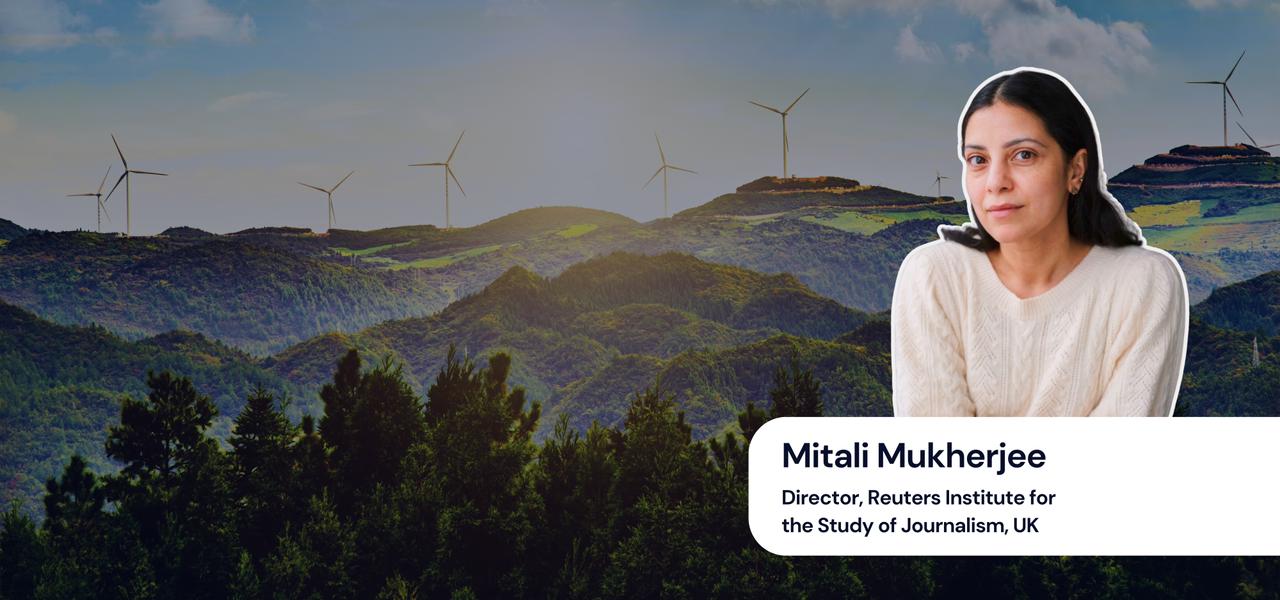

At a time when wars dominate headlines, climate disasters intensify, and newsrooms themselves face funding cuts and political pressure , who tells the story, and how, matters more than ever.
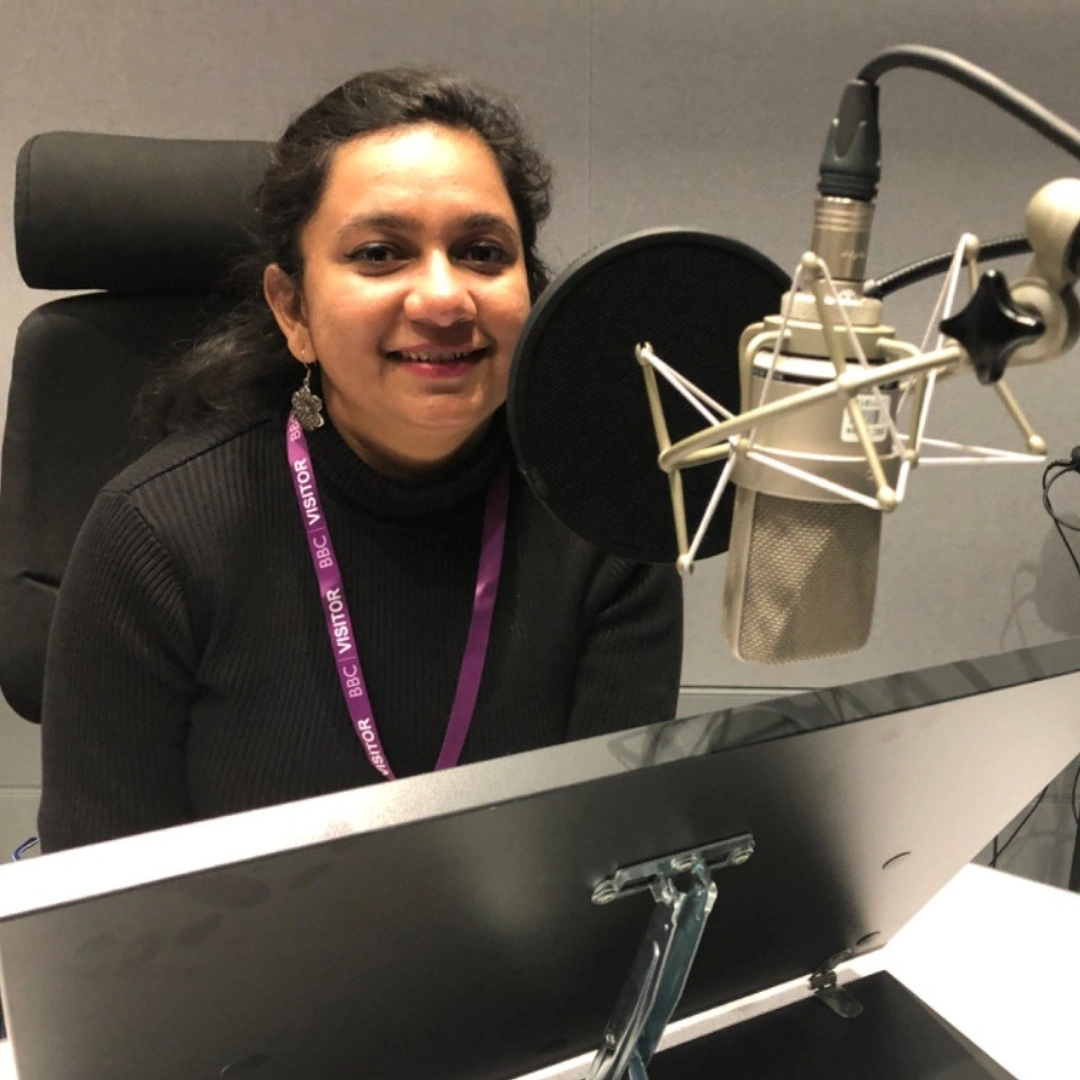
In a conversation that is both personal and structural, we spoke with Ms. Mitali Mukherjee, Director, Reuters Institute for the Study of Journalism, UK. Having led a distinguished career as a business journalist, and now heading one of the world’s leading centres for journalism research and policy engagement, she brings both newsroom experience and a global institutional perspective to the discussion. Drawing from her experience in India’s broadcast media landscape to the structural shifts reshaping academic and research institutions worldwide, she reflects on what it means to report and research in an era defined by disruption.
This conversation looks beyond the daily news cycle to understand the structural forces shaping journalism today. From social defunding and the changing business models of media to the difficulty of sustaining consistent, in-depth climate reporting in an increasingly saturated media environment, we discuss what it takes to support independent journalism and research in uncertain times, and why it continues to matter.
Further Reading:
• Reuters Institute for the Study of Journalism’s Climate Change and News Audiences Report 2025
https://reutersinstitute.politics.ox.ac.uk/sites/default/files/2025-12/Climate-Change_news_audience_report_2025.pdf
• Climate related projects from our journalist fellows
https://reutersinstitute.politics.ox.ac.uk/journalist-fellows-papers
• Samuel Thomas and his project on the farmer herder crisis
https://reutersinstitute.politics.ox.ac.uk/what-journalists-should-know-about-farmer-herder-crisis-nigeria
• Niko Efstathiou and his project on wildfires and misinformation
https://reutersinstitute.politics.ox.ac.uk/extinguishing-wildfire-misinformation-avenues-journalistic-improvement
• A paper jointly worked on with Dr Anthony Feinstein on the stress and distress faced by climate change journalists
https://journals.sagepub.com/doi/10.1177/20542704251406052
• Details about Mitali’s book Crypto Crimes: Inside India’s Best-Kept Secret
https://www.amazon.co.uk/Crypto-Crimes-Inside-Indias-Best-Kept/dp/9356996709
• The Digital News Report
https://reutersinstitute.politics.ox.ac.uk/digital-news-report/2025
Listen to the episode with full transcript here in English
[Podcast intro]
Welcome to Season 6 of the India Energy Hour podcast. This podcast explores the most pressing hurdles and promising opportunities of India’s energy transition through an in-depth discussion on policies, financial markets, social movements, and science. Your hosts for this episode are Shreya Jay, Delhi-based energy and climate journalist, and Dr. Sandeep Pai, energy transition researcher and author. The show is produced by 101 Reporters, a pan-India network of grassroots reporters that produces original stories from rural India. If you like our podcast, please rate us on Spotify, Apple Podcasts, or the platform where you listen to our podcast. Your support will help us reach a larger audience.
At a time when wars dominate headlines, climate disasters intensify, and newsrooms themselves face funding cuts and political pressure , who tells the story, and how, matters more than ever.
In a conversation that is both personal and structural, we spoke with Ms. Mitali Mukherjee, Director, Reuters Institute for the Study of Journalism, UK. Having led a distinguished career as a business journalist, and now heading one of the world’s leading centres for journalism research and policy engagement, she brings both newsroom experience and a global institutional perspective to the discussion. Drawing from her experience in India’s broadcast media landscape to the structural shifts reshaping academic and research institutions worldwide, she reflects on what it means to report and research in an era defined by disruption.
This conversation looks beyond the daily news cycle to understand the structural forces shaping journalism today. From social defunding and the changing business models of media to the difficulty of sustaining consistent, in-depth climate reporting in an increasingly saturated media environment, we discuss what it takes to support independent journalism and research in uncertain times, and why it continues to matter.
[Podcast interview]
Shreya Jai: Hello and welcome to the India Energy Hour. Thank you so much for joining us here today in this very special episode. I have a habit of calling every guest special, not that they are not, but this one surely is. And as she will talk about her career in her own words, her trajectory is kind of, has followed on how I have taken baby steps into journalism and beyond. I grew up watching her on television as a business journalist. Then I had the privilege of sharing a classroom with her for a journalism course, which was a privilege, and I was very lucky to share the same classroom with her. And now she is a director at Reuters Institute, where again, we have crossed paths. And I keep hoping and praying that we keep crossing paths. So this is my way of getting Mithali here to cross paths with me again. And I will let her talk more about herself because my words can’t do much justice. So thank you again for joining us here, Mithali. And we hope that this would be a fantastic recording because I know it will be.
Mitali Mukherjee: Shreya, it’s an absolute delight. Thank you for having me. And I think it was sort of a shared privilege. I probably pulled up the age range in the class, but you got all the personality. So, you know, we can say there was some contribution, not all equal contribution, but it’s an absolute pleasure to be here. It’s also fantastic as we were chatting just before, you know, you started recording to hear the success that you have scaled with this podcast. And I think it’s a reflection of something that’s genuinely been a passion for you. As a business journalist, you kind of really built that vertical for yourself around climate, around energy. So many congratulations to you. And thank you for having me here.
Shreya Jai: Thank you for those kind words. Let’s kickstart the conversation with a focus on you. You have had a stellar career as a business journalist. And thereafter, you have taken various roles, you know, which have helped shape the media world for present and future challenges. Can you tell us about your journey? Let’s start with your TV media career and then maybe move on to how the stint at Reuters Institute happened and how that experience has been.
Mitali Mukherjee: Yeah, it feels like a really long time back, just in terms of where it started. And I think so much has changed, right, Jaya, both in terms of just the landscape of, you know, what news looks like in terms of how we access it, how it is available to us. And then there’s the other part of what’s happening within unique media landscapes themselves. So when I started in journalism, it was a pretty long time back. It was kind of the, you know, the moment where I would say television news in India, I mean, it had kind of grown in more developed markets. But in a market like India, it was only just beginning to start. And one of the things I approached my journalism with at that early stage was a keenness to understand kind of the back end as also the front end. I was really interested in the process as also the journalism. So I kind of took a slightly different step from some of my some of my colleagues at that point, which is that I didn’t join a newsroom. I joined a production company because I wanted to understand what that process behind the camera looks like. And I worked with them on a couple of documentaries, which was really, really fantastic and great kind of learning for me. And then I moved into a more formal newsroom, starting off with some reporting, quite quickly actually moving into news anchoring, which, you know, has had its kind of benefits and also its its drawbacks and then building into a subset of business. And it’s a funny story about business journalism, which is not where, you know, my my heart originally lay. I was very much a political journalist or at least had ambitions to be. I’m a political science student. But there was this moment in time and I remember it so clearly. I was standing outside the prime minister’s office in India, which, you know, journalists, as you know, call it seven RCR just for short, because that’s the address. And there was a group of ministers meeting happening. And I was just standing there in the baking sun for like two and a half hours waiting for somebody to come out and give us that one soundbite. And after three hours of waiting, one minister came out and he, you know, walked up to all of us and we were all very expectant. And he said, hello, no comment. And I remember thinking at that time, there has got to be something else that I do with my time that is more useful. And this is not to kind of draw draw down on the work that people do in the political beat or indeed other beats. And this is, I think, the really hard, crunchy part of reporting is that sitting and waiting it out. But that’s where I kind of shifted towards business journalism. And I decided to join CNBC, which is, you know, some of your listeners may know is a business channel, but focuses quite, quite specifically on equity markets, which is where my journey into equities began. Maybe I’ll pause there because I’ve been talking for a long time, but that’s kind of my journey into business journalism. And then, of course, through lots of twists and turns, I moved towards, I don’t know whether to call it academia, but I think just deeper study of the industry itself. And I’m really, really lucky to have had this opportunity to come here to the Reuters Institute, which is based in Oxford, and kind of look at it from a research point of view, but always trying to feed into what’s going on with the industry and what’s going on with audiences.
Shreya Jai: And in between of all this, you have managed to publish a book, Ashland. I did. And on a very different subject, very relevant now, but, you know, very different from what you have done. What caught on that topic as your interest area?
Mitali Mukherjee: Yeah, again, not an expertise. So certainly don’t kind of qualify myself to be an expert in crypto or have a, you know, a very deep passion for it. It was actually a couple of chance conversations with people about these really strange incidents that were happening in India and specifically in India, because it kind of brought home this, and I don’t know if all your listeners are familiar with this term, but Jagad, which is, you know, like kind of mixing a lot of local know-how or intelligence and kind of matching it up and building solutions. So I heard about these incidents in the largest state, which is Uttar Pradesh, where people would basically arrive on motorcycles outside someone’s house and hold a local hand revolver to their heads and say, open your phone and transfer all your crypto coins to my phone. So it seemed like a really unique use of, you know, local expertise, if you will, with a highly sort of technological development, which is crypto. And that’s where the book came around from. It was really this kind of exploration into what’s happening in India. Is it really as widespread as it seems to be? And I think one of the areas I’m keen on and I continue to be keen on is young people. I really like understanding how they think, you know, what they feel, what they’re into, what frustrates them, what energizes them. And I think at that point, crypto was really this phenomenon that was taking over the younger population. Since then, quite a lot has changed in terms of policy. And of course, crypto is now kind of a much more evolved form in industry. But it was a really big learning again for me in terms of what was happening across the country with with crypto technology.
Shreya Jai: No, absolutely. And to our listeners, if they want to pick a copy, the book is called Crypto Crimes Inside India’s Best Kept Secret. Very thriller book title. So pick it up if you want to. Going back to what you were talking earlier about how, you know, when you joined TV media, it was just coming up and then it has evolved. And we have seen this evolution happening in the last two decades. Phenomenal and in different varied paths. We can go on and on about how, you know, one can agree or disagree the path TV media or print media has taken. But you now have a ringside view. So I want to now know from you, what changes have you seen, both the good ones and not the good, not so good ones in your experience?
Mitali Mukherjee: Yeah, I mean, so much. I think if we were to map, you know, even go go beyond the last decade, Shreya, and go into kind of 15, 17, 20 years, I think the first fundamental shift that we’ve seen in terms of consumption is this shift from print to online. And there was this moment in time and sometimes there still is where people kind of, you know, very nostalgically say, well, maybe everyone will go back to reading newspapers. But I think given the evidence that we have, we can point to the fact that doesn’t seem to be the case. So I think the first thing that really shifted was how people were accessing news. It was no longer a news magazine or a newspaper. It all shifted online. The second big shift, I think, is this change in appointment viewing. You know, one of the things that made CNBC at that point a really popular channel was not just that it covered stock markets, but that people had this appointment viewing habit with the channel, with the programs that were run. And I remember at that time, it was a bit irritating. And now it absolutely is not. It’s just it’s heartwarming that when I would be on leave for a couple of days, people would call the newsroom to say, she’s not on the show. Where is she? What’s wrong? Because you almost became a habit for the audience where they knew that if they switched on the TV at 8 a.m. or 9 a.m., there’s a particular face they would see. There’s a particular kind of, you know, interaction that they were expecting. So I think the second thing that changed was this whole appointment viewing habit. And then the third and really fundamental change is, you know, we call them gateways, which is how do people access the news? And that’s the big change that we saw with the advent of social media, which is more and more people coming in in terms of what we call side door entries or, you know, third platform entries, which means that I log on to my Twitter account or I go on to Facebook or increasingly for young people’s basis like Instagram or TikTok. And that’s where I get my news from. I don’t log on to the BBC news website or I don’t log on to the Times of India website. And I don’t go and access my news from there. So I think this kind of sideways entry is the other big change that has come into the journalism sphere. And then the final one I will point to, which we’ve begun to see over the last few years, is this shift towards audio and video. You know, there is still a preference to read because that’s the quickest. You know, you have the most control over, you know, content that you’re reading. But increasingly, especially for young people, their preferred way of consuming news is through videos or through audio, such as the podcast where, you know, we’re chatting today.
Shreya Jai: Right. And I guess with these platforms and these sideways, I think the content that people are consuming has also changed. You know, there used to be a time where a print newspaper would try to push whatever it thinks, what the editorial thinks the agenda is. But now I think the consumption pattern has changed so much that what you want to put out is decided on what people want to read or consume. So I think the topics have also changed. Do you think so that, you know, hard economy, budget news and fiscal deficit, etc. do not interest the young readers more and probably, you know, real world issues of maybe environment, climate, you know, even data centers, IT, AI for that matter. Have taken more of a center stage? Or do you think it was a shift that was waiting to happen?
Mitali Mukherjee: I think in some ways, this demographic or always or this demographic difference always existed, Shreya. So, you know, in terms of people who tended to read the news, even if you were to go back many years, tended to be a slightly higher age group. It also tends to be male. And that still exists as a phenomenon across the news. So very much kind of, you know, skewed towards attending to the needs of people from 45 years up, very much tending to attend to the needs of a male population. So those dividing factors, I think, always existed. You’re right. In some ways, you know, even though we may keep, we may debate about the algorithm and how it tends to, you know, it’s a self-serving phenomenon where you get more and more of what you want. And it does still democratize a lot of the content and widen out the content that people have access to. And it is certainly true that young people like to see a mix of many things, which is, you know, it could be some entertainment. It could be some lifestyle. It could be a little bit of what’s happening with the news. But I think on that point that you made about, you know, the hard news topics like fiscal deficits, I mean, just as an example for business news, one of the things consistently that we find in our research is that young audiences and people from slightly less privileged backgrounds by way of socioeconomic conditions consistently point to discomfort with the news for two reasons. One, they don’t understand it. It’s too complex. It’s hard to make sense of. And they don’t exactly know what all of this means in their lives. And the second is a lack of representation. So very often, both for young audiences and for people who are not from privileged backgrounds, they don’t see themselves reflected. And when they do, it’s quite often in a negative light, which, you know, kind of builds this distance between news as a product and audiences as well. And maybe that’s something to fold into going forward. You know, this lack of connection, I think, has been a big challenge for news where any brand that you point to, whether it’s, you know, a larger one or a smaller one, one of their biggest challenges has been holding on to audience growth or even being able to grow that, you know, year upon year.
Shreya Jai: Right. Absolutely. And I so much agree with your point about, you know, lack of representation, be it on a paper or on a screen. And I think that makes a job of a writer or a podcaster difficult, but much more difficult for someone who’s in your position, who has to democratize so much of this knowledge, make it accessible also. Meanwhile, you know, facing so many challenges that not just the media world, but academia both are facing. But let me first start with your priority areas. Now that you are in this position, what are your priority areas? What are the key subjects? And while you are, you know, concentrating on these subjects, what are some of the challenges that you face? Let’s start with priorities.
Mitali Mukherjee: Yeah. So one of the things the Institute has always done, and that’s not sort of a priority that I have set in, but I’ve very gladly inherited, is that we look at some of these challenges from a demand side and not a supply side. And what I mean by that is that there is quite a bit of research and study and analysis into what’s happening within newsrooms for journalists. We almost always look at this from the audience point of view, because we feel that ultimately for a news organization, the goal as we understand it for journalism is to serve the public, or it should be in its most perfect form, which means that it’s important to know what the public actually wants, what they think, why they are engaging with news, or as the case may be, are not engaging with the news. So I think all our research, at least, starts from that fundamental point of what do audiences want. On the other hand, we work with journalists. We work with journalists who come here to Oxford and work on a project. We like to think of this as kind of a personal and a greater good, which is what is your personal draw to the subject? And why do you think this is important for the industry? And then we work with very senior newsleaders to talk about what is it that looks like the biggest challenge? We’re not here to kind of, you know, point, be pedantic and say this is the solution, because we understand that it’s very different for every different news leader. But we want to kind of hold space for critical thinking, just to define what the problem is and to think about what the evidence points to. Within that, I think a couple of spaces that we’ve been looking at has always been what’s happening across kind of media platforms, what the changes are there. We’ve been looking at young audiences, as I mentioned. We are now looking at AI, which is to say, what does generative AI mean for audiences? Are they looking for that in news? Are they not really interested? Does it create more damage when it comes to trust? And then one of the other things we’ve been looking at for four years now is climate. I know it kind of goes through waves and ups and downs, depending on the political mood. But I think if you were to sit down at this point in time and think about what would still remain a really big deal in all our lives, you know, 10 years from now, it would still be climate.
Shreya Jai: Yes, I completely agree. And also to the point that you mentioned that, you know, discussion on climate discourse seems to take a wave that matches the wavelength of political discourse. But but as we are seeing here in India, compared to what’s happening globally with what U.S. and Trump has done, there is a wave of climate weeks, climate sessions happening across states. And that is something maybe to watch out for. Or maybe they think that it is something to now talk on. I would now like to steer in the direction of climate action, energy transition and allied issues in this sphere and how the Institute weaves them in in their programs. Do you mention obviously to OCJN, Oxford Climate Journalism Network Program, which over the years has created this fantastic network of climate and energy journalists across the globe, more than 500 journalists, full disclaimer here, I am a part of that network, I was honored to be a part of that network, I learned so much during the tenure of the online courses, and I continue to use those resources. But I let you talk about talk more about this program. And what are the other things that the Institute does in this sphere of climate action and energy transition?
Mitali Mukherjee: Yeah, so four ways. The Oxford Climate Journalism Network kind of has four pillars to it. One is the research, as I said, and we this year published our fourth report on climate change and news audiences. I think this particular piece of research is so important, Rhea, because we’ve and we always try to do that. It has this mix of global majority and global minority, where you see the differences in how audiences view some of this climate change news in a country like Germany, for example, versus a country like India or Pakistan or Brazil. So that’s one. And we’ve been tracking that for four years now. And I think in that we are quite unique. I’m not sure there are many comparable places that are doing research specifically around climate change news. The other one is the cohort that you mentioned that’s actually at 800 in terms of total journalists who go through the program, work with kind of academics, just understand. I mean, very simply put, I think the goal was how do we build confidence around reporting? How do I go out and report confidently about a particular climate phenomenon to an audience in order for it to make sense to them as well? So that was the main goal over there. The third is in-person fellowships. And we’ve had, you know, many of them. We try very hard to make this, again, a global majority offering. So we had Samuel Thomas from Nigeria working on the farmer herder crisis, which was essentially about human displacement and the role of journalism in spreading, you know, accurate information. We had Nico F. Thetau from Greece who worked on wildfire misinformation, which is, again, extreme weather, something people around the world are living with. We had Just Transitions, you know, a project around that with Lamise Amarji from South Africa. So, you know, we want this to be as relatable as possible for people reading. But we also want it to be valuable when you go back to the newsroom. And then the fourth part is that we work with senior newsroom leaders. Sometimes the problem around climate is not at the bottom. You know, the reporter whose beat it is understands the importance of their stories and actually believes in it very passionately. The problem is when it goes up that funnel and, you know, kind of reaches your deputy editor who says, no, no, no, there’s no space, you know, cut the climate story, just shift it to something else. So I think that understanding has to be built at the top of the newsroom. And the understanding also has to be built that it’s not, you know, it doesn’t need to be a climate story to be a climate story. It can be a business story with a climate angle to it or at least a climate reference to it. It can be a sports World Cup story and have, you know, a climate angle to it. And it can be fashion and it can also have climate to it. So I think that was our goal, you know, to kind of break these silos, but also, again, to keep bringing evidence back into the conversation.
Shreya Jai: You’re absolutely right that a climate reporter understands how serious it is and how other sectors need to now look at issues from a lens of climate, be it fashion, be it retail, be it supply chains or anything. Now that you have worked with newsrooms, with editors and with journalists who write on this, have you seen that climate reporting in its traditional form or in different forms improved in mainstream media? Or you think that new media is taking a much more serious look at climate issues?
Mitali Mukherjee: I mean, yes and no, in the sense that if you were to look at, you know, really large established legacy brands like the New York Times or Guardian or the BBC, what would we describe them as? I think we would choose to describe them as kind of old media and not quite new media in the sense digital natives or digital born. Are they doing a good job with climate compared to what they were doing five or six or seven years ago? I think the answer would be yes, in terms of kind of the amount of time that they, you know, cover these stories for the depth that they bring into it. Is this the same everywhere? No. Does it have a stop start nature to it? Yes. I think one of the frustrations through the last year and a half is kind of redeployment within newsrooms where you suddenly get plucked from being a climate reporter into covering conflict. Some of this is a function of just resources, right? You’ve got only so many people. There’s all these big stories blowing up. People have to be redeployed and you do that. The other frustration that we hear back from newsrooms and share, you were part of one and such a large legacy brand for so long and covering climate is kind of, oh, we don’t get the clicks. You know, we put a story out on climate, but people aren’t really engaging with that. So why should we bother? So I think that remains a frustration for many newsrooms. And then the other one is from the audience point of view, I think it’s this feeling of helplessness where you’re kind of facing a lot of gloom and doom with all the climate stories that you consume. You’re seeing that it’s getting hotter and you’re seeing that the extreme weather events are increasing and you’re seeing that people, you know, turn up at COP and essentially just, you know, have lots of big fights and, you know, it ends up tilting towards whoever is the most powerful, you know, balancing force at that point. And it sort of leaves people with a level of one of the things, one of the words we found in our 2024 research was inertia, which was kind of neither this nor that in terms of engagement with climate news. And now I think through this year, we’re beginning to see a slightly gradual, but a downward consistency in terms of people encountering climate information. Part of this is people not engaging with TV news that much and TV news itself not providing that much climate information. But as a whole, if you would say, are people, you know, looking at climate more? Yes, some of it is a function of, you know, the changes we’ve seen, as I said, with extreme weather, with air pollution, something that is so keenly felt by so many people across the South Asia band. But it’s, I would say it’s, it’s very hard to kind of point to immediate successes or immediate losses as a whole for the industry.
Shreya Jai: Right. And as I understand, the challenge is very twofold. There is a global climate crisis happening. But if we, if I sit here in this vulnerable, high impact country, which is also developing and probably has probably definitely has developmental goals in priority higher than, you know, dealing with climate adaptation, mitigation. So this combination of limited awareness, financing gap, and while climate crisis is brewing in your backyard, how does it impact coverage? And I ask this from the vantage point of a developing country.
Mitali Mukherjee: I think first of all, you define it so perfectly in terms of, you know, the, the, where the problems are, and there are quite a few. One is certainly confidence in reporting. And I think a lot of young journalists, so just journalists in general, do struggle with kind of access to enough information about a climate event. You’ve been through the Oxford Climate Journalism Network online program. Shreya, you’ve come across the work of Dr. Freddie Otto, who’s done so much in terms of helping journalists make that correlation between an extreme weather event and how it’s tied in with climate change. And I think these sort of, you know, the ability to, to link this is so important. The second important point that you raise is around kind of both gating of information, but also gating of research. So if you were to look to speak to an expert in an area of climate, there are pretty high chances you’ll end up with someone who’s 55 plus male and white. And I think that is certainly a frustration. You want to hear about the problems that your region is facing from people who have lived experience in that region. You know, if you want to talk about what’s happening in Kenya, you want to talk to someone who understands what Kenya is about, what the historical track has been, why, you know, there are these particular and unique climate challenges. So that’s the other one. And the, and the third one, Shreya, is kind of, it’s not really about climate. It’s about news, which is increasingly year over year, we see more and more disengagement with the news. People point to almost the same reasons. It is, you know, discontentment in the sense that it makes them anxious. It makes them feel depressed. They don’t know what to do with the news. And that seems to be taking people one step away from information largely, but also climate news within that. And I think that’s really a keen challenge.
Shreya Jai: You mentioned depressed and I would continue on the pessimist note a little bit. With all the challenges that are happening, the last one and a half years have, you know, brought a new set of turmoil with shifts on how U.S. has stopped all kind of financing for green energy. The attitude of the U.S. president toward climate change issues. And in turn, that has impacted independent institutions, both in research, academia, and obviously the domino effect takes you further into journalism as well. Through what you think how these organizations can adapt, and I ask you, it’s a very broad question, but research, academia, and journalism, how can both of these worlds can adapt to this, you know, two very pull forces that are there right now in the world?
Mitali Mukherjee: Yeah, I mean, I would say, and it’s interesting we’re talking now because February kind of marks in some ways one year of the period when that first, you know, shocker came into the system. For those listening and those that may not have been following that story, because as journalists and academics, we tend to be, you know, minute by minute breakdown of these stories. In January last year, you know, the United States government and its leader decided to make some fairly sharp cuts in the kind of world funding that they were doing for different programs through U.S. aid amongst other kind of verticals and institutions that were giving out these grants. I think that for a lot of people, it’s when that source of funding got shut off that it really was fed so keenly how much it was funding. So the first was that it was not just a small withdrawal, it was a pretty massive withdrawal, and it happened across the world. The second is it did happen in spaces like journalism. It certainly happened for research, it happened for academia. But it kind of, you know, in the in the pecking order of how serious is this? Unfortunately, I think journalism kind of ranked pretty low, because the funding was withdrawn for really critical medication, really critical kind of hospital support. So as an example for pregnant women in Afghanistan, or vaccinations across large parts of sub-Saharan Africa, you know, all of these things had really dire consequences. I mean, it was and I’m not, you know, putting it dramatically, it was life and death. In that context, journalism lost a lot by way of funding. Was it life and death? I’m not sure. Did organizations feel it very keenly? Absolutely, yes. And you felt it in, you know, a couple of a couple of geographies. Most you felt it in Latin America, in Africa and in Asia. And I think it hit the work for climate. It also really hit the work for fact checking quite hard. And a lot of smaller organizations had to make some very big kind of decisions. How did we emerge from there? And how do we go from here? I think everyone had to make a lot of strategic choices. So there was certainly a knock on effect, not just from, you know, whether you got direct funding from the US government, but also how other funders and philanthropic organizations started thinking about this, thinking, hey, you know, maybe it’s time to just dial it down a little bit and just see where this goes politically. There’s too much up in the air. So I think a lot of strategic choices had to be made in terms of downsizing, in terms of changing programs. But I think, you know, I know you said, you know, we start on a pessimistic note, but I think if we have to look at an optimistic side, it’s kind of also a wake up call to think about, you know, what are our real options here? What do we have to do to ensure that people understand the value of our work, whether you’re a news organization or an academic institution, and actually see value in supporting that? And what does that support look like? So I think in some ways, it’s been this deep soul searching moment as well for a lot of organizations. And some have kind of found a middle ground, you know, they’re smaller teams, they’re leaner teams, but they’re working and leaning into what they see as their strengths, and still trying to remain kind of quite, quite close to the causes that they work for.
Shreya Jai: Right, it sounds depressing, but I think that is a new reality that we are living in. It is one year on an institution, not just in United States, but globally have in a way tried to fight back and as you said, find a middle ground as well. But as things stand now, do you think that it would improve from here on would research organizations who are invested deeply into independent research for, you know, relevant prevalent issues of be it climate, energy transition, poverty elevation? Do you think that apart from finding a middle ground have, you know, funders across the globe have realized that, you know, it’s okay, there is this turmoil happening through tariffs or through whatever announcements that this one country is doing, we can think of ways to support issues that matter. Have you seen that trend emerging?
Mitali Mukherjee: Well, I mean, the first thing I would say is, you know, it just takes two journalists to start a depressing conversation. So here we are. The other thing I would say is, you know, never say never, Shreya. I mean, we’re so young in the history of time, isn’t it? We’re such a dot in the whole space. So things turn, politics turns and, you know, political climates turn, moods turn, agendas turn, agendas turn quite differently. There was a moment in time where the, you know, the kind of the pro environment parties were doing really well in countries like Germany, and then that, that spin back. And maybe it’ll spin back again, you know, so who’s to say? I think people have, or should genuinely think about collaboration. And I just want to make a point about collaboration here. because I think when we talk about it as journalists, we tend to think about, okay, so I’m Newsroom X and I’ll talk to Newsroom Y and we’ll just get something going together and we’ll co-publish something. I think we need to reimagine what these partnerships look like. And I think this goes back to the point we were making about young audiences, which is that they’re not passive consumers and that is the difference between this generation and others. They want to be as much in the process as kind of consuming it. So it’s not that, you know, Mitali’s going to come on television and she’s going to tell you what the news is and you’re going to sit back and consume it like a goldfish. You want to be participatory in the process. And that’s what I mean by collaboration and partnerships. I mean, look at the amount of work that communities have done when they’ve put their minds to it. You know, some of the singular forces of nature really in the US have been mums in, you know, in different kind of residential areas, building signal groups, alerting other families around, you know, ice raids or other issues, you know, picking up their kids, dropping their kids if a particular parent felt vulnerable. It’s, you know, local communities getting together and cleaning up the park for their kids. You know, we have to start thinking about who, what the civic partnership looks like and, you know, just opening, I think, our own minds to what that means. And it also means kind of opening up our own gateways, if you will, in terms of us being the custodians of news and information versus someone else being a passive recipient of it. So I think that that’s a big shift, I concede. But I think, you know, that space needs to be opened up.
Shreya Jai: I wish world leaders thought about the larger picture more and read more of Carl Sagan. But that’s my wishful thinking. Let’s not have depressing talks anymore. Let’s talk about solutions, because I think that is something that you and also the Institute tries to do. Look at a solution-based research or, you know, your programs. First of all, I’ll start with something very simple, because I’m sure and I hope a lot of journalists are listening to this. What advice would you give to today’s journalists who want to strive for a fair, balanced reporting? You mentioned about lack of access to information, support, resources, etc. So keeping that in mind, how would you tell them to deal with all kind of problems that they are facing, especially the authoritarian pressures?
Mitali Mukherjee: Yeah, I think we’ll… Maybe I’ll start from there, because it would be really, I think, dishonest of me to say, you should do this and you ought to do this. And, you know, in an ideal world, you should go out and do this. So there’s two parts to this. One, if we just look at this from the other side, which is that, you know, one of the questions we have been asking audiences in our research and our surveys, which now, you know, spans 50 countries for our largest project is, what do you think journalism looks like? And I think the good news there is that for a lot of the audience and journalists, in its most perfect form, it looks like the same thing. It looks like transparency. It looks like rigor. It looks like impartiality. It looks like objectivity. It looks like boots on ground reporting. So, you know, both sides want the same thing. And I think, you know, that I find really heartening. That has not changed. Audiences, young or old, still expect the same principles from journalism that we think journalism should hold itself up to. On the other hand, I think it would be remiss of me to kind of, you know, give this lecture in a way without recognizing what the real costs are. And there are real costs to it, Shreya. I mean, it’s not easy to choose a profession where you may be physically unsafe. It’s not easy to choose a profession where your family may be maligned. It’s not easy to choose a profession where there may be legal ramifications and you could be taken to court and you could spend sort of many years, you know, paying a really exorbitant legal fees. And I don’t want to take away from that. And I think that has to be a really individual decision. And I think we cannot kind of pile this pressure on young people or anyone, frankly, saying, well, you have to do this and you have to be brave and you chose journalism, so now you must, you know, continue at all costs. I think generalists will have to take very individual decisions based on where they’re at, what their family is doing, what their responsibilities are, and whether or not they think, honestly, you know, this is worth it. And I completely kind of salute those who hold the line and remain courageous. But I don’t think we should, I don’t think we should put down people who make other choices for themselves.
Shreya Jai: No, I see where that’s coming from. And I completely agree with some of the points that you mentioned. I’ll quickly want to, you know, address this problem from the lens of a climate energy reporter’s perspective. Majorly being, apart from all the problems that the journalism world itself is facing, in terms of climate reporting specifically, there’s an exhaustion in the readers. No one wants to read the, you know, climate news anymore, because it sounds like doomsday news, as we call about it. But then there are, now this climate is not just reporting about temperature. You said that it is impacting so many sectors. So, my question is very simple. For a climate journalist, how, how can they not be depressed, make others depressed, and yet talk about the issue? I’m asking a very complicated, complex question, but I know that you can address it for sure.
Mitali Mukherjee: No, no. And it’s such a, it’s such a fair question. I mean, one of the things we do with our cohort of, you know, people attending the online program is this session with Dr. Anthony Feinstein, which you would have, you know, been through as well, where this is the thing. Like, I think for a lot of climate journalists, you kind of feel like you’re screaming into a well, right? You’re talking about the same thing. You know it’s important. Your editor doesn’t seem to think so. Your audience often turns away from it, and it leaves you feeling really alone. So, the first thing to do is to acknowledge that this is a problem, and this is a challenge, and that is absolutely true. I think the one thing is that, and I don’t want to make generalizations because we don’t really clearly have the data in terms of, you know, all young people want to see climate news, but many young people are more climate conscious. Many young people understand that on some issues, impartiality is not a construct. For example, on racism, you don’t need to do a this side versus that side. You know, racism is wrong. And the same way some young people feel that with something like climate change, you know, you don’t need to do a this side versus that side. You need to just kind of focus on what’s happening. The other thing is that I think people find, you know, smaller sized information easier to digest and work with. So we were talking earlier about, you know, smaller stories, about your community, about solutions, about small wins. And I think they find that quite useful and, you know, something that resonates. And I don’t mean to be cute about it in the sense that, you know, now you should start doing stories about, you know, how you cut down your level of plastic and carry a cloth bag. You know, I’m not saying that at all, but I’m saying that we really need to double down on smaller wins and, you know, bite sized information. That’s one. And the other is, I think we have such a, such a unique opportunity to help with that, that sense making we were talking about earlier, Shreya, which is that a lot of people don’t understand the story because it’s too complex. And I think we have that, that role in terms of kind of, you know, and we ask this question in our research, you know, what is it that you’re looking for? And people frequently say, update me, fine, but they also say, educate me, give me perspective, help me. And I think if we were to focus a bit more on those three aspects, you know, given our, our own unique strengths as journalists, that would go a really long way. You know, just simple explainers about why something has happened. Just walking people through even a timeline of, you know, what happened with event X. Why was there a landslide in one part of India? What does climate change have to do with it? What does poorly planned urban architecture have to do with it? You know, who’s accountable? And what can be done to prevent this the next time around? I think, you know, just compressing and presenting would also be a good step forward.
Shreya Jai: Right. I wish we can talk so much about it because there’s so many layers to this conversation, but we have to sadly close the conversation. But I want you, your concluding remarks to be around the institution. It has had unwavering set of values that it has stuck for so long. And despite all these pulls that we just mentioned, the institution is trying its level best, you know, safeguard the media world, trying to make knowledge more accessible. I want to ask from you, amidst all this chaos, what is Reuters Institute’s plan to, you know, kind of, if I can use the word, safeguard or at least make knowledge accessible or make the world a better place for journalists or the other way around?
Mitali Mukherjee: Yeah, such a big task. I think, well, first things first, the Reuters Institute is a part of the University of Oxford. And, you know, sometimes the name is confusing because there’s Reuters and there’s Oxford. So essentially, we belong to the University of Oxford. But when we were founded, you know, our co-funding at that point came from the Thomson Reuters Foundation. And they still remain to this point, you know, a co-funder for us, which is a huge, I would say, it’s an asset and it’s a privilege to, you know, hold a name of that stature. I think the university is very, very clear about the guardrails that exist in terms of academic research and freedom from, you know, any influence whatsoever. So what we publish is what our findings are. And I think that’s, you know, the first and most important thing to say. And we really hold on to that. On the other, in terms of kind of, you know, the softer things that are not embedded in principles and, you know, not written in stone, I like to think of the institute itself like a compass. And what I mean by that is I don’t think it’s my job or the institute to tell anyone how to do their job better because, frankly, we’re not working in their shoes. So I can sit here and tell a journalist in Madhya Pradesh that they should be doing more climate reporting, but the reality is that they’re up against the sand mafia or they’re up against, you know, other, you know, really influential and powerful institutions and people and maybe it doesn’t make sense for them to do it that way. But I think what we want to do is be a compass where we are just pointing to these really wide changes happening and hopefully that helps people kind of map out, you know, okay, what’s the next best step? If people are moving to social media, is there something we can do to be more present there, more engaged and more accessible? If there’s something happening around AI, what can we fold into our newsrooms to kind of build our own, our own efficiencies? So I think that to me seems like a useful way to kind of be present for the industry, but also in some ways share, be a mirror, you know, journalism does such an important job, but I think it also needs to be a bit honest about the fact that journalism looks like many different things. So it can, you know, at its best look courageous and impartial and really high quality, but it can also be completely bought out, it can also be completely politically motivated, it can also be, you know, leaning towards one or the other, it can also incite hate and all these things go into that mixing pot, you know, and everything emerges under that one title of journalism. So I think we have to recognize that and we have to kind of work with communities knowing that.
Shreya Jai: Right. Thank you so much for summarizing it and I hope a lot of people will take use from it and that’s such a nice way to say that you, the institution is both a compass and a mirror, so more power to you on doing both of these things and we look forward to, you know, see what Reuters Institute does, a lot of journalists look up to the work that the Institute does, so more power to you and thank you again for this insightful conversation which was so fascinating. I wish we could have talked more but this is the time we had. Thank you so much again, Mitali.
Mitali Mukherjee: Thank you, Shreya. We are richer because we have journalists like you in our community and I think we learn from it so it’s very much kind of symbiotic.
Shreya Jai: It truly is symbiotic because I have learned so much from you and I think we could continue with our mutual admiration, also mutual depression. Yes, totally. We should have one if Deeksha will allow but thank you, thank you so much again. Thanks a lot.
[Podcast outro]
Thank you for listening to The India Energy Hour! Subscribe to this channel to never miss an update. To drop us a feedback, visit our website or write to us at [email protected]
We are on Twitter. You can follow @tieh_podcast and get in touch with 2 hosts @shreya_jai and @sandeeppaii
[end]
Listen to the episode with full transcript here in Hindi
Guests
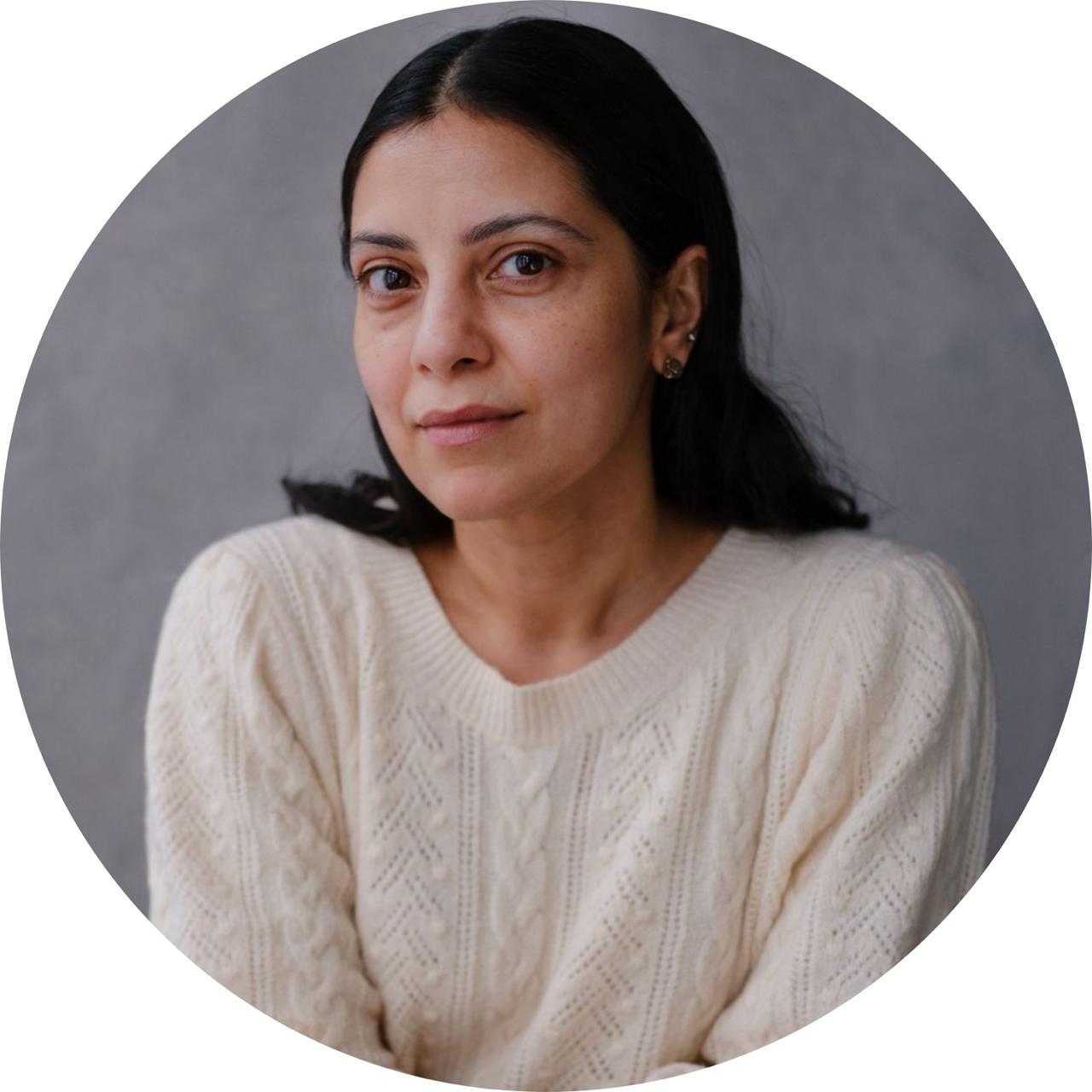
Mitali Mukherjee
GuestDirector, Reuters Institute for the Study of Journalism, UK
Hosts