
What does it take to build companies from the ground in a novel sector in India?
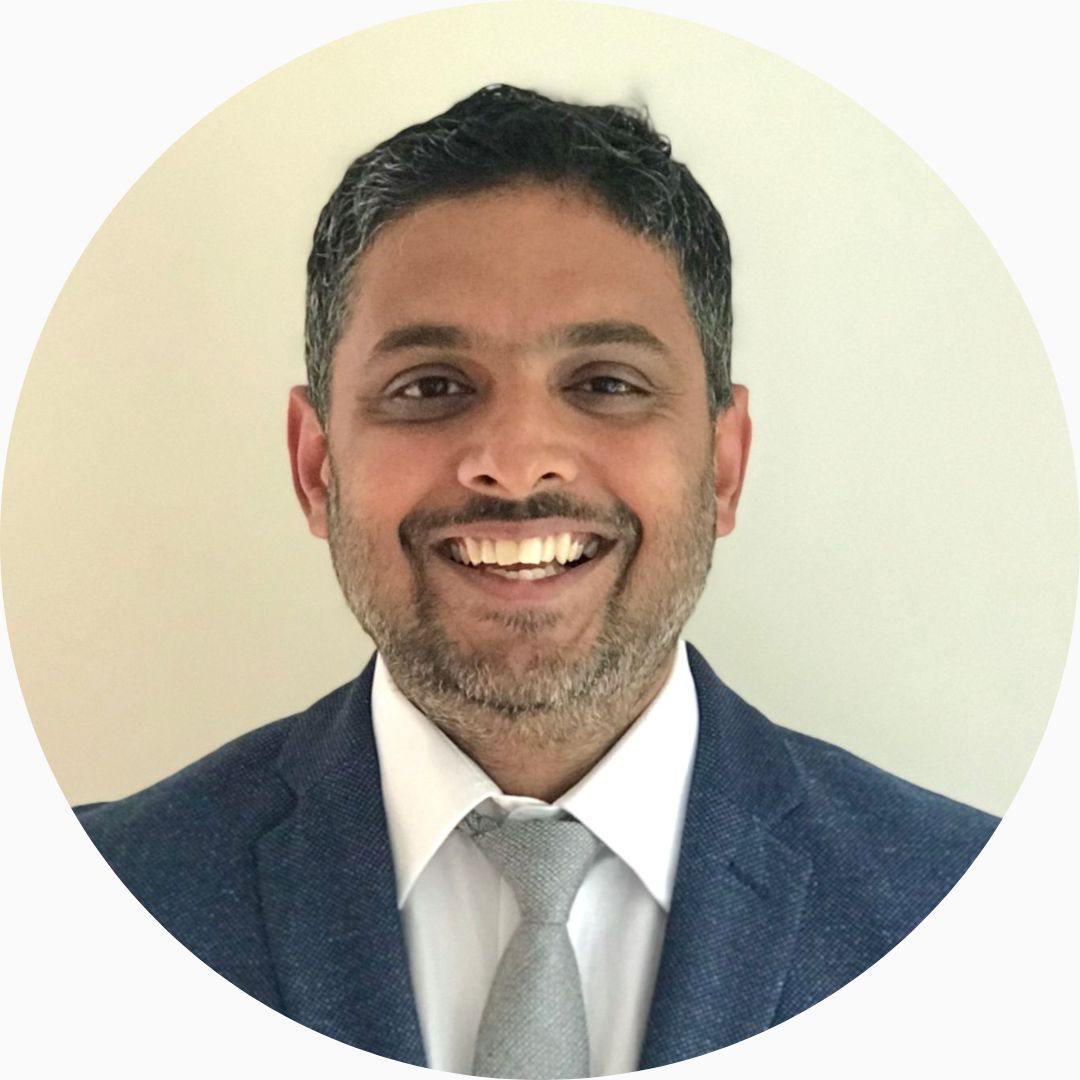
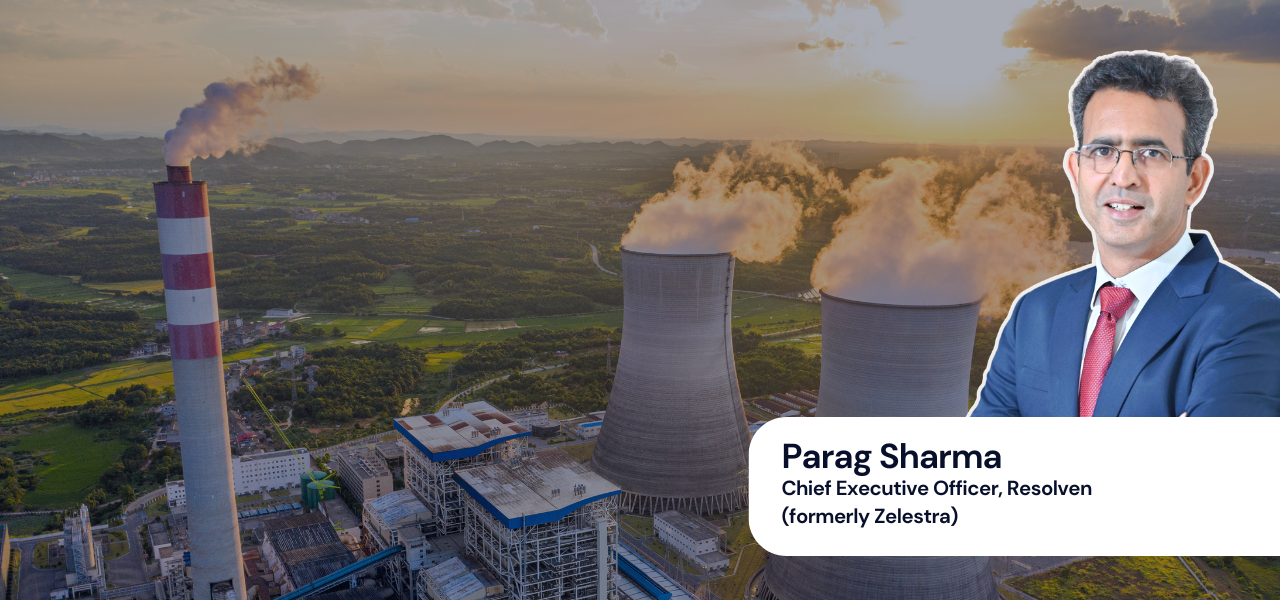
In this conversation, Parag Sharma, Chief Executive Officer at Resolven (formerly Zelestra), reflects on a three-decade journey from growing up in a thermal power plant campus to building gigawatt-scale renewable businesses.
Drawing from his experience across engineering, consulting, and entrepreneurship, he explains how India’s renewable energy market matured into one of the world’s largest investment destinations. The discussion explores the forces shaping the sector today, from global investor confidence and competitive bidding to the evolving balance between solar, wind, and battery storage.
As India races toward ambitious clean energy targets, the conversation also looks ahead: what will define the next generation of renewable companies? From disciplined bidding and smart project development to hybrid energy solutions and emerging opportunities in green hydrogen, data centers, and AI-driven energy demand.
Mr. Sharma is the former Founder and CEO of O2 Power, previously served as COO at ReNew Power, and currently holds leadership roles as President of the Wind Independent Power Producers Association (WIPPA) and Chairperson of the Confederation of Indian Industry (CII), Northern Region.
Listen to the episode with full transcript here in English
[Podcast intro]
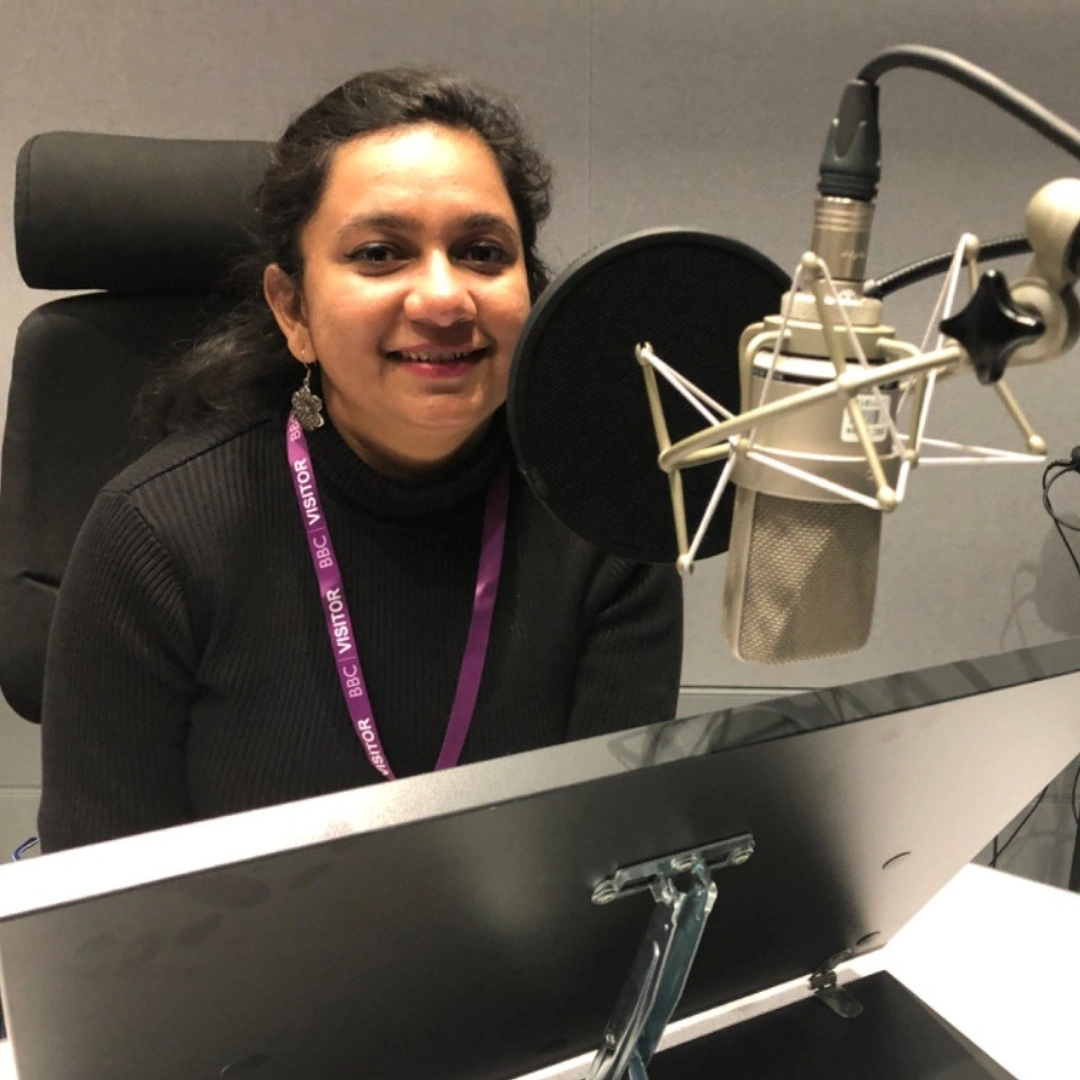
Welcome to Season 6 of the India Energy Hour podcast. This podcast explores the most pressing hurdles and promising opportunities of India’s energy transition through an in-depth discussion on policies, financial markets, social movements, and science. Your hosts for this episode are Shreya Jay, Delhi-based energy and climate journalist, and Dr. Sandeep Pai, energy transition researcher and author. The show is produced by 101 Reporters, a pan-India network of grassroots reporters that produces original stories from rural India. If you like our podcast, please rate us on Spotify, Apple Podcasts, or the platform where you listen to our podcast. Your support will help us reach a larger audience.
What does it take to build companies from the ground in a novel sector in India?
In this conversation, Parag Sharma, Chief Executive Officer at Resolven (formerly Zelestra), reflects on a three-decade journey from growing up in a thermal power plant campus to building gigawatt-scale renewable businesses.
Drawing from his experience across engineering, consulting, and entrepreneurship, he explains how India’s renewable energy market matured into one of the world’s largest investment destinations. The discussion explores the forces shaping the sector today, from global investor confidence and competitive bidding to the evolving balance between solar, wind, and battery storage.
As India races toward ambitious clean energy targets, the conversation also looks ahead: what will define the next generation of renewable companies? From disciplined bidding and smart project development to hybrid energy solutions and emerging opportunities in green hydrogen, data centers, and AI-driven energy demand.
Mr. Sharma is the former Founder and CEO of O2 Power, previously served as COO at ReNew Power, and currently holds leadership roles as President of the Wind Independent Power Producers Association (WIPPA) and Chairperson of the Confederation of Indian Industry (CII), Northern Region.
[Podcast interview]
Shreya Jai: Hello and welcome to the India Energy Hour podcast, Parag. Delighted to have you here. We have seen you over the years, building companies after companies in India’s renewable energy landscape. So excited to hear about your journey, your experiences in India’s energy landscape. So thank you again for joining us here today.
Parag Sharma: Thanks, Shreya, and pleasure being here. Thanks for inviting me.
Shreya Jai: So as I was just mentioning, you have had quite an experience in the sector. You earlier built O2Power. Now you’re building another company, a new company altogether. So can you tell us a little bit about yourself? You know, our audience would like to know your journey. How did you enter into the power and renewable energy sector? What drew you to this industry? Where are you from? What did you study? And also some defining moments that, you know, shaped your leadership philosophies.
Parag Sharma: Oh, sure, sure, Shreya. So I’m a second generation power sector person, as it happens in defense. So my father was also in power sector. And I’m brought up in a power plant campus. So there was a power plant called Badapur Thermal Power Plant, which was right there in Delhi. So initial 10 years of my, or in fact, 15 years of my life was in that power plant campus. And it happens by chance that I’ve been there in the power sector for the last 30 years. First, after doing engineering, I got an opportunity to work with ABB. There I did a lot of training in power sector, simulator trainings in gas-based power plant, coal-based power plant. I was an election and commissioning engineer in India’s first IPP, GBK J. Group. Then I did my MBA. And fortunately, once I joined PwC, a consulting organization, again, most of my assignments in the consulting period of nine years was also related to power sector. And then a shift happened where we were advising Goldman Sachs on an acquisition opportunity. And that was Renew Power. And once it became successful, once they invested there, I shifted back to industry. And from 2011 onwards, I’m in renewable IPP business. Eight years in Renew as a chief operating officer. I was part of their initial journey when they moved from zero to five gigawatt. And in this period, I got a courage to start something of my own. So in 2019, I formed O2 Power. We were successful in raising 500 million US dollars. And the funding came from EQT and Tamasek. And post that, there was no looking back. We did two gigawatts of solar and wind. And successfully, we were able to monetize the investments. And our investors were very happy with us. And that’s how they asked me to start the new renewable IPP, which is Resolvent. Their commitment is even much higher, much bigger than what it was in O2. So the defining moments, obviously, are one that once I started my entrepreneur journey in 2019, when I moved from a role of a chief operating officer at Renew to a founder of O2 Power. That is where I started feeling really blessed. And it gave me a huge opportunity to work in this sector, which is growing a lot.
Sandeep Pai: Right. So, you know, we will talk about India’s renewable energy landscape and IPPs and do a deep dive on all those topics. But I just want to ask one or two more kind of your leadership questions. It’s always a hard journey to, you know, move from a job and become an entrepreneur. It comes at a lot of personal risk and, you know, family risk in terms of finances and everybody’s different. But how did you take that leap? Was it a demand driven in terms of investors saying, like, start something? Or is it like, let’s take a risk and then go to investors? Like, how did you take that leap of faith and switched from being an employee to an entrepreneur?
Parag Sharma: Yeah. So it was a mix of things. First was that, yes, I had already spent a lot of time in power sector and eight years in building a platform from zero to five gigawatt. That gave me confidence that, yes, I can set up something of my own. And the second confidence came once I met EQT and Tamasek. There was a meeting of minds. The ticket size was pretty huge. And that gave me a courage. But you will be surprised that we did a fundraise on first week of year in 2020. And two months later, COVID hit us. And we were really struggling in the initial period. But then I think what really count is resilience. And that has really played off. We went on winning the bids. We were knowing that we can’t go out and start executing the projects. But we maintained our composer. We recruited team in between. And then that phase went off. And we really thought that, yes, even in this tough phase, our investors have supported us. It’s time to give them back. And by the end of the five-year journey in O2, we had fully recovered. And we were able to monetize investors’ capital at a very good return. So I think the key thing is resilience and then the discipline. Both these things really helped me.
Shreya Jai: Right. And if I can quickly ask, you have been at both end of the table, the pandi and the funder. And I want to understand with you, you have had conversations. You have partnered with funders like Temasek, etc. Early on in the growth journey of renewable energy sector in the country, what is the kind of mindset that these global funders carry for India’s green energy sector? And how have you seen it evolve over the years? How has that confidence grown? And what has been the key reasons that that confidence has grown?
Parag Sharma: Look, in the eyes of an international investor, India is a very large opportunity in renewable sector. So if you look at addition in the solar installed capacity last year, we are the second largest just after China. We have overtaken U.S. now. If you look at wind, we are the third largest, maybe China, U.S. and then. So first is the size. In terms of size, there is no market in the entire Asia other than China, which is as big as us. The second is all said and done. We keep complaining about a little bit of regulatory uncertainty in India. But still, it’s a very mature market in the power sector. I’m told by my colleagues or my friends in U.S. that if a professional has to be hired in the energy sector, India is the market because we have experienced all kinds of market mechanism. We have been using tariff-based competitive bidding since long. It’s a very fair process of awarding projects to people. So all that, a transparent way of bidding, the huge desert land where you can do a lot of projects. So these are some of the pluses which really attracts an international investor to India.
Sandeep Pai: I just want to stick to the question of market that you were talking about. Is Indian market really mature? Can you explain to our listeners who may be new in terms of how do we say that a market is mature for renewable energy, say India in comparison to other countries?
Parag Sharma: Look, the best test of this statement is look at the lenders who are really lending in our sector. You name any international lender, whether these are multinationals like Standard Chartered Bank, DBS Bank, HSBC, whether these are Japanese lender, MUFG, whether these are multi-lets like JBIC and all. And this is the biggest test. Lenders only land in a market where they see a very stable market and where they see the quality of power purchase agreements are bankable. So the standard bidding documents that Ministry of Power has floated is of a very good quality. It really doesn’t allow a generator to go off the books unless and until there are very, very extreme events. The force major clauses in that, the change in law clauses in that, they are protecting a generator in most of the worst situations. So that is the real proof of saying that, yes, we are a bankable market. Our market design, we have two or three power exchanges. We have multiple ways of selling power to a consumer. In most of the South Asian market, it is not allowed that a generator can sell power to a private customer. We have been doing it for years now. We have a system called Open Access. You can contract with a private sector client. You just pay for the wires business. So all this is in line with the developed market.
Sandeep Pai: Could you throw some light on the return on investments compared to India, let’s say, comparing renewable energy in India compared to, say, U.S. and China? Because generally, global investors, I don’t know if you like me, they want more higher return on investment in developing countries. So is it comparable much higher? If you can shed some light on that, that would be great. So that would be great. So that would be great.
Parag Sharma: Yeah, it’s definitely reasonable. You name a private equity fund. And these are the KKRs of the world, the Actis of the world, the EQT, Tamasek. They have been investing in renewable sector across the globe. And the fact that they have been launching not only first time, but many of them has third platform, fourth platform in renewable sector. So they have not whatever returns the NVC, they aren’t that much or even slightly better than that. And that’s why they have been continuously developing one platform out of the other. Actis is one company which is now going to develop the fourth one. Same with KKR. So difficult to put the numbers because the IRR number in U.S. is not comparable with the IRR number in India. It largely depends upon how much spread you are having over and above the lending rate of that country. But yes, the proof of global private equity players investing seriously in the Indian renewable sector is the biggest answer to the question that they are earning reasonable returns.
Shreya Jai: Right. Absolutely. And over the years, especially, you know, it’s a nascent sector if you compare with the emerging investment opportunities in the country. And as is with any nascent sector in a developing country, it is mostly policy driven. The market has matured and you explained it very comprehensively. Can you touch upon now on the policy landscape? You know, how has it transformed over the years? It has helped bring tariffs down. It has opened up not just manufacturing, but power projects, construction. There have been federal policies, state level policies. Let’s just start with the broad landscape on how in your these many years of engaging with the government, how the policy for renewable energy has evolved.
Parag Sharma: Yeah, I think India has very smartly played by first introducing feed in tariffs. At that time, the cost of setting up renewable projects were very high. And Gujarat started giving 17 rupees tariff. And that led to the initial phases of growth for renewable sector. And the real movement happened when we moved to tariff based bidding. Because in our sector, there are so many changes that happens. It’s very difficult for a regulator to fix the feed in tariff. And somewhere in 2014-15, this entire solar moved to feed in tariff, to move to competitive based bidding. And two, three years later, in 2017, wind power plants moved to tariff based bidding. So that is one big milestone which led to the growth. So the second worry which Indian IPPs or investors used to have that, look, the state electricity boards are largely bankrupt. How can I sign a PPA with a counterparty which is not credible? So that problem was solved by bringing in REIAs in between the so-called SECIs and NTPC and SJVNL and NHPC of the world. So they brought a lot of discipline in terms of making payment. And that was the second very good decision which really started bringing confidence in the minds of the people. Still, a lot of investors, when I started O2Power, they used to ask me, So what? These REIAs can’t keep paying you if the distribution licensees don’t pay. They all have a limitation on their balance sheet. But then comes the LPS. So at every moment, wherever the Indian government felt that, yes, this is the investor concern, let’s solve that problem. So that late payment surcharge solved the problem of payment made by distribution licensees to the REIAs. So these are some of the movements which really led to the growth of renewable. And that’s why we are at a level where people believe that, yes, we can reach 500 gigawatt by 2030.
Sandeep Pai: Right. Great. So speaking of, you know, different types of renewables, obviously, let’s stick to solar and wind. I just want to understand how do you see the difference in terms of markets or investor sentiments when it comes to the diffusion of wind or infusion of money for wind projects in India versus infusion of money for solar projects in India? What has been your experience, not just with respect to your kind of experience with your projects, but general market experience on wind versus solar?
Parag Sharma: Well, look, the best example is to look at the numbers which has been added last year in calendar year 2025. So we added around 40 gigawatt of solar while we added only six gigawatt of wind. So that will give you an idea that how large solar is as compared to wind. So that will be a good thing. But giving it to both balance each other. The solar can be done anywhere in India, while wind is very location specific, can be done only in five or six states, that to in specific hills and specific geographies where wind speed is above a certain level. level. It’s very difficult to do a wind project because in and around turbines, you can’t build a boundary wall, you can’t provide security. So you have to acquire six, seven acres of land and then arrange a pathway to that. And it’s a very cumbersome exercise as compared to buying a contiguous piece of land that happens in solar. So solar is facing on the negative side, solar is now facing a problem that it is generated at a time where there is already a power surplus. So people have started looking at wind which is typically generated at a time when there is a peak demand in India. So both of them as plus and minuses. But in nutshell, in Indian environment, solar is at a at a level where radiations are one of the best in the world. We have a desert land. And that’s why in the global markets, solar tariff is far more competitive. While as compared to wind, we will say that yes, our average CUF would be 32-33%, while in Europe and some places in US, it is 50% plus. So we don’t have as great a wind as it is available in some other places. But the cost of execution and the fact that in wind business, it is entirely backward integrated, the whole turbine is getting manufactured in India, that somehow kind of compensates the other disadvantages of lower wind in India. And it’s something which is self dependent, the entire value chain in wind. So these are some of the plus and minuses of solar and wind.
Sandeep Pai : Right, Just a quick follow up on that. Are you worried that in the future, solar may crowd out wind just because of the massive opportunities in solar and all the enthusiasm that is around solar, that solar will just kind of take over every other renewable technology, including wind or you’re optimistic about both?
Parag Sharma: Look, the current market environment is that nobody wants to buy plain vanilla solar. As I said, solar is getting generated at a time which has surplus. So solar is now replaced by a mix of solar and batteries. And that’s how the solar generating hours get shifted to either the evening peaks or the morning peaks. So that’s why wind has its own unique position that it is getting generated at a time which is suitable to the demand. So a 4 rupees tariff of wind in that sense is cheaper than 6 rupees 27 pese tariff of a solar and BESS. But yes, those tariff is slightly higher here. But there’s a lot of flexibility in supplying power from a solar plus BESS combination. So that’s the way I see both will survive solar not on a standalone basis, but with batteries, while wind will continue having its own market space.
Shreya Jai: There are so many push and pulls in the sector as you have just talked about. There are challenges that wind sector faces, there are challenges that solar faces, then there are other set of challenges of grid, land, you know, state level policies, federal level policies, etc. And then you talked about the interest that, you know, private investors have in this sector. There has been an era of, if I can use the word conflict between the demands or expectations of the investors versus what the regulations and policies were offering. At this point now, do you think that they both have met somewhere now and they are moving in sync?
Parag Sharma: So, there will always be complaints and there will always be different views on whether the regulations or the policies can be further improved to support our sector. So, as I speak now, we are facing multiple issues and requesting government to intervene and solve those. One of them being the backing down, which is happening after a long period at the CTU level in Rajasthan. And there we have been saying that, why don’t you just convert the renovable PPAs into a two-part tariff, whereby if there’s a backing down, we are still paid and we should not be suffering because of the mistakes done by someone else. So, that is one issue where still the regulatory uncertainty is there. Similarly, the whole issue around the DSM, the demand side management, we do a forecast of energy for the next day. And this whole band, which has been provided as a no penalty band, is getting squeezed out. And new CRC regulations are looking very tight. And this whole list goes on. We don’t want the DSM to be implemented unless and until some other changes happen structurally in the Indian power sector. We are also been complaining about the delays that happens in all the regulatory commissions and the courts in India. Once you get stuck in India on any legal matter, it takes a lot of time to resolve it. And we need to really strengthen these regulatory bodies to give us effective judgments. And the last one, which is really very complicated, but I think it is simple to address. Why do we need two ministries for our sector? We have a MNRE, we have an MOP. Both are serving how can a renewable energy work without the help of transmission, without the help of distribution. So why can’t there be a one minister and a one ministry? So the list of these kind of issues are always there. But yes, a lot of them have been addressed in the past.
Sandeep Pai: Right. And this is a good segue to what I was planning to ask. So let’s just take a step back. You run a renewable IPP in India. It’s highly competitive and capital intensive. So in your view, what are the key pillars like operational, financial, strategic that determine long-term success of an independent producer?
Parag Sharma: Look, the first and the foremost is discipline in bidding. All the projects in India, as per regulations, any distribution licensee has to buy power through tariff-based competitive bidding. In these bids, sometimes things become very tough. There are 20 people, 30 people participating in one bid and they are trying to out-beat each other. So there was a time in O2 when the tariff of solar dropped below two rupees. And intentionally you may think, oh, I’m doing any mistake or what? Why I’m not going down to that level? So success of an IPP in our sector is to be disciplined, focus on the IRR. Let’s not be drawn by the fact that somebody has gone to a certain tariff and let’s try beating it. So that’s the first and the foremost that yes, we need to follow a strict discipline while bidding. The second thing which is kind of a pillar for any IPP is selection of right sides. You can’t really go wrong on that. You have to do a diligence on whether you will be able to complete your contiguous land acquisition at that site. You need to be very sure about the radiations or the wind which are there at that site. So selection of right side is the second most important thing. The third thing for an IPP which wants to do a large project and who has a decent size vision is strong investors. Unless and until you have strong investors, you will not get the lending rate which will make you win. You will not be able to negotiate sufficient amount of BGs and the LCs from the lenders. So you need a substantial size capital commitment if you want to be a successful IPP in India. And lastly, you have to diversify your portfolio. You can’t just become a solar IPP or you can’t just become a wind IPP. Solar, wind and batteries, all three are necessity for any IPP to be successful in India.
Shreya Jai: Could you touch upon the topic of record low tariffs and prices and that disrupted the market at several points in several years? There was below three, then below two. And not only did it cause disruption, it also raised a lot of questions on the sustainability of these projects and the quality of projects that they would be constructed. Keeping that in mind, I wanted to understand from you how has that exuberance fared now? Has it come down? Given that we have seen such a consolidation in the sector, are developers more mature now? And in relation to that, I also want to ask, given that now the pipeline is clogged, there is lack of PPAs, which is a serious issue you also touched upon earlier. Project tendering has also been slowed down by the government to tackle a part of this issue. And these project developers are now looking at unilateral partnerships with the state governments. Can you talk a bit more about it? How the developers are evolving in this? How the developers are evolving in this?
Parag Sharma: Well, look, the problem in our sector and in the standard bidding documents is that the entry barriers for someone to bid are very low. So you hardly require a certain net worth and couple of other things. There is no technical requirement for you to qualify. And it has been made purposefully easy so that new investors come and they bid and that may lead to finally the lower most tariff and that is in the interest of the consumer. So that has been always the philosophy. And that’s why, yes, a lot of IPPs have matured and they know to what level they should really drop their tariffs and they behave in a disciplined way. But very often we see that some people bid very aggressively and particularly that trend has been seen in batteries now because the qualification requirement for a best tender is very, very low, even much lower than a solar and the wind one. So this would be a problem and some percentage of bids may get spoiled because of that. And I think somebody at MNRE, MOP and SEKI must be thinking about how do we avoid that as much as possible. But yeah, this is the market that we have to face.
Shreya Jai: Right. So just very quickly, as a developer, what is your approach now? States are not willing to sign long term PPAs. The government is saying, let’s hold off the tenders. We are expecting an oversupply of domestic solar panels in the country. Amidst this, you are a project developer. What is the approach in business that you will take? We’re not asking to reveal secrets, but it would be good to know.
Parag Sharma: Yeah, look, there are multiple opportunities existing in our sector. So you said governments or distribution licenses or REIAs are not coming up with a good number of bids. I would say it was pretty obvious. This is a low demand growth year. They will slow down for a year or two and the utility high level of bidding will again come up. In this period, one should diversify into C&I business. In this period, one should diversify into participation, let’s say in the green hydrogen bid. So one should, one should may, one may just hold on and they try consolidating the development pipeline, which means that you buy some land, you buy some connectivity, be ready for a suitable bid in the coming future. So it’s always going to be a cyclic. In a typical lifespan of an IPP of six, seven years, you will see sometimes everybody winning in a bid. It will be a two gigawatt bid and you will not be even able to subscribe the entire two gigawatt. And sometimes you will see people bidding as if this is the last bid. There will be three times or four times participation in those bids. So it’s slightly cyclical in nature, the whole market. The second thing, yes, there is a rat race for bidding. But I think the answer is solutioning. So if you really go to a C&I client and you give him a solution which he’s really looking for, he’s in short of power only in certain hours and you supply him a solution which works for him. So that is an area which can fetch you more number of PPAs. There are a lot of industry peers who have signed very differentiated PPAs with the likes of Meta and Microsoft of the world. And these are not the small megawatts, they are large megawatts. And coming to no longer PPA, which is something which is expected anyhow. So one has to really be ready for it. The only missing element in India is the derivatives market. So India should launch a derivatives market and then we may hedge some of our PPAs after a certain period of time. So yeah, all these things needs to be tried. A lot can happen in the Indian market.
Sandeep Pai: Right. Looking ahead, what do you think will set the next generation of renewable companies apart? I think you mentioned, you know, it can’t be one, but will it be hybrid projects, solar storage, proper PPAs, digital tools, AI, or everything?
Parag Sharma: Yeah, but as I was mentioning to Shreya, I think first and the foremost is currently one need to, one NIPP who wants to be successful, need to learn to provide a solution. The Ghosn are the days where you do a plain vanilla solar and a plain vanilla wind. So you need to have a very strong modeling team, which can offer a unique solution to its consumers, which are the mix of wind, solar, and batteries. So that is first and the foremost. The second thing is that it’s a time for backward or forward integration. Obviously it is not in everybody’s domain. So everybody can’t become a distribution licensee and everybody can’t become a manufacturer. But yes, in certain areas which is anticipated, where there is an anticipation that yes, there will be some non-tariff barriers which will be placed. And we all believe that one should get into the manufacturing of those equipments. And if somebody does it on a timely basis, I believe they can make a good amount of money by doing backward integration in those areas. Similarly, it’s a time to look at adjacencies like data centers, the green hydrogen. So you keep trying something over and above a plain vanilla solar wind and battery, depending upon how the market is behaving. So I would say these are some of the things that one can do.
Shreya Jai: Will AI and data centers open up on new possibilities for renewable energy sector? We are seeing a lot of green energy led data center policies in some states. How do you think of it as a future business avenue?
Parag Sharma: So look, everybody in the market is talking about two numbers and I hope they are correct. One is that the megawatts of data center today is 1.6 and in 2030, it will become somewhere around 7 to 8 gigawatts. So that means that if the data center is 8-9 gigawatts, it would require three to four times more of install capacity to cater to it. So this is considering the current amount of data storage requirement in India. The regulations become strict. The DPDT has come. We may start pushing people to have more local data storage. Then this growth of data center may cross 10 gigawatts, which will require more amount of green power. And all these hyperscalers typically look for larger replacement of grid power with the renewable power. So it is looking like AI may lead to more data and more data may lead to more data centers, and that may lead to more requirement of power coming from renewable sources.
Shreya Jai: Right. And more growth to the sector and to you as well. Thank you so much for joining us here in this conversation. It was a comprehensive discussion. There was so much to learn from your journey and the journey of the sector. So thank you again for speaking with us.
Sandeep Pai: And same, Parag. Thank you from my side as well. Really enjoyed the conversation. Learned a lot. Thank you.
Parag Sharma: Thanks, Sandeep. Thanks, Shreya. Pleasure talking to you both.
[Podcast outro]
Thank you for listening to The India Energy Hour! Subscribe to this channel to never miss an update. To drop us a feedback, visit our website or write to us at [email protected]
We are on Twitter. You can follow @tieh_podcast and get in touch with 2 hosts @shreya_jai and @sandeeppaii
[end]
Listen to the episode with full transcript here in Hindi
Guests
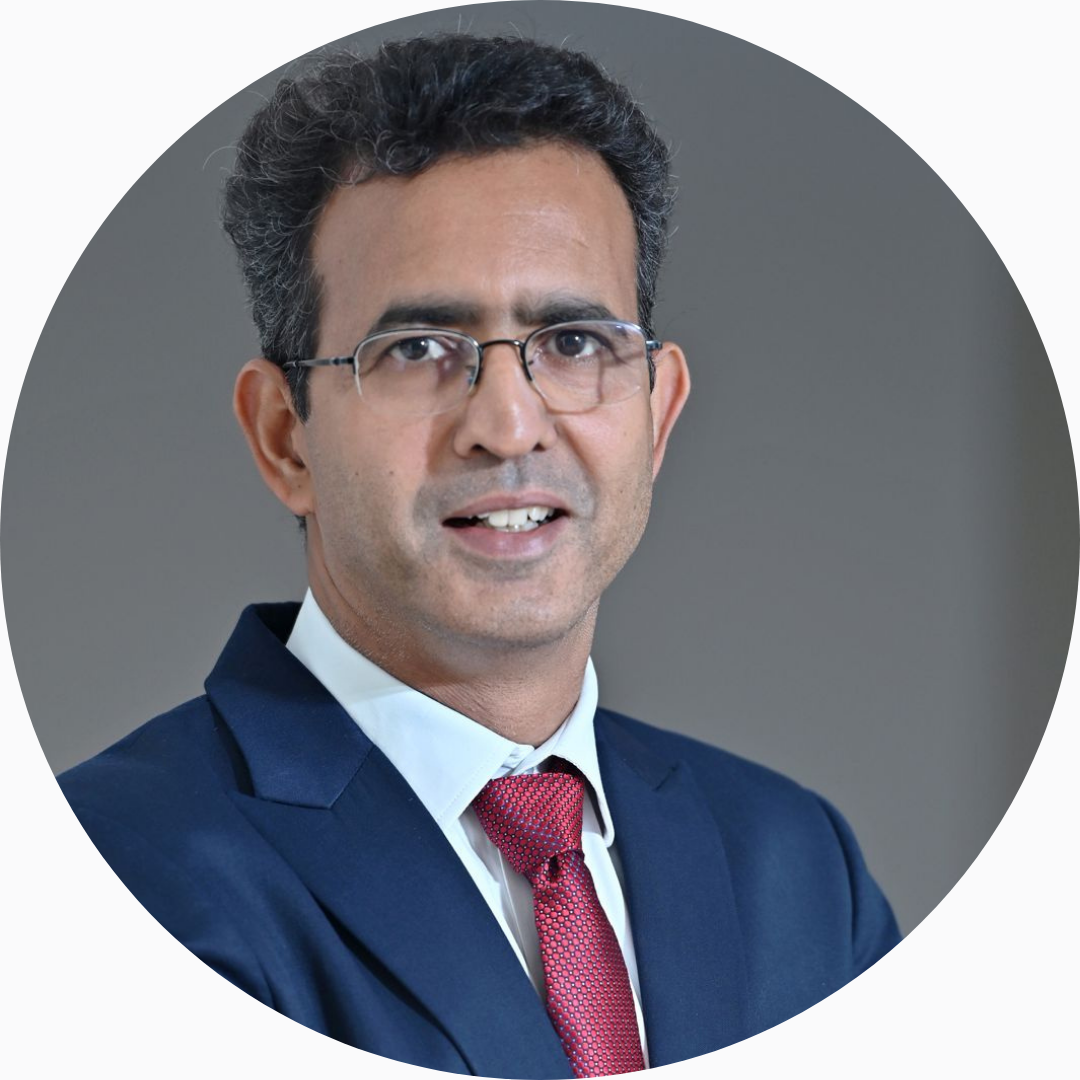
Parag Sharma
GuestChief Executive Officer, Resolven (formerly Zelestra)
Hosts